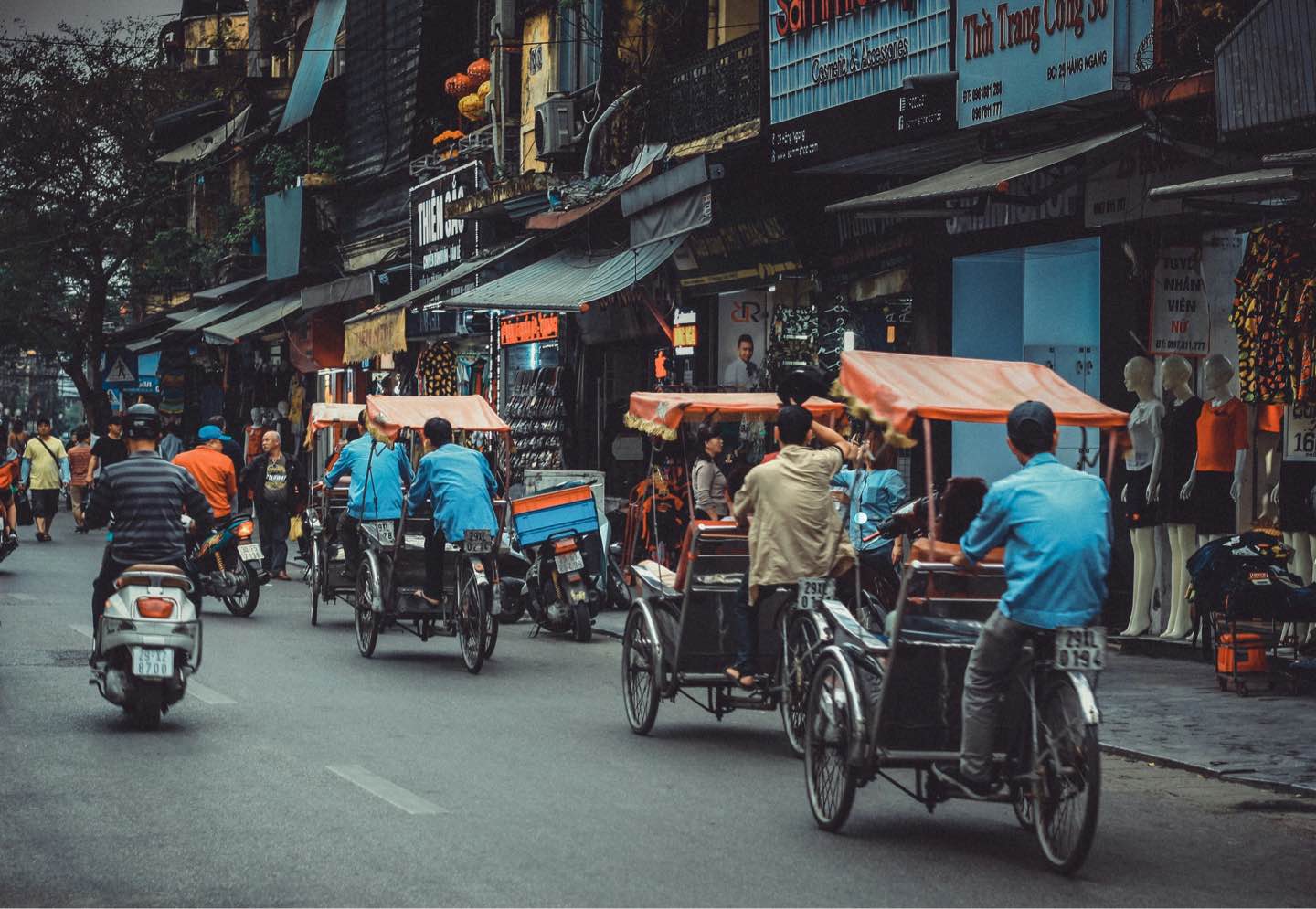
- Vietnamese travelers must obtain a visa or entry permit before departing for Macau, preventing spontaneous short-notice trips.
- Industry advocates are pressing for policy reform to tap into Vietnam’s rapidly growing outbound tourism market during 2026.
- The lack of visa-on-arrival options creates a significant competitive disadvantage compared to other regional travel destinations.
(MACAU) — Macau requires Vietnamese passport holders to obtain a visa or entry permit before departure, a rule that tourism industry advocates say blocks easier access to Vietnam’s Booming Travel Market and limits short-notice travel to the Chinese special administrative region.
Ordinary Vietnamese travelers do not have visa-free access to Macau. They also cannot rely on visa-on-arrival. The available routes are limited to advance visa/entry-permit processing for tourism or business.
Free toolB1/B2 Tourist Visa Stay Calculator online
That structure leaves little room for spontaneous trips. Vietnamese tourists must plan ahead, secure the correct authorization before travel, and arrive with entry permission already in place.
Macau’s Strict Visa Rules stand out in the Macau-Vietnam travel corridor because the restrictions fall most heavily on travelers trying to make quick leisure or business decisions. The absence of a general visa-free channel or a straightforward arrival option means ordinary visitors from Vietnam face a narrower set of choices before boarding.
Vietnam imposes visa requirements on Macau passport holders as well. Travelers to Vietnam need a valid passport and a visa, with e-visas available through Vietnam’s government system and visa-on-arrival possible only with pre-approval.
That means the flow works under visa controls in both directions. Even so, the restrictions are tighter on the Macau side for Vietnamese travelers because Macau does not offer them a general visa-free option or a simple visa-on-arrival route.
The result is a travel market shaped by paperwork and lead time. A traveler in Vietnam who decides on a short Macau break or a quick business meeting cannot depend on last-minute arrangements, because the trip depends on prior processing rather than airport formalities.
Tourism industry voices are pressing for policy reform to ease entry rules for Vietnamese visitors. Their argument is direct: simpler access would give Macau a better chance of tapping Vietnam’s booming outbound travel market and lifting tourism demand.
Those reform arguments center on convenience as much as volume. A market grows more accessible when travelers can make plans without long lead times, and Macau’s current system requires the opposite for ordinary Vietnamese passport holders.
That planning burden carries practical effects for tour operators, business travelers and independent tourists alike. Every trip requires the visa or entry-permit question to be settled first, before flights or hotel plans can safely move ahead.
Business travel faces the same barrier. Vietnamese passport holders need advance approval whether the purpose is tourism or business, leaving no ordinary route for a traveler who needs to move quickly.
Macau’s visa framework also shapes how it competes for regional visitors. Where other routes allow easier booking patterns, Macau’s dependence on advance visa/entry-permit processing adds a pre-travel hurdle that can deter travelers looking for flexibility.
Vietnam’s side of the corridor is more structured than open. Macau passport holders still need visas to enter Vietnam, but e-visas are available through the government system, and visa-on-arrival remains possible with pre-approval rather than as a walk-up option.
That difference matters in practice because Vietnam offers a digital pathway through its e-visa system. Macau, by contrast, requires Vietnamese travelers to secure authorization in advance without a general visa-free or visa-on-arrival alternative for ordinary travel.
The imbalance has become part of the tourism industry’s case for reform. Advocates argue that easing Macau’s rules for Vietnamese travelers would remove a friction point in a corridor where both sides already impose entry controls, but one side offers fewer simple options.
Travelers weighing a Macau trip from Vietnam now face a basic calculation before anything else: whether enough time remains to complete the required processing. If the answer is no, the trip does not move.
That reality leaves advance preparation as the central rule for the route. Vietnamese travelers heading to Macau must secure the correct visa or entry authorization before departure and cannot count on a last-minute solution at the border.
Policymakers and travel businesses will be watching for any shift in those rules. Until that happens, Macau’s Strict Visa Rules remain a gatekeeping factor in whether Vietnam’s Booming Travel Market reaches the city in larger numbers.