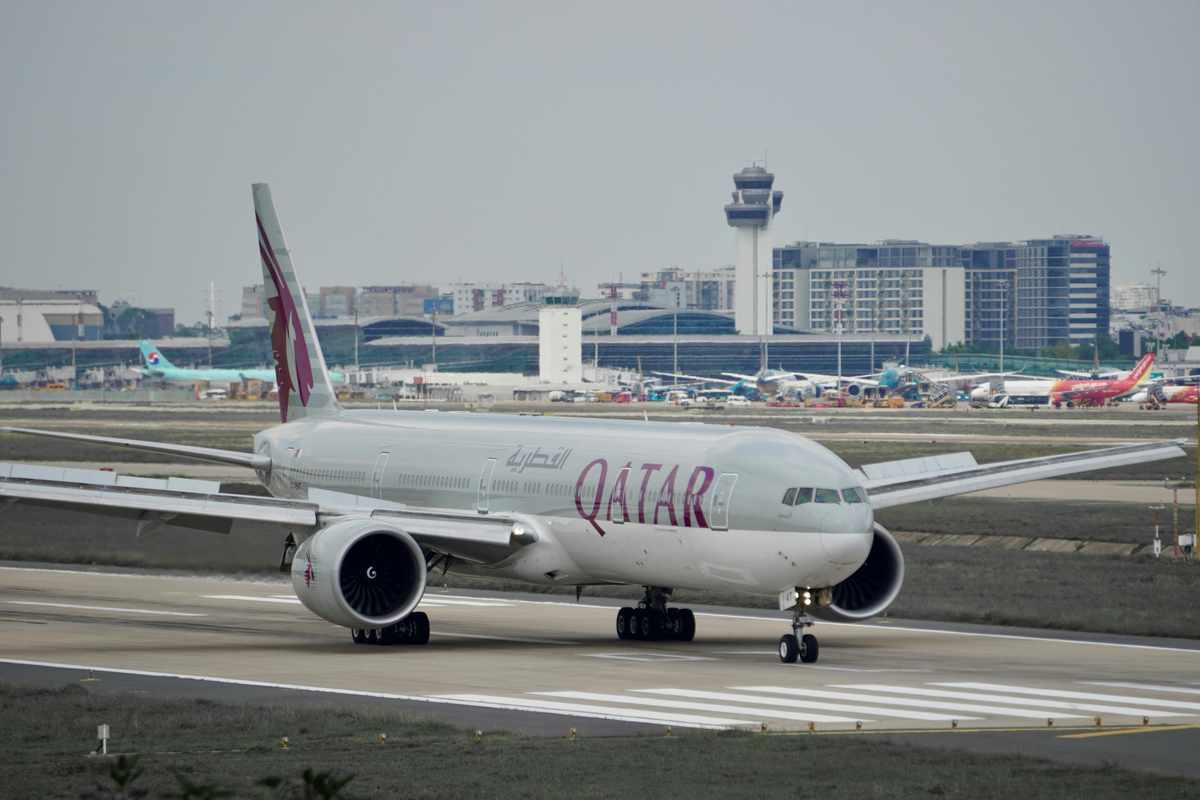
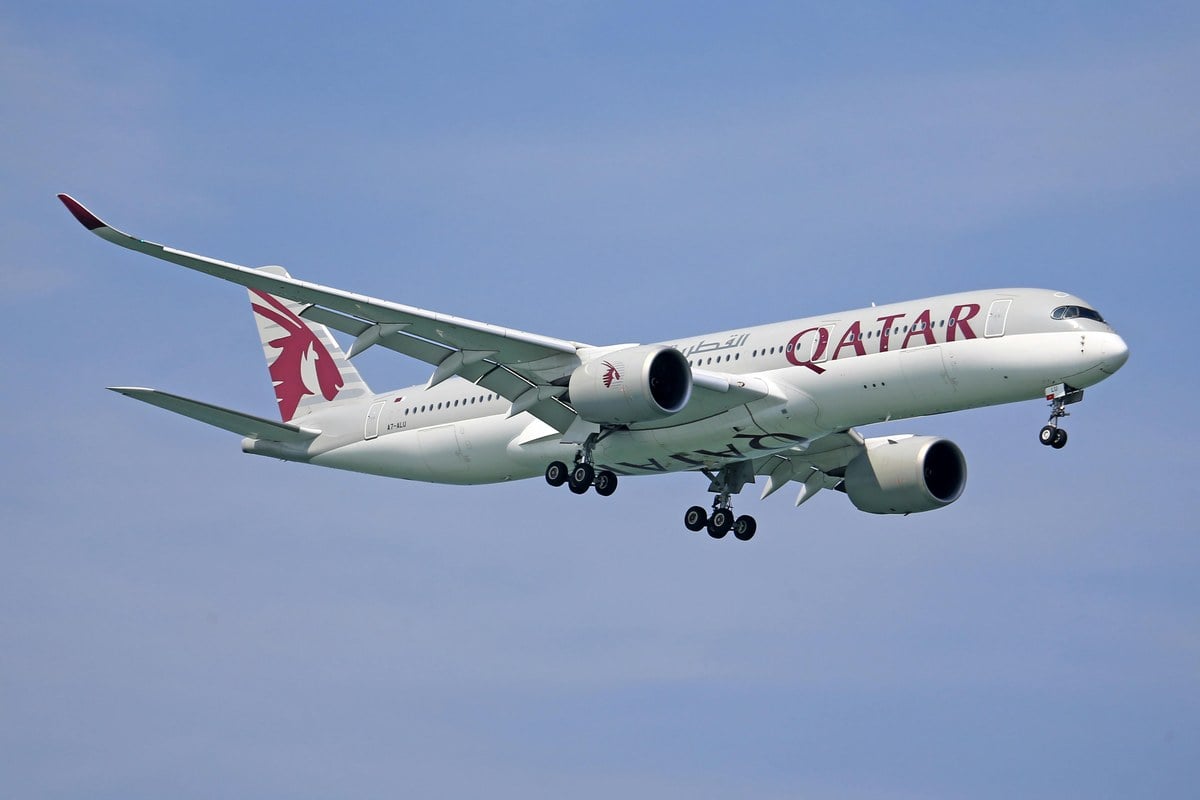
- Qatar Airways grounded its entire active fleet of eight Airbus A380s for April and May 2026.
- Regional security concerns and high fuel costs drove the suspension of 12,000 scheduled flights.
- The airline plans to resume A380 operations on June 1, 2026, across five long-haul routes.
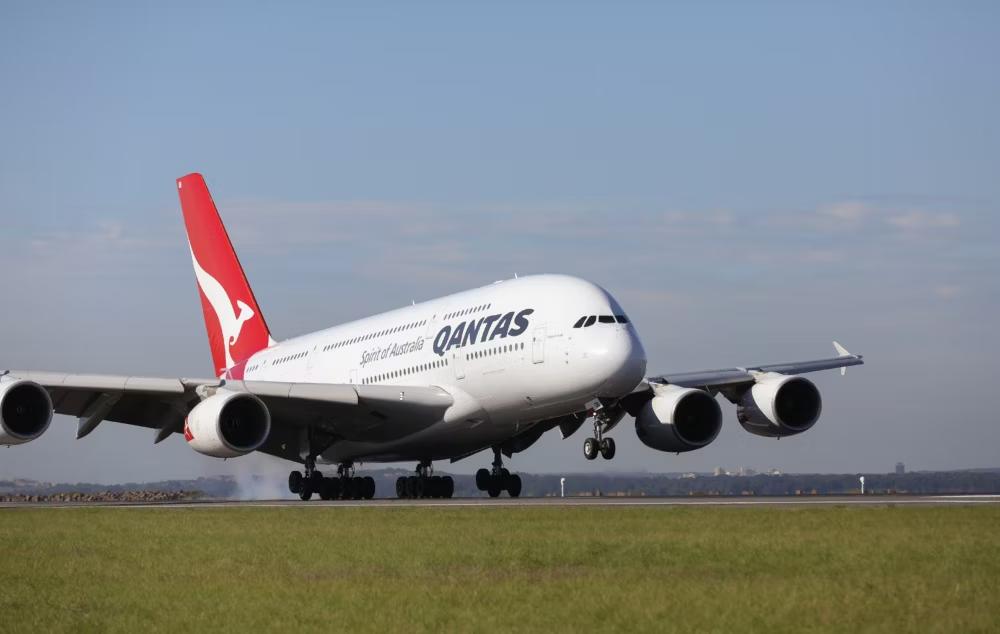
(DOHA, QATAR) — Qatar Airways grounded its entire active fleet of eight Airbus A380 aircraft at Hamad International Airport for April and May 2026, pulling its superjumbos from service as conflict-related disruption, weaker demand and high fuel costs hit operations.
The move suspends more than 12,000 flights to more than 60 destinations and reduces First Class availability across the network. Each A380 carries 8 First Class seats in a 1-2-1 layout on the upper deck, for 64 total across the active fleet.
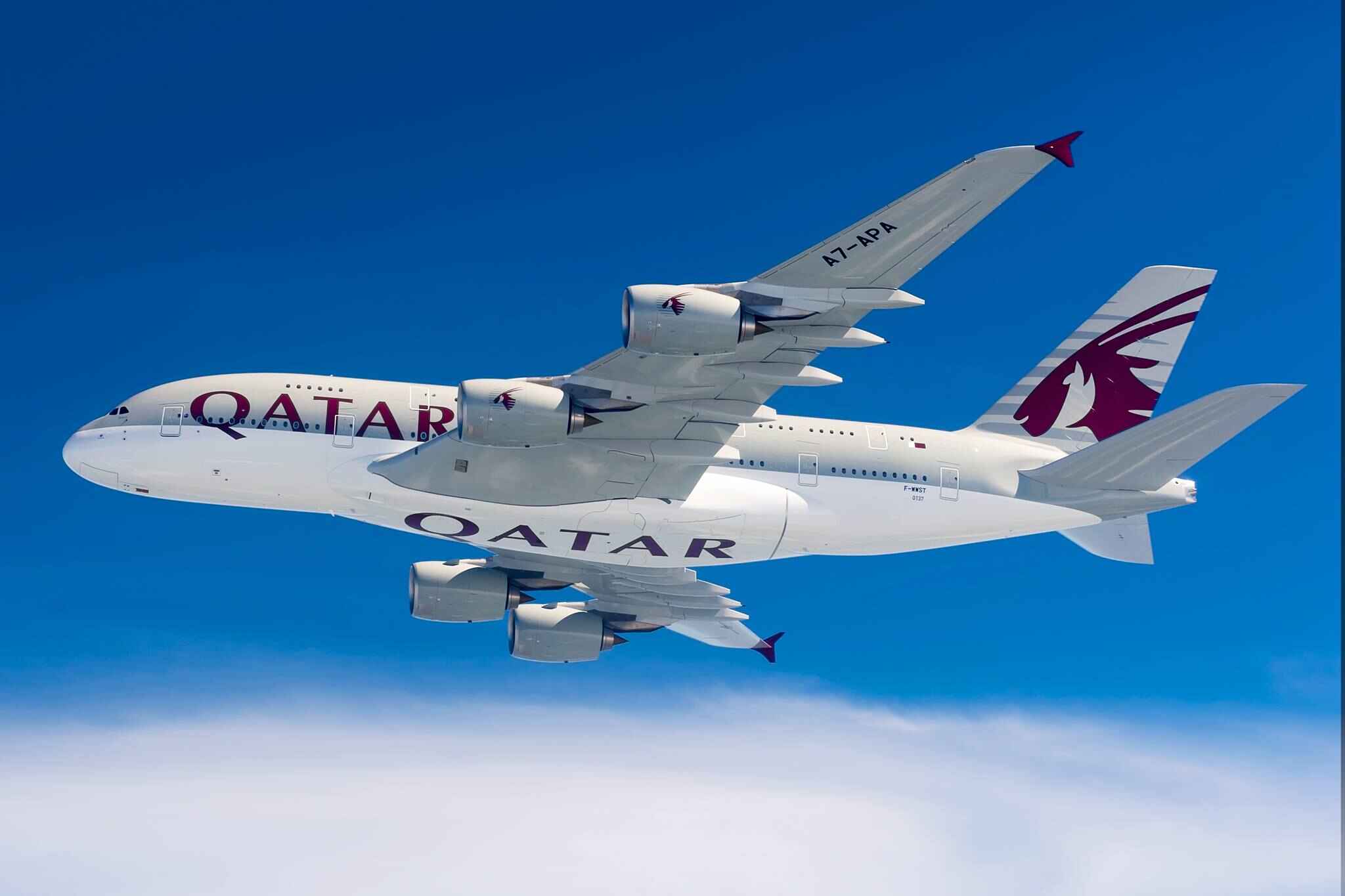
Qatar Airways has not issued a formal statement beyond schedule data. Its A380 services are now absent from the carrier’s schedule through the end of May, a sharp retrenchment for an aircraft type the airline had already treated cautiously.
Regional security concerns drove part of the decision. Escalating conflict in the Middle East has created airspace risks, including Iranian missile and drone threats, while the airline rebuilt only about one-third of its pre-war schedules from Doha.
Economics added pressure. The four-engine A380 burns more fuel than smaller twin-engine aircraft, and that cost matters more when fuel prices are volatile and demand is softer on some long-haul markets.
Qatar Airways has increasingly leaned on Airbus A350s and Boeing 787s instead. Those aircraft give the airline more flexibility on capacity, lower trip costs and a better fit for a network still adjusting to disrupted regional flying patterns.
The carrier has 10 A380s in total. Two have been in long-term storage since 2020, while the other 8 were ferried back to Doha by early April 2026 and have not flown since.
At least one aircraft, A7-APC, moved to Teruel Airport in Spain for storage amid the regional tensions. That transfer underlined that the pause is not limited to timetable trimming; it also involves repositioning aircraft away from the operating network.
The grounding reaches every region served by the airline’s A380 network. Frequencies have been cut across Africa, Asia, Europe, the Middle East, North America and Oceania, leaving the airline to absorb displaced demand with smaller aircraft where schedules still hold.
That matters most in premium cabins. Qatar Airways has long used the A380 on dense trunk routes where high-end demand supported the upper-deck First Class cabin, and the removal of all eight active aircraft strips that product from the network for two months.
The carrier’s decision stands out even in a market where A380 flying has fallen. Global A380 utilization drops 7% in April-May 2026, but Qatar Airways is grounding 100% of its active superjumbo fleet.
Emirates, the world’s largest A380 operator, has 116 of the aircraft and grounded 39, a cut that translates to 14% fewer flights. Etihad has 9 A380s and grounded 3, reducing flights by 2%.
British Airways has 12 A380s, with 4 grounded and 8 still operating. Lufthansa has 8, with 2 grounded and 6 in service.
Against that backdrop, Qatar Airways’ choice is unusually broad. Other airlines trimmed portions of their fleets, but Qatar removed every active A380 from service at once, even though it still retains the aircraft type in its fleet plan.
The current halt also revives memories of the airline’s full 2020 A380 grounding during the COVID period. This time, the trigger is different: geopolitical pressure and operating economics, not a collapse in global travel caused by pandemic restrictions.
Qatar Airways still plans to bring the A380 back. The current schedule points to a restart on June 1, 2026, when the aircraft is due to resume service on five long-haul routes, including London, Bangkok and Singapore.
That timetable aligns with the winter 2026 schedule, though the plan remains exposed to regional events. If tensions ease, the airline can restore the aircraft on the routes where its high seat count and premium cabins still make sense; if they do not, schedules can shift again.
The airline has not announced any retirement for the type. Qatar continues to operate the A380 longer than planned because of delays to the Boeing 777X, which has left the carrier short of a full replacement on some high-capacity long-haul sectors.
Even so, the broader industry direction is clear in fleet planning. Airlines have spent the past several years favoring smaller, more fuel-efficient long-range jets, and the A350 and 787 now fit more route structures than the A380 does.
Qatar Airways’ two-month pause reflects that tension. The superjumbo still offers heavy capacity on selected routes, but it becomes harder to justify when fuel is expensive, schedules are unstable and demand does not fully support the aircraft’s size.
Passengers booked on affected flights now face equipment changes, timetable revisions or rerouting across the network. Real-time status can shift quickly, especially while the airline adjusts service around regional airspace concerns and changing demand patterns.
Travelers should check Qatar Airways’ official site for current schedule updates before departure. The airline’s next test comes on June 1, 2026, when the world’s most recognizable passenger jet is due to return to Doha’s departure boards, if the region allows it.