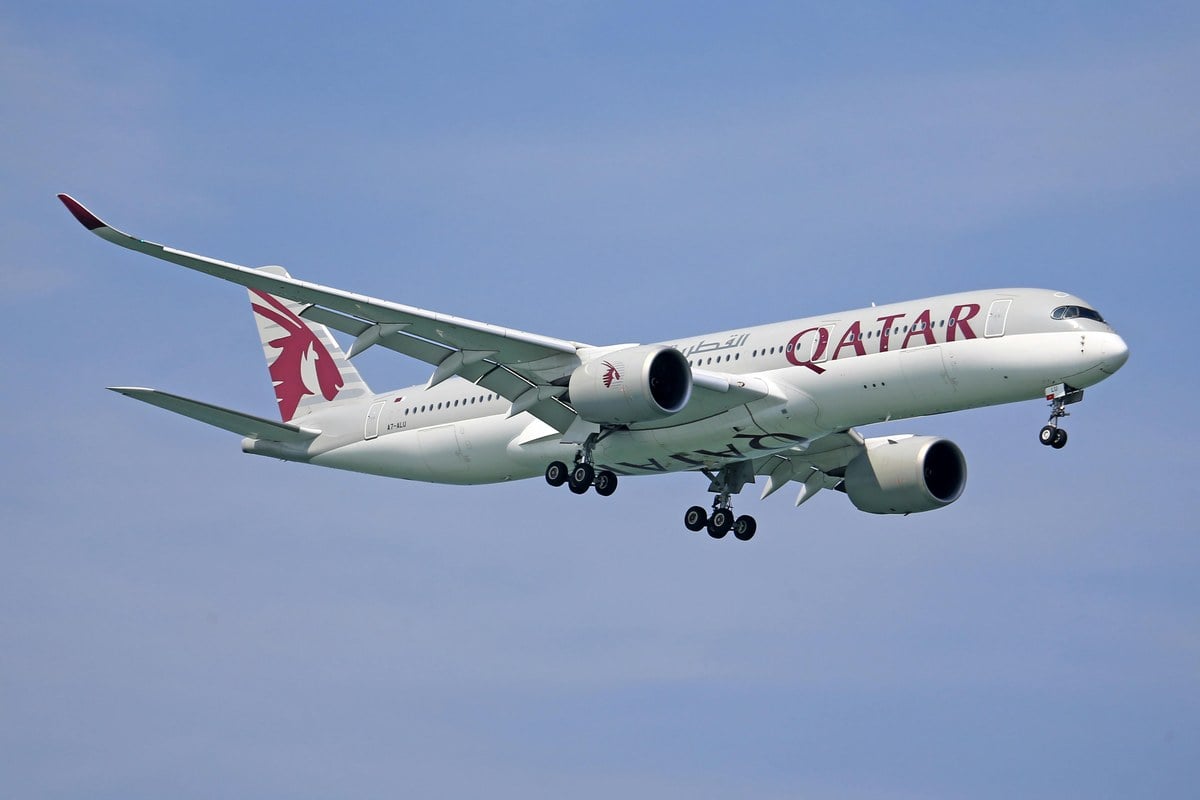
- Qatar Airways has cancelled annual bonuses for approximately 60,000 employees due to regional conflict pressures.
- The airline is currently operating at under 60% of its typical flight schedule capacity.
- Increased costs stem from widespread cancellations and expensive rerouting around restricted airspace in 2026.
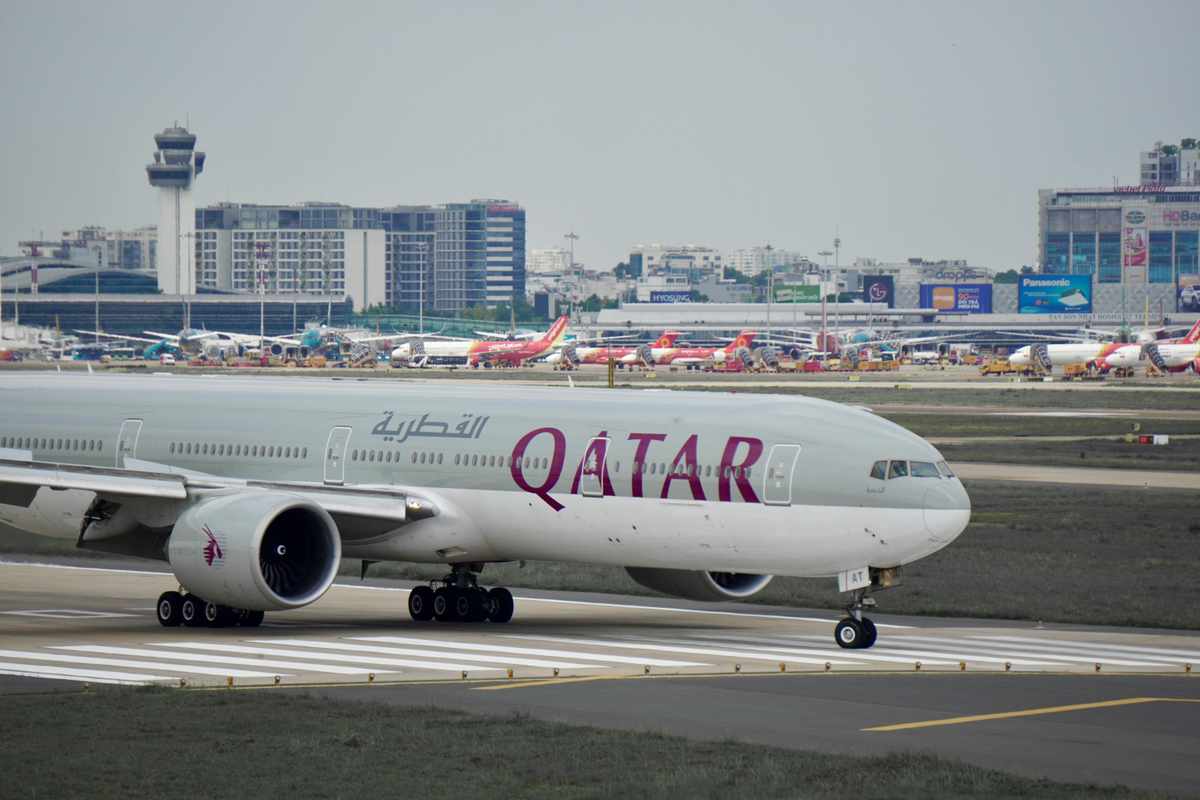
(QATAR) — Qatar Airways has told nearly 60,000 employees it will not pay annual bonuses this year, linking the decision to regional conflict, widespread flight cancellations and costly rerouting.
The move, sent in an internal memo this week, marks a sharp break from the carrier’s recent practice of paying bonuses. Qatar Airways framed the decision as a step to protect long-term stability while the Middle East conflict continues to strain operations.
Free toolB1/B2 Tourist Visa Stay Calculator online
The airline said the situation has “significantly affect[ed]” Qatar and the wider group. That pressure has shown up in the timetable. Qatar Airways has been operating at less than 60% of its usual schedule after thousands of flights were cancelled.
Longer routings have added another layer of cost. When airlines are forced to detour around closed or restricted airspace, they burn more fuel and keep aircraft in the air longer. Crew logistics, maintenance timing and aircraft rotations also become harder to manage.
The bonus cutoff lands hard because the carrier’s annual payments have been part of the compensation structure only in the last three years. Reported payouts have ranged from a couple of weeks’ pay for non-managerial staff to several months for executives and vice-presidents.
Qatar Airways has faced this kind of disruption before. In 2017, the airline had to redraw routes after neighboring states severed ties with Qatar and closed airspace. The carrier spent years adjusting its network around those restrictions, and the current conflict has again pushed it into expensive rerouting.
| Issue | Current impact |
|---|---|
| Annual bonuses | Cancelled for nearly 60,000 employees |
| Flight schedule | Operating at under 60% of normal capacity |
| Operational pressure | More cancellations, longer routes, higher fuel burn |
| Historical precedent | Similar disruption followed the 2017 Gulf airspace crisis |
The decision also raises questions inside the company. A bonus withdrawal on this scale can affect morale, especially among front-line staff already dealing with irregular operations and customer frustration. Retention tends to tighten when pay expectations change quickly, even at carriers with strong brand loyalty and deep regional reach.
Qatar Airways is not alone in absorbing the cost of rerouting. Airlines across the Middle East have faced higher fuel burn, longer block times and added operational expense as airspace restrictions reshaped schedules. The region’s carriers have repeatedly had to adapt to shocks that arrive outside the normal rhythm of demand, seasonality and aircraft planning.
That matters for passengers because schedule recovery often lags the headline announcement. When an airline is running far below normal capacity, changes ripple into connections, aircraft assignments and same-day reaccommodation. Doha’s role as a hub makes those delays especially visible on Europe, Asia and Africa flows.
Qatar Airways’ loyalty customers should also watch the knock-on effects. Frequent schedule changes can affect connections, award seat availability and rebooking options on partner itineraries. If your trip depends on a tight Doha connection, build in extra time and monitor the booking closely as the network remains under pressure.
Qatar Airways has not said how long the bonus freeze will last, only that it is protecting the business while the conflict continues. Travelers with upcoming bookings on the carrier should check reservation alerts before departure, and anyone routing through Doha should allow extra connection time while the schedule remains below normal.