- Major Gulf airlines have recovered eighty-two percent of their pre-war flight levels as of June twenty twenty-six.
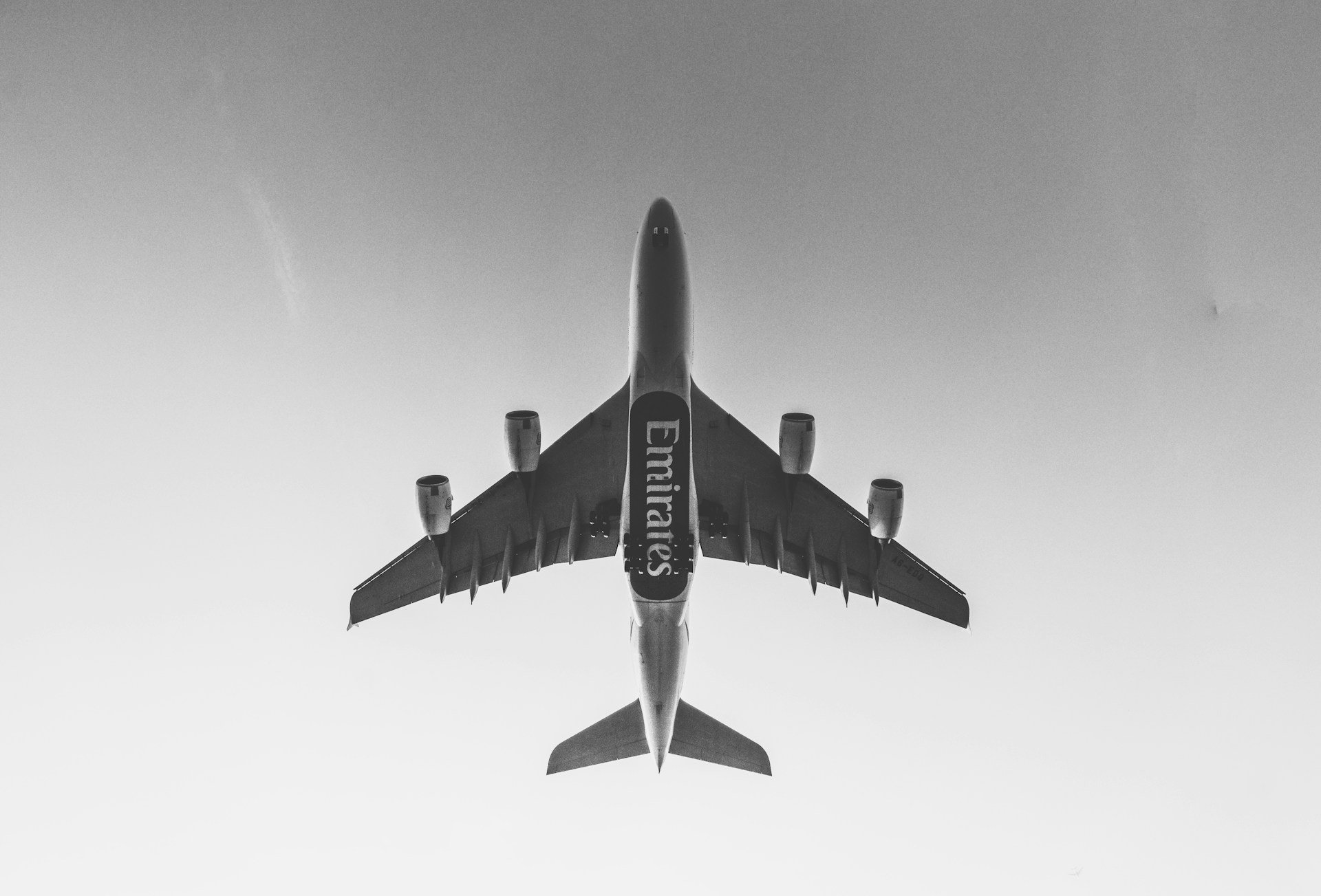
- Emirates and Qatar Airways lead the industry rebound at ninety percent capacity from their respective hubs.
- Etihad Airways is placing new widebody orders to signal long-term confidence in regional aviation recovery.
(GULF REGION) — Gulf airlines are operating at approximately 82% of their pre-war flight levels as of June 19, a significant rebound from the airspace disruptions that followed the Iran conflict. Emirates and Qatar Airways lead the recovery, both running at or near 90% of their February 27, 2026 schedules.
The conflict, which began February 28, forced carriers across the region to cancel flights, reroute aircraft, and slash frequencies as airspace restrictions took hold. Nearly four months later, the major Gulf carriers are steadily rebuilding their networks. The recovery remains uneven across routes and regions, with some corridors bouncing back faster than others.
Free toolB1/B2 Tourist Visa Stay Calculator online
Travelers connecting through Dubai and Doha are seeing the most immediate benefit. Both hubs serve as critical transit points between Europe, Asia, and Africa, and the restoration of frequencies means more departure times and better connection windows. Routes that were suspended entirely during the height of the conflict are gradually returning to schedules, giving passengers more options for both direct and connecting itineraries.
Emirates and Qatar Airways have recovered fastest among the three major Gulf carriers. Both airlines benefit from extensive networks and large fleets that allowed them to reallocate aircraft quickly once airspace reopened. The broader Gulf carrier network, which includes smaller operators and regional partners, lags behind at approximately 82% of pre-war levels overall. This gap reflects the different operational scales and fleet flexibility across the region’s airlines.
Emirates Skywards members and Qatar Airways Privilege Club members who saw award availability disappear during the conflict are finding more redemption seats returning, particularly in economy and premium economy cabins. Business and first class award space remains tighter, as carriers prioritize revenue passengers on restored routes and fill seats with paying travelers.
Etihad Airways, the third major Gulf carrier, is also working back toward pre-war capacity from its Abu Dhabi hub. The airline is simultaneously placing new widebody orders, a signal that management views the recovery as durable rather than a short-lived bounce. New aircraft deliveries will support future expansion as the carrier rebuilds its network and positions for long-term growth in the competitive Gulf transit market.
| Carrier | Recovery Level | Hub |
|---|---|---|
| Emirates | ~90% of pre-war levels | Dubai (DXB) |
| Qatar Airways | ~90% of pre-war levels | Doha (DOH) |
| Etihad Airways | Approaching pre-war capacity | Abu Dhabi (AUH) |
| Broader Gulf network | ~82% overall | Multiple |
The uneven nature of the recovery means travelers should still verify schedules closely. Some corridors that relied on now-restricted airspace remain constrained, and departure times on certain routes may be limited compared to February. Connecting passengers through the major hubs have more options, but secondary routes continue to see reduced service and fewer daily frequencies.
Airspace access improvements remain the primary driver of the schedule restoration. As restrictions eased over recent weeks, airlines added back frequencies and reinstated suspended routes. Reuters reports that the situation is improving but has not fully normalized, suggesting further schedule additions are likely through the summer months as carriers work toward complete restoration.
Travelers with existing bookings on Gulf carriers should check their itineraries for schedule changes, as airlines continue to adjust departure times and aircraft assignments during the rebuilding process. Those planning new bookings should compare options across all three Gulf carriers, since pricing and availability vary significantly depending on the route and its recovery status.
Award travelers targeting premium cabins should monitor availability closely over the coming weeks. As Emirates and Qatar Airways restore full schedules, business class award seats are likely to open up on key routes, particularly to destinations in Southeast Asia and Europe where demand patterns are still stabilizing after months of disruption.
Etihad’s new widebody orders point to capacity growth beyond the immediate recovery. The carrier has not detailed specific aircraft types or delivery timelines, but the orders signal confidence in sustained demand for Gulf connectivity and position the airline to compete more aggressively with its larger regional rivals.
Travelers planning trips through the Gulf region this summer should book flexible fares where possible. The recovery trajectory points upward, but the uneven pace means schedule changes remain possible through at least the third quarter. Checking flight status regularly and allowing extra connection time in Dubai, Doha, or Abu Dhabi remains a prudent approach as the region’s airlines work toward full normalization.