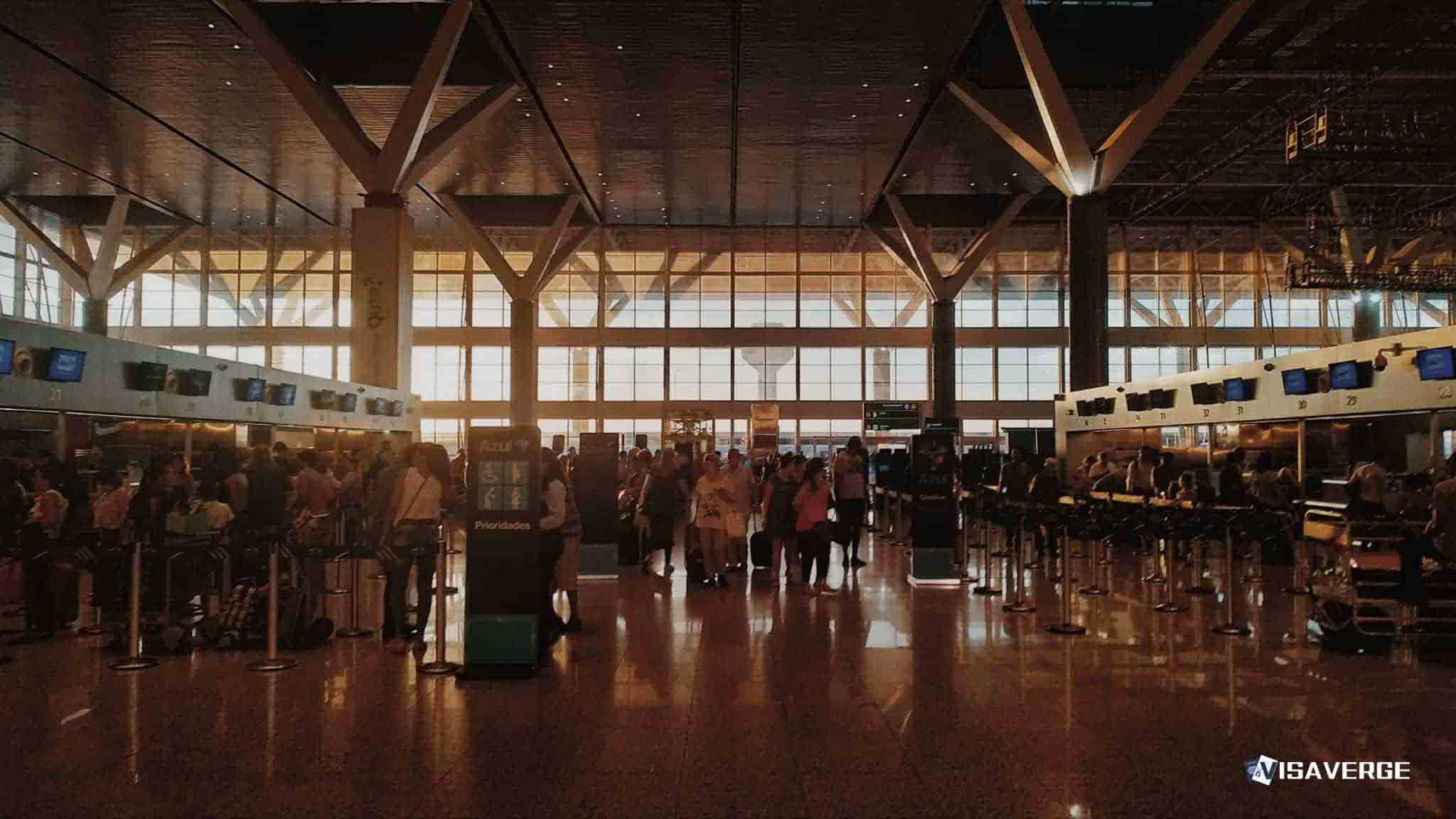
- Major global carriers have suspended Middle East flights through late 2026 due to regional security concerns.
- Restart dates vary with Air France resuming in July while British Airways delayed operations until late October.
- Rising jet fuel prices and airspace advisories have pushed ticket costs up 26.5%.
Air France, British Airways, KLM and Cathay Pacific have suspended or cancelled Middle East flights, disrupting routes through Dubai, Riyadh, Beirut, Tel Aviv, Amman and other regional hubs. Some services have restart dates within days, while others remain suspended until October or later.
Air France has set Riyadh service to resume July 24, followed by Dubai on July 27 and Beirut on August 2. The airline has tied those dates to a continuing review of conditions on the ground.
"The resumption of operations will remain subject to an assessment of the security situation on the ground, which is highly fluid."
Benjamin Smith, CEO of Air France-KLM, issued that statement after a July 20 update. The near-term dates therefore remain subject to change.
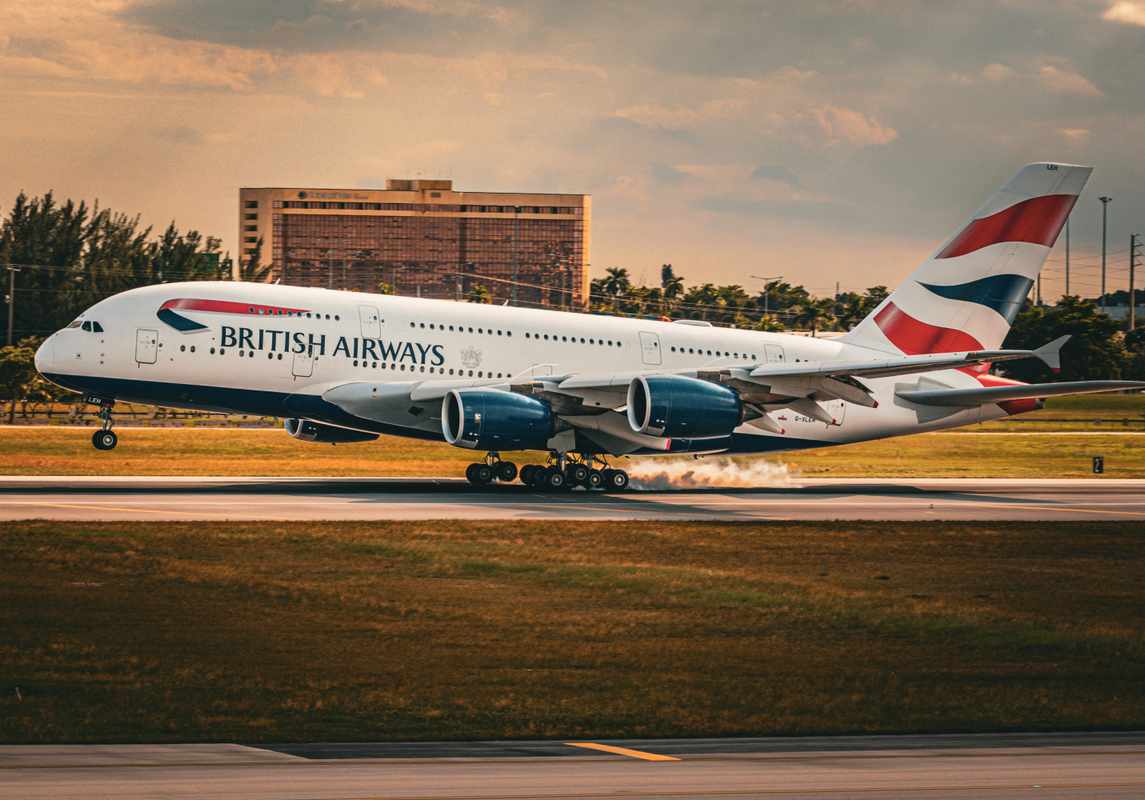
British Airways has delayed its regional return until October 25. Dubai, Tel Aviv, Bahrain and Amman remain suspended through that date, while Jeddah has been permanently dropped from the schedule.
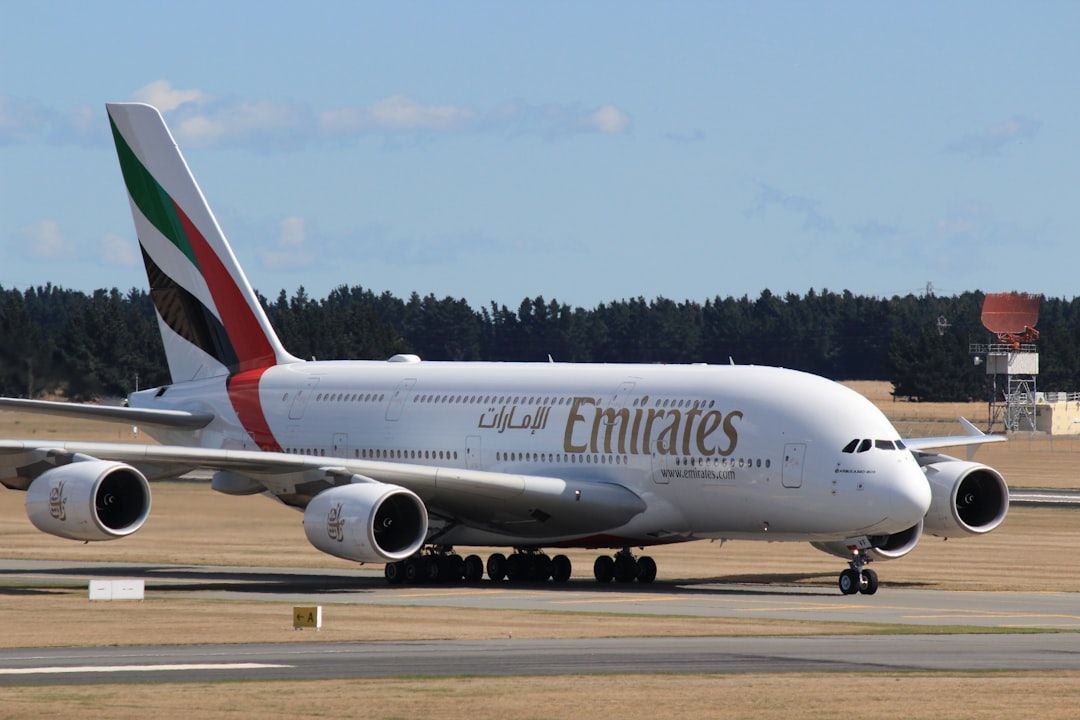
Short-term disruptions are also affecting Gulf carriers. Emirates cancelled Dubai-Kuwait flights EK853, EK855, EK857 and EK859, along with their return sectors, before scheduling normal operations to resume from Tuesday.
Etihad Airways extended cancellations on Abu Dhabi-Kuwait flights EY653 and EY654 through July 24. It also cancelled Abu Dhabi-Bahrain flights through July 25. Air Arabia cancelled and delayed multiple Kuwait flights, while flydubai cancelled services between Dubai and Abha.
Major international networks remain off the schedule into autumn
The suspension dates vary sharply by airline and route. Several networks now extend into late October.
| Airline | Affected routes | Current suspension or restart date |
|---|---|---|
| Lufthansa Group | Abu Dhabi, Amman, Beirut, Dammam, Riyadh, Erbil, Muscat and Tehran | October 24, 2026 |
| Air Canada | Dubai and Tel Aviv | October 24, 2026 |
| Singapore Airlines | Singapore-Dubai | October 24, 2026 |
| Cathay Pacific | Dubai and Riyadh | August 31, 2026 |
| KLM | Dubai, Riyadh and Dammam | September 6, 2026 |
| ITA Airways | Riyadh and Dubai | July 31 and October 24, respectively |
| British Airways | Dubai, Tel Aviv, Bahrain and Amman | October 25, 2026 |
Lufthansa Group’s suspension covers eight destinations. Swiss, Austrian Airlines and Brussels Airlines have also kept multiple Middle East routes suspended through October 24.
Other carriers continue to restrict services to Dubai, Doha, Tel Aviv, Erbil and Beirut. The group includes Aegean Airlines, airBaltic, Finnair, Japan Airlines and Norwegian.
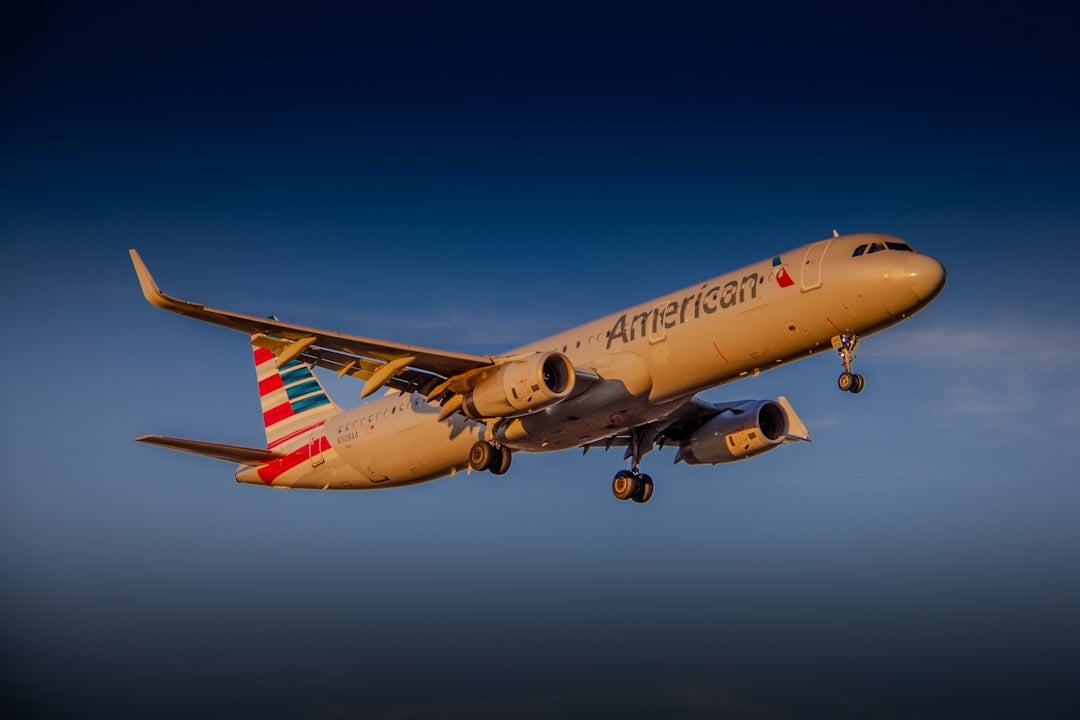
American Airlines has suspended Doha and Tel Aviv flights until 2027 at the earliest. Delta Air Lines has suspended Atlanta-Tel Aviv service through December 18, 2026, while New York-Tel Aviv service is scheduled to restart September 6, 2026.
United Airlines has kept Newark-Tel Aviv service suspended until at least September 2026. Its affected network also includes Tel Aviv and Dubai.
Kuwait disruptions are adding immediate delays
Kuwait has become a recurring pressure point. The Kuwait military reported intercepting hostile drones after an Iranian attack on July 23, causing immediate delays for flydubai and Etihad flights.
A separate incident followed on June 3. Iranian drones reportedly struck Kuwait’s airport, prompting immediate airspace closures.
Qatar Airways temporarily suspended flights to Bahrain, Kuwait and Erbil. Bahrain and Erbil flights remain suspended through July 25, while Kuwait service remains cancelled through July 31.
Wizz Air suspended flights to Dubai, Abu Dhabi and Amman from mainland European bases until mid-September. The restrictions affect both full-service and lower-cost connections into the Gulf.
Passengers are paying more for the remaining options. Ticket prices have been reported at 26.5% above 2025 levels, while an estimated 5 million passengers were affected by cancellations between February 28 and March 11, 2026.
Safety warnings continue to influence route decisions
The European Union Aviation Safety Agency issued a Conflict Zone Information Bulletin for the Persian Gulf and Gulf of Oman. The bulletin remains valid through August 31, 2026, and advises airlines to avoid airspace over the UAE, Bahrain, Kuwait and Qatar.
The agency updated conflict-zone advisories for Jordan, Lebanon, Iraq and Iran on July 22. Those advisories cited remaining “high risks” in the airspace despite diplomatic efforts.
The U.S. Department of State issued a “Worldwide Caution” on July 22. It advised Americans to reconsider travel to and through the Middle East because of the “complex security environment.”
The crisis followed military exchanges between the United States and Iran that began on February 28, 2026. An interim peace deal was discussed in June, but it effectively collapsed after the United States bombed southern Iran for 13 consecutive nights in July.
The United States conducted its seventh consecutive night of strikes against Iranian military infrastructure on July 18. The strikes further destabilized flight corridors.
More than 17 international carriers have extended Middle East suspensions into late 2026. The route decisions reflect both the safety warnings and the continuing uncertainty around Gulf airspace.
Fuel costs are raising pressure on airlines and fares
Global average jet fuel prices reached $149.40 per barrel for the week ending July 17, 2026. That represented an 18% increase linked to the conflict and the closure of the Strait of Hormuz.
Global airline fuel costs are forecast to reach $350 billion in 2026, up from $252 billion in 2025. Higher operating costs are arriving as airlines reduce or reroute services through Gulf hubs.
Carsten Spohr, CEO and Chairman of Lufthansa Group, described the concentration of global traffic through Gulf hubs as a vulnerability for aviation.
"The massive concentration of global traffic flows via the Gulf hubs is increasingly proving to be a geopolitical Achilles' heel."
Spohr also said in May that rising fuel costs posed “enormous challenges for the world as a whole, for global air travel, and for our company as well.” Lufthansa reported a 75% increase in bookings to Asia as travelers shifted toward what he called “safer regions.”
Ed Bastian, CEO of Delta Air Lines, defended higher fares as necessary to cover rising business costs.
"Customers understand if fuel prices are up, you need to cover the cost of business."
Bastian previously warned that nearly doubled jet fuel prices caused a $400 million hit to the airline in one quarter.
Scott Kirby, CEO of United Airlines, said his carrier changed its schedule when oil prices spiked in March while continuing to invest in customers.
"United is built to thrive in every environment, and when oil prices spiked in March, we quickly and decisively acted to adjust our schedules, while simultaneously doubling down on our customer investments."
Rebooking rules and restart dates differ by carrier
Most airlines, including Delta and United, are offering flexible waivers. Delta allows rebooking through April 15, 2027, without fare differences when the original cabin remains available.
The waiver window extends beyond several current suspension dates. Passengers should compare the operating carrier, flight number and eligible travel dates before changing an itinerary.
Tim Clark, president of Emirates, said in June that the Dubai-based airline intended to restore service quickly rather than reduce it permanently.
"We have no intention of cutting back, reducing, or anything else. we will be back very hard and fast."
The closest scheduled milestones are Riyadh on July 24, Dubai on July 27 and Beirut on August 2. Other travelers face dates of August 31, October 24 or October 25, while some routes have been suspended until 2027 at the earliest.