- Judge Leonie Brinkema ordered Anabella Gyasi and her son released after about 10 days at Dulles Airport.
- The ACLU said Gyasi arrived on May 19 with a valid visa to seek medical treatment for her child.
- The court examined a 72-hour transfer rule and protections for children and vulnerable detainees.
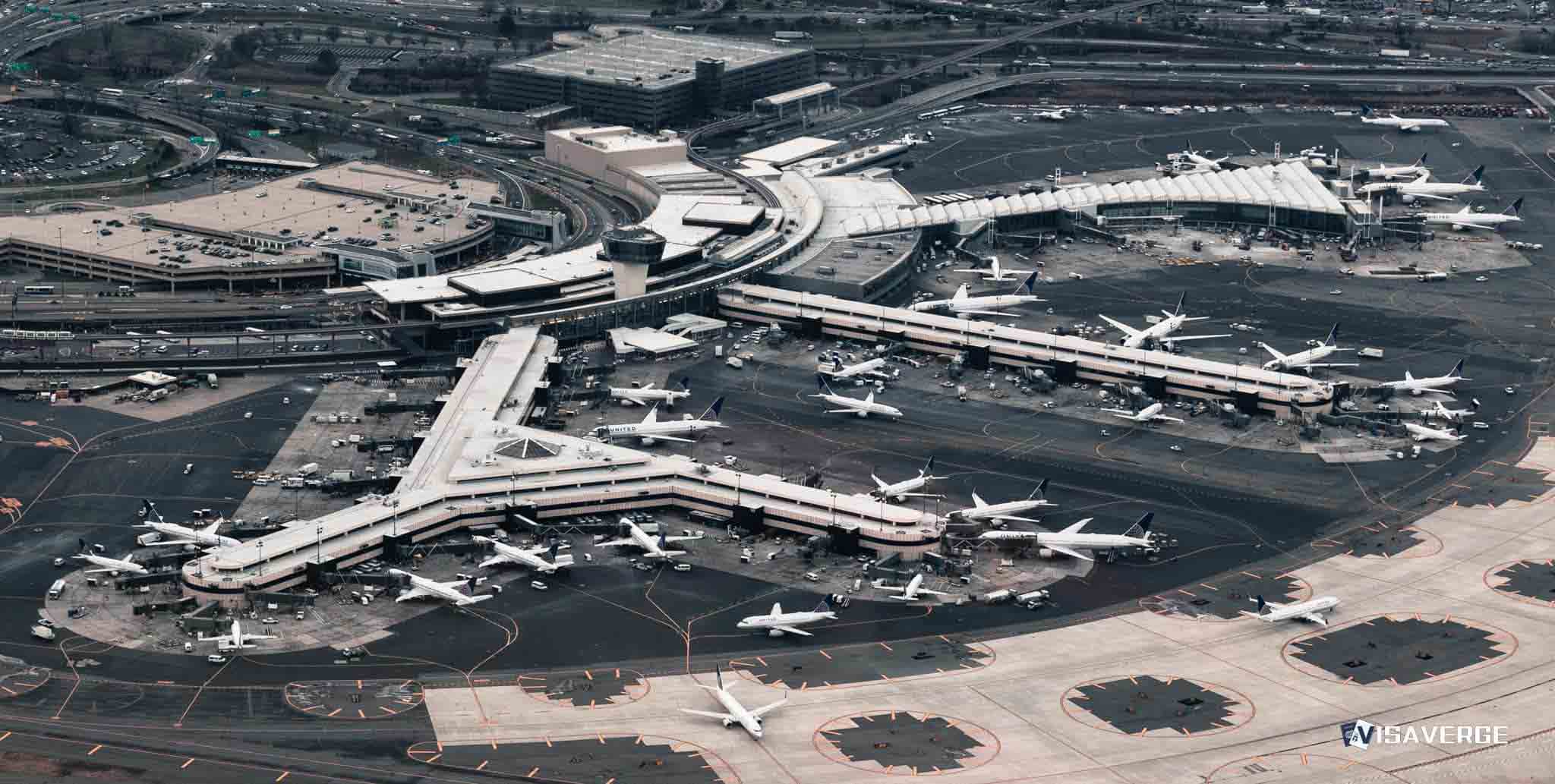
(DULLES AIRPORT, VIRGINIA) — U.S. District Judge Leonie Brinkema ordered that Anabella Gyasi and her 4-year-old son could not spend another night at Dulles Airport and had to be released after about 10 days in airport detention.
The case reached federal court through a habeas petition filed by the ACLU on behalf of Gyasi and her son. Lawyers argued that the two were being held despite protections for vulnerable detainees, including children and other at-risk people.
Free toolUSCIS Receipt Number Decoder
Gyasi arrived at Dulles on May 19 with a valid tourist visa, the ACLU said, to bring her son to the United States for medical treatment. Her son has an abnormality in his hands, and Gyasi is almost 20 weeks pregnant.
Brinkema required the government to show a legal basis for keeping them in custody. She warned that if the government could not do that, they would be released immediately.
By the time of the ruling, Gyasi and her son had spent about 10 days at the airport. The ACLU tied that detention period to protections it said should have applied earlier in the case.
Those protections included standards for at-risk individuals and a settlement requiring children to be transferred out of detention within 72 hours. The court fight turned on whether the government had lawful authority to continue holding a pregnant woman and a young child at the airport.
Mary Bauer, executive director of the ACLU of Virginia, said after Friday’s ruling that the court had ordered Gyasi and her son were “not to spend another night in Dulles Airport.”
Before the release order, the Department of Homeland Security told ABC News that Gyasi was in CBP custody at Dulles and would remain there pending her immigration hearing. That position gave way once Brinkema issued the order.
Gyasi’s case joined a small but closely watched category of airport detention disputes in which federal judges are asked to test the government’s authority through habeas review. In this case, the ACLU pressed the court to measure that authority against protections already cited for children and vulnerable detainees.
Airport detention often unfolds out of public view, but the facts presented in court were unusually concrete. Gyasi had a valid tourist visa, was almost 20 weeks pregnant, and had come to seek medical care for a child with a hand abnormality.
Those details mattered in the legal argument because the ACLU said both mother and child fit categories that trigger heightened protections. Its filing pointed not only to Gyasi’s pregnancy but also to the child’s age and the 72-hour transfer requirement for children.
Brinkema’s order did not rest on broad rhetoric. It rested on a direct demand that the government identify a lawful basis for continued detention, and on her warning that failure to do so would result in immediate release.
That sequence gave the ruling a sharp timetable. Gyasi arrived on May 19; she and her son then spent about 10 days in custody at Dulles before Brinkema intervened and barred another night at the airport.
The case also drew attention because it involved a child who had entered for treatment rather than a traveler stopped over a paperwork defect described in court. The ACLU’s account framed the trip as one tied to medical need, while the government initially maintained custody until the court ordered release.
DHS identified the custody setting as CBP detention at Dulles. That detail fixed the dispute at the border, where detention questions can differ from cases involving people arrested after entering the country.
Habeas petitions give judges a way to review whether detention has a lawful basis, and the filing here pushed that question to the front. Brinkema’s response showed the court was not prepared to let the detention continue without a legal justification presented immediately.
Bauer’s statement captured the immediacy of the order : Gyasi and her son were “not to spend another night in Dulles Airport.” By then, the federal court had moved a detention that had lasted about 10 days to an end.