- A federal judge ordered the immediate return of a 14-year-old Brazilian girl detained by ICE in Massachusetts.
- The girl was transferred overnight to New York before a court intervention secured her reunion with family.
- Attorneys allege the detention was illegal, while ICE officials claim the minor was rescued from suspected gang members.
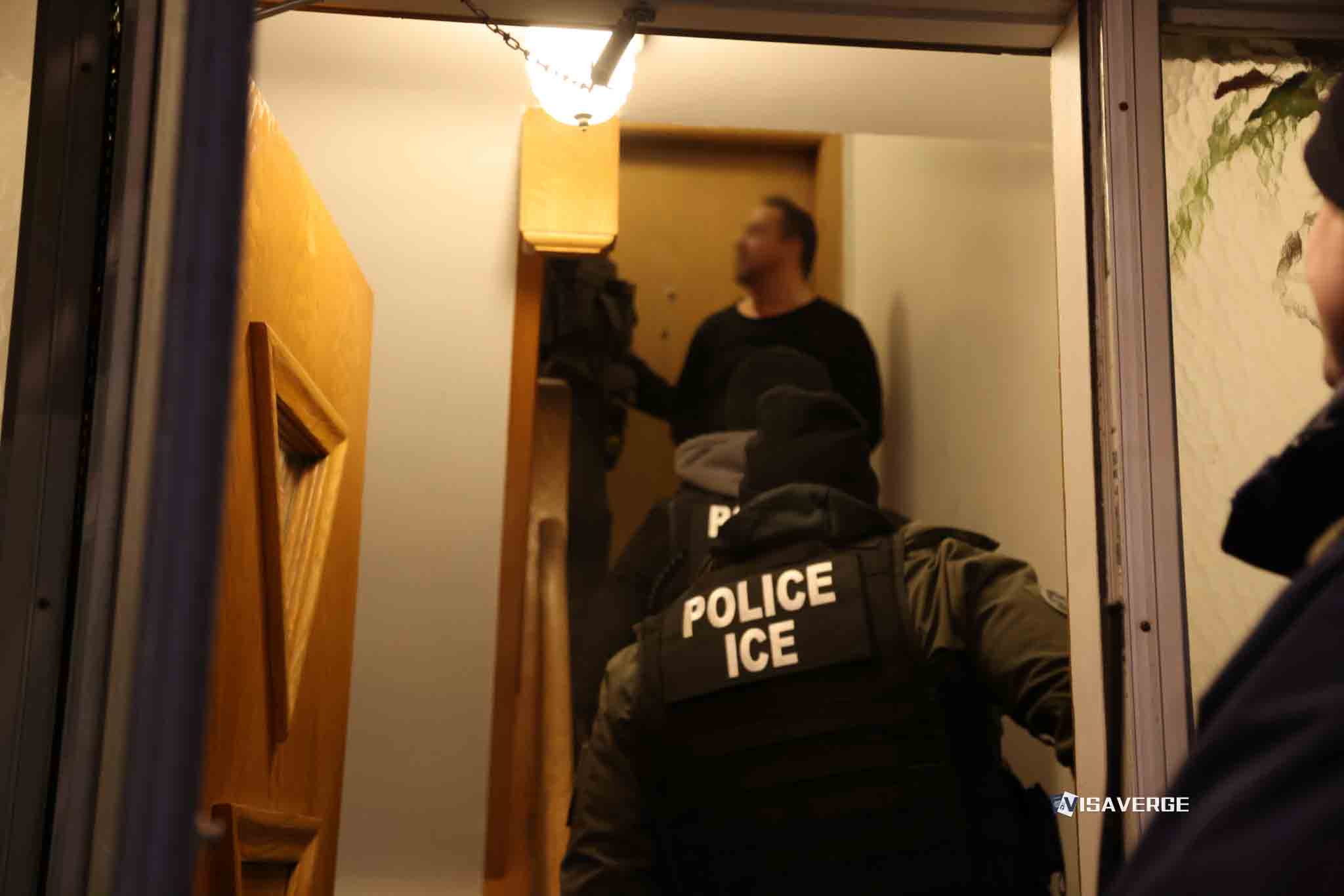
(MARLBORO, MASSACHUSETTS) — ICE agents detained a 14-year-old girl from Brazil in a Marlboro parking lot on Tuesday, March 10, 2026, and returned her to her U.S. citizen maternal aunt in Boston on Thursday afternoon, March 12, after an order by U.S. District Judge Leo T. Sorokin.
The girl’s detention and overnight transfer out of Massachusetts drew federal court scrutiny within a day, centering on how immigration enforcement handled the custody of a minor and the steps taken before moving her across state lines.
U.S. District Judge Leo T. Sorokin ordered her immediate return to Massachusetts at a Wednesday afternoon hearing, directing that transport start no later than 9 a.m. Thursday, March 12, after he expressed concern over the overnight transfer.
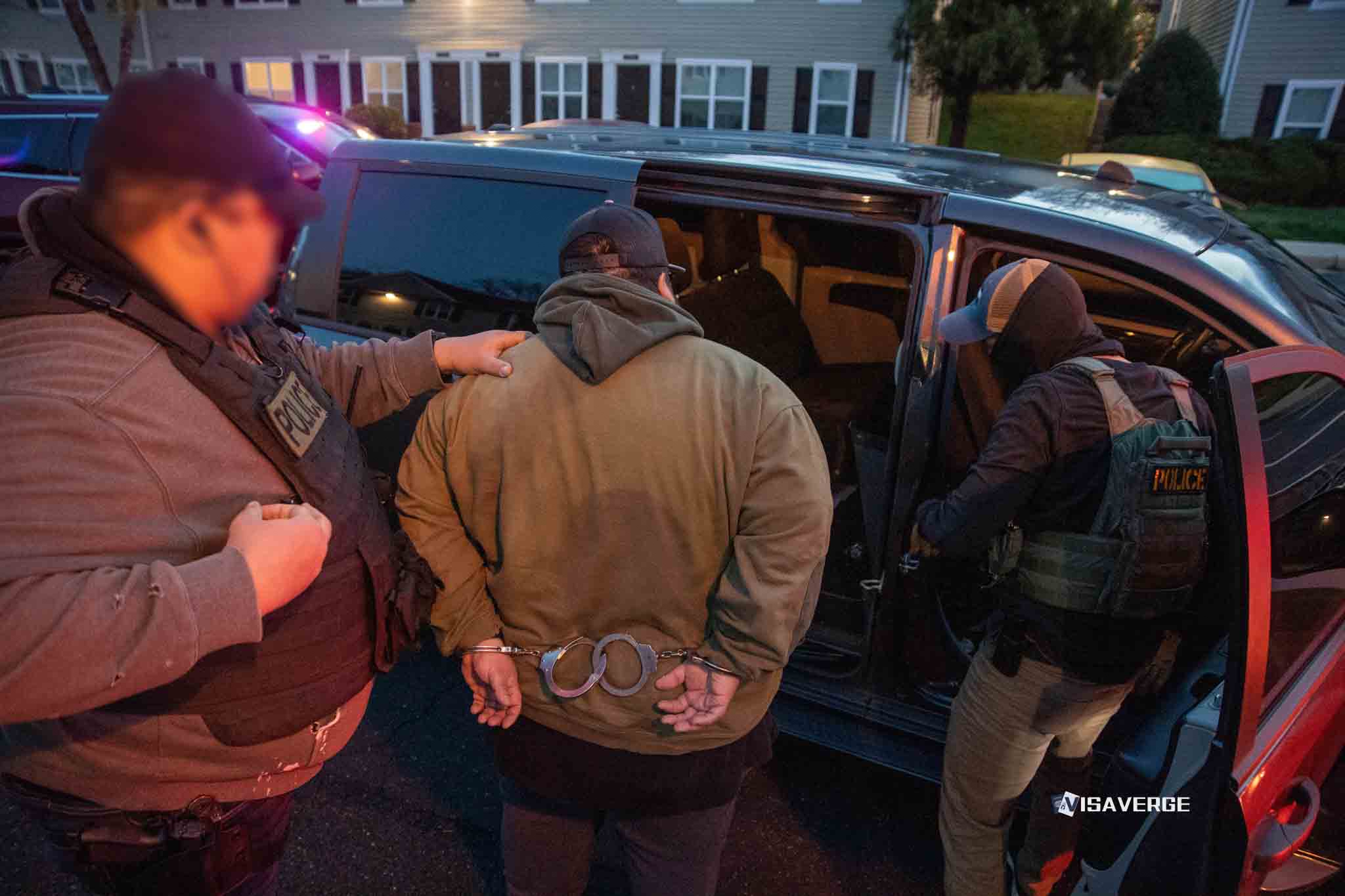
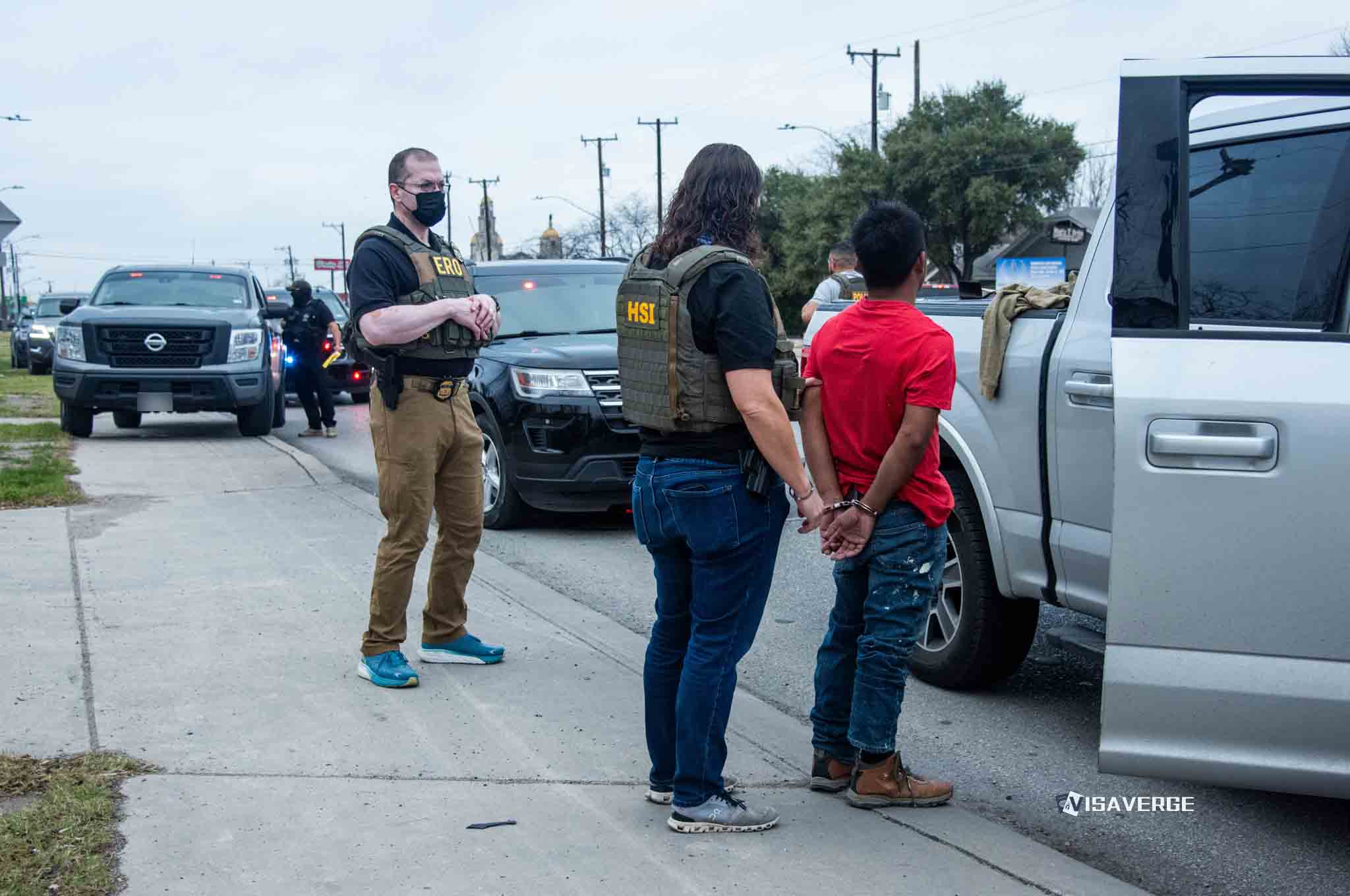
ICE agents pulled over a car in the parking lot outside Bethel Presbyterian Church in Marlboro and detained the girl along with two men from Brazil, 28-year-old Jose Cordeiro Ferreira and 25-year-old Lucas da Silva de Almeida.
| India | China | ROW | |
|---|---|---|---|
| EB-1 | Feb 01, 2023 | Aug 01, 2023 ▲31d | Current |
| EB-2 | Nov 01, 2013 | Oct 01, 2021 | Apr 01, 2025 ▲90d |
| EB-3 | Jan 22, 2014 ▲21d | Jan 22, 2022 ▲14d | Jun 15, 2024 ▲31d |
| F-1 | Jan 22, 2021 ▲366d | Jan 22, 2021 ▲366d | Jan 22, 2021 ▲366d |
| F-2A | Oct 22, 2026 ▲30d | Oct 22, 2026 ▲30d | Oct 22, 2026 ▲30d |
The girl was in the U.S. on a visitor’s visa and had been living with her 18-year-old and 21-year-old U.S. citizen brothers after her mother’s death, with her father absent.
Authorities first held her for 10 hours at the John F. Kennedy Federal Building in Boston, then drove her overnight to a Health and Human Services Office of Refugee Resettlement facility in New York.
That sequence — a roadside detention, hours in a federal building, and a quick transfer to ORR custody out of state — put a spotlight on the pathway unaccompanied minors often enter once immigration enforcement transfers them to Health and Human Services.
Bystander Van Celedon recorded the tense scene outside the church, describing bystanders feeling helpless.
Andrew Lattarulo, the attorney representing the girl, confirmed her reunion with her aunt at the JFK building on Thursday afternoon and said the aunt will care for her temporarily.
Lattarulo called the detention illegal and alleged it used the girl as “bait” for her father, and he said he plans to seek refugee status.
Homeland Security Acting Assistant Secretary Lauren Bis said ICE did not arrest the girl but “rescued” her from “suspected gang members,” adding that she had no familial ties to the two detained adults.
Bis said special agents placed her in ORR custody per protocol pending legal guardian identification.
The government’s account framed the initial intervention as protective and emphasized the asserted lack of ties between the girl and the men detained with her, while the defense challenged the legality of the detention and criticized how quickly she was moved into federal child-custody processing outside Massachusetts.
Rep. Ayanna Pressley criticized the transfer and the way the case was handled as a child welfare matter, saying, “I don’t think the way to demonstrate care about child welfare is to incarcerate someone, take them thousands of miles from their family, and subject them to inquiry and investigation without adults present.”
Pressley’s comments focused on the distance from family and the absence of adults during questioning and investigation, pointing to the broader tension that can arise when immigration enforcement actions intersect with the treatment of minors.
Lattarulo also pointed to sharp differences between the roles played by different parts of the federal government in court, praising U.S. Attorney’s Office lawyers while blaming ICE and calling it “the same playbook.”
Sorokin’s order, issued after he raised concerns in Wednesday’s hearing, marked the legal turning point that set the schedule for the girl’s return and cleared the way for her to reunite with family in Boston the next day.
The case placed attention on the custody sequence for a child who, in the defense account, had been living with close relatives who are U.S. citizens, and on the steps taken before moving her into ORR custody in New York.
For families, the episode also illustrated how quickly a minor can shift from a local encounter with federal agents to a multi-agency process involving ICE, the federal courts, and Health and Human Services custody.
With the girl now in her aunt’s temporary care, the defense has signaled it intends to pursue humanitarian protection through a request for refugee status, even as federal officials have defended the initial intervention and described the ORR placement as standard protocol while a legal guardian is identified.