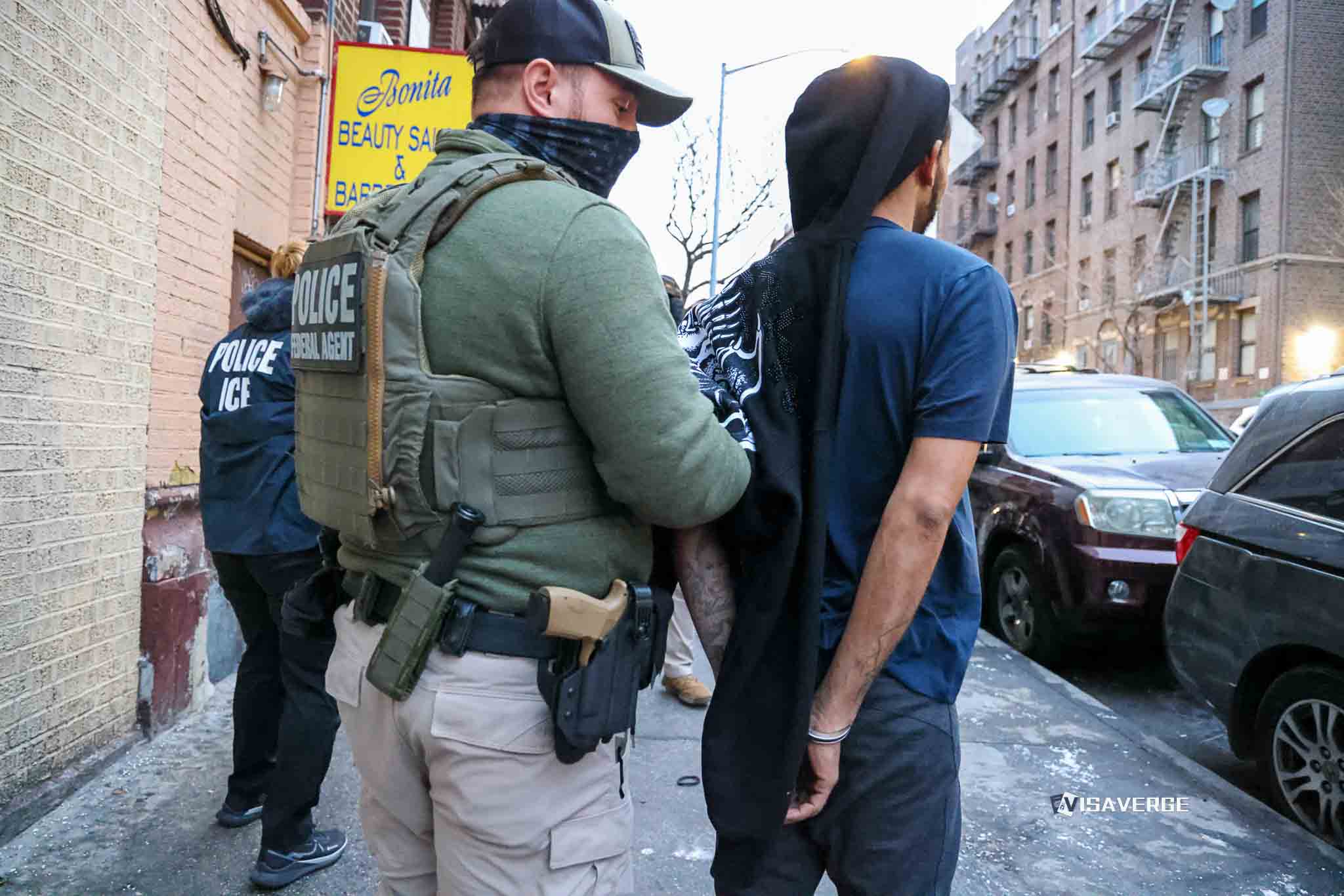
(CHICAGO) An ICE contractor, MVM Inc., held Colombian mother Valentina Galvis and her baby inside rooms at the Sonesta O’Hare hotel for five days in June 2025, according to hotel staff and call records. She was released in July 2025. The case raises new questions about hotel use as off-site detention during periods of heavy enforcement.
What happened at the Sonesta O’Hare
- Galvis says she wasn’t told why she was detained at the hotel or how long it would last.
- She reports officers blocked her from making any phone calls, including to family or a lawyer.
- Hotel management later said they didn’t know detainees were confined on-site.
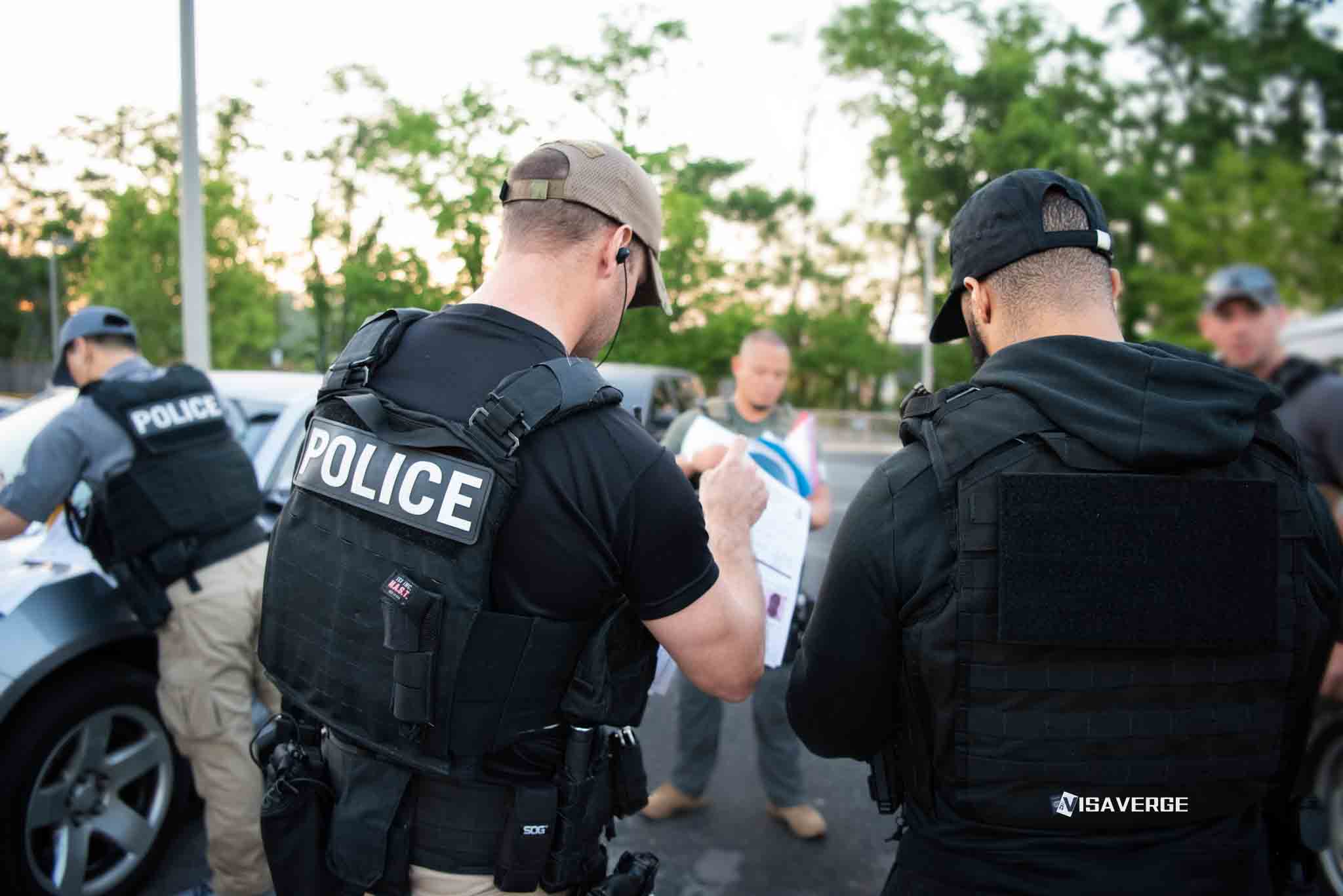
Under ICE’s temporary housing standards, updated in April 2025, hotels may be used “due to exigent circumstances,” such as travel delays or lack of other bed space. But those rules also require that detainees be:
Free toolUSCIS Receipt Number Decoder- told the reason for hotel placement and the expected time of stay,
- informed of their right to file a complaint,
- given “unlimited” unmonitored phone access to family, friends, and lawyers.
Galvis’s account — of no calls and no grievance information — suggests potential violations of those standards.
MVM Inc. and the hotel response
MVM Inc., a long-time federal contractor that moves and temporarily houses detainees, has often booked rooms near major airports to stage transfers. Reservations at Sonesta O’Hare in June and July 2025 confirmed MVM activity there.
| India | China | ROW | |
|---|---|---|---|
| EB-1 | Feb 01, 2023 ▲109d | Jul 01, 2023 | Current |
| EB-2 | Nov 01, 2013 | Oct 01, 2021 ▲30d | Jan 01, 2025 |
| EB-3 | Jan 01, 2014 | Jan 08, 2022 ▲7d | May 15, 2024 ▼109d |
| F-1 | Jan 22, 2020 | Jan 22, 2020 | Jan 22, 2020 |
| F-2A | Sep 22, 2026 ▲31d | Sep 22, 2026 ▲31d | Sep 22, 2026 ▲31d |
- Sonesta general manager Sandra Wolf said she was unaware of any confinement.
- Sonesta’s corporate statement stressed the company follows the law and does not condone illegal behavior, but the company would not disclose rates or contract terms with MVM.
- Staff at Sonesta properties near Atlanta and Los Angeles told callers that MVM reservations are common, while managers often denied knowing about detainee confinement inside guest rooms.
Why this matters now
Detention levels in 2025 have pushed capacity limits. ICE’s contractual capacity stood at 62,913 beds as of April, with 48,056 people held on a single night. As beds tighten and travel schedules slip, temporary hotel holding has expanded.
This approach can be faster and more flexible than moving people to distant facilities, but it operates with thin oversight:
- Rooms lack on-site legal aid and community monitors.
- Standard detention safeguards may not be in place.
- Medical care and basic supplies can be uneven.
Rights at risk in hotels
Key rights ICE policy requires but which may be compromised in hotel settings:
- Information: People must be told why they’re there and for how long.
- Communication: People must have open, unmonitored calls to family and lawyers.
- Complaints: People must be told how to file grievances and how to reach oversight lines.
Galvis says none of these happened. For a parent with an infant, isolation compounds risk: access to medical care, formula, diapers, and sleep can be uneven in contractor-overseen hotel rooms.
Reactions from civil rights groups
The American Civil Liberties Union (ACLU) and the National Immigrant Justice Center (NIJC) have filed federal court actions this year targeting ICE practices they say violate the Constitution, including warrantless arrests and lack of due process.
- They argue hotel detention blurs the line between lawful custody and hidden confinement, making it hard for lawyers and families to locate clients or check conditions.
- Community groups in Chicago have pressed for more transparency from contractors and hotel chains.
“Hotel detention blurs lines between lawful custody and hidden confinement,” advocates say, making oversight and legal access difficult.
What people can do now
- Call DRIL: Reach ICE’s Detention Reporting and Information Line at 1-888-351-4024 to report denied phone access, withheld grievance forms, or other concerns.
- Document: Keep records of dates, times, staff names, and room numbers when possible. Written notes help lawyers press for relief.
- Seek legal help: Contact the National Immigrant Justice Center or local ACLU offices. They track hotel cases and can request urgent access.
- Ask for supervision options: For families, lawyers can push for release on recognizance or supervision programs while cases proceed.
Policy context and what comes next
Supporters of hotel use say it prevents backups when flights delay or beds run short, describing hotels as a short-term bridge with basic amenities. Critics say that without clear rules, on-site monitors, and open phone lines, hotel rooms can become hidden holding cells.
- VisaVerge.com reported that past cycles of high enforcement spurred contractors to improvise housing near hubs, often with little public notice.
- Ongoing lawsuits may force changes: plaintiffs seek stricter compliance with due process and reporting rules, including regular disclosures about when and where hotels are used.
- Advocates want Congress to require public logs of hotel placements, contractor names, and average length of stay, plus audits comparing hotel practices to ICE policies on phone access, grievances, and medical care.
How a case like Galvis’s can unfold
- Arrival and transfer: After airport screening or custody transfer, a contractor moves a person to a nearby hotel when flights or bed space fall through.
- Placement: The person is put in a room with contractor guards at the door; phones may be controlled by staff.
- Information gap: If staff don’t give written rights notices, the person may not know they can call, file a complaint, or ask for a lawyer.
- Release or move: After days, the person is either released, put on a flight, or transferred to a detention center.
Key questions for contractors and hotels
- Are detainees told their rights in the person’s preferred language?
- Do rooms have working phones with unmonitored calling allowed?
- Are parents supplied with infant care items on demand?
- Is there a log of every hotel stay, with times in and out?
- Do hotels provide a way for guests or staff to report concerns without fear of retaliation?
One official resource to check is ICE’s public detention standards page, which includes guidance on temporary housing and detainee communication. People can review standards for phone access and grievances on the ICE website to compare policy to practice.
What families should remember
- You have the right to call a lawyer and loved ones. If blocked, ask to speak with a supervisor and note the name and time.
- You have the right to file a grievance. Ask for instructions in writing and request translation if needed.
- Medical needs, including for infants, must be addressed. Ask for care in writing and keep copies of any responses.
Community impact in Chicago and beyond
Stories like Galvis’s spread quickly through immigrant communities. Fear grows when people hear about hidden detention sites near airports and the chance of being held without explanation. Local organizers in Chicago say these practices make people skip medical appointments or avoid flights, even for humanitarian travel. The effect stretches far beyond any single hotel.
Practical next steps (summary)
- If you suspect a loved one is in hotel detention, call DRIL, then contact NIJC for legal help. Keep a written timeline of every call and response.
- Ask for proof: request the written reason for hotel placement and the expected end time.
- Press for access: demand unmonitored calls and note any denial. Share details with a lawyer as soon as possible.
There’s no sign yet of official policy changes as of August 7, 2025, but mounting legal pressure and public attention could force clearer rules, more reporting, and outside checks. For families like Valentina Galvis’s, simple measures — clear rights notices, working phones, and direct legal access — would turn closed doors into fair process. Until then, careful documentation, quick legal contact, and persistent reporting remain the most effective tools to hold MVM Inc., ICE, and partner hotels, including Sonesta O’Hare, to their written standards.
This Article in a Nutshell