(MANHATTAN) A federal judge in New York issued a temporary order on August 12, 2025, directing the Trump administration to fix reported abuses inside an ICE detention unit on the 10th floor of 26 Federal Plaza. The order follows sworn accounts from detainees who said they were kept in crowded cells for days or weeks without showers, medication, or clean clothes, slept on concrete floors, were left hungry, and had no way to reach the outside world.
The court’s mandate includes a clear requirement: within 24 hours of being taken into custody, detainees must be able to make free, unmonitored, and confidential calls to their lawyers.
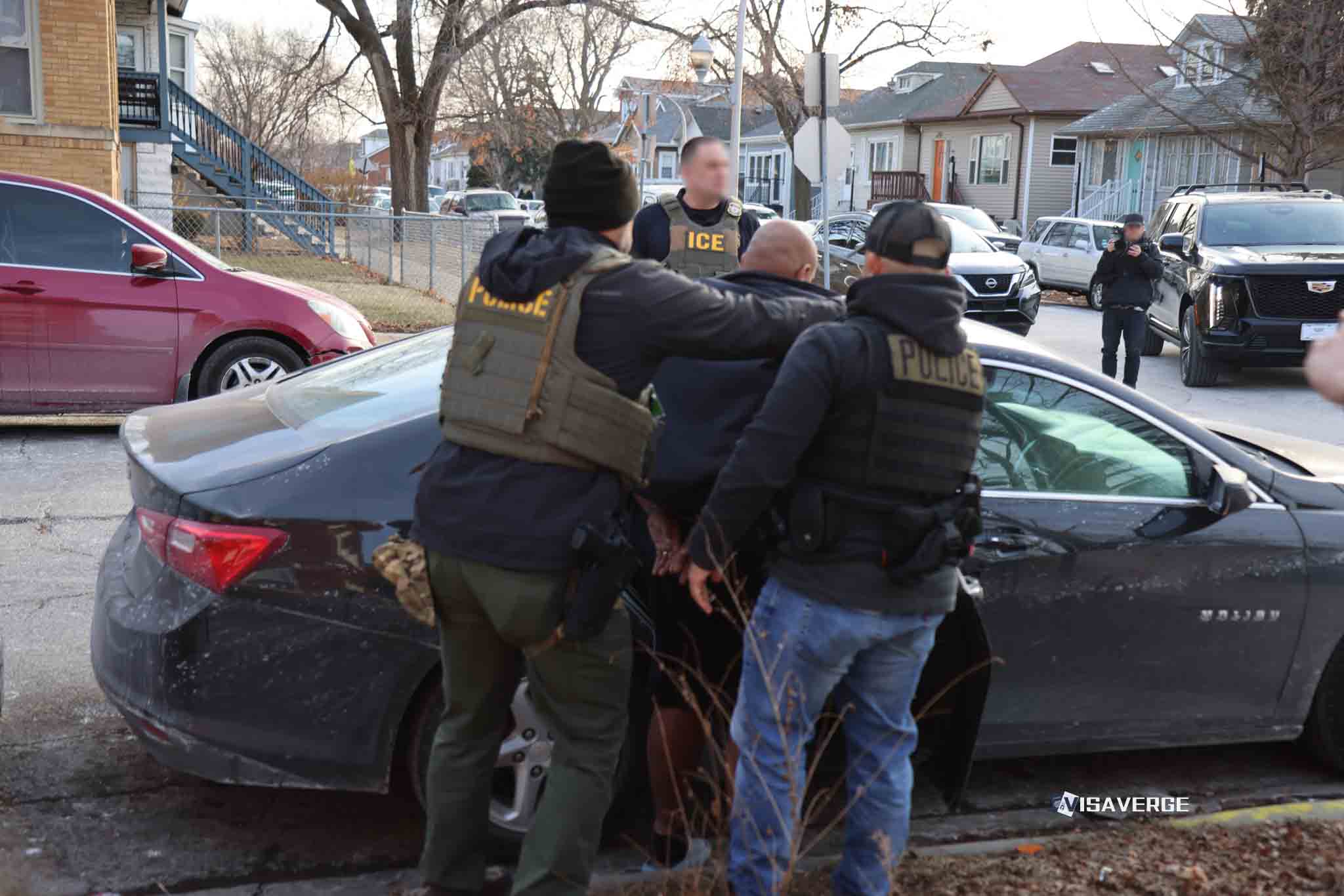
Families lined up outside 26 Federal Plaza said they worry about loved ones going in for a check-in and not coming out. Some described not knowing where a relative was taken for days, a gap the judge’s order now seeks to close.
Free toolUSCIS Receipt Number DecoderCourt Order Targets Manhattan Detention Site
The New York court’s emergency action addresses conditions lawyers and advocates have called “deplorable.” People described cold cells with bright lights, empty meal trays, and no contact with counsel.
The judge’s order on August 12, 2025 makes access to a private legal call an immediate right, not a favor. For many, that single call can:
– Change the course of a case
– Let a parent tell a child they are safe
– Help a doctor coordinate needed medication
Online claims about a Trump supporter held in ICE detention at 26 Federal Plaza saying, “We’re all brainwashed,” could not be confirmed as of publication. No official records or verified reports supported that account. Still, the court’s action and witness statements describe a setting where frustration and fear are common, and where political loyalties matter less than whether people can reach a lawyer and get basic care.
For relatives trying to locate someone who did not return from an interview or court hearing, ICE maintains the official detainee locator at the following page: https://locator.ice.gov/odls. The tool can help families find a person’s current facility inside the ??. While it does not fix poor conditions, it can shorten the time a family spends in the dark.
The order arrives as the government moves more people through New York City than in recent years. Lawyers say the Manhattan complex sees “walk-in” arrests during routine appointments. Advocates argue a federal building used for benefits, interviews, and court hearings should not hold people for days in conditions more like a jail.
Detention Footprint and Policy Direction
The Trump administration has sharply increased detention capacity since early 2025.
Key policy and scale changes:
– In July 2025, President Trump signed a tax cut and policy bill that set aside $45 billion over four years to expand immigration detention centers.
– According to analysis by VisaVerge.com, ICE is now using 432 facilities nationwide, up from 315 before President Trump’s second inauguration.
– At least 45 of those sites had not held immigrants for over a decade before being reactivated.
The new funding supports:
– Reopening shuttered sites
– Turning local jails and federal prisons into immigration lockups
– Hiring private companies to run beds
– Plans to reopen a prison north of Denver, Colorado, for ICE detainees
This buildout blurs the line between criminal incarceration and civil immigration enforcement. ICE detention is civil, not criminal, and many people held have no criminal record. Yet the facilities used, the routines inside them, and limits on contact with the outside world often mirror jail. That mix raises hard due process questions, especially when a person is picked up at a routine check-in and then moved far from home.
Advocates, public defenders, and medical groups say the system’s rapid growth has outpaced basic standards. They point to recurring reports of untreated illness, language barriers, and delays in reaching lawyers. The judge’s 26 Federal Plaza order tries to answer one piece of that puzzle by guaranteeing a prompt, private legal call — but broader concerns remain.
Areas drawing scrutiny
- Legal access: Delays reaching counsel can cost someone a chance at bond or a defense.
- Health and safety: Crowded cells and lack of medication heighten physical and mental health risks.
- Transfers: Moving people far from their families breaks support networks and hurts case preparation.
- Transparency: Families may not know where someone is for days, even with the locator tool.
ICE and the Trump administration have not publicly responded to several detailed questions about the Manhattan order or the national expansion. Officials have framed the buildout as necessary for strict enforcement and border security. Federal judges, meanwhile, are stepping in more often to set minimum standards inside facilities and to protect attorney-client access during the first critical hours after arrest.
Policy experts note a pattern: when facilities scale up fast, conditions tend to slip and courts then impose guardrails. Some legal scholars warn a detention-first approach risks violating human rights and basic due process. Others call for wider use of alternatives to detention, which can keep people in their communities while cases move forward — at far lower cost.
Human impact and next steps
Behind the statistics are individual stories:
– A cook picked up at a routine appointment
– A college student stopped after a hearing
– A parent who disappears for days from 26 Federal Plaza without a chance to call
For these families, the new rule on private legal calls within 24 hours is more than text in an order. It can be the difference between panic and a plan, between guessing and getting legal help.
The judge’s order requires immediate fixes but does not spell out long-term reforms. The administration’s plan to add beds, reopen old sites, and expand contracts suggests the number of people held will keep rising. That implies increasing pressure on:
– Legal access
– Health care inside facilities
– Courts that review conditions
The court has made one thing clear at 26 Federal Plaza: access to a free, private, and confidential call to a lawyer within the first day of custody is not optional.
Practical steps for families and advocates:
1. Try the official ICE locator: https://locator.ice.gov/odls
2. Press facility staff for the required private legal call.
3. Document any denials or obstacles.
As the national detention footprint grows, the struggle over basic rights inside these buildings is likely to grow with it.
This Article in a Nutshell
A judge’s August 12, 2025 order demands private lawyer calls within 24 hours at 26 Federal Plaza, responding to reports of crowded cells, no showers, medication gaps, and isolation, amid a national ICE expansion to 432 facilities funded by a $45 billion program reshaping detention practices and legal access.