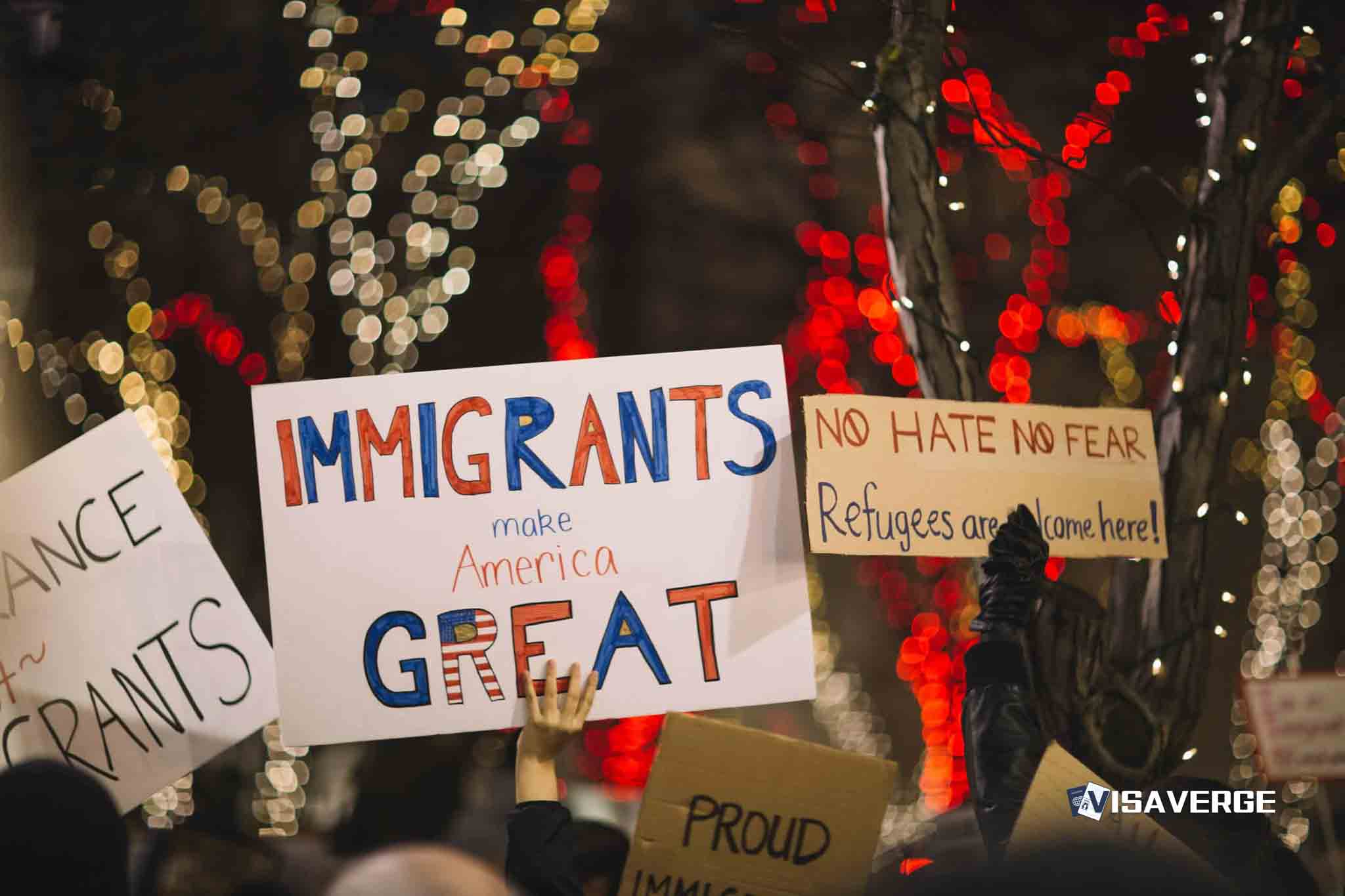
Black and Brown solidarity is reshaping the immigration debate in the United States, pushing back against President Trump’s 2025 push for intensified enforcement and Mass Deportations. Civil rights lawyers, local organizers, and faith leaders say this cross‑community effort is countering attempts to racialize immigration enforcement and divide minority groups.
The administration frames its plan as necessary for security and the economy, while advocates warn that aggressive raids, “internal” family separations, and new penalties hit Black and Brown immigrants hardest. With reports of stepped‑up detention and removals this summer, the question is no longer whether enforcement is expanding, but how communities respond—and whether Black and Brown solidarity can blunt the broader effects on families, schools, and local economies.

The Administration’s Push: Scope and Key Measures
At the center of the policy shift is what officials call the “largest deportation program in American history.” The plan includes several major components:
Free toolUSCIS Receipt Number Decoder- Expanded expedited removal to speed deportations without full immigration-court proceedings.
- Wider information‑sharing with police, increasing local involvement in immigration checks.
- Efforts to limit relief that has historically protected long‑time residents.
Key consequences and measures include:
- Ending Temporary Protected Status (TPS) for multiple countries, placing nearly 700,000 long‑time residents at risk.
- New rules requiring immigrants to register with the government starting April 2025.
- Fines of up to $5,000 for unlawful border crossings, including for people who later seek asylum.
- Suspension of the CBP One app, narrowing formal pathways for people who tried to follow official procedures.
Policy Escalation and Community Response
Advocates say the enforcement push is extending well beyond federal agents. The administration is drawing state and local police deeper into immigration checks and threatening jurisdictions that limit cooperation.
- For mixed‑status neighborhoods—especially those with Afro‑Caribbean, African, and Latino families—routine stops can now lead to immigration holds and fast‑track removal.
- Officials deny a return to formal “family separation,” yet August 2025 reports describe “internal separation” tactics that remove children from parents inside custody to pressure families into signing for deportation.
- That practice, distinct from but reminiscent of zero tolerance, has stirred fresh trauma in communities already wary of contact with authorities.
In response, Black and Brown solidarity networks are building wider coalitions that join immigrant‑rights groups with racial‑justice organizations. Their work focuses on shared experiences with profiling, detention, and forced displacement.
Actions communities and organizations are taking:
- Civil rights groups such as the ACLU are filing lawsuits to challenge expanded expedited removal and coercive tactics.
- Grassroots groups are offering know your rights education, pop‑up legal clinics, and rapid‑response hotlines.
- Trained volunteers verify raids and connect families to lawyers during enforcement actions.
According to analysis by VisaVerge.com, these networks bridge legal defense teams and grassroots groups, ensuring families get fast, credible information during fast‑moving enforcement actions.
Local Protections and Community Support
Many local leaders are trying to limit fear and keep schools, hospitals, and shelters accessible to all. Even as official “sanctuary” labels shrink under federal pressure, cities and counties are taking concrete steps:
- Funding legal defense for detained residents.
- Issuing guidance that limits questions about immigration status in public services.
- Training staff to avoid unnecessary calls to immigration authorities.
Community actions also include:
- Black and Brown clergy and small‑business owners hosting rights workshops in churches and storefronts.
- Offering live interpretation and child care so families can attend safely and leave with a basic plan in case a parent is detained.
Legal Fights, Local Resistance, and Human Impact
Lawyers warn that expanded expedited removal exposes more people to fast deportation with limited access to counsel. For people who qualify for TPS or asylum but cannot present paperwork quickly, the risk is immediate.
- The end of TPS for several nationalities threatens removals and disrupts workplaces and housing markets.
- TPS holders often pay rent, own property, and support relatives; removing those protections without transition plans risks pushing families into crisis and deepening labor shortages.
For official background on TPS eligibility and countries, see the U.S. Citizenship and Immigration Services’ Temporary Protected Status page: https://www.uscis.gov/humanitarian/temporary-protected-status
The new fines and registration rule add financial and legal pressure at the border and inside the country:
- A $5,000 penalty can erase a family’s savings.
- Combined with bond, attorney fees, or loss of work during detention, the financial burden can be catastrophic.
- Community lenders and mutual aid funds—many led by Black and Brown organizers—are covering emergency costs for groceries, rent, and travel to court.
Rights educators urge practical steps:
- Carry identification.
- List emergency contacts.
- Avoid signing documents that are not understood.
- Remember the right to remain silent and to speak with a lawyer, even in fast‑moving custody settings.
Officials argue stepped‑up enforcement will deter unlawful entries and remove people with criminal convictions. Civil rights groups counter that a dragnet approach will sweep in parents, workers, and students with no violent history, and that racial profiling is likely when local police act as immigration gatekeepers.
Current litigation is testing:
- The limits of detention and expedited removal.
- Tactics that pressure parents to “consent” to deportation to reunite with children.
The outcomes could set the legal boundaries for the promised expansion of removals.
On-the-Ground Stakes and Solidarity in Action
The immediate human consequences are stark and simple:
- A home raid can separate a breadwinner from a child overnight.
- A traffic stop can end in detention.
- A school pickup can be the last moment a parent sees a child before transfer to a distant facility.
In these moments, Black and Brown solidarity becomes operational—not just a slogan but a living network:
- Finding lawyers and alerting schools.
- Providing meals and material support to families with missing parents.
- Helping families stay stable enough to fight their cases and demand fair treatment.
Organizers say the goal is to keep families together and informed, even when policies and procedures are stacked against them.
What’s Ahead
The months ahead likely mean:
- More arrests and court fights.
- Increased strain on local services.
- Expanded federal‑local enforcement partnerships despite pushback.
At the same time, cross‑racial coalitions are growing. They include:
- Labor unions.
- Student groups.
- Health providers who see the fallout in clinics and classrooms.
As policies shift, the people most affected—often Black and Brown immigrants with deep roots—will rely on these alliances to:
- Stay informed.
- Stay safe.
- Keep their families together.
Key takeaway: Black and Brown solidarity is building legal, social, and grassroots defenses to blunt an escalated enforcement agenda that risks destabilizing families, local economies, and public services.
This Article in a Nutshell
Black and Brown solidarity is mobilizing against the 2025 mass‑deportation agenda. Legal teams, clergy, and volunteers provide rapid responses, document raids, fund emergency relief, and pursue litigation to protect TPS holders, families, and community services under intensified expedited removal and local enforcement partnerships.