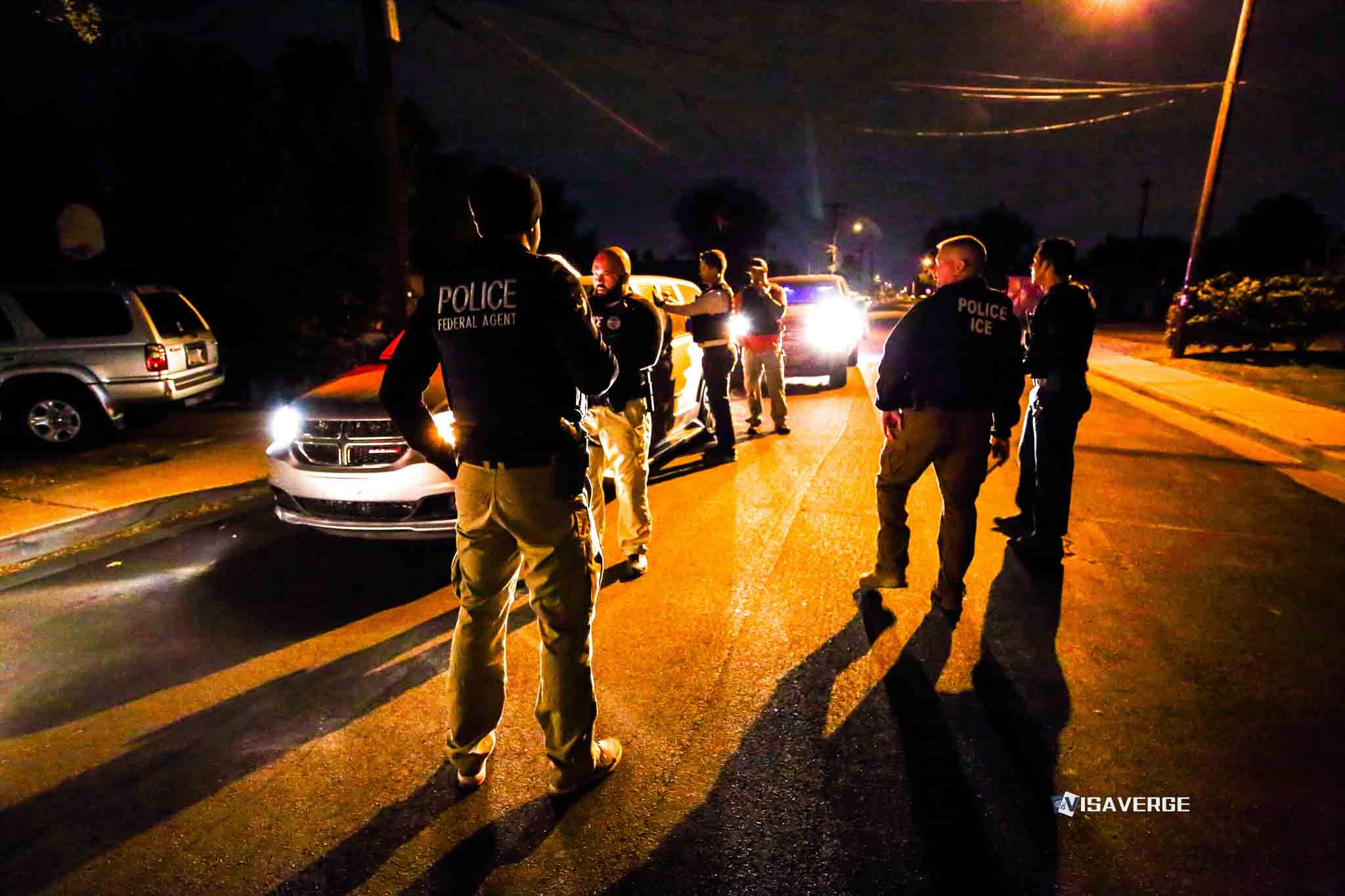
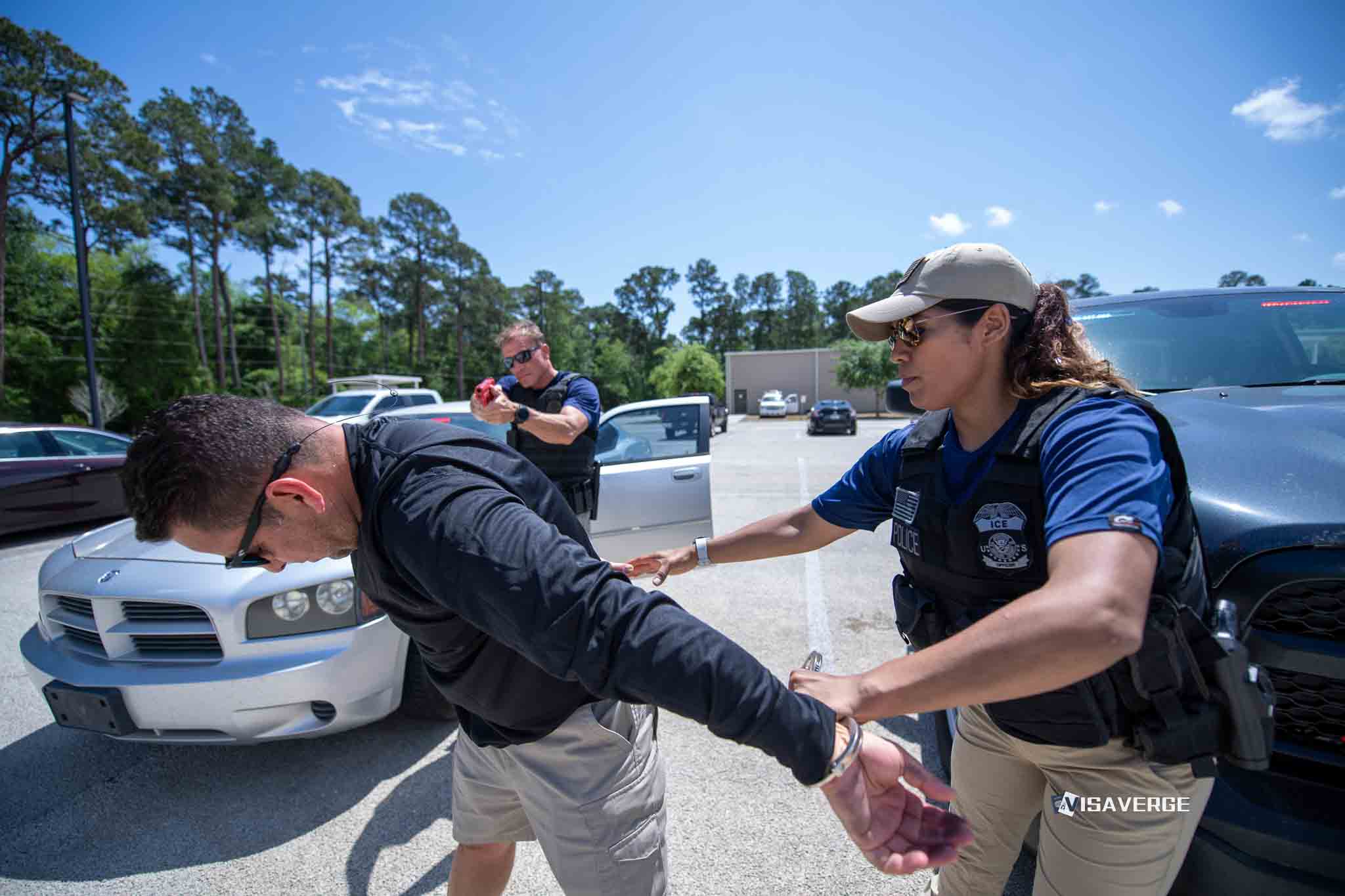
On September 20, 2026, ICE agents mistakenly detained a U.S. citizen during a targeted enforcement operation in Evanston, Illinois, according to local police and federal accounts. Evanston police documented injuries to the man’s head, neck, and teeth, and DHS said agents released him after confirming his identity.
- Evanston police said officers responded at about 9:49 a.m. on September 20 to a report of two men arguing and found the man on the ground with bystanders assisting him.
- A federal agent told police that agents detained the man for fingerprinting after he refused to provide identification; they realized he was not their target and was a U.S. citizen after identifying him.
- On September 20, DHS said the person resembled the target, that agents identified themselves as law enforcement and gave lawful commands, and that they left after he identified himself. NBC News reported on September 22 that verified video showed the man on the ground.
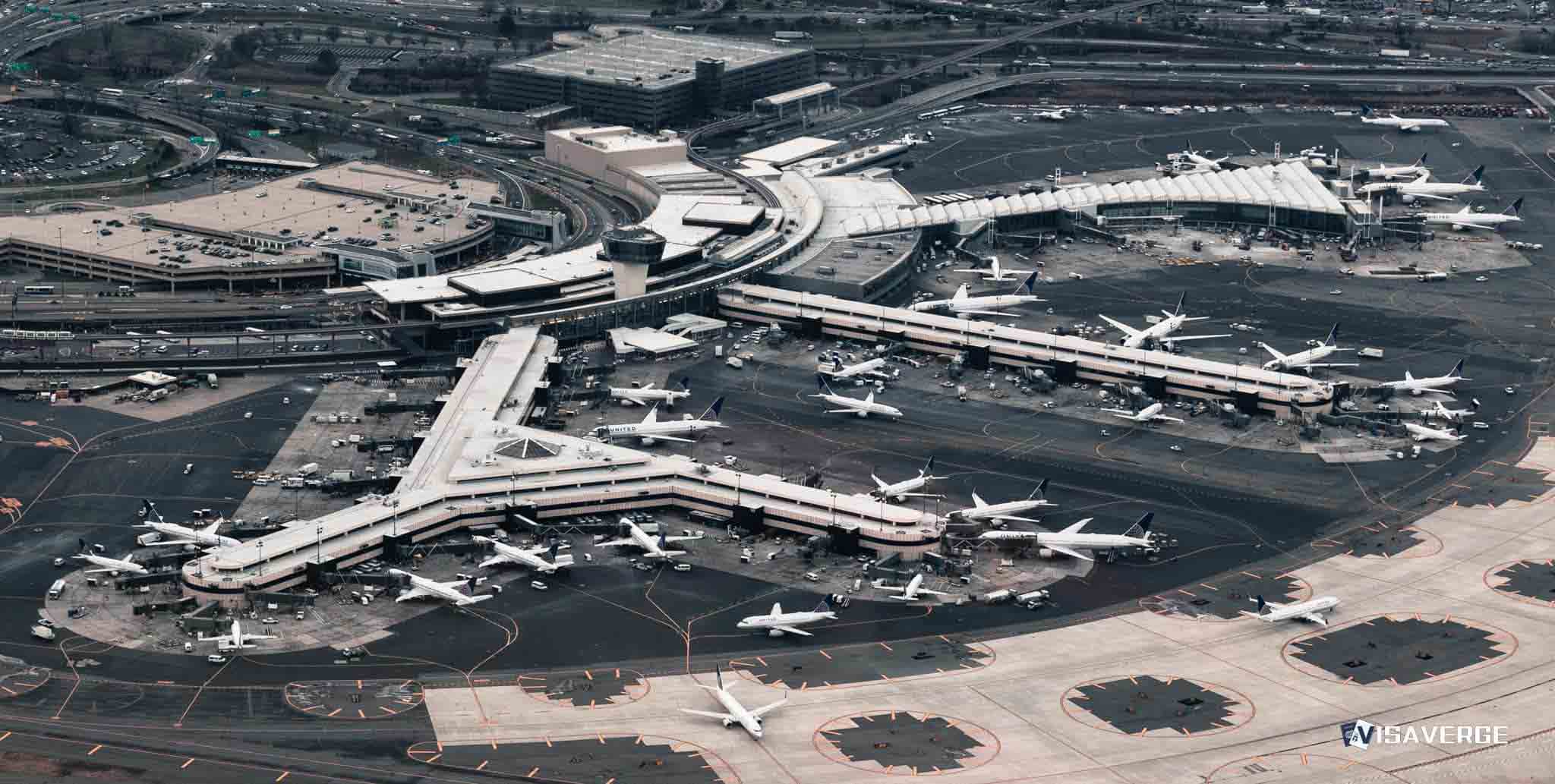
- ICE agents wrongfully detained a U.S. citizen at Hartsfield-Jackson Atlanta International Airport due to mistaken identity.
- Despite passing multiple security and facial recognition checks, John Phillips was handcuffed at the boarding gate.
- Advocacy groups and lawmakers are calling for investigations into federal boarding gate procedures and probable cause standards.
ICE agents detained John Phillips, an American citizen from Cartersville, Georgia, as he boarded a flight at Hartsfield-Jackson Atlanta International Airport, after he had cleared TSA screening, shown identification and passed facial recognition. The encounter ended when officers determined they had stopped the wrong man.
Phillips said the detention happened Sunday, August 9, 2026, at Gate B16 as he prepared to board Delta Flight 0466 to Las Vegas. He had been told to wait and board last while the airline worked on a seat upgrade.
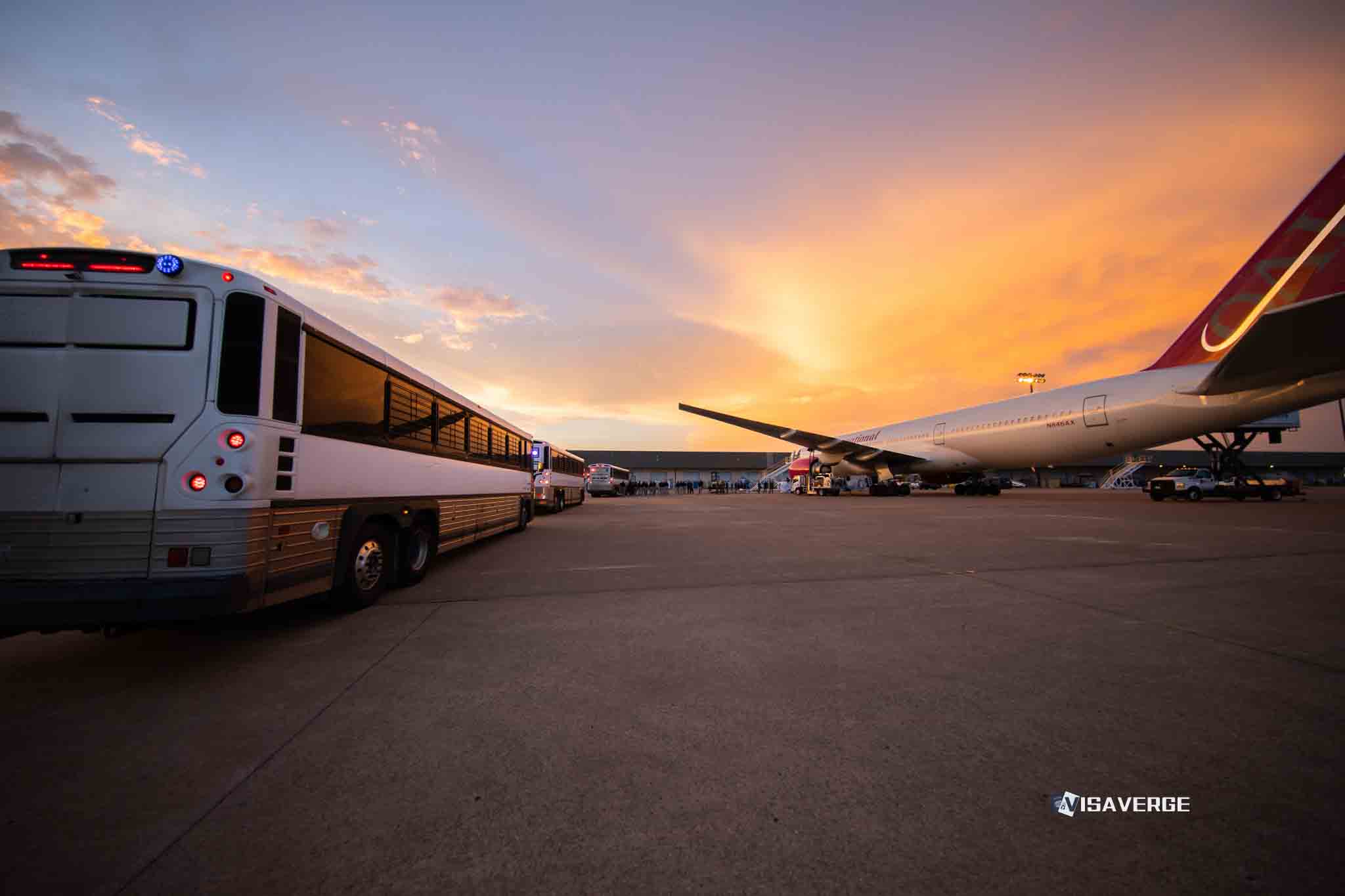
Three officers wearing tactical gear stopped him in the jet bridge, pinned him against a wall and put him in handcuffs, Phillips said. He told them repeatedly that he was a U.S. citizen.
The detention lasted about five minutes. Officers then found his Georgia identification and showed him a photograph of the man they were seeking.
“I’ll never approach a door of an aircraft without wondering if there’s guys standing back there,” Phillips said.
Phillips said the other man was from England and had the same name and date of birth. He said the two men looked different apart from both being white.
Officers released Phillips after checking his Georgia identification
Phillips said officers asked for his name and birthday while he was restrained. In a separate account, he said they also questioned him about where he was born, including the hospital.
He said the experience left him shaken and made an ordinary part of air travel feel threatening. Phillips also questioned how officers could mistake him for someone else after multiple airport screening steps.
“I just am flabbergasted that all of the security that we have at the airport, that they don’t know that I am the John Phillips that lives in Georgia and is not an English guy,” he said.
The airport screening process did not prevent the encounter at the boarding gate. Phillips had already passed TSA, shown identification and completed facial recognition before officers approached him.
The incident occurred as federal immigration officers maintained a presence at major U.S. airports. Since March 2026, ICE personnel have been visible at 14 major airports, including Atlanta, New York’s John F. Kennedy International Airport and Houston.
Officials described that deployment as assistance with staffing and security during busy periods. Atlanta Mayor Andre Dickens previously said officers were assigned to “operational needs, like line management and crowd control,” and were not intended to “engage in immigration enforcement on this deployment.”
Attorney says a matching name did not establish probable cause
Immigration attorney Charles Kuck said officers still need probable cause to arrest someone. A shared name and birth date, he said, did not meet that standard.
“There is no probable cause here. A matching name and birth date is not probable cause,” Kuck said.
Kuck also raised concerns about airport security false positives and the use of redress numbers, which help address identity problems in travel screening. He described the broader enforcement approach as one in which “there are no minor things.”
The detention has prompted advocacy groups and local lawmakers to call for an investigation into the procedures used at domestic boarding gates. Social media posts about the encounter also drew concern from travelers over the use of tactical gear and handcuffs after a passenger had cleared airport screening.
ICE describes a brief encounter during an enforcement effort
U.S. Immigration and Customs Enforcement confirmed that officers encountered Phillips during an ongoing enforcement operation. The agency said officers relied on investigative leads and available identifying information.
“ICE conducts targeted enforcement actions based on investigative leads and available identifying information,” the agency said. Officers “promptly released him” after “additional verification determined the individual was not the person sought.”
The department said officers kept the encounter outside public view to reduce disruption at the airport and protect Phillips’ privacy. It also said enforcement actions must be conducted professionally, lawfully and with appropriate safeguards.
ICE declined to discuss specific investigative details or information about people who are not taken into custody, citing operational and privacy reasons. The agency did not provide further details about the target or explain which identity checks led officers to Phillips.
The encounter followed Operation Safe Community – Atlanta, a statewide enforcement push that concluded August 7, 2026. The operation resulted in 1,226 arrests, including 720 people with criminal convictions or pending charges, according to figures cited in the broader discussion of the enforcement effort.
Patricia Hyde, acting assistant director of ICE Enforcement and Removal Operations, praised that operation in an August 7 statement.
“Our officers did what they do best: they arrested and removed dangerous criminal offenders from American communities,” Hyde said.
The operation’s figures provide context for the heightened federal enforcement presence in Georgia, but ICE’s statement about Phillips characterized his case differently. Officers released him after additional verification showed he was not the person they wanted.
Delta says it is reviewing the episode
Delta said its employees do not control law-enforcement decisions. The airline said its role is to keep flights operating safely and treat customers respectfully.
“Delta employees do not have insight into or control over law enforcement decisions, and our role is to ensure flights operate safely and customers are treated with respect. We are reviewing this event internally and are reaching out to the customer directly,” Delta said.
Phillips said a Delta employee’s instruction to wait and board last placed him in the jet bridge when the officers stopped him. Reports about the incident have raised questions about coordination between airlines and federal agents, although Delta’s statement did not describe any coordination in this case.
He had expected a routine business trip to Las Vegas. Instead, the flight became the setting for an identity error that lasted minutes but continued to affect him after officers let him go.
Phillips said he now approaches aircraft doors with the possibility that officers could be waiting nearby. The investigation requests from advocacy groups and lawmakers will focus on how officers identified him, why they detained him after airport screening and what safeguards applied before he was handcuffed.
This article provides general information and is not legal advice. Consult a qualified immigration attorney about your specific case.