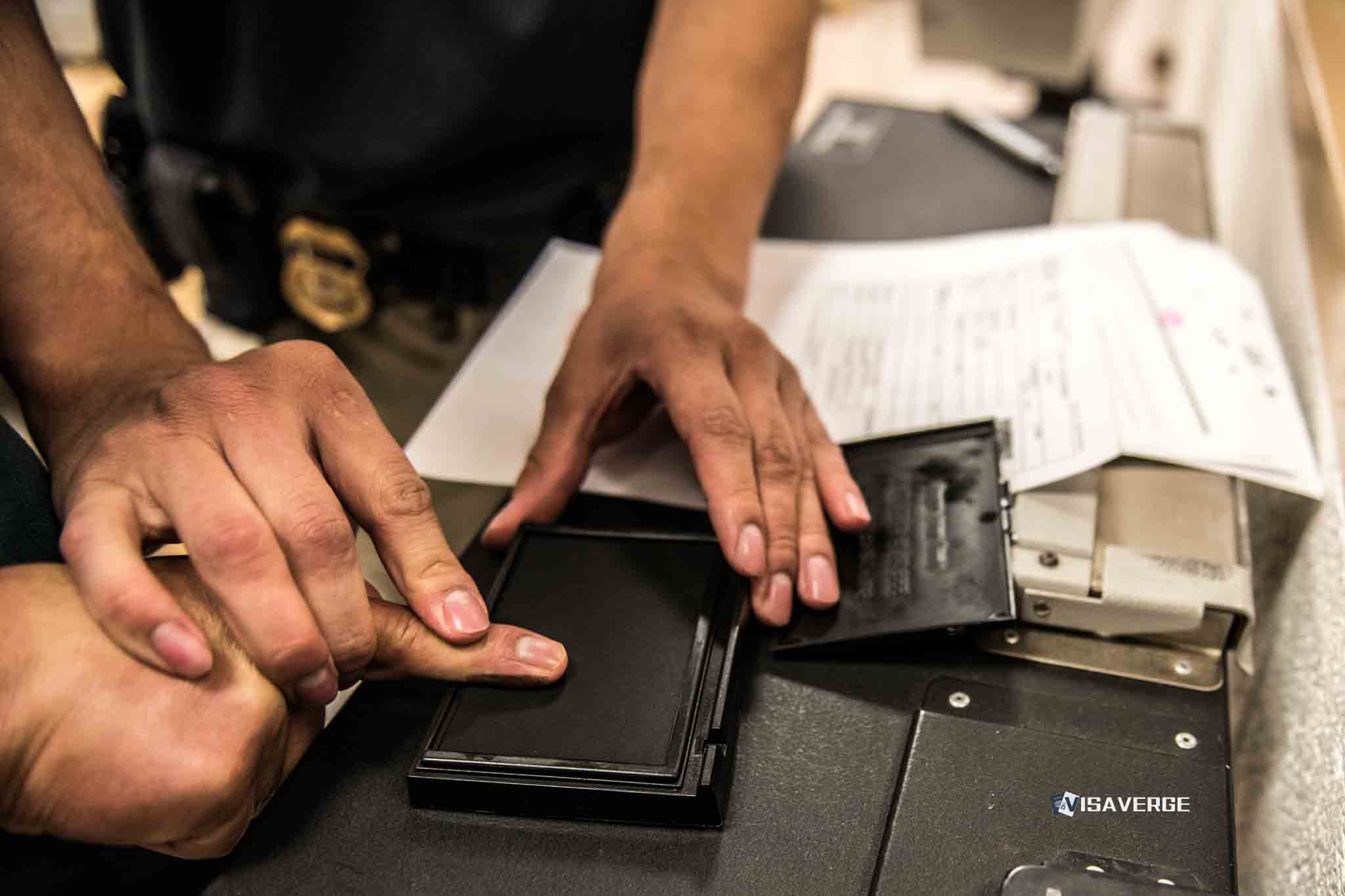
The Trump administration’s termination of Temporary Protected Status for Haitians has left thousands in Springfield, Ohio, without protection from deportation. The Supreme Court upheld the termination in June, affecting about 350,000 Haitians nationwide.
Dozens have been arrested, scores have lost jobs, and some residents have left or stayed inside. The consequences are visible on Main Street.

“Now, we are all struggling. There are no people,” said Arturo Bojhay, owner of El Canario, an auto repair shop. Employers are finding few takers for cooks, dishwashers and babysitters. Some households are cutting electricity use as they worry about bills.
Work permits and driver’s licenses tied to the status have ended. The termination is part of a wider rollback covering immigrants from 13 countries, more than a million people in all.
- About 30 Haitian immigrants are detained by ICE.
- A bipartisan House bill passed in April would restore TPS temporarily.
- Local job data show losses continued into this year, according to preliminary figures.
Lost permits and detentions leave families weighing their next move
Residents pursuing a different legal status have cases in court in Cleveland. About 30 Haitians are currently detained by ICE.
Immigration officers stopped Peterson Nozil in early September as he traveled home from a doctor appointment for his wife, Esther Getan. The couple crossed the U.S.-Mexico border to seek asylum in 2022.
The administration has said Haiti is safe enough for return. The U.S. Department of State maintains a Level 4 travel advisory, its highest level, for the country.
Estimates of Springfield’s Haitian population vary. Figures place it at about 10,000 to 15,000, 12,000–15,000, or 12,000.
Workers and students helped revive a city now losing jobs
About 15,000 people from Haiti had found work in food processing, automotive and warehouse facilities in recent years. The county health department estimated the community grew to 20 to 25 percent of the city over the last decade.
New arrivals from Haiti, Venezuela and Nicaragua helped add thousands of jobs in the Miami Valley after decades of industrial decline that began when factories closed in the 1950s. Springfield’s population decline had stopped.
Federal job reports show the city lost 1,100 manufacturing, leisure and hospitality jobs in 2025, a 2.2 percent contraction. Preliminary data show the slide continuing this year.
Molly Bryden, a researcher with Policy Matters Ohio, said rising transportation and child care costs also help explain Ohioans’ departure from the workforce. She said the timing of local job losses coincided with federal action on TPS.
“We were seeing signs of the revitalizing industry in Springfield but those gains have been moderated by more recent losses that coincide with federal attacks on TPS,” Bryden said. “To have such an important community under threat is really destabilizing.”
Haitian students have also helped reverse years of falling enrollment. The district saw graduation, attendance and overall grading levels rise, even as temporary school closures followed bomb threats in 2024 and earlier this year. The threats came after false statements about immigrants by Donald Trump in September 2024.
More working families brought property-tax dollars to schools and sports programs, which had a budget of nearly $39m in 2024. The high school stadium reopened last month after a $6m renovation.
Wittenberg University President Christian Brady said students, faculty and staff had built strong ties with the Haitian community. He described their contributions as part of the community the university is proud to call home.
An ankle monitor shadowed Pierre Damas Bel’s final weeks
Pierre Damas Bel, 20, arrived in Springfield in 2024 to join his father and stepmother. He entered the United States with government permission through a now-defunct Biden-era program for migrants waiting in Mexico. A family friend said he later received TPS.
Bel was an honors student, soccer player and cadet in a high school program training students to become officers in the U.S. Armed Forces. Wittenberg University recruited him for soccer, but he enrolled in the honors program at Wright State to study physiology and neuroscience. He had completed only a week of college classes.
After TPS ended, ICE ordered him to report to its Cincinnati office and fitted him with an ankle monitor under its Alternatives to Detention program. ICE data show that the number of monitors used in immigration enforcement rose more than 70% in the past year.
Bel wrote on Instagram that he felt “shame and humiliation.” His father said the device made his son feel “like an animal,” and that peers bullied him, “telling him he's a criminal.” Bel also told his family the monitor kept him from playing soccer and ended his eligibility to continue to ROTC.
Viles Dorsainvil, co-founder of a Springfield support center, said Bel was trying to persuade ICE to remove the monitor. “He went twice to the ICE facilities… begging them to remove the ankle monitor,” Dorsainvil said. “He did everything right to be here until they put the tag on him.”
On August 31, Bel called his father at 8:03 A.M. and said he was not feeling O.K. He later walked into traffic on Interstate 70 and was struck and killed by a tractor-trailer. Authorities are investigating whether the death was a suicide.
Bel’s family blamed his despair on the monitor. The Department of Homeland Security did not respond to questions about his case. An ICE spokesperson said: “Remaining in the country illegally, while fighting removal, is a choice. Leaving with a free flight home and $2,600 is also a choice.”
DeWine opposes deportations as aid groups support families
Republican Gov. Mike DeWine has repeatedly warned that deporting Haitians would hurt Ohio. In July, he called it “a blow to Springfield” and “a blow to the state of Ohio.” He said Haitian workers helped the city recover by filling jobs other people had not taken.
A bipartisan bill passed by the U.S. House in April would temporarily restore TPS for Haitians, citing conditions in Haiti. Jennie Murray, president and CEO of the Forum, said abrupt terminations highlight the need for an immigration solution for people who have built lives in the United States and the employers and communities that rely on them.
Archbishop Robert Casey celebrated a solidarity Mass at St. Raphael Church on October 14, 2026. About 170 people attended, including Gov. DeWine and his wife, along with members of several faith and cultural communities.
Local groups are supplying groceries, transportation and financial help to people unable to work or drive legally. The Society of Saint Vincent de Paul’s Springfield region, led by Casey Rollins, also provides legal and material aid.
Marc Joseph, a Haitian immigrant and U.S. Army veteran, works with Catholic Charities Southwestern Ohio to assist families. He and his wife witnessed the killing of her brother in 2019. His older brother was assassinated in 2021, and gang violence killed his aunt and two cousins in 2023.
“Marc brings empathy and determination to his work, quickly recognizing connections between his own experiences and the stories of the people he serves,” said Tony Stieritz, CEO of Catholic Charities Southwestern Ohio.