Key Takeaways
- Haitian immigrants in Springfield face uncertainty due to Trump’s mass deportation plans targeting their community from 2024.
- Misinformation and political rhetoric have heightened tensions, sparking violence and fear within the Haitian population.
- Haitian immigrants significantly contribute to Springfield’s economy, filling essential jobs and supporting local businesses.
The Haitian immigrant community in Springfield, Ohio ??, is facing a challenging time following Donald Trump’s 2024 presidential victory. This significant development has sparked widespread concern among the Haitian population in the area, many of whom fear that Trump’s promises of mass deportations could deeply impact their lives and the broader Springfield community. Let’s explore how these dynamics are affecting the city, its people, and its economy.
Arrival and Growth of Haitian Immigrants in Springfield
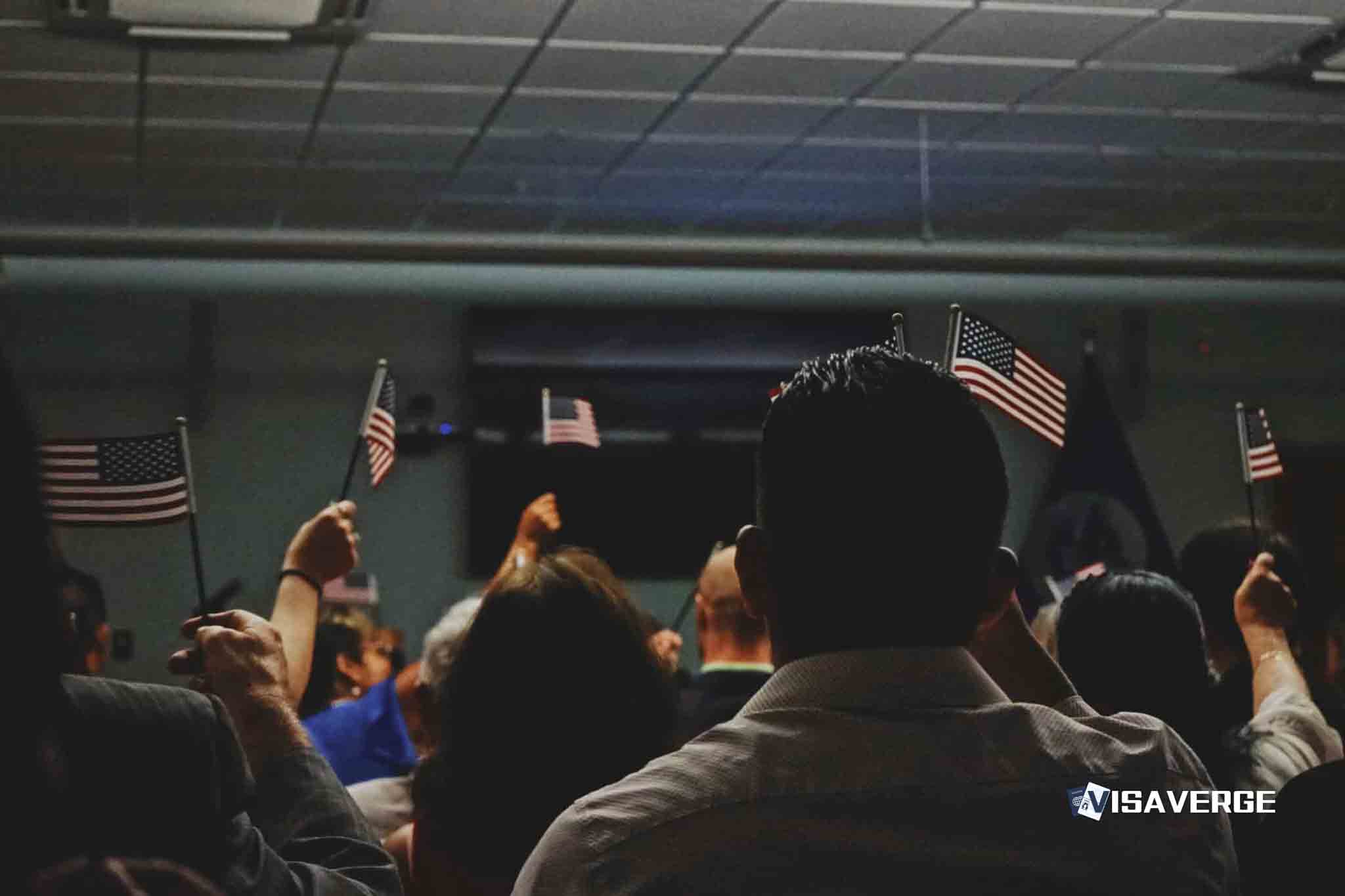
Over recent years, Springfield has witnessed a notable rise in its Haitian population. By 2024, around 12,000 to 15,000 Haitians had settled in the city, contributing to its vibrant, diverse community. These numbers are significant, considering Springfield has a total population of just under 60,000. This influx is largely due to political unrest and violence in Haiti ??, coupled with economic opportunities and humanitarian programs in the United States that have enabled many Haitians to enter the country legally.
This demographic shift has brought both opportunities and challenges to Springfield. On one hand, the immigrant community has invigorated the local economy. Businesses have benefited from Haitian workers filling crucial roles, particularly in manufacturing. Jamie McGregor, CEO of McGregor Metal Plant, praised this contribution, stating that without Haitian workers, many businesses like his would struggle to operate efficiently.
Free toolUSCIS Receipt Number DecoderHowever, the rapid increase in population has also pressured local resources. Schools and hospitals have had to adjust swiftly to meet the needs of Haitian immigrants. Springfield schools now provide English as a Second Language (ESL) programs to help non-English-speaking students. Hospitals are reportedly spending as much as $50,000 monthly on translation services to accommodate Haitian residents. Some long-time Springfield residents express concerns about these strains on the city’s public services.
Political Rhetoric and False Claims
As the Haitian community grew, it became targeted during the heated discussions of the 2024 presidential campaign. Former President Donald Trump and his running mate, Ohio Senator J.D. Vance, made exaggerated claims about the Haitian immigrants in Springfield. One unfounded and damaging rumor that circulated was that Haitians were consuming pets and wildlife. This false narrative, although debunked by local authorities, gained traction through social media, inflaming fears and tensions.
These misleading statements led to an unsettling rise in threats against the Haitian community. In September 2024 alone, Springfield dealt with over 35 threats of violence following remarks made by Trump during a debate. These included bomb threats that necessitated evacuations of schools and hospitals, creating a climate of fear and anxiety.
Despite these challenges, some prominent figures have defended the Haitian community. Springfield Mayor Rob Rue and Ohio Governor Mike DeWine firmly condemned the spread of false information. They acknowledged that while integrating a large immigrant population is challenging, the Haitian community is playing a vital role in revitalizing Springfield’s economy.
Trump’s Deportation Plans and Their Impact
One of Trump’s key promises during his campaign was to conduct mass deportations, which included targeting Springfield as a starting point. This has sparked widespread concern among Haitian residents who are fearful of being forced to return to Haiti, which many had escaped due to dire conditions.
Temporary Protected Status (TPS) and Biden-era parole programs have allowed many Haitians to live and work in Springfield legally. TPS is a form of humanitarian relief provided to those whose home countries are experiencing significant issues, allowing them legal protection in the U.S. With Trump aiming to revoke these protections, thousands of Haitians who have worked hard to build stable lives in Springfield are now facing an uncertain future.
This includes community members like Ketlie Moise, who founded Keket Bon Gout, a Haitian restaurant in Springfield. Following Trump’s election win, her business has struggled due to decreased patronage, stemming from fear or resentment incited by political rhetoric.
The potential deportation of Haitian immigrants poses a significant threat not only to the individuals themselves but also to Springfield’s economy. Haitian immigrants do not only provide essential labor but are also active consumers. They rent homes, purchase goods, and pay taxes, helping stimulate economic growth. Loss of this community would be a substantial setback.
Economic and Social Impact on Springfield
The looming threat of deportations goes beyond affecting just the Haitian community. It risks destabilizing Springfield’s broader economy. Many local businesses have grown reliant on the Haitian workforce to fill jobs that were previously vacant. Losing thousands of workers could lead to decreased production and revenue.
Additionally, Haitian immigrants are integral to the local economic cycle as consumers. They invest in local homes, shop in city stores, and contribute taxes, reinforcing the city’s financial health. Losing a large segment of this population could reverse economic gains and strain an already challenged local economy.
Concerned about these outcomes, individuals like Lindsay Aime, a Haitian immigrant with TPS protection, worry about the economic impact on Springfield. She says, “If you lose good, dedicated workers, all the businesses in Springfield will feel the economic impact.”
Community Efforts Toward Understanding
Despite the uncertainty and challenges facing Springfield, many in the community are striving for understanding and coexistence between long-time residents and new Haitian immigrants. The local NAACP chapter has been proactive in promoting dialogues to bridge these groups.
Denise Williams, president of the Springfield NAACP, stressed the importance of these efforts: “Haitians are not going anywhere. So how do we coexist as one people?” This sentiment reflects growing movements within Springfield to foster a welcoming environment for all, reassuring Haitian immigrants that their presence is valued.
Advocates like Pastor Carl Ruby are working tirelessly to protect and support Haitian residents. While there is significant concern about what Trump’s policies might mean for the community, these advocates urge caution and hope for continued federal protections.
In conclusion, Springfield’s Haitian immigrants have been central to revitalizing the local economy and filling crucial labor shortages. However, they now face an uncertain future under policies focused on reversing immigration measures that allowed them to find a home in the United States. The political landscape in Washington over the coming months will play a significant role in determining the fate of these immigrants and the community they have come to call home.
Understanding the complexities of these issues requires careful attention to facts and a commitment to building bridges rather than walls. Springfield, like many American towns, is a tapestry woven from diverse stories and experiences, with the Haitian community playing a critical role in its narrative. For further reliable information on immigration procedures and policies, you may visit the U.S. Citizenship and Immigration Services website.
Springfield’s future, as reported by VisaVerge.com, highlights the intertwined challenges and opportunities faced by immigrant communities and the regions they enrich. Their resilience, contributions, and the relationships they build are essential parts of America’s evolving identity. How we address these issues as a society will shape the character of communities like Springfield for years to come.
Learn Today
Haitian Immigrant Community: A group of people from Haiti who have settled in a new country, often facing unique challenges.
Mass Deportations: Large-scale removal of individuals from a country, typically due to governmental policy changes or strict immigration enforcement.
Temporary Protected Status (TPS): A U.S. immigration status granted to nationals from countries experiencing significant hardships, offering legal residency protection.
Parole Programs: Immigration measures allowing temporary entry or stay in the U.S. for specific humanitarian or public interest reasons.
Political Rhetoric: Language used by politicians that can influence public opinion, often involving exaggeration or misleading claims.
This Article in a Nutshell
Springfield, Ohio’s Haitian immigrants are caught in uncertainty following Donald Trump’s 2024 victory. This community, vital to the local economy, now fears deportation amidst political promises. Their presence, essential for the city’s growth, faces threat, highlighting the broader struggle between policy changes and community stability in American towns.
— By VisaVerge.com
Read more:
• Therapists Help Immigrants Cope with Anxiety Over Potential Donald Trump Return
• Oklahoma Prison Immigrants Targeted in Trump’s Mass Deportation Plan
• Trump’s Birthright Citizenship Proposal: Impact on Immigrants
• Trump’s New Green Card Rule and Impact on Indian Immigrants
• Trump’s Immigration Plans: Impact on Students & Immigrants