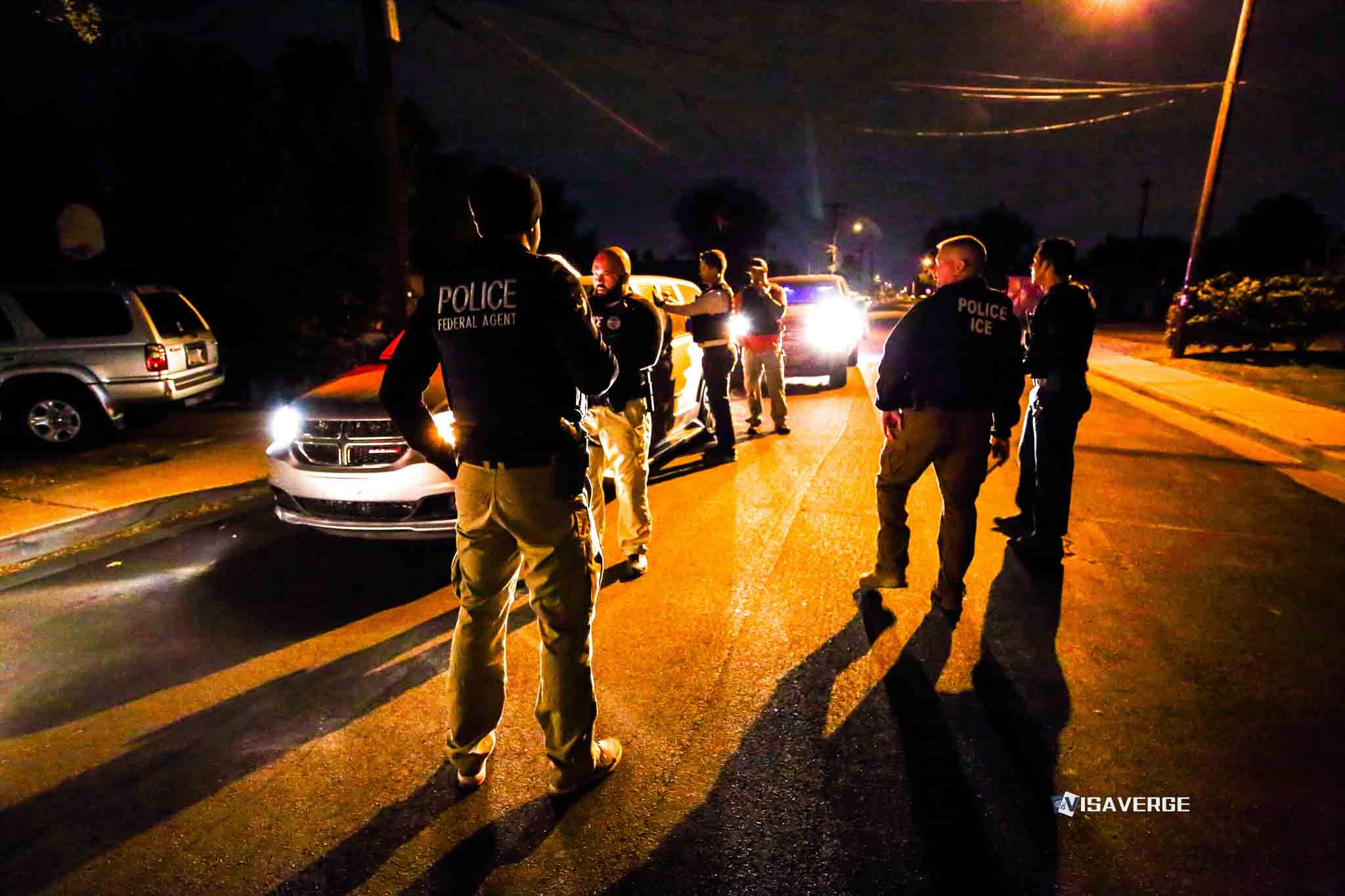
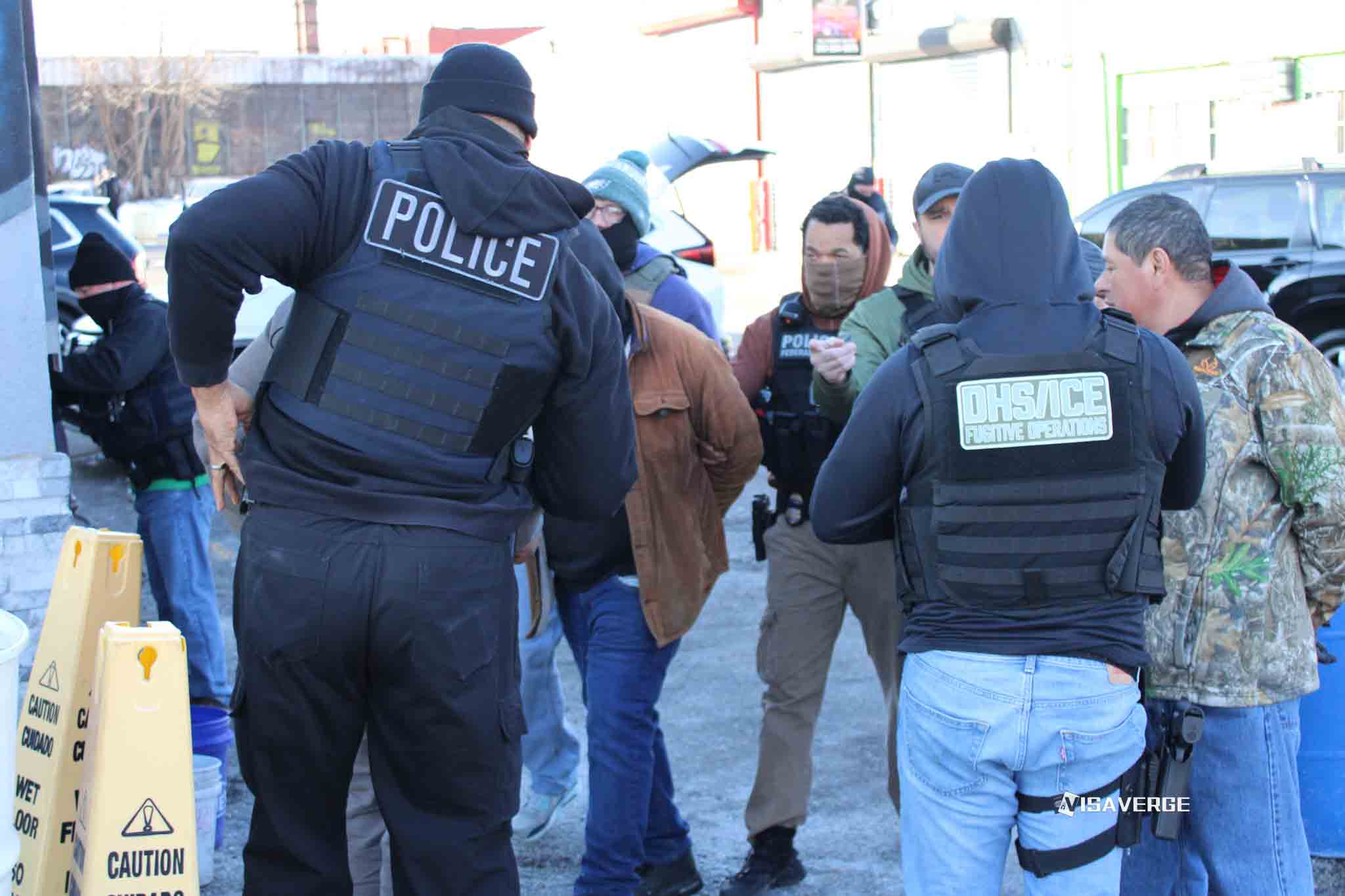
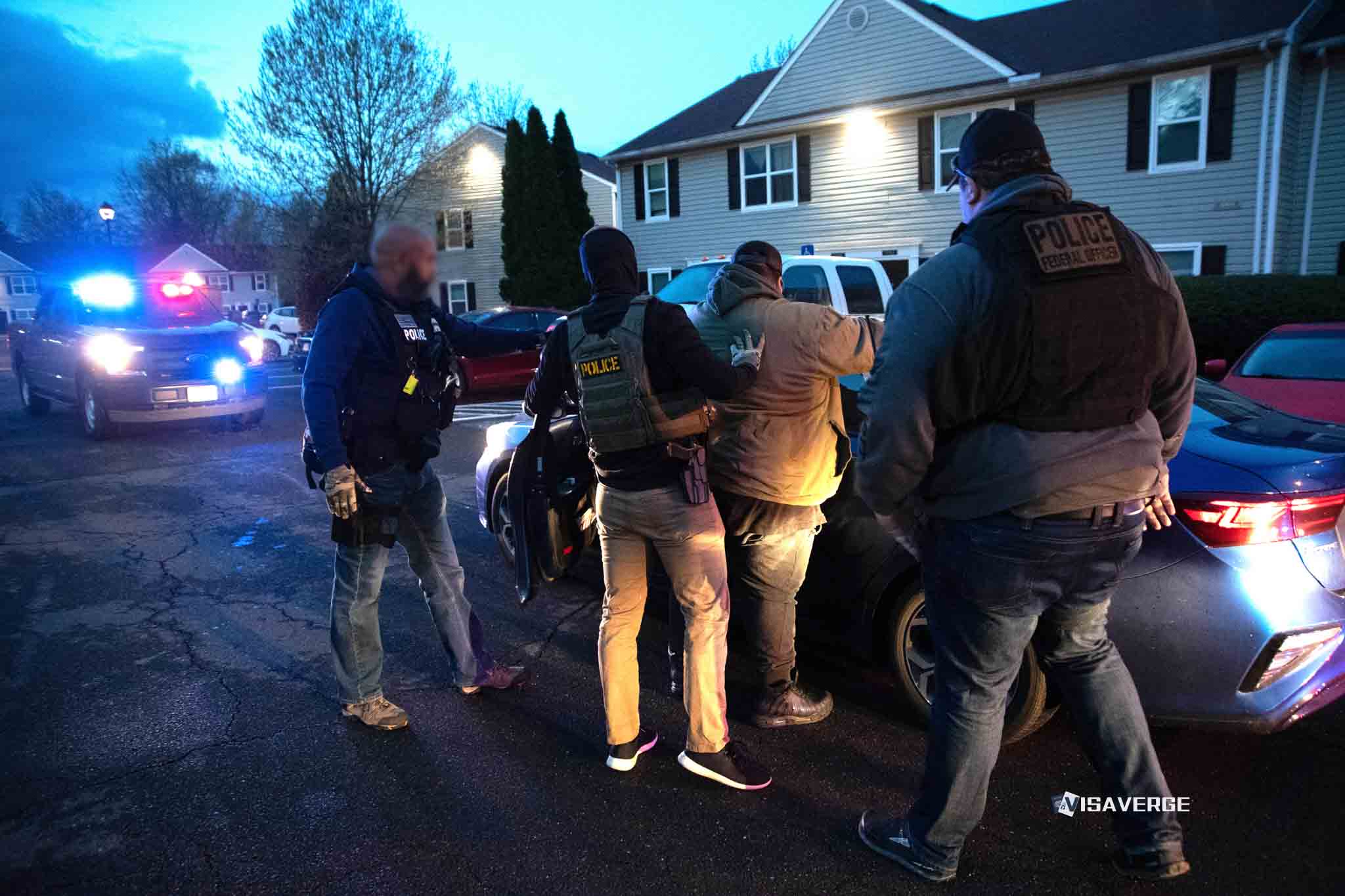
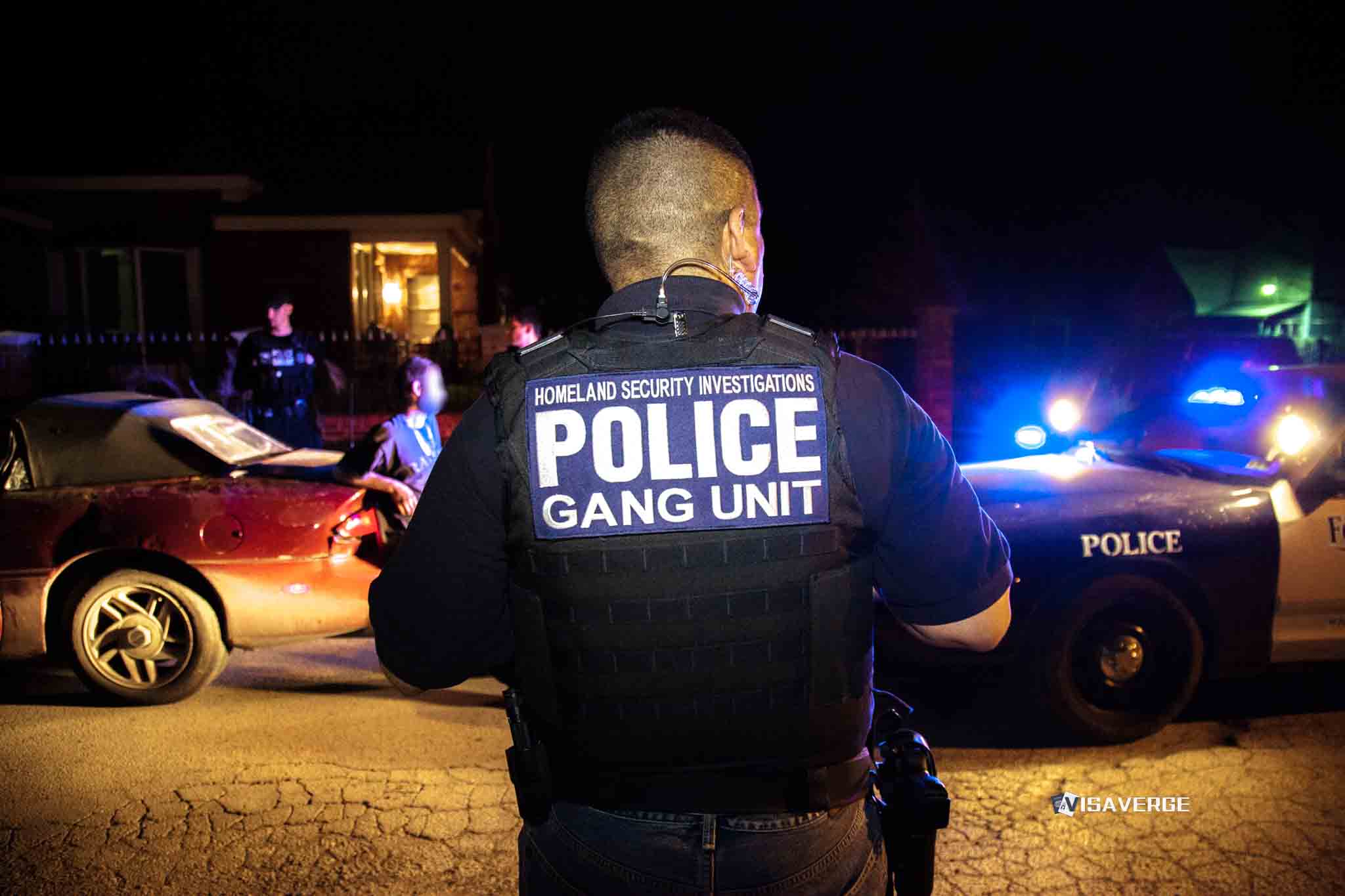
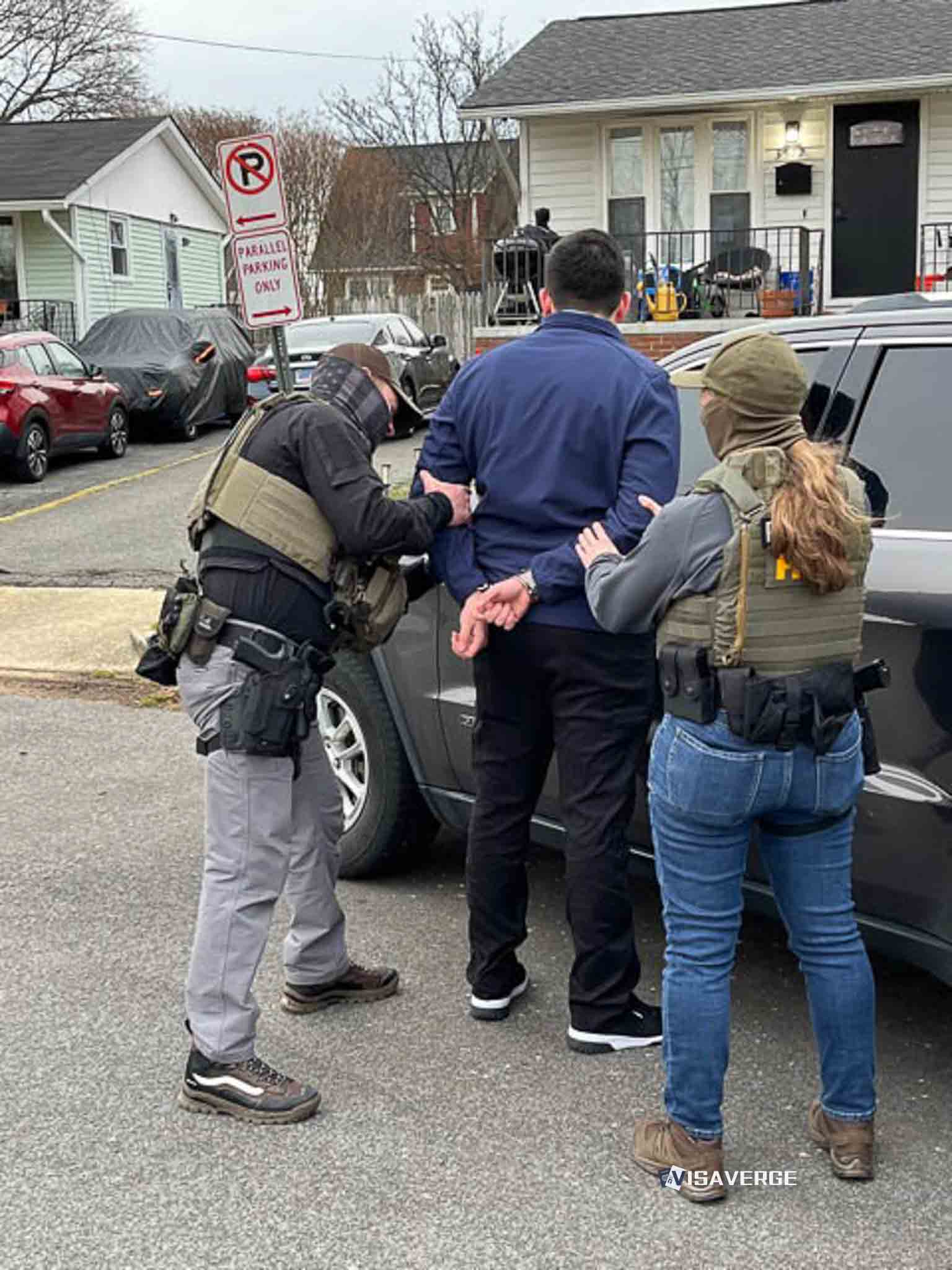
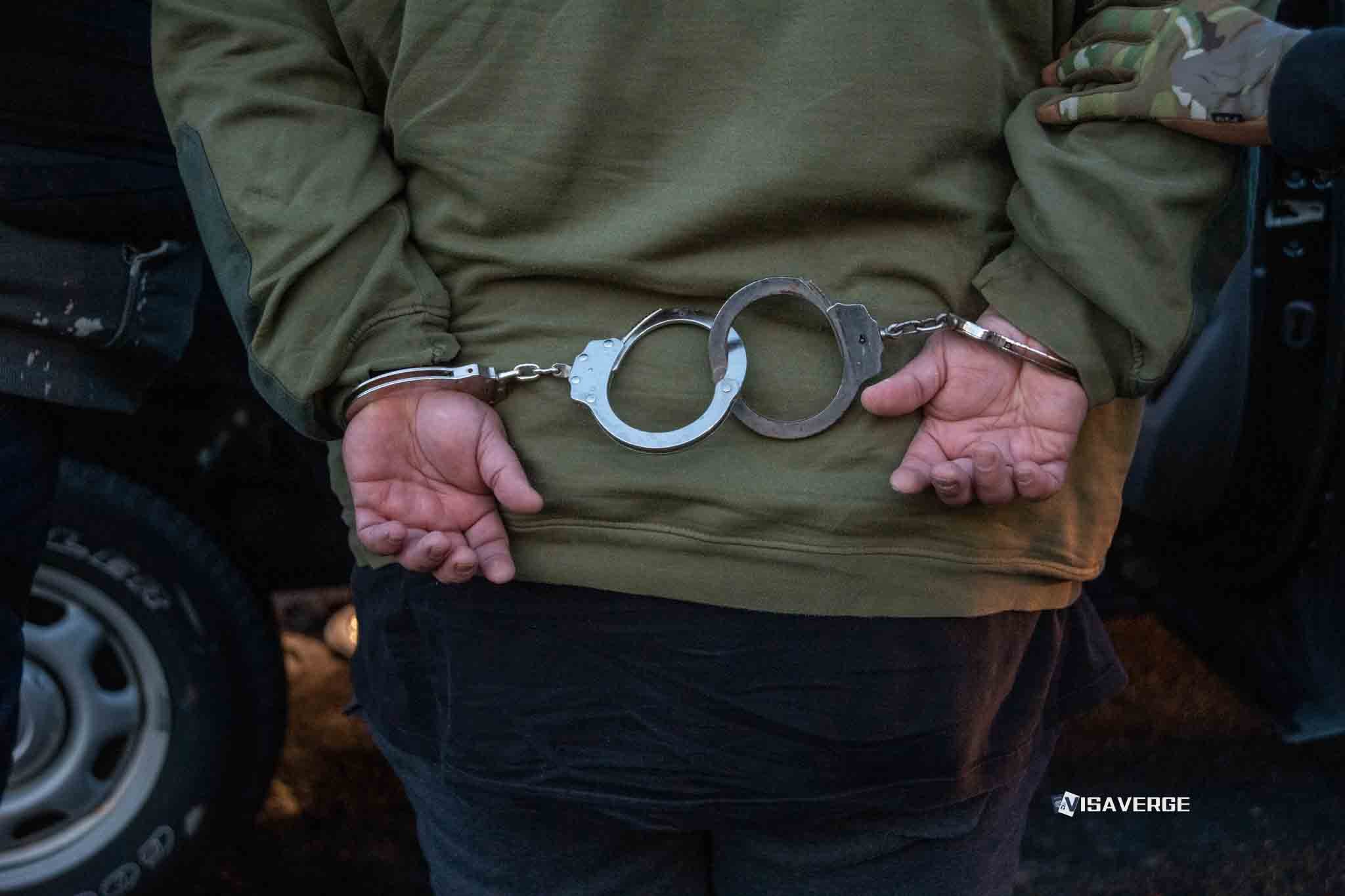
On September 20, 2026, ICE agents mistakenly detained a U.S. citizen during a targeted operation in Evanston, Illinois, a Chicago suburb, moving the incident beyond the earlier unconfirmed claim. Evanston police documented injuries and said the man went to a hospital; DHS said agents released him after confirming his identity.
- Evanston police said officers responded at about 9:49 a.m. on September 20 to a report of two men arguing and found the man on the ground with bystanders assisting him.
- A federal agent told police that ICE agents detained the man for fingerprinting after he refused to provide identification, then realized he was a U.S. citizen who was not their target.
- Police documented injuries to the man’s head, neck, and teeth; reporting said he went to a hospital.
- On September 20, DHS said the man resembled the target, agents identified themselves as law enforcement and gave lawful commands, and they left after he identified himself. Evanston police continued investigating as of September 22.
- A federal judge ruled that ICE violated arrest protocols during a Chicago operation, requiring the release of dozens of detainees.
- Viral claims regarding the detention of a U.S. citizen who was later abandoned in Wisconsin remain unverified and uncorroborated.
- The court found that arrest videos outweighed ICE reports when determining if warrant procedures under the Castañon Nava decree were followed.
(CHICAGO, ILLINOIS) — ICE detaining a U.S.-born citizen in Chicago and dropping her two days later in Wisconsin has drawn widespread attention online, but no confirmed reports exist of such a case as of March 11, 2026.
The claim alleges ICE detained a woman described as U.S.-born during an enforcement operation in Chicago and later released her in Wisconsin, where she had to hitchhike. Available reporting reviewed as of March 11, 2026 does not confirm U.S. citizenship status for any detainee tied to the Chicago operation described.
Accounts circulating about a Wisconsin release and hitchhiking are not corroborated in the cited reporting or court materials tied to the operation and related litigation. The court record, by contrast, documents a dispute over arrest procedures and warrant documentation under a long-running consent decree.
| India | China | ROW | |
|---|---|---|---|
| EB-1 | Feb 01, 2023 | Aug 01, 2023 ▲31d | Current |
| EB-2 | Nov 01, 2013 | Oct 01, 2021 | Apr 01, 2025 ▲90d |
| EB-3 | Jan 22, 2014 ▲21d | Jan 22, 2022 ▲14d | Jun 15, 2024 ▲31d |
| F-1 | Jan 22, 2021 ▲366d | Jan 22, 2021 ▲366d | Jan 22, 2021 ▲366d |
| F-2A | Oct 22, 2026 ▲30d | Oct 22, 2026 ▲30d | Oct 22, 2026 ▲30d |
Recent enforcement actions in Chicago stem from Operation Midway Blitz in fall 2025, which targeted South Shore neighborhoods, according to published accounts referenced in the court dispute. Federal agents used vans and rental trucks, with FBI support, to detain individuals.
Reports about Operation Midway Blitz described detentions that included women and children near schools. The coverage also described agents operating in the South Shore area during the fall 2025 timeframe.
Operations like these draw scrutiny in part because ICE and CBP face constraints under existing court orders that limit when agents may make warrantless arrests. The legal conflict in the Chicago matter turned less on the volume of arrests than on how agents documented authority to detain people.
U.S. District Judge Jeffrey Cummings ruled on February 27, 2026 that ICE violated the Castañon Nava consent decree, which governs ICE and CBP warrantless arrests in Illinois and five Midwestern states. His ruling focused on whether arrests complied with the decree’s requirements for signed warrants, except in limited circumstances.
Cummings ordered the release of 32 detainees by March 5, 2026, and later expanded that number to 36 out of 53 detainees. The order addressed people detained during the Chicago enforcement operation described in court filings, not the unverified citizenship-and-release narrative circulating online.
The consent decree bars arrests without signed warrants unless flight risk exists, as described in the court record. In reviewing arrests tied to the operation, Cummings credited arrest videos over ICE reports and rejected most I-200 blank warrants as invalid or missing.
Cummings released all but one warrantless arrestee, according to the summary of the ruling. The exception involved a person who attempted vehicle escape.
The judge’s findings did not establish that any U.S. citizen was detained during Operation Midway Blitz. The sources referenced in the dispute describe cases involving noncitizens under the decree, and no sources mention U.S. citizens among the detainees.
National Immigrant Justice Center attorney Mark Fleming represented plaintiffs in the case and demanded body camera footage, according to the materials describing the litigation. The underlying conflict placed arrest documentation at the center of the court’s review, including the use of warrant forms and signatures.
After the February 27 ruling, court filings and updates described diverging outcomes for the detainees covered by the order. Of the 32 initially ordered released, 11 had self-deported and 11 remained detained.
Other detainees faced conditions imposed on release, including check-ins, that the judge later deemed improper and voided, according to the account of the proceedings. The dispute over conditions became part of broader questions about compliance with the court’s directives.
ICE recirculated warrant policies per court order, but limited Chicago applicability, according to the summary of the subsequent developments. That limitation prompted direct questioning from Cummings toward DHS attorneys.
“Is it your practice to violate orders of a federal court?” Cummings asked, according to the quoted exchange in the materials describing the dispute.
The enforcement operation’s tactical descriptions — vans, rental trucks, and the reported proximity to schools — formed part of the public controversy around Operation Midway Blitz. The court fight, however, centered on whether agents complied with the Castañon Nava consent decree when they made arrests and documented their authority.
Online claims about a U.S.-born citizen detained in Chicago and released two days later in Wisconsin remain unverified as of March 11, 2026 in the reviewed reporting tied to the operation and litigation. The same materials do not corroborate assertions that someone was dropped in Wisconsin and had to hitchhike.
What the court record does confirm is narrower and more concrete: the existence of the Castañon Nava consent decree, Cummings’ February 27, 2026 findings regarding warrant and arrest procedures, and the March 5, 2026 deadline to release 32 detainees later increased to 36. It also confirms the judge’s conclusion that arrest videos outweighed written reports in key disputes over how arrests unfolded and whether warrants were valid.