- Former NFL player Daniel Adongo was deported to Kenya following a lengthy ICE detention in Indiana.
- Authorities applied the Laken Riley Act to mandate detention for Adongo due to his prior criminal convictions.
- The removal marks the end of a decade-long visa overstay that began after his NFL release in 2016.
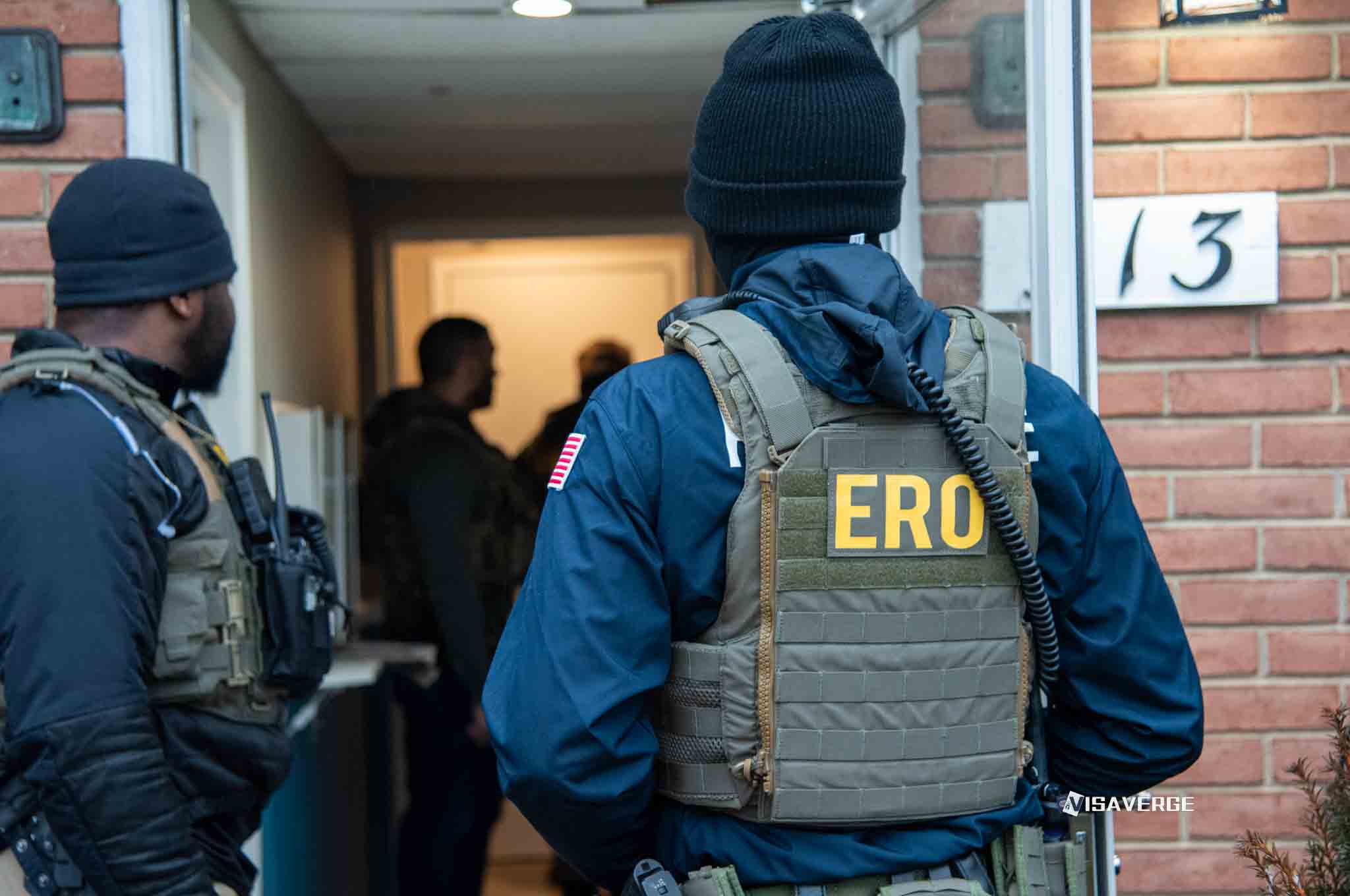
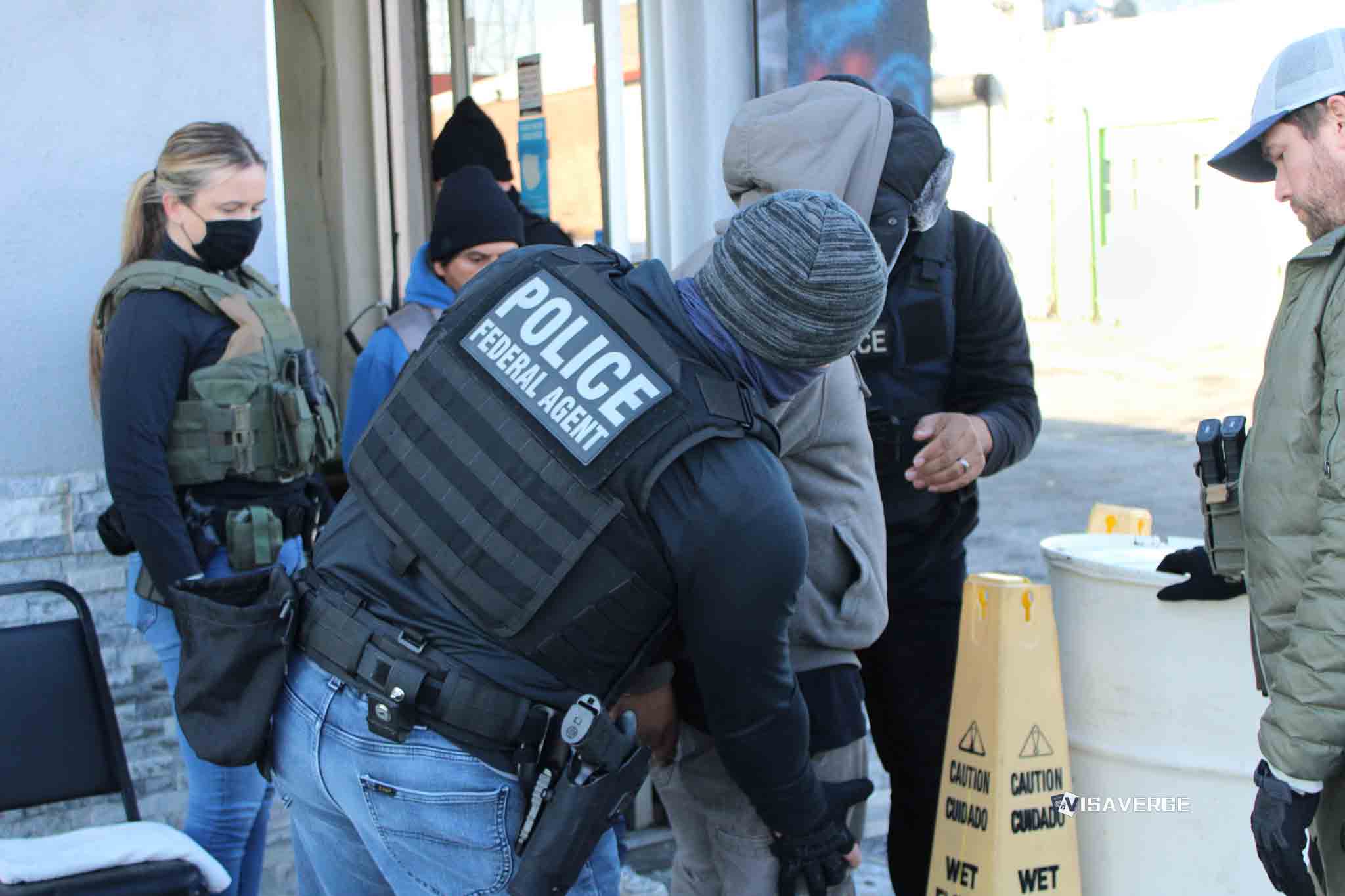
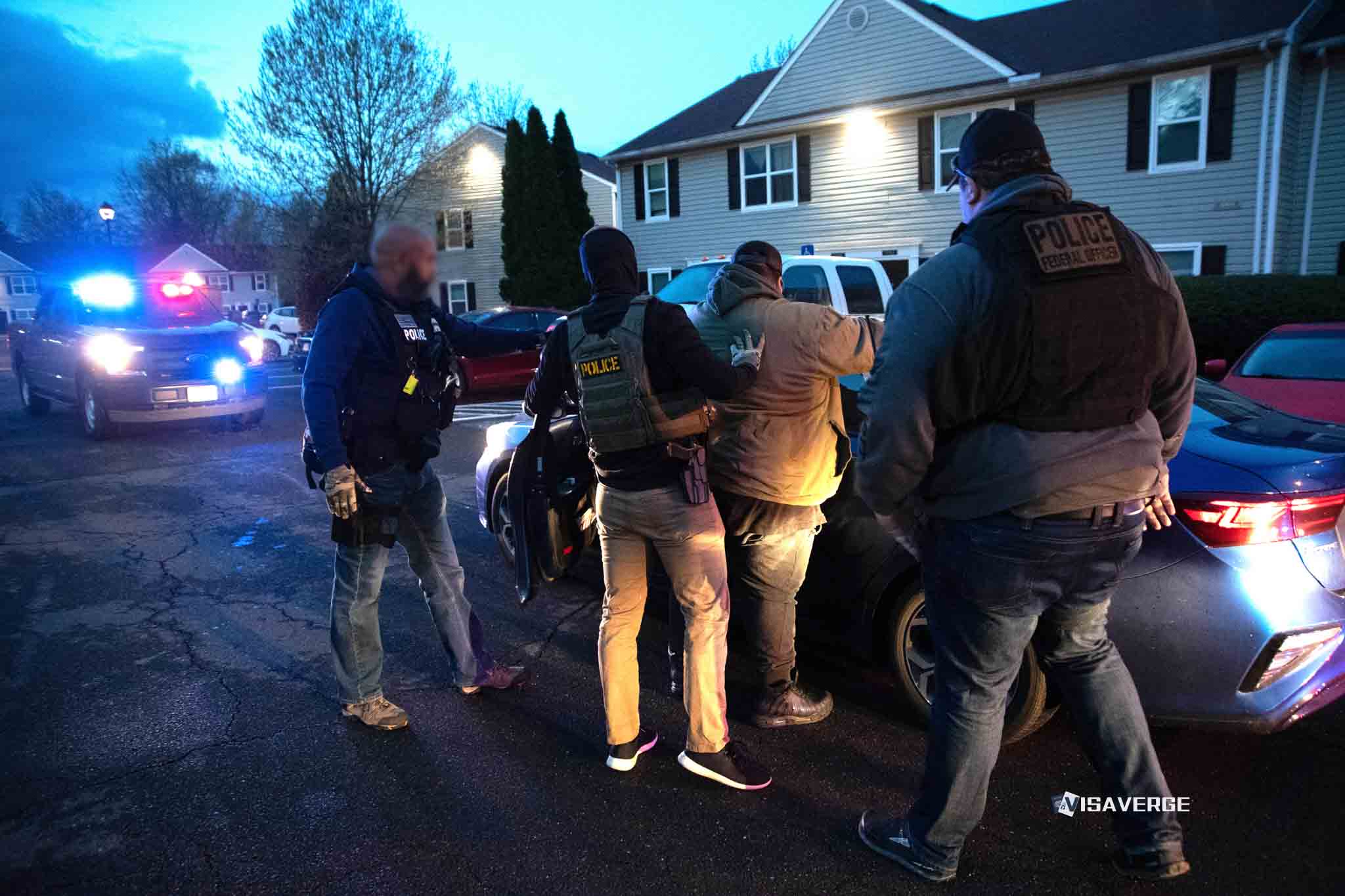
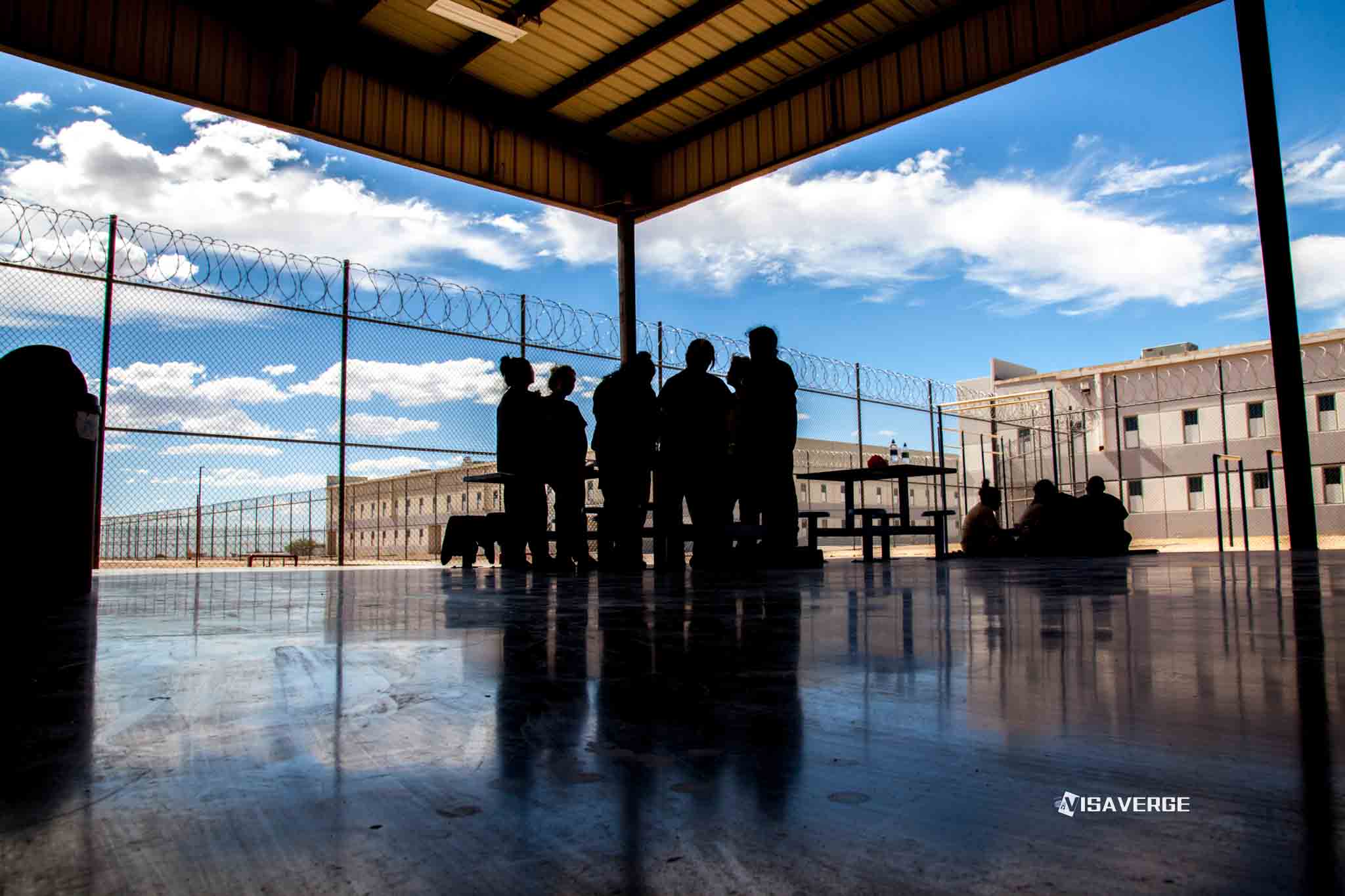
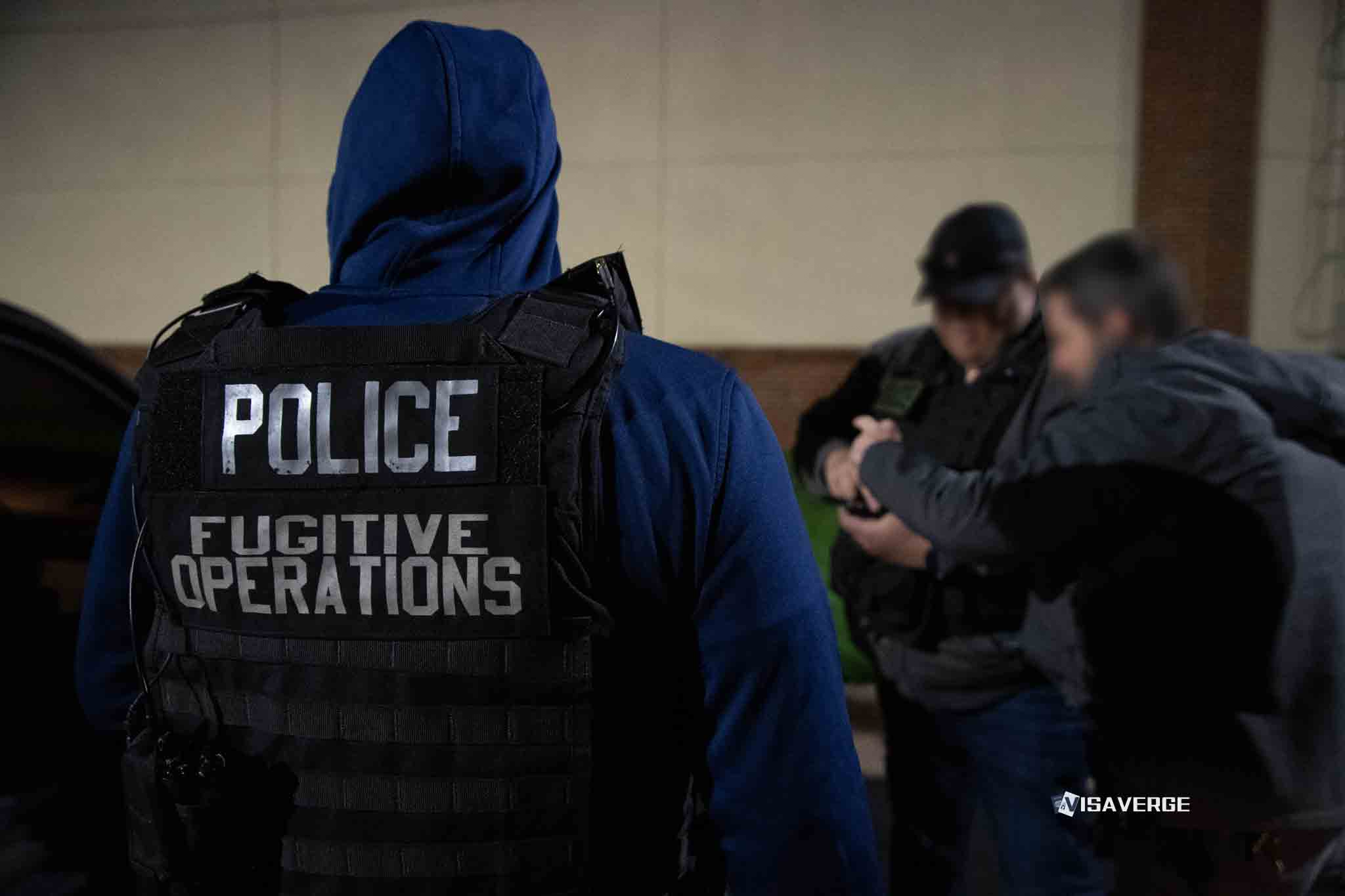
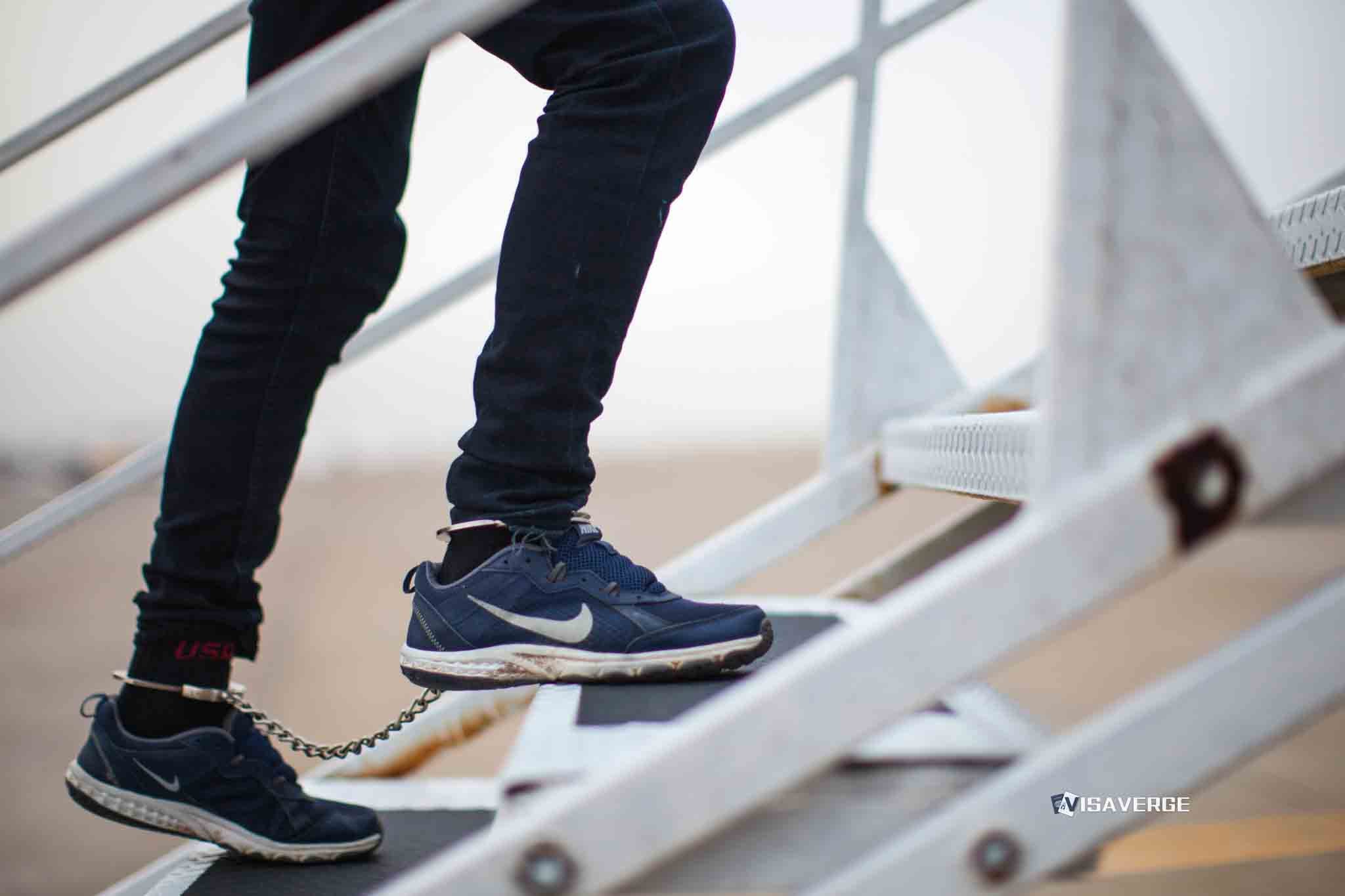
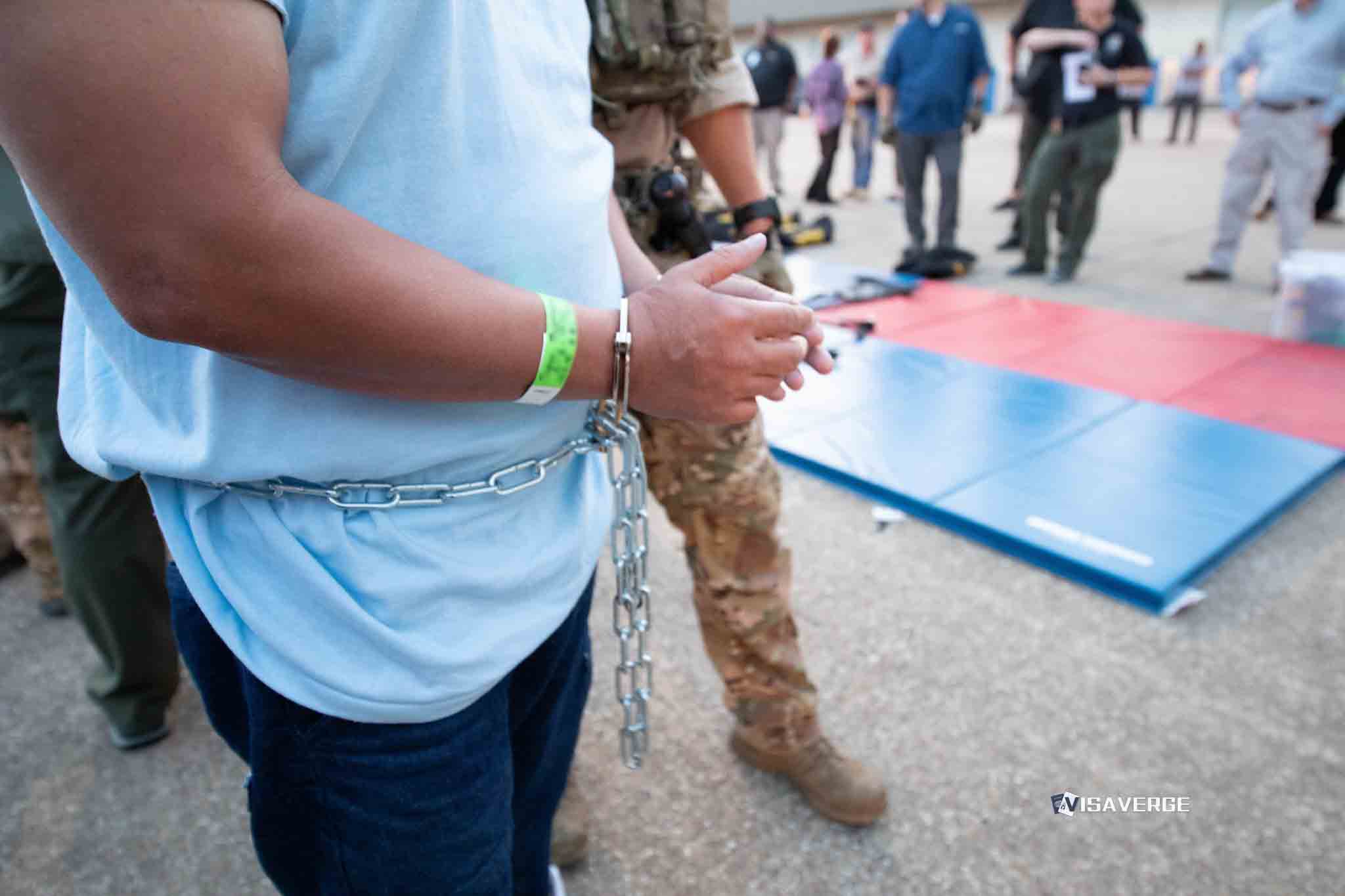
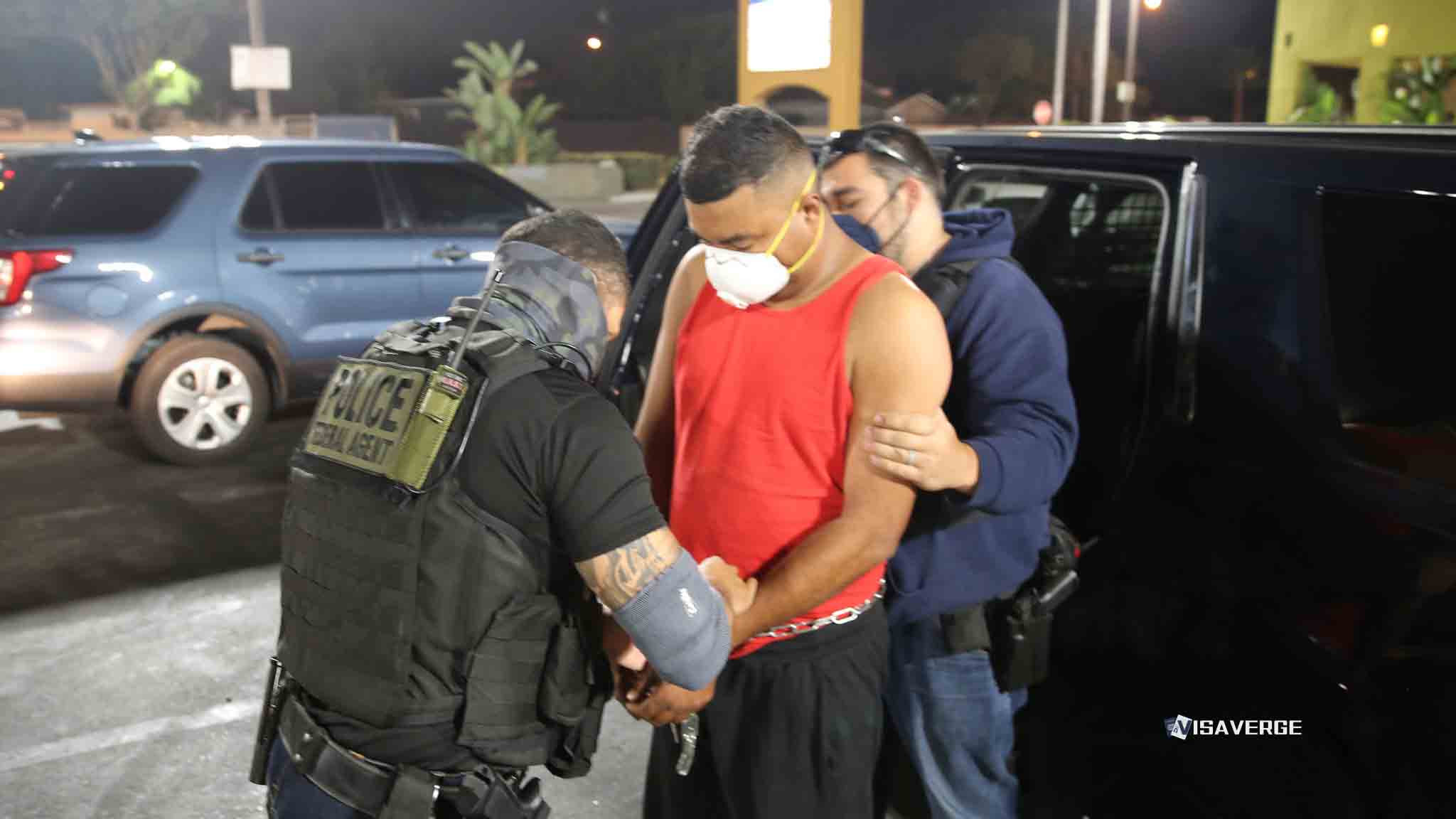
Federal immigration authorities deported former Indianapolis Colts linebacker Daniel Adongo from Chicago on June 20, 2026, after holding him for several months in ICE detention at Indiana’s Miami Correctional Facility.
ICE and the Department of Homeland Security confirmed the removal on July 25. A Department of Justice immigration judge issued the removal order on March 23, 2026.
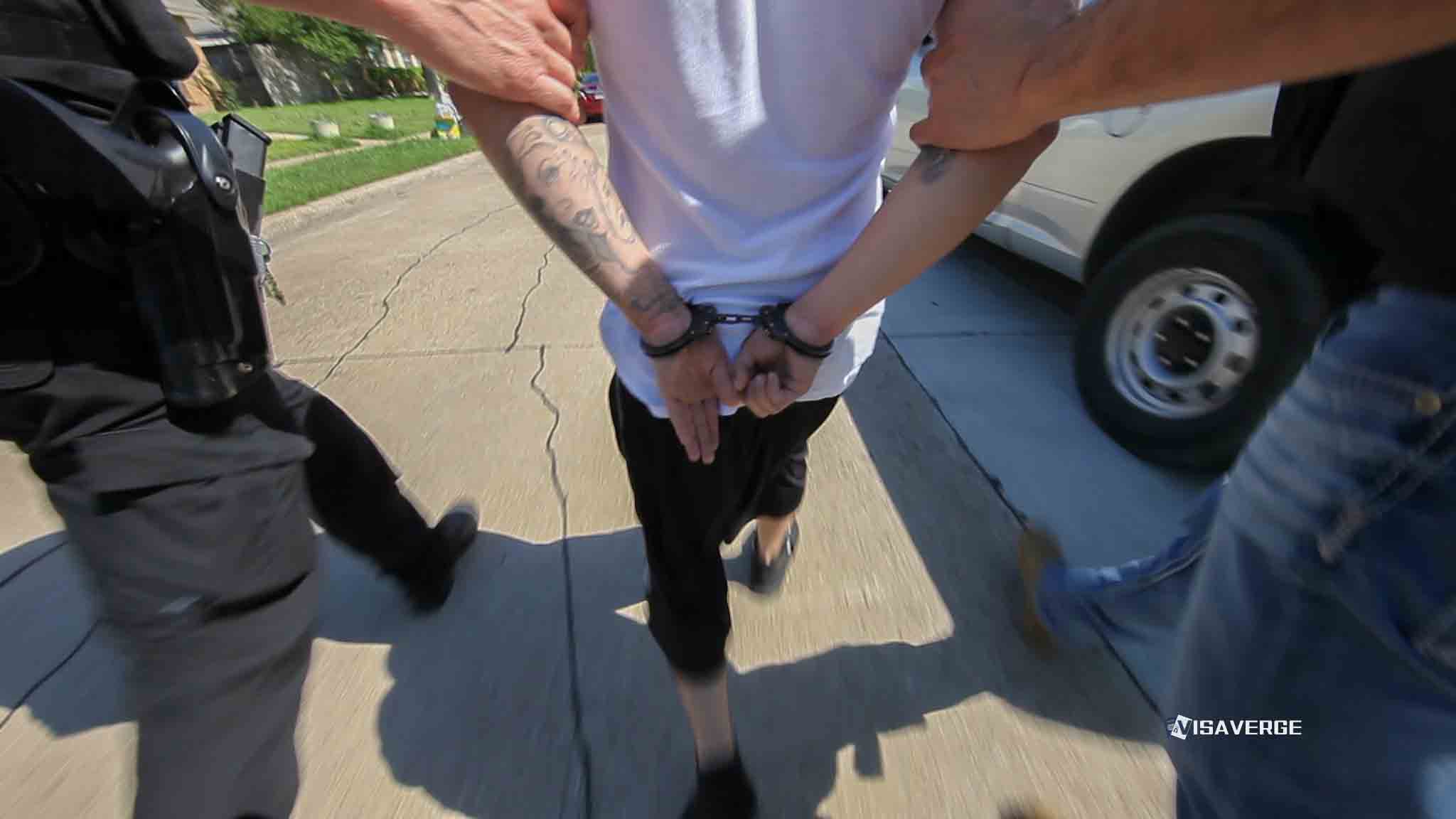
Adongo had remained in the United States after his P-1 athlete visa status ended. He entered the country in 2013 and overstayed beginning in 2016, following his release from the NFL.
ICE Chicago Assistant Field Office Director Douglas Thompson described the case as a public-safety enforcement action.
| India | China | ROW | |
|---|---|---|---|
| EB-1 | Feb 01, 2023 | Aug 01, 2023 ▲31d | Current |
| EB-2 | Nov 01, 2013 | Oct 01, 2021 | Apr 01, 2025 ▲90d |
| EB-3 | Jan 22, 2014 ▲21d | Jan 22, 2022 ▲14d | Jun 15, 2024 ▲31d |
| F-1 | Jan 22, 2021 ▲366d | Jan 22, 2021 ▲366d | Jan 22, 2021 ▲366d |
| F-2A | Oct 22, 2026 ▲30d | Oct 22, 2026 ▲30d | Oct 22, 2026 ▲30d |
“This dangerous individual was clearly a threat to the community, which is now safer since he’s been removed. Those who violate immigration law are held equally accountable, including former professional athletes.”
The agency and DHS cited Adongo’s criminal history alongside his immigration violations. He was convicted in 2020 of criminal mischief involving property damage and received a sentence of 364 days in jail.
Other Indiana arrests involved felony intimidation, battery and disorderly conduct. DHS identified him as a Kenyan national in its public statement.
His NFL career began as a Kenyan rugby convert
Adongo became the first Kenyan to play in the NFL after arriving from professional rugby in South Africa and Kenya. The Colts signing in 2013 drew attention as an unusual roster experiment.
His football career ended abruptly in 2015 after an investigation into a domestic incident. Reports later described psychiatric hospitalizations and erratic behavior.
The decade that followed included arrests, court proceedings and mental health struggles. Federal immigration authorities became involved in September 2025.
His visa history formed a second track. The P-1 classification covered his athletic activity, but his lawful status ended after his NFL release, with the overstay beginning in 2016.
Officials cite the Laken Riley Act in the removal
Authorities cited the case as a high-profile use of the Laken Riley Act, which became law on January 29, 2025. The measure requires mandatory detention without bond for undocumented individuals charged with certain crimes, including property damage and battery.
The law became part of the second Trump administration’s enforcement priorities after it took office in January 2025. Officials emphasized that Adongo’s former professional status did not prevent immigration action.
DHS used more forceful language in its July 25 statement:
“This CRIMINAL and former NFL linebacker has been DEPORTED after he broke our laws. Daniel Ogama Adongo, from Kenya, has a criminal record in the U.S. that includes arrests for criminal mischief with damage, felony intimidation, battery and disorderly conduct. Our communities are safer now that this criminal is out of our country.”
The statement’s characterization of Adongo as a community threat came from DHS and ICE officials. The publicly cited criminal record includes the 2020 conviction and the other arrests listed by the department.
DHS reported that approximately 70% of ICE arrests involved people with criminal charges or convictions as of July 2026. The department also reported more than 3 million removals since the administration began in January 2025.
The removal ended Adongo’s federal immigration case after the judge’s March order and his June departure from the United States. He had been held at the Miami Correctional Facility before the removal from Chicago.