- Poland has suspended asylum rights for migrants entering through Belarus, impacting Afghan refugees in 2026.
- The measure allows border guards to reject asylum applications without individual reviews for irregular entrants.
- Human rights groups warn the policy breaches international law and risks forced deportations to Taliban-ruled Afghanistan.
(POLAND) — Poland suspended the right to seek asylum at its border with Belarus for an initial 60 days starting March 27, 2025, and repeated extensions have kept the measure in force for more than a year, leaving Afghan migrants in the country exposed to forced deportations if they entered through Belarus.
The policy rests on a law adopted on February 21, 2025. Polish authorities presented it as a response to alleged instrumentalization
of migration by Russia and Belarus and to tens of thousands of irregular crossings since 2021, arguing that the crossings strained the system and formed part of a destabilization effort.

Under the amended law, border guards can reject asylum applications from irregular entrants at the Belarus border without an individual review. What began as a border measure now reaches farther, applying to migrants found anywhere in Poland if authorities determine they crossed through Belarus, a shift that has widened its effect on asylum applications filed by Afghans and others.
Parliamentary approval is required for each extension, but the law allows renewals to continue indefinitely. In practice, that has turned what began as a temporary suspension into a continuing policy with national reach.
Exemptions exist, but they are narrow. The law carves out limited protection for unaccompanied minors, pregnant women, people needing medical care, Belarusians, and people who can prove they face a serious risk of harm.
Border guards decide whether those exemptions apply. Rights groups and international bodies have raised concerns about that system, saying the officers making those decisions may lack the training needed to assess protection needs in complex asylum cases.
A recent case sharpened those concerns. Michael O’Flaherty, the Council of Europe Commissioner for Human Rights, wrote in an April 1 letter to the Polish government that a group of Afghan nationals had been removed to Afghanistan without access to asylum procedures.
That case has drawn attention because Afghans remain among the groups most likely to cite fear of Taliban persecution if returned. By cutting off access to asylum applications for people who entered through Belarus, the Polish system leaves some Afghan migrants facing removal without a full examination of their protection claims.
UNHCR has warned that the law risks preventing people from entering Polish territory without any assessment of whether they need protection. The agency said that approach may breach the principle of non-refoulement, which bars states from returning people to places where they face persecution or other serious harm.
Poland’s ombudsman has also criticized the suspension. Amnesty International went further, calling the measure flagrantly unlawful
and saying it conflicts with Poland’s Constitution, including Articles 31 and 56, the EU Charter, and the new EU Pact on Migration and Asylum.
Amnesty tied the measure to Poland’s 2025-2030 migration strategy, approved on October 15, 2024. Human Rights Watch urged lawmakers to reject the law in February 2025, citing abusive pushbacks at the Belarus border and what it described as inadequate safeguards for people who may qualify for protection.
Lydia Gall, senior researcher at Human Rights Watch, said the law defies international obligations
. Her organization argued that Poland was putting enforcement ahead of refugee protections that apply regardless of how a person arrives at the border.
European Court of Human Rights rulings have already placed Poland under scrutiny over its treatment of Afghans at the Belarus frontier. On August 25, 2021, and in an extension on September 27, 2021, the court barred the return of 32 Afghans at the border and ordered aid, part of a wider examination of pushbacks involving Poland, Lithuania and Latvia during the 2021 border crisis.
Rights groups have documented violence in those earlier operations. Their records include pushbacks against 17 Afghans in 2021, a case that has remained part of the debate over whether Poland’s border policy gives real access to protection or simply blocks it.
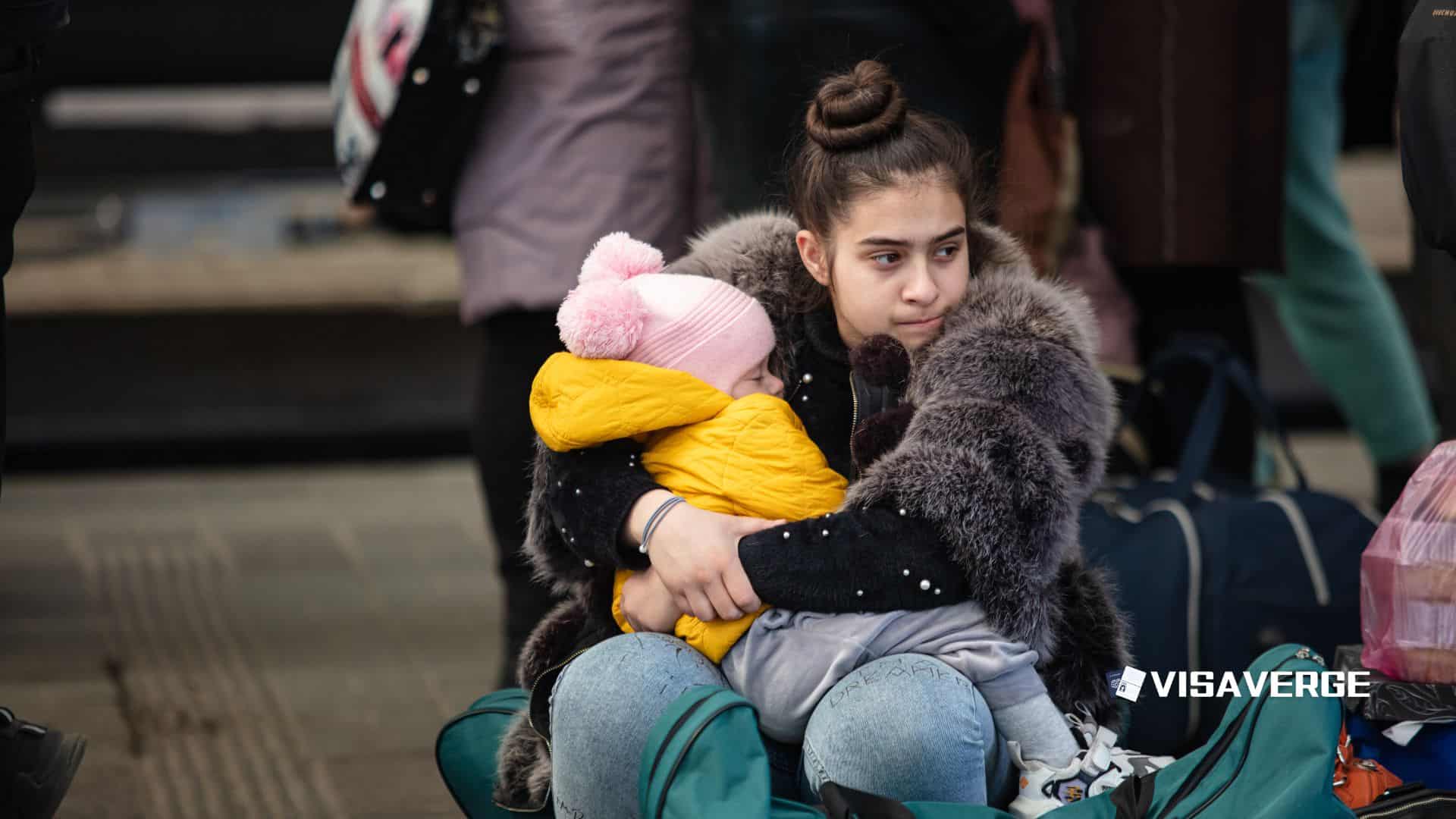
The current rules carry particular weight for Afghans already inside Poland. About 1,500 Afghans were airlifted to the country after the Taliban takeover in 2021, but accounts from that community describe economic hardship, prolonged uncertainty and a growing fear that the state will not protect them from removal.
Some have ended up in detention limbo, including at the Kętrzyn center. Others face deportation risks without state aid, a situation that has fed anxiety among families who believed evacuation to Poland would place them on firmer legal ground.
Those fears sit alongside the broader shift in European asylum policy. Poland’s approach matches a tougher line adopted elsewhere in the European Union, where governments have pressed for faster border procedures, stricter entry rules and wider return powers.
In July 2025, Germany, France, Poland and other countries agreed pacts aimed at hardening asylum rules and resuming returns of Afghans. The Polish suspension fits that regional direction, but its critics say the national law goes further by denying access to asylum procedures at the point where international law expects states to assess risk.
Polish authorities maintain that the policy answers a security challenge shaped by Minsk and Moscow. Critics answer that a security response does not erase the duty to hear claims from people who say they will face persecution if sent back, especially Afghans whose cases involve Taliban rule.
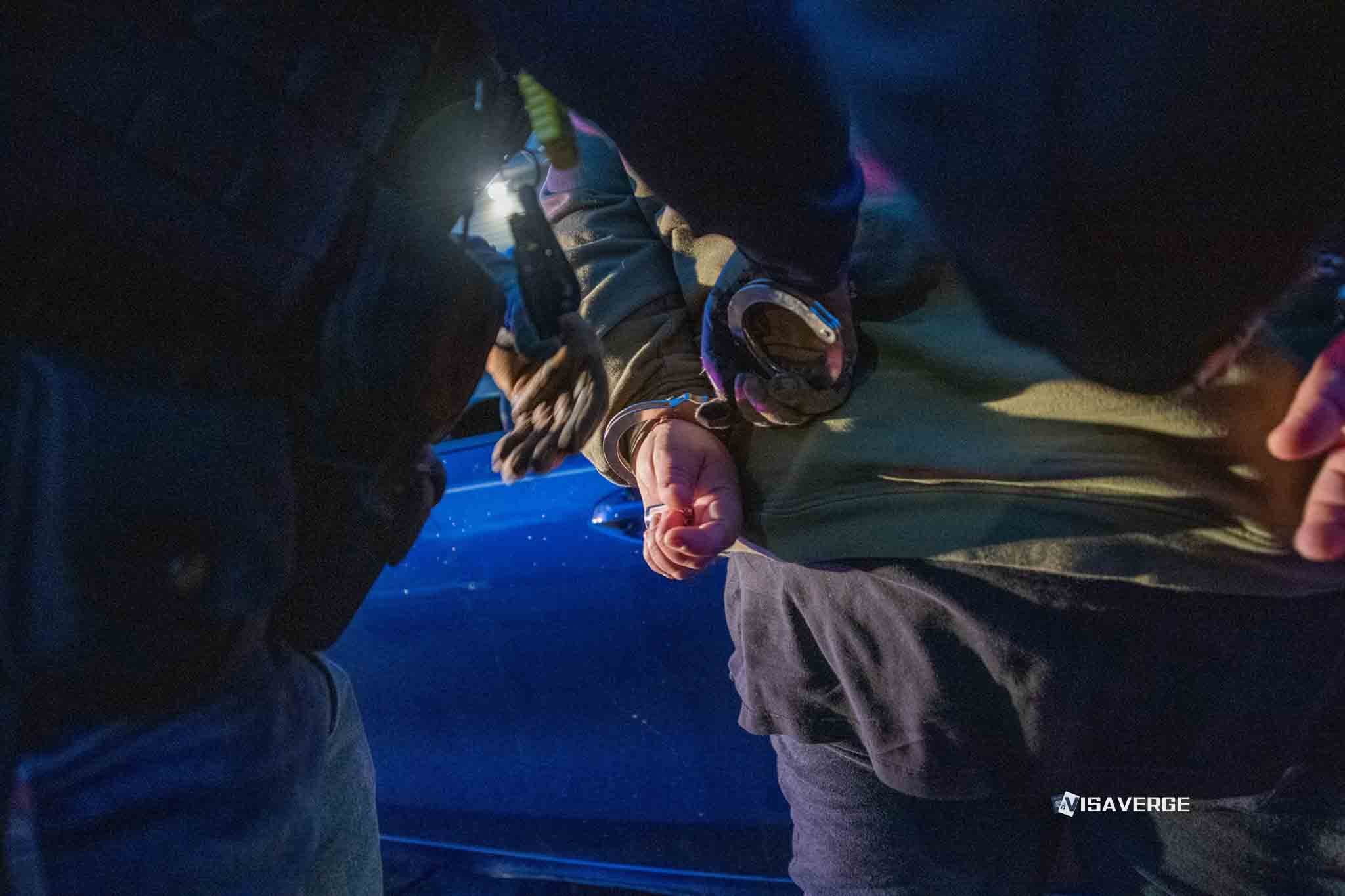
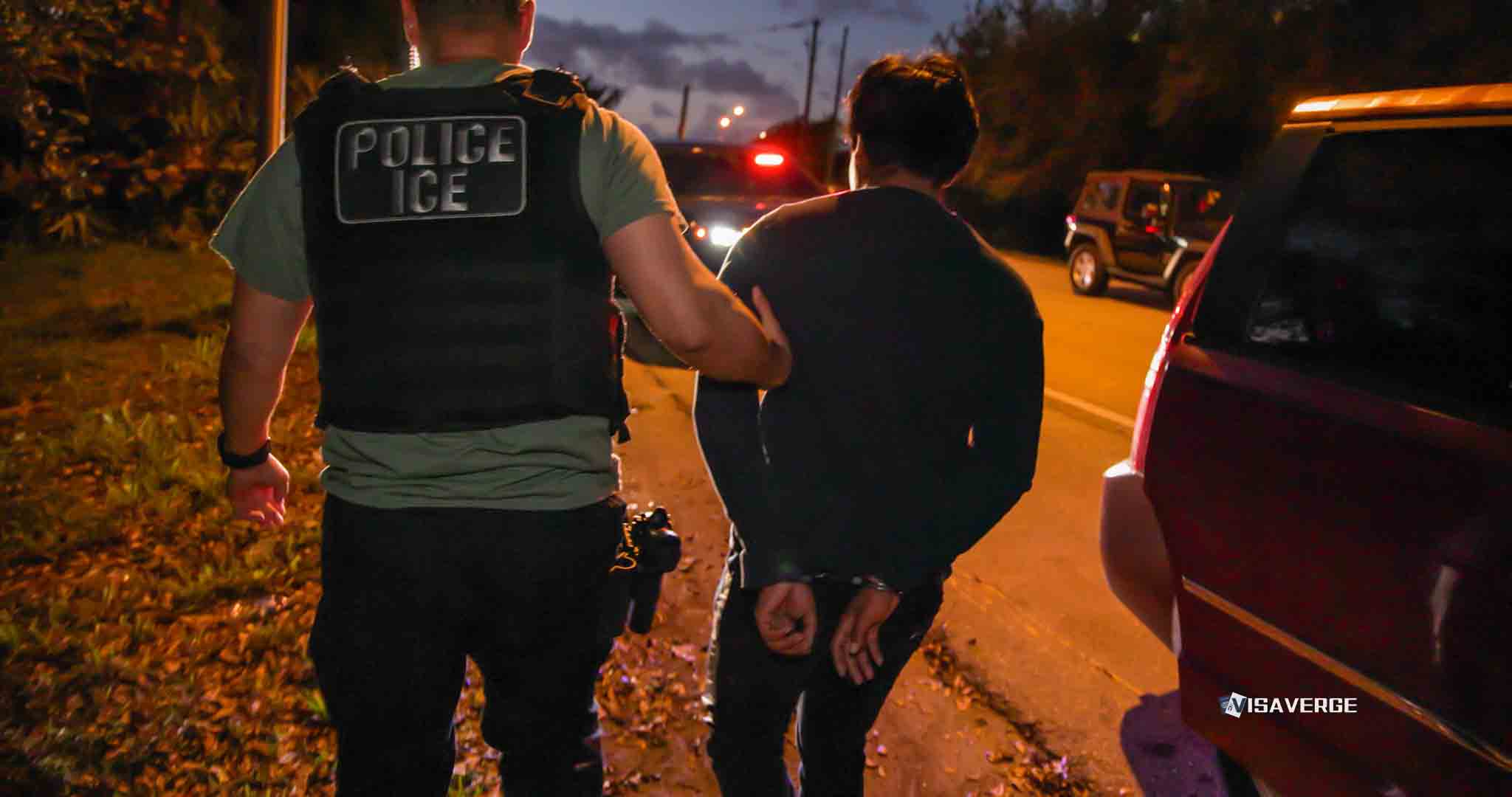
With the suspension now lasting well beyond its first 60 days, the practical effect has become plain: Afghan migrants who crossed through Belarus can be treated as ineligible to seek protection not only at the frontier but across Poland, while forced deportations remain a live fear for people who say the return route ends in Afghanistan.