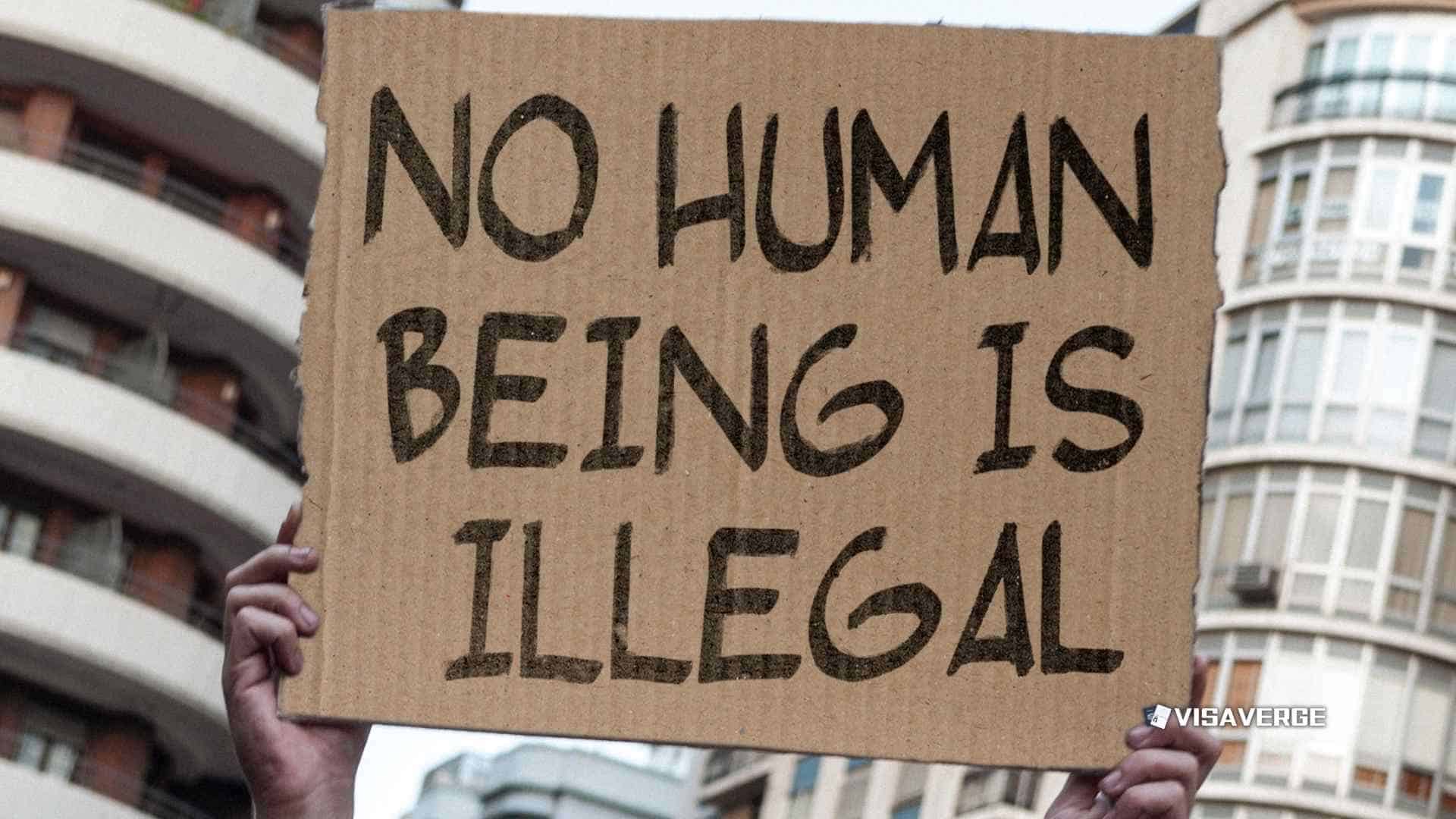
- Sudanese asylum seekers filed a legal challenge against the UK’s restrictive new refugee settlement policies.
- The policy slashes refugee leave to 30 months and extends settlement wait times to 20 years.
- Claimants argue the changes are discriminatory and harmful, citing evidence from Australia and Denmark.
(UK) — Two Sudanese asylum seekers have filed a legal challenge against the UK Home Office‘s new refugee policy, opening the first court fight over a central part of Labour’s asylum reforms.
The claim targets changes that cut refugee leave to remain from five years to 30 months, stretch the route to permanent settlement from five years to 20 years, and tighten family reunification rules.

Manini Menon, a solicitor at Duncan Lewis representing the claimants, said: “The home secretary’s position is that her policy will deter small boat arrivals, and will ensure that only people who genuinely need protection will have leave as refugees in the UK. Our clients argue that the home secretary’s policy is flawed and discriminatory.”
Home Secretary Shabana Mahmood announced the measures as part of the Labour government’s wider asylum changes. The lawsuit challenges the new approach at its core, arguing that temporary protection and a longer settlement path would reshape refugee status in Britain.
Both claimants faced torture in Sudan. They argue the policy is indirectly discriminatory and would fail to achieve the government’s stated goal of deterring asylum seekers.
At the centre of the dispute is the shift from longer protection to a shorter, renewable period. Under the policy, recognised refugees would receive 30-month refugee status instead of the five years that previously applied.
The change reaches beyond the first grant of protection. Permanent settlement eligibility would move from five years to 20 years, extending by 15 years the period before a refugee could qualify for a stable long-term status.
Family life also sits squarely in the case. The policy would restrict reunification by requiring refugees to show they can financially support immediate family members, defined here as spouses and children under 18, before reunification is approved.
The legal challenge says that structure would not simply alter administrative timelines. It would change how refugees live in Britain, how quickly families can reunite, and how long people granted protection remain on a temporary footing.
Menon and the claimants’ legal team cite evidence from Denmark and Australia to contest the government’s deterrence case. They argue that temporary status harms mental and physical health, weakens social integration, and raises the risk of economic instability and poverty.
That evidence forms a direct challenge to the government’s position that shorter status will deter asylum applications while reserving protection for people with genuine needs. The claimants say the policy does not meet that aim and instead places recognised refugees in prolonged uncertainty.
The case arrives as Sudanese asylum seekers and other refugees face a more restrictive settlement path under Labour’s asylum agenda. Although the challenge comes from two individuals, it is directed at a policy intended to apply much more widely.
Its focus is narrow and concrete. The claim does not dispute that the government can reform asylum rules; it attacks the design of this package, from the reduced period of leave to remain to the delayed route to settlement and the added financial test for family reunification.
Each of those measures carries its own effect. A refugee granted 30 months of leave faces more frequent reviews of status, a wait of 20 years for permanent settlement, and a higher bar to bringing a spouse or child under 18 to the UK.
The claimants’ argument on discrimination turns on impact rather than label. They say a policy framed as a general deterrent falls unevenly on refugees, including people who have already established a need for protection.
Denmark and Australia feature in the case not as abstract comparisons, but as evidence offered by the legal team to test the government’s stated rationale. Menon argues those examples show temporary refugee status can worsen health outcomes, slow integration and deepen poverty instead of creating the deterrent effect ministers describe.
The challenge also places Labour’s asylum reforms under early legal pressure. Mahmood’s plan was presented as a tougher model for refugee protection, but the court claim argues that toughness alone does not establish legality or effectiveness.
Recognition as a refugee usually settles one question, whether a person needs protection. This case turns to what follows after that recognition, and whether the state can reduce security of status so sharply while also extending settlement and limiting family reunion.
Sudan gives the case a human and political edge. The claimants are not testing the policy from a distance; both are Sudanese asylum seekers who faced torture in Sudan and now argue that a shorter, more precarious form of protection would compound that harm rather than resolve it.
Menon’s wording captures the split that the court challenge will press. “Our clients argue that the home secretary’s policy is flawed and discriminatory.”