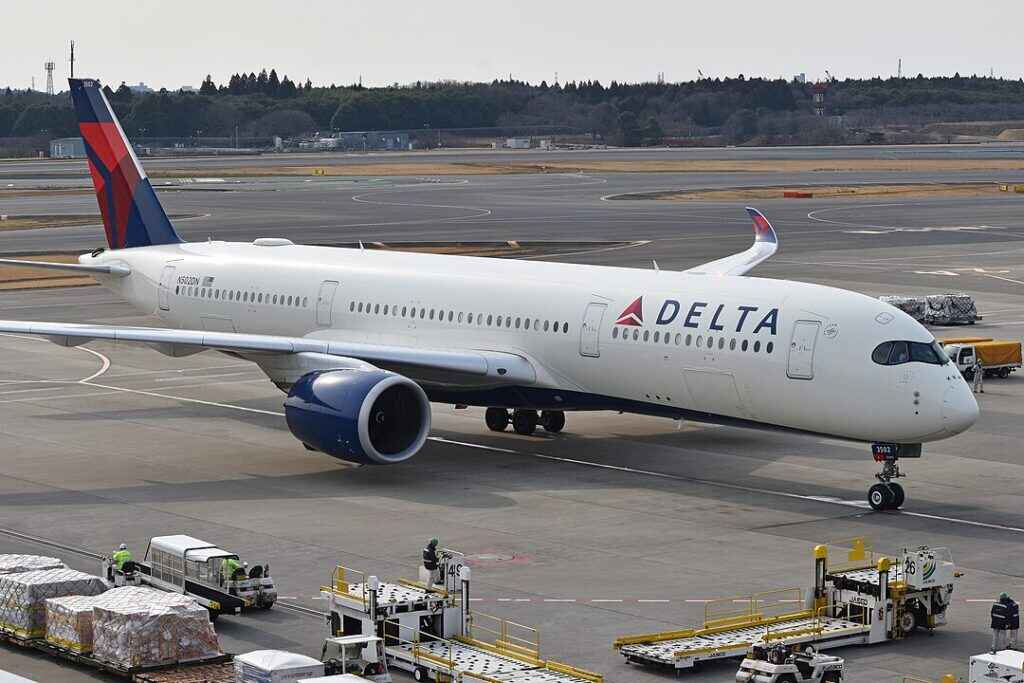
- The court restored antitrust immunity for the Delta-Aeromexico partnership, overturning a previous 2025 termination order.
- A judge labeled the department’s move arbitrary and capricious due to inconsistent treatment compared to Japanese airlines.
- The ruling protects a joint venture covering one point eight million seats and sixty percent of Mexico City traffic.
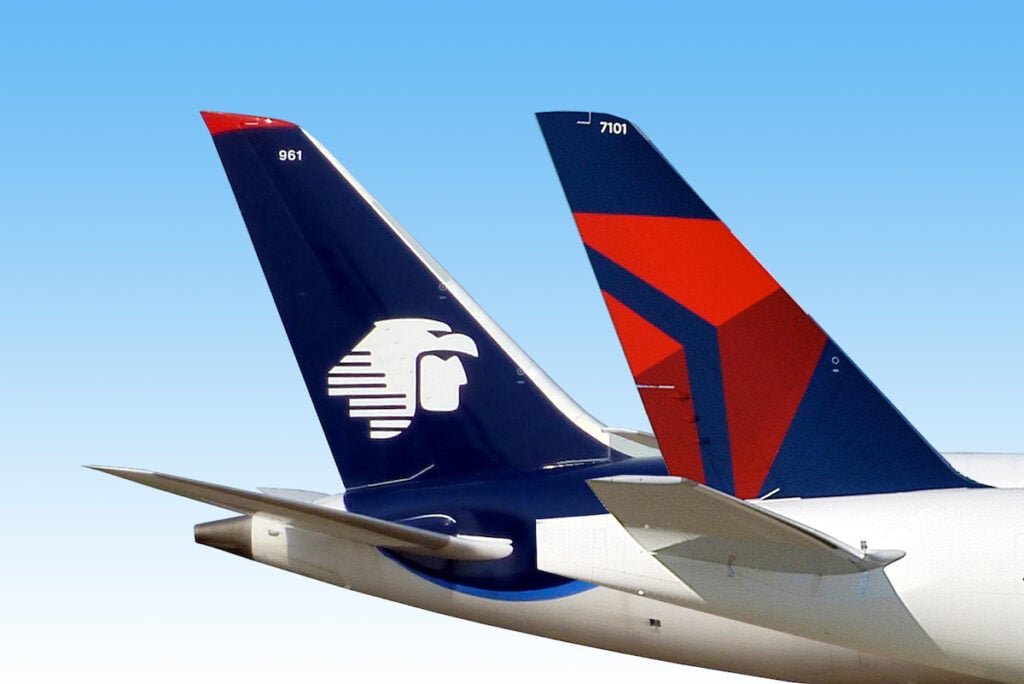
The August 20, 2026 ruling lets Delta Air Lines and Aeromexico keep coordinating schedules, prices, capacity, marketing and frequent flyer programs on U.S.-Mexico flights. The U.S. Court of Appeals for the Eleventh Circuit vacated the Trump administration’s September 2025 order, restoring the airlines’ antitrust immunity.
The decision keeps their nearly decade-old joint venture operating. Delta and Aeromexico can continue coordinating the commercial parts of their transborder network without beginning the unwinding process demanded by the Transportation Department.

That coordination covers roughly 1.8 million seats. It also preserves the carriers’ ability to plan service together while the department considers its next move.
The court focused on unequal treatment. It said the agency had not adequately explained why it used a narrower market review here or imposed a condition absent from comparable approvals in Japan.
Judge Elizabeth Branch described the department’s action as “arbitrary and capricious.”
“did not reasonably explain why it conducted a far more limited market analysis in this case than it has always done in the past or why it imposed a requirement for approval of the joint venture that it did not require of similar joint ventures it approved in Japan.”
The ruling restores the airlines’ integrated U.S.-Mexico operation
The arrangement connects the two airlines’ networks rather than treating each route as a separate transaction. The carriers can continue aligning schedules, fares, capacity decisions, advertising and loyalty programs.
That structure has operated for nearly a decade. Ending it would have required the airlines to separate systems and commercial practices that had developed together.
The court’s decision avoids that process for now. The partnership’s approval remains effective unless another legal or regulatory action changes it.
The partnership carries a large share of the Mexico City market
The operation controls nearly 60% of passenger air traffic between the United States and Mexico City. Across the wider U.S.-Mexico market, the combined carriers represented 20.4% of total capacity as of August 2026.
An estimate tied to the proposed breakup put the annual economic cost at $520 million. That figure included a $310 million reduction in GDP and a $200 million decline in tourism-related spending.
Those amounts describe projected consequences of dismantling the arrangement. They were not the basis of the Eleventh Circuit’s legal holding, which addressed the department’s explanation and review process.
The airlines had characterized separation as “operationally and financially burdensome.” The ruling leaves their existing structure intact while regulators review the decision.
The original review covered 1,687 city-pair markets
| Measure | Figure |
|---|---|
| Original DOT approval review | 1,687 individual city-pair markets |
| Passenger traffic between the U.S. and Mexico City | Nearly 60% |
| Partnership share of U.S.-Mexico capacity, as of August 2026 | 20.4% |
| Transborder seats covered by continued coordination | Roughly 1.8 million |
The department analyzed 1,687 individual city-pair markets when it approved the arrangement in 2016. The later review used to terminate that approval examined the market more narrowly.
That difference formed part of the court’s criticism. The opinion also questioned why the department required a condition in the Delta-Aeromexico case that it had not demanded from similar airline partnerships approved in Japan.
Mexico City airport restrictions triggered the original dispute
The conflict grew out of the Trump administration’s accusation that Mexico had violated the 2015 Open Skies agreement. U.S. officials focused on changes affecting operations at Mexico City airports.
Mexico barred all-cargo operations at Benito Juárez International Airport (MEX). Cargo operators instead had to use the newer Felipe Ángeles International Airport (NLU).
Mexico also cut hourly aircraft movements at MEX from 61 to 43. The department argued that the reduction favored Aeromexico and disadvantaged U.S. carriers.
Officials treated those airport measures as evidence that market conditions had changed enough to justify removing the carriers’ approval. The Transportation Department issued its final order on September 15, 2025, during Donald Trump’s administration.
Secretary of Transportation Sean P. Duffy defended the action at the time.
“Empty promises mean nothing. Under President Trump’s leadership, we will continue to put America First and hold any country who thinks they can distort the rules accountable.”
The department’s position was that the airport restrictions distorted competition. The Eleventh Circuit did not accept the agency’s explanation as sufficient.
Both airlines say the restored approval expands passenger choice
Aeromexico said the ruling permits the carriers to preserve the network benefits they associate with their cooperation.
“to continue providing enhanced connectivity, a broader network, more convenient service options and increased competition for customers traveling between Mexico and the United States.”
Delta issued its response on August 21, 2026. The airline pointed to the arrangement’s nearly decade-long history and thanked the court for reviewing the dispute.
“For nearly a decade, Delta’s joint cooperation agreement with Aeromexico has provided greater choice, more seamless travel, and increased connectivity for consumers. We appreciate the 11th Circuit’s careful review.”
The ruling allows passengers to continue seeing the effects of shared planning across schedules, fares, network connections and loyalty programs. It also prevents an immediate separation of the carriers’ integrated operations.
DOT is weighing another challenge after losing the case
The department said it was reviewing the opinion and possible legal responses. A spokesperson also tied the dispute to Mexico’s obligations under the countries’ aviation arrangements.
“The department is committed to protecting competition. Even as we review the Court's decision and consider all available legal options, we will continue to work with the Mexican government to ensure it fulfills its obligations.”
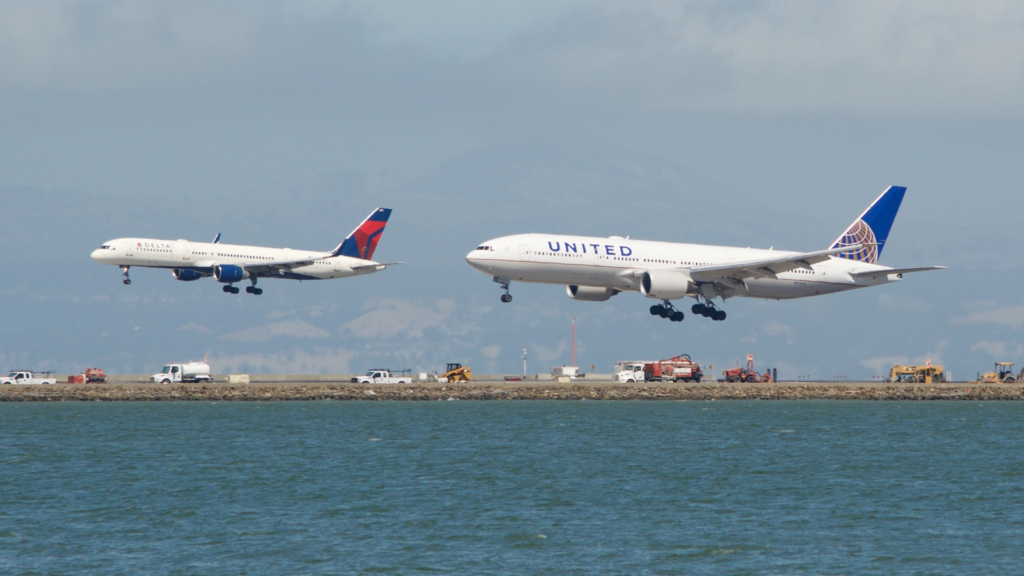
The Eleventh Circuit compared the Mexico City restrictions with slot limits at Tokyo’s Haneda Airport. Similar restrictions there did not lead the department to revoke the United Airlines-ANA partnership.
The opinion called the difference “hypocrisy” in the department’s position. Its legal reasoning rested on the agency’s failure to explain why the Mexico City review was narrower and why its approval requirement differed from the Japan cases.
The department could seek a further appeal. It could also consider new regulatory requirements involving the airlines’ slots in Mexico City.
The approval remains in place while the department reviews its next step
The court’s August 20, 2026 decision overturned the final order dated September 15, 2025. Delta and Aeromexico therefore continue under the approval that existed before the department’s action.
Any further appeal or new agency order would follow the court’s criticism of the department’s market analysis and its treatment of comparable airline partnerships.