- Treasury and the IRS proposed rules for the section 25F tax credit on October first, twenty twenty-six.
- Eligible donors could claim up to one thousand seven hundred dollars, or three thousand four hundred dollars for joint filers.
- The program is scheduled to begin January first, twenty twenty-seven, with states choosing whether to participate.
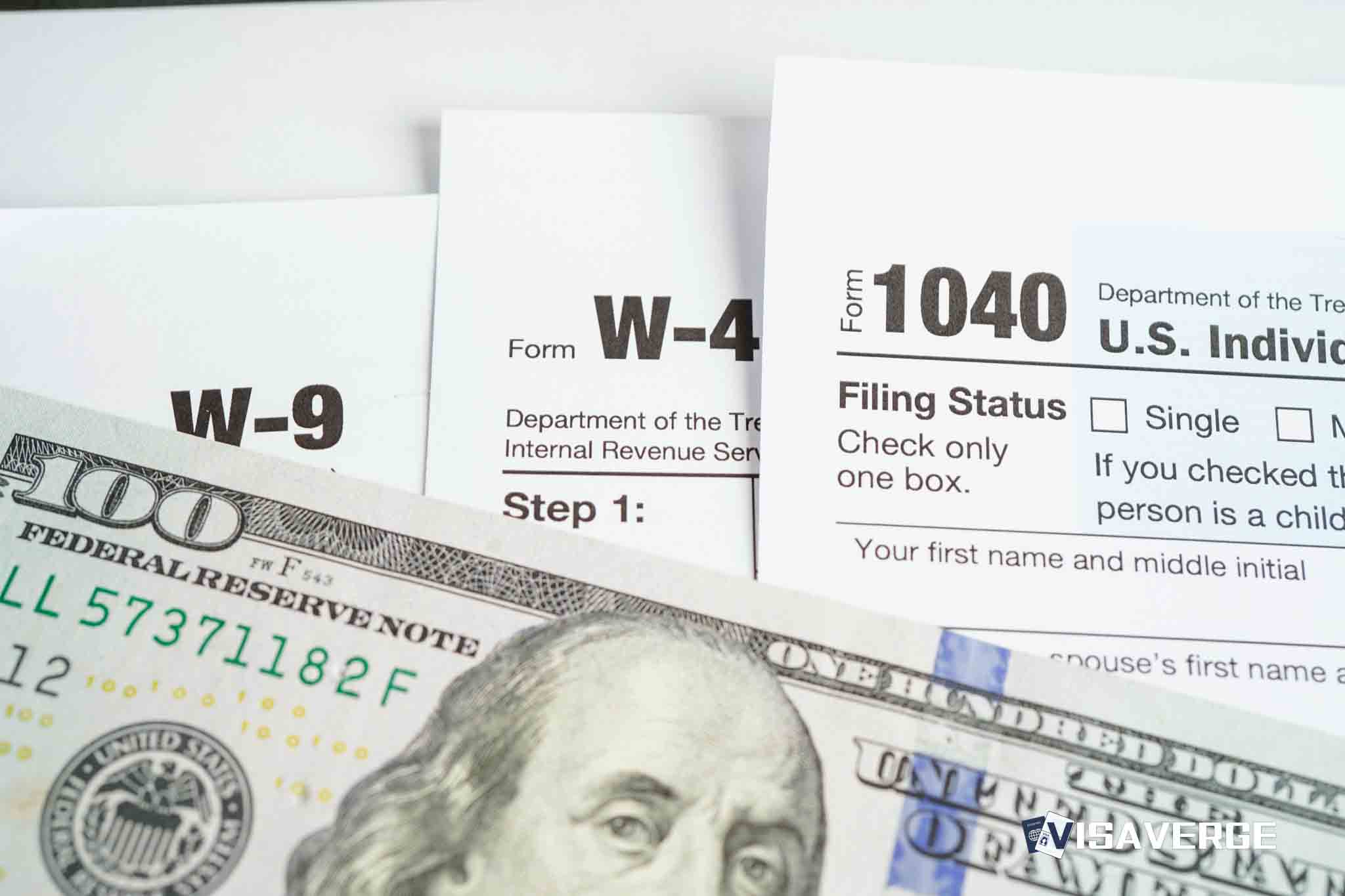
The U.S. Department of the Treasury and the Internal Revenue Service issued proposed regulations on October 1, 2026, for a federal tax credit tied to K-12 scholarships. The rules would implement the Federal Scholarship Tax Credit under section 25F.
The administration calls the program the Education Freedom Tax Credit. It describes the measure as the first federal tax credit supporting private contributions for K-12 scholarships. The proposal lays out how donations would flow through Scholarship Granting Organizations, or SGOs, which distribute scholarships.
Free toolCSPA Age-Out Calculator Online
Taxpayers could claim up to $1,700 for qualifying donations, while married couples filing jointly could claim up to $3,400, Treasury said. The program is scheduled to begin January 1, 2027. Those are the maximum credits.
States would have to opt in to participate. Treasury also issued temporary regulations covering the state sign-up process and related procedures before the launch. States will decide whether to join; federal rules would govern participating programs.
States can opt in, but federal rules set boundaries
The proposed rules set an income ceiling for families receiving scholarships: no more than three times the median income for their county or metropolitan area, adjusted for family size. That limit applies across participating states.
States could not impose restrictions on SGOs that go beyond federal law. The rules bar state limits tied to a student’s type of school or the expenses a scholarship can cover. They also establish a framework for scholarship organizations operating across state lines.
The administration has presented the program as potentially reaching families in at least 30 states, if those states opt in. The state-by-state choice also puts governors in the position of deciding whether to participate, a decision expected to intensify pressure on Democratic governors.
Scholarships can cover tuition, tutoring and equipment
Scholarships could pay for private school tuition and homeschooling, as well as other eligible education costs. The listed expenses include tutoring, books and computers.
The rules also include services for students with disabilities. Participating states could not narrow the federal list of covered expenses through stricter limits on scholarship organizations.
The comment period and state decisions will shape the rollout
The proposed regulations will remain open for public comment for 60 days after publication. Treasury has scheduled a public hearing for December 15, 2026.
The temporary rules address how states opt in and how SGOs prepare for the program. That process will run ahead of the planned January 1, 2027 start.