- A September 9, 2026 investigation found at least twenty hog farms tied to Pillen Family Farms used undocumented workers for years.
- Records showed at least a dozen workers were charged with fake or stolen IDs between 2015 and 2024.
- The report entered Nebraska’s 2026 governor’s race, challenging Jim Pillen’s immigration rhetoric and campaign credibility.
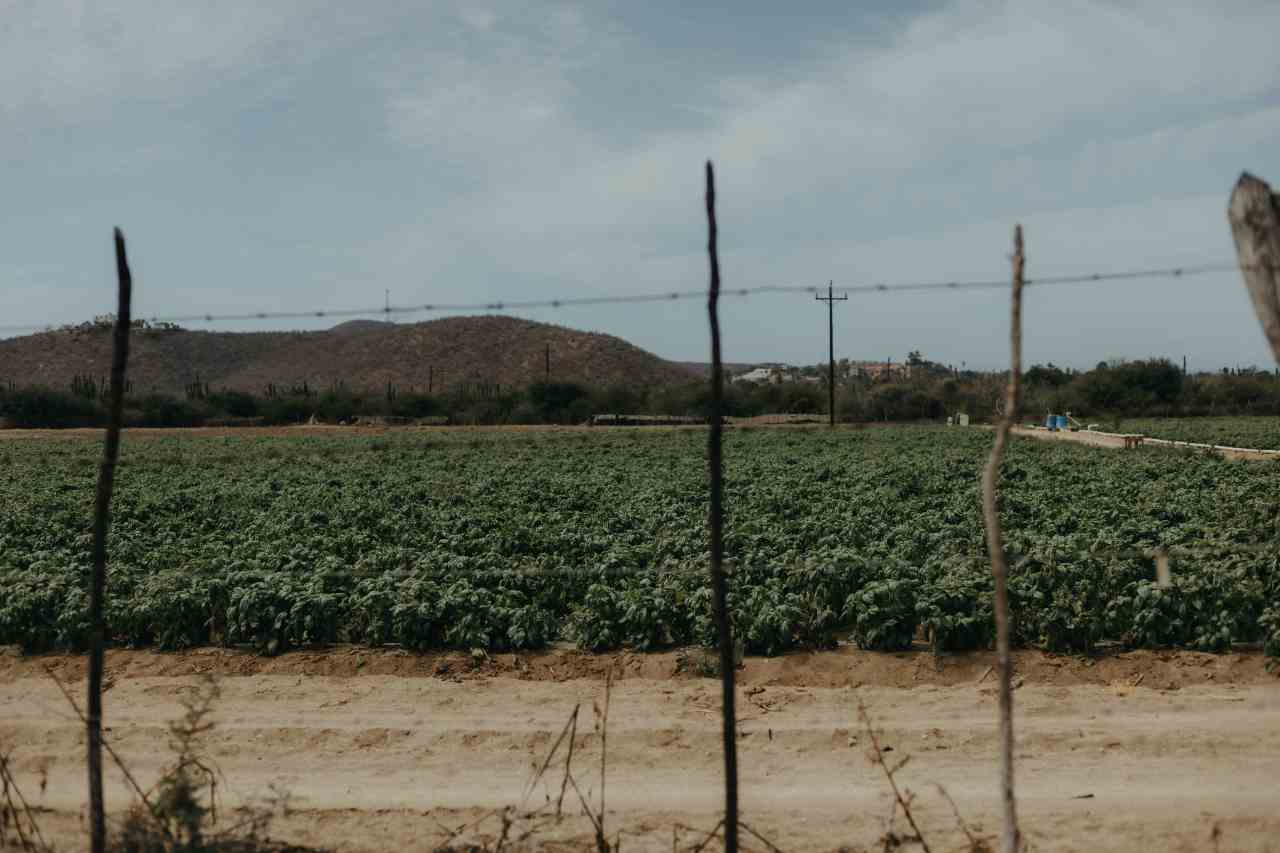
A joint investigation published September 9, 2026, found that at least 20 hog farms operated by Pillen Family Farms employed undocumented workers for more than a decade. The findings put Nebraska Governor Jim Pillen’s family business against his public support for President Donald Trump’s immigration crackdown.
The investigation came during Pillen’s reelection campaign. It examined court records and interviews involving workers who used false or stolen identities to obtain employment.

Pillen has used stark language on immigration. He has called people without legal status “criminal illegal aliens” and said they have “invaded our country.”
His January 2026 state of the state address included another call for enforcement.
| India | China | ROW | |
|---|---|---|---|
| EB-1 | Feb 01, 2023 | Aug 01, 2023 ▲31d | Current |
| EB-2 | Nov 01, 2013 | Oct 01, 2021 | Apr 01, 2025 ▲90d |
| EB-3 | Jan 22, 2014 ▲21d | Jan 22, 2022 ▲14d | Jun 15, 2024 ▲31d |
| F-1 | Jan 22, 2021 ▲366d | Jan 22, 2021 ▲366d | Jan 22, 2021 ▲366d |
| F-2A | Oct 22, 2026 ▲30d | Oct 22, 2026 ▲30d | Oct 22, 2026 ▲30d |
“The need for going after those criminal illegal aliens could not be more clear today.”
The company denies knowingly hiring anyone without legal status. Laura Strimple, Pillen’s spokeswoman, said the business exceeded its verification obligations.
“Jim Pillen never knowingly hired an illegal immigrant and went above and beyond the legal requirements to verify the immigration status of his employees.”
Sarah Pillen, the farms’ co-chief executive, also defended the company’s hiring practices. She said the business follows employment laws and voluntarily uses E-Verify, a federal employment-verification program.
“Our team takes a great deal of pride and responsibility in following all employment laws. We have never knowingly hired an illegal immigrant.”
The company employs about 1,200 people across four states and Canada. Its officials say workers’ required identification documents were reviewed.
The employment cases span nearly a decade
The records and interviews describe several kinds of evidence. Some workers faced criminal charges. Others told investigators they lacked legal status but were not charged over the identities they used.
| Finding | Reported detail |
|---|---|
| Hog farms identified | At least 20 |
| Workers charged | At least a dozen |
| Employment period in the records | 2015 and 2024 |
| Former workers acknowledging no legal status | Six |
| Workers using false identities without related charges | At least 10 |
At least a dozen workers were charged with using fake or stolen IDs for employment between 2015 and 2024. Six former workers said they themselves lacked legal status.
At least 10 people who assumed false identities never faced criminal charges for doing so. Those categories do not establish that company officials knew each worker’s status.
The investigation instead presents separate pieces of evidence: court cases, interviews and the company’s account of its verification procedures. The company says it did not knowingly employ people without authorization.
A former worker described how a false identity was accepted
David Armendariz, a former employee from Mexico who lacked legal status, said the company accepted his fake ID. He described the practice in blunt terms.
“Everyone knows that it’s not your name, but they don’t ask you what your name is.”
Armendariz’s account is one of six former workers’ statements that they lacked legal status. The broader group included workers who used identities that did not belong to them.
Their accounts differ from the company’s position on knowledge. Company officials say they never knowingly hired an illegal immigrant and voluntarily participated in E-Verify.
ICE records show no audits or inspections in 15 years
The reporting cited federal records showing no record of ICE audits or inspections at the farms during the last 15 years. That absence does not prove that individual hiring violations occurred. It shows only what the cited records contained about agency activity.
Samuel Bethune, a former Platte County public defender, said he represented hundreds of undocumented immigrants every year. He recalled clients who identified themselves as workers at the farms but lacked valid employment documents.
The reporting described unauthorized labor as an “open secret” at some Nebraska farms. It also said farms in Nebraska and other states rely on immigrants amid labor shortages.
Pillen built the business into one of the nation’s largest pork producers. That scale gives the employment allegations a reach beyond a single workplace.
Pillen answered the investigation by attacking its premise
After the investigation appeared, Pillen said the publication had repeatedly targeted his family, business and Nebraska agriculture. He disputed the report’s factual basis.
“This is the same outlet that has targeted me, my family, my family’s business and Nebraska agriculture since 2021,”
He added:
“This story is more grounded in base clicks, than basic facts.”
The response did not change the company’s stated position. Strimple said Pillen never knowingly hired an illegal immigrant, while Sarah Pillen said the business follows employment laws and participates voluntarily in E-Verify.
The findings have entered the governor’s campaign
The investigation quickly became an issue in Nebraska’s 2026 governor’s race. Lynne Walz, the Democratic nominee, used it to challenge Pillen’s credibility.
“Four years of Jim Pillen has taught us one thing: what he says and what he does are two different things.”
Brett Lindstrom, the America First Party nominee, is also running for governor. The report gives Pillen’s opponents a campaign issue that links his family business to the immigration policy he has promoted publicly.
The dispute turns on a narrow but consequential question: whether the company’s verification procedures operated alongside, or failed to detect, workers using false identities. The records establish charges and worker accounts. They do not by themselves establish what individual company officials knew.
Pillen’s political future will be tested during the 2026 campaign, as his statements on immigration remain tied to scrutiny of the business he built. The investigation’s employment records cover cases through 2024.
This article provides general information and is not legal advice. Consult a qualified immigration attorney about your specific case.