Belgium’s migration minister said about 60 Afghan nationals serving prison sentences could face deportation after completing their terms, putting post-prison returns at the center of a debate over security and removal policy.
Anneleen Van Bossuyt, Belgium’s Minister for Asylum and Migration and a member of the N-VA, made the statement in parliament on October 2, 2026. The people she described are in Belgium without legal residence and currently in prison.
The minister said she did not want the Afghan prisoners released into the community. Some of the cases involve serious convictions, including murder and rape; her remarks specifically cited rape of minors.
Free toolUSCIS Receipt Number Decoder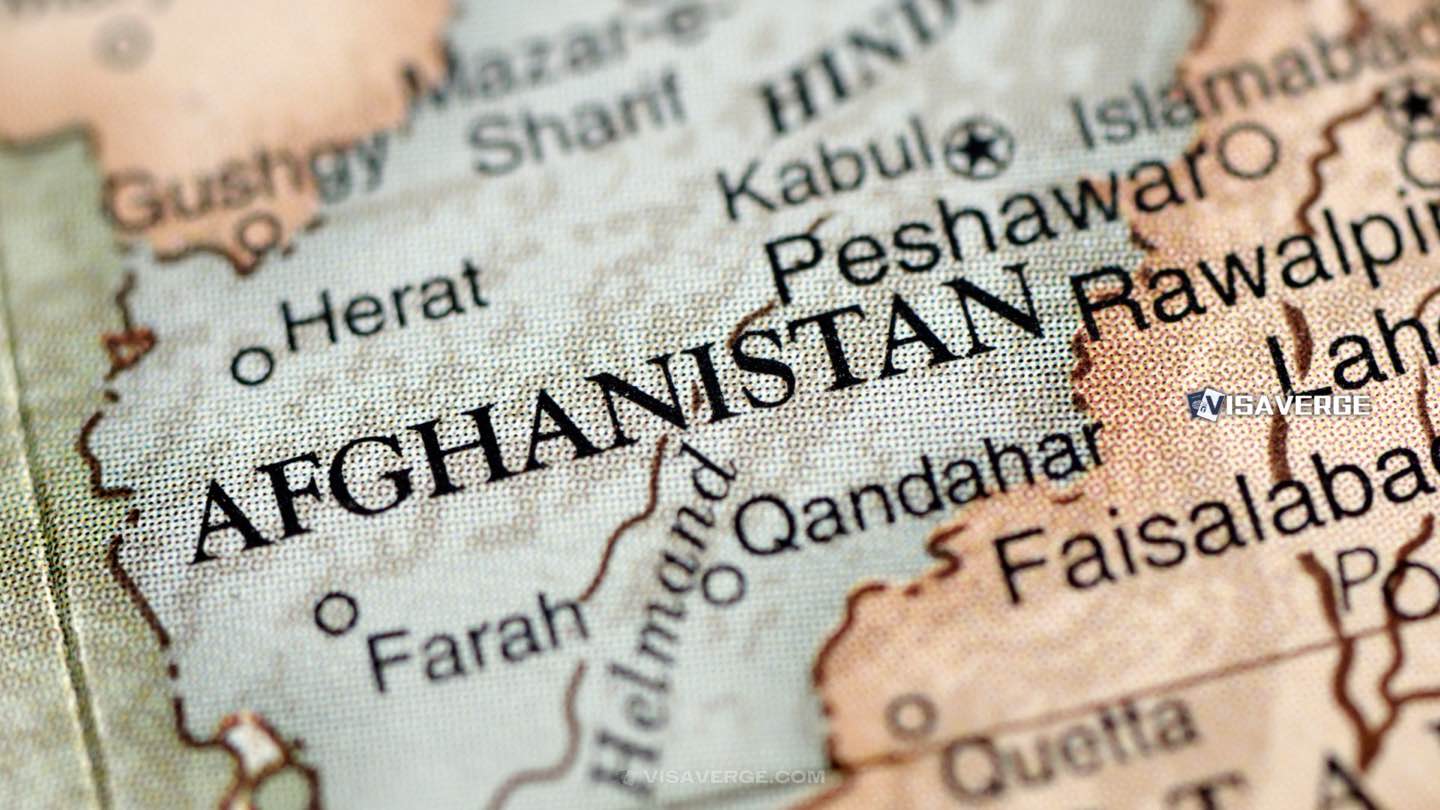
The proposal concerns what may happen after custody ends. It does not describe immediate removal from prison.
Van Bossuyt framed the proposal as a public-safety measure, saying she did not want the men free in Belgium after serving their sentences. She also rejected the idea that contact with Afghan officials amounted to political backing for the authorities there.
| India | China | ROW | |
|---|---|---|---|
| EB-1 | Feb 01, 2023 ▲109d | Jul 01, 2023 | Current |
| EB-2 | Nov 01, 2013 | Oct 01, 2021 ▲30d | Jan 01, 2025 |
| EB-3 | Jan 01, 2014 | Jan 08, 2022 ▲7d | May 15, 2024 ▼109d |
| F-1 | Jan 22, 2020 | Jan 22, 2020 | Jan 22, 2020 |
| F-2A | Sep 22, 2026 ▲31d | Sep 22, 2026 ▲31d | Sep 22, 2026 ▲31d |
“I do not want them walking freely around our territory,”
“Afghan criminals who are staying illegally and are in our prisons, for example for the rape of minors, must return after serving their sentences”
The statements were made in parliament. Van Bossuyt said discussions with Afghan authorities were aimed at security, including the safety of women and girls in Belgium.
Any return would follow prison terms and still face practical and legal tests
The minister’s remarks set out an intention, not an automatic outcome for every person in the group. Any return would come after the sentence is complete, and would depend on practical steps such as confirming identity and securing travel documents.
Legal protections also constrain removals where a person could face serious harm on return. Those requirements mean the political announcement alone cannot establish that every individual will be sent to Afghanistan.
Belgium has already taken steps to discuss return procedures with Afghan representatives. In June 2026, it granted a visa to a delegation from the Islamic Emirate of Afghanistan for talks in Brussels.
A first case followed in July 2026, when Belgium deported an Afghan national convicted of drug trafficking. That removal shows the government has carried out at least one return, but the minister’s statement concerns a larger group and does not guarantee the same outcome in each case.
Belgium’s return agenda has widened beyond this group
The proposed returns sit within a broader Belgian effort to expand removals, including through “return hubs” and increased cooperation with destination countries. The policy discussion has also drawn on calls from other European governments.
In October 2025, 20 European countries sent a joint letter to the European Commission urging it to prioritize the deportation of Afghan citizens. That push formed part of a wider European backdrop, rather than a decision resolving the individual cases in Belgium.
The people at issue are described as both convicted of crimes and unlawfully present. The proposed approach is not a blanket policy covering all Afghan nationals in Belgium.
The proposal has become part of a wider coalition dispute
The return policy has also become entangled with disagreements inside Belgium’s governing coalition. Reporting linked the debate to a compromise on Gaza evacuations prepared by Foreign Minister Maxime Prévot, a member of Les Engagés.
The dispute concerns the use of Afghan return policy in broader migration negotiations, including the argument over Gaza evacuations. That political friction has accompanied the government’s push for more removals and more cooperation on returns.
Activists in Belgium have criticized the proposed policy. Van Bossuyt, by contrast, said contact with Afghan authorities did not amount to recognizing or supporting the Islamic Emirate; she presented the discussions as a security measure.
Implementation will turn on cooperation with Afghan authorities and Belgium’s removal procedures, alongside the legal protections that apply to each person. The June talks in Brussels were specifically intended to discuss return procedures.