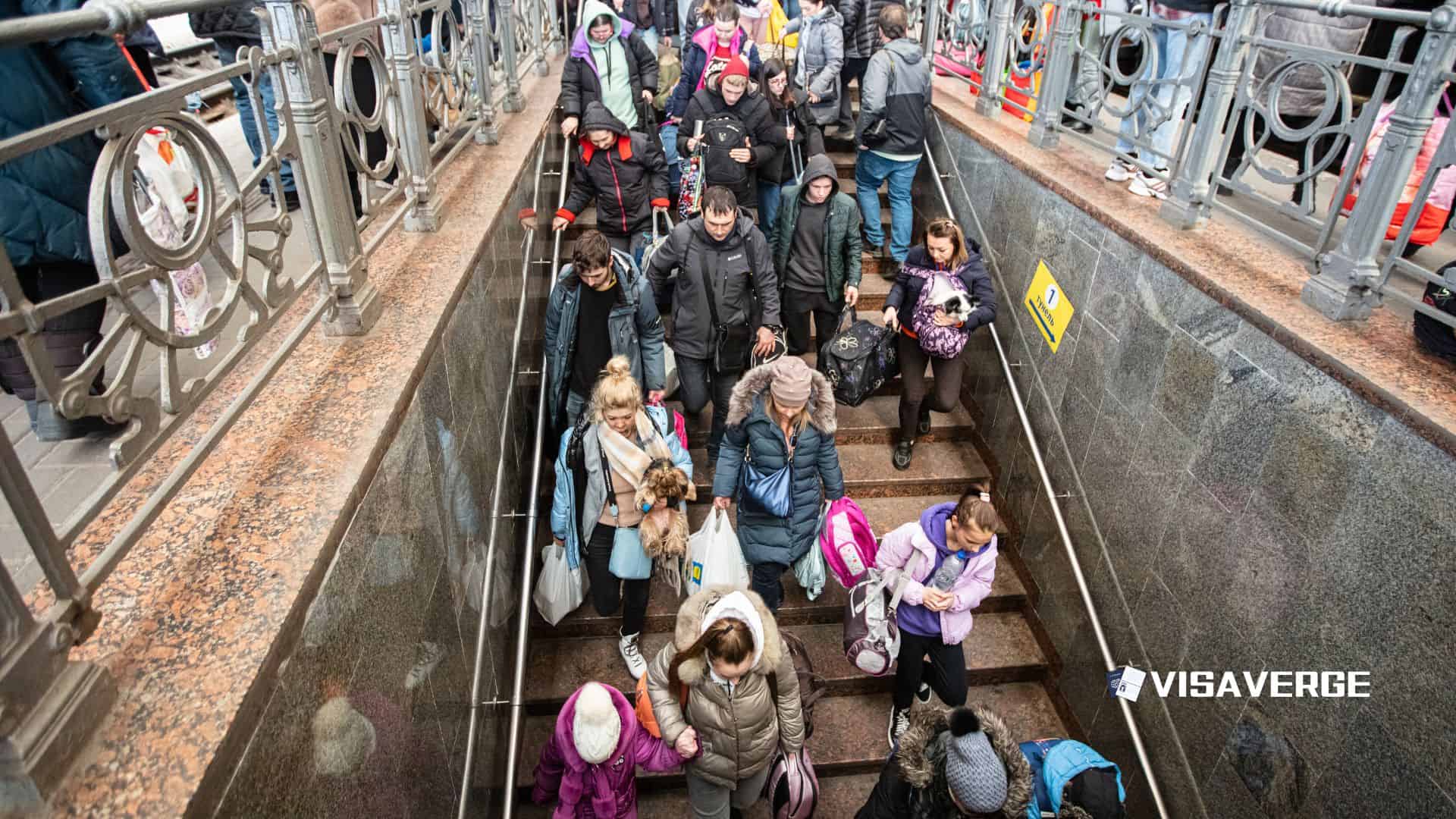
- Germany plans to increase deportation flights to Kabul, targeting three charter operations per month.
- The policy specifically focuses on Afghan nationals convicted of serious crimes like murder and rape.
- Removals will utilize a dual-track approach involving both charter flights and regular commercial service.
GERMANY — Germany is weighing a plan to increase deportation flights to Kabul to as many as three per month. The proposal targets Afghan nationals convicted of serious crimes. Removals would continue via both charter and regular commercial flights amid diplomatic and security considerations.
Interior Minister Alexander Dobrindt is tied to the proposal, which sharpens Germany’s migration enforcement posture. The plan focuses on a specific category: Afghan nationals convicted of offenses including murder and rape. It is not a blanket removal policy for all Afghan asylum seekers.
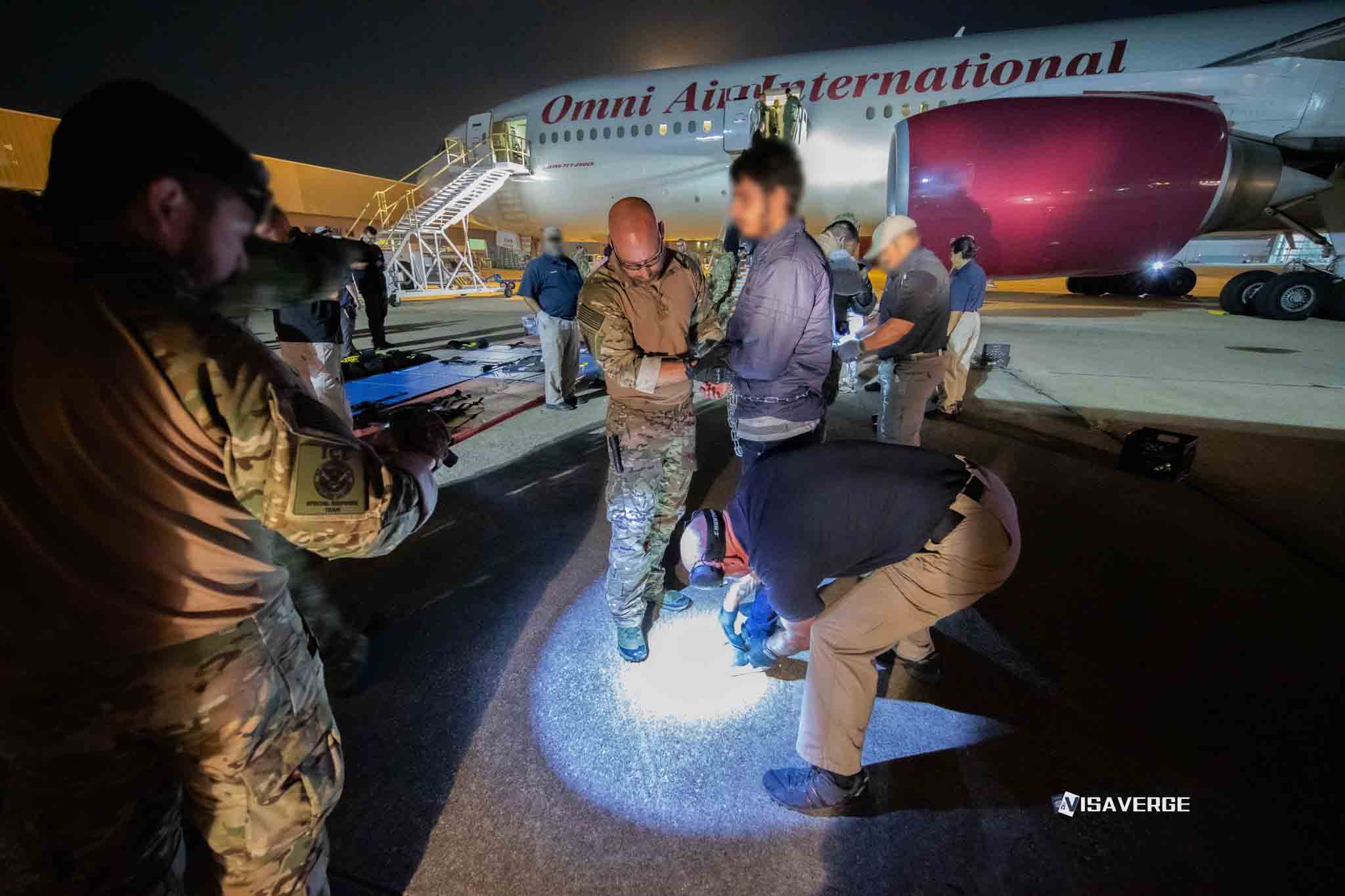
A recent charter flight carried 32 Afghan nationals back to Kabul, according to multiple reports. That operation demonstrated the mechanism German authorities have developed for removals to Afghanistan. Diplomatic ties remain complicated by the Taliban’s return to power. Each flight requires coordination between federal police, the interior ministry, and destination airport authorities.
German authorities want to continue removals through both charter and regular commercial flights. Charter operations allow greater control over passenger manifests and security protocols. Commercial flights depend on airline cooperation and the willingness of transit countries to accept deportees on scheduled service.
The proposed cadence of up to three charter flights per month would mark a notable increase from prior removal efforts. Berlin intends to systematize a process that has operated on a more ad hoc basis. Dobrindt’s interior ministry has framed the tougher migration policy as a response to public safety concerns.
By limiting removals to convicted criminals, German authorities narrow the legal and diplomatic exposure. International law, including European Court of Human Rights jurisprudence, restricts deportations to countries where individuals face a real risk of torture or inhuman treatment. The criminal-conviction threshold may be an attempt to thread that legal needle.
| Policy element | Detail | Notes |
|---|---|---|
| Proposed frequency | Up to three charter flights per month | Not yet finalized |
| Target group | Afghan nationals convicted of serious crimes | Includes murder, rape convictions |
| Removal methods | Charter and regular commercial flights | Dual-track approach |
| Destination | Kabul, Afghanistan | Access depends on Taliban cooperation |
| Recent operation | 32 Afghan nationals returned | Charter flight to Kabul |
| Policy lead | Interior Minister Alexander Dobrindt | Tougher migration enforcement |
Germany has conducted removals to Afghanistan through arrangements that avoid direct bilateral engagement with Taliban authorities. Neither Germany nor the European Union formally recognizes the Taliban government. Flight arrangements must proceed through intermediary channels rather than standard diplomatic aviation agreements.
The interior ministry has not published a detailed schedule for the proposed charter flights. Operational details, including which German airports would serve as departure points, remain undisclosed. A frequency of three flights per month would require sustained coordination across multiple German agencies and Afghan airport authorities.
The flight carrying 32 Afghan nationals to Kabul illustrated both the capacity and the constraints of Germany’s deportation framework. Charter operations require securing landing rights, ground handling agreements, and security arrangements at Kabul’s airport. Each element depends on cooperation from authorities controlling Afghan airspace and ground facilities.
Removals via regular commercial flights add another layer of complexity. Airlines must agree to carry deportees, and transit countries may impose their own restrictions. Some carriers have historically resisted carrying passengers under forced removal orders, citing safety and liability concerns on board.
The dual-track approach gives German authorities operational flexibility. When commercial routes are unavailable, charters fill the gap. When individual removals can be handled through scheduled service, charter capacity is preserved for larger groups. That flexibility matters given the uncertain security environment in Afghanistan.
Convicted criminals who have served sentences in Germany face different legal thresholds than asylum seekers whose claims are rejected. The policy’s viability depends on whether courts accept that Afghanistan can receive these individuals safely. Germany has no embassy in Kabul, which complicates consular oversight of removals and post-arrival monitoring.
European Union regulations and European Convention on Human Rights obligations continue to apply to all German deportations. Advocacy groups have challenged prior removals on the grounds that conditions in Afghanistan make any return unsafe. Any expansion of the charter flight program would need to account for these legal challenges.
The Taliban’s control of Kabul means flight logistics require tacit cooperation, even without formal diplomatic recognition. German authorities have not publicly disclosed the specific terms of these operational agreements. Whether the monthly cadence of three flights can be sustained depends on factors that remain outside Berlin’s direct control.
This article discusses deportation policy and safety considerations; consult official government statements for current guidance and timelines.