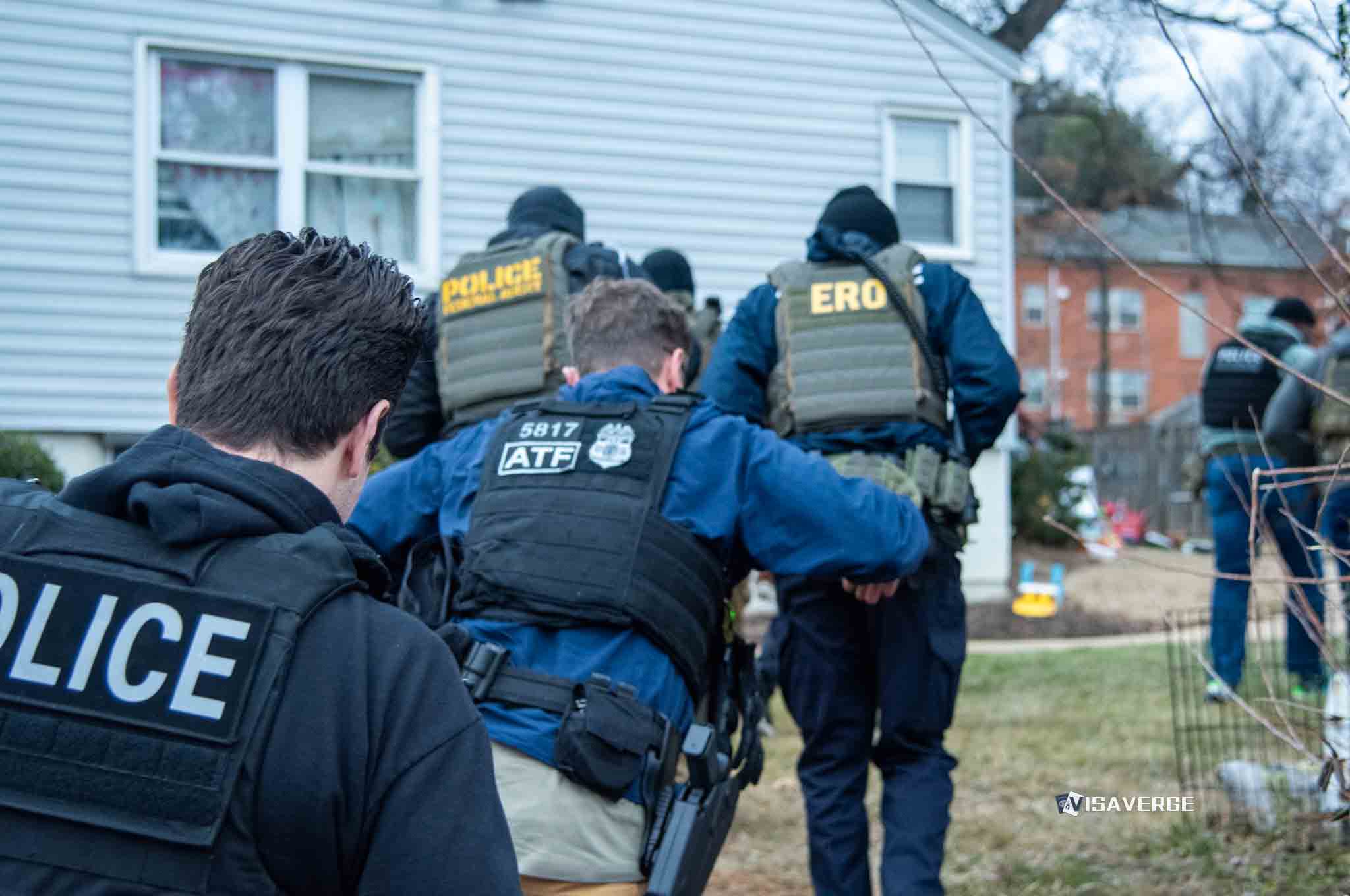
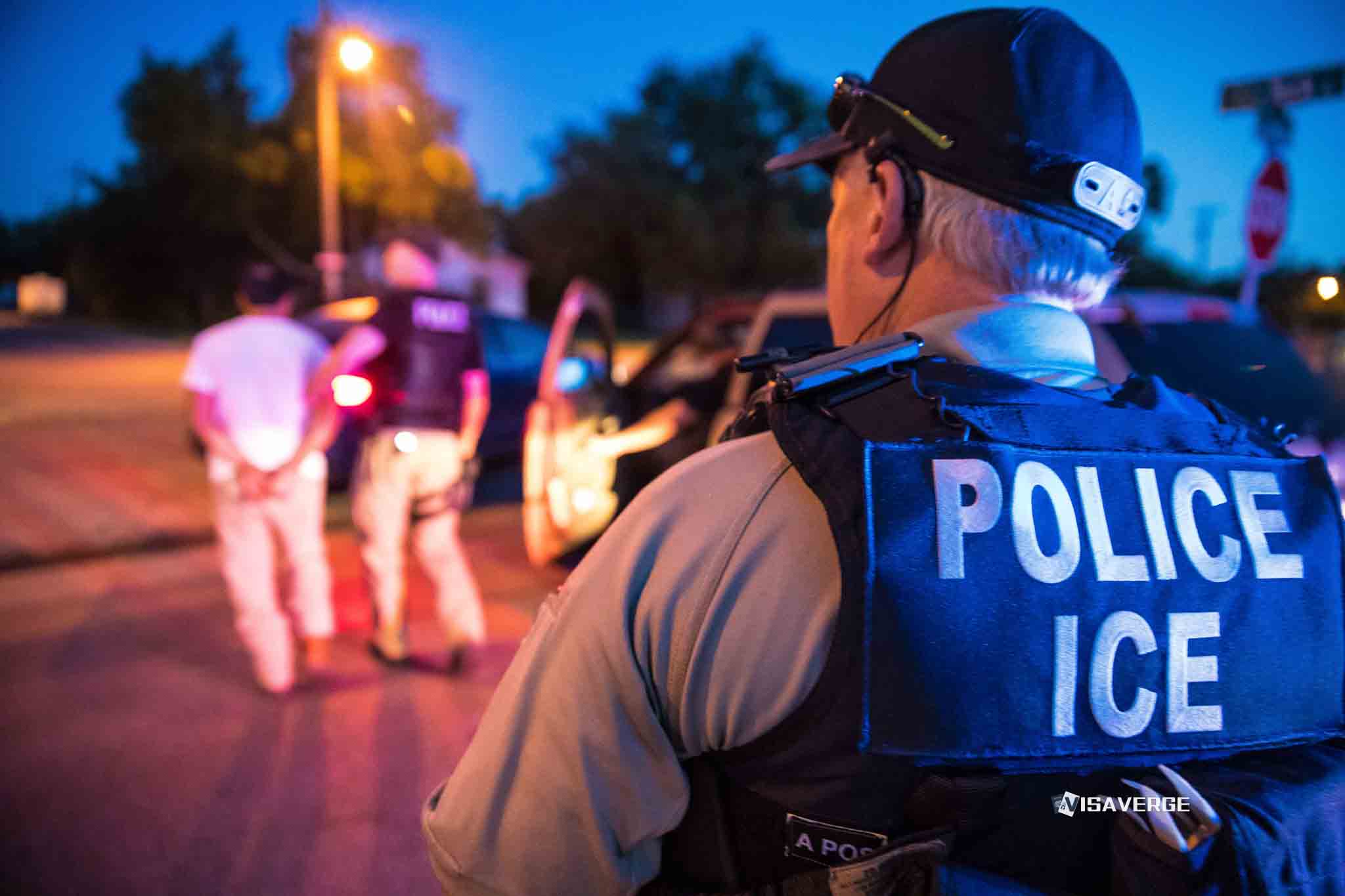
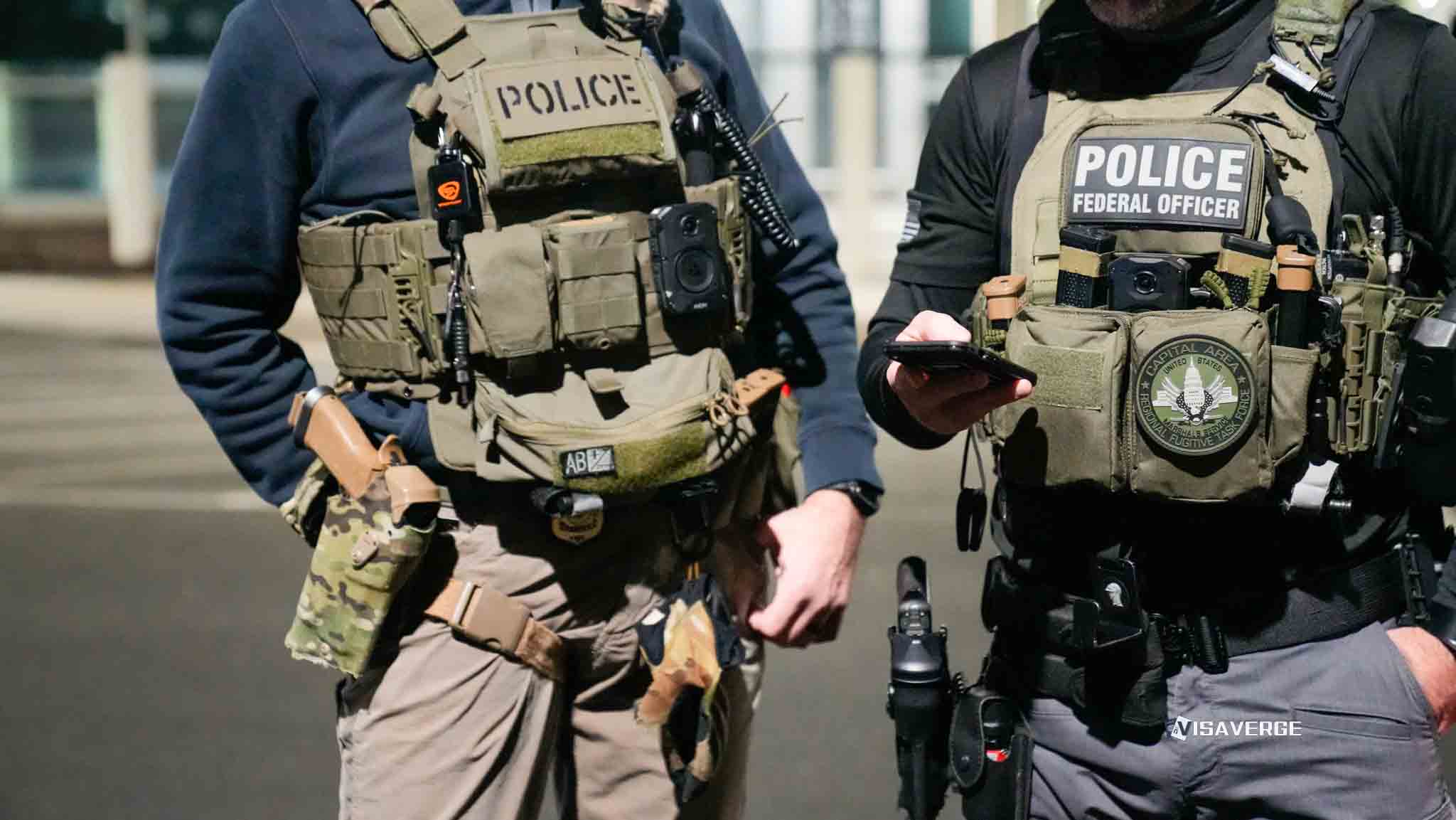
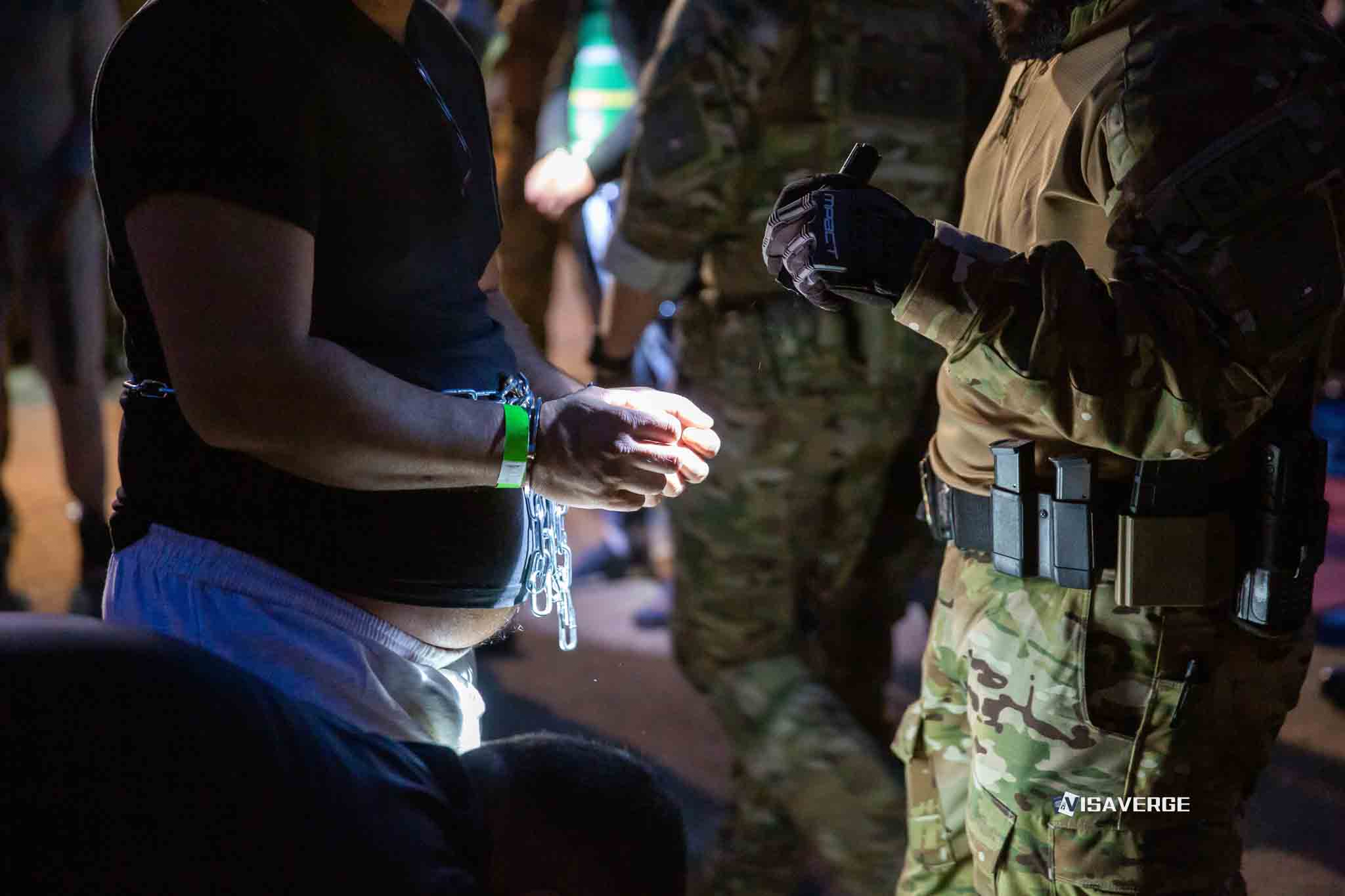
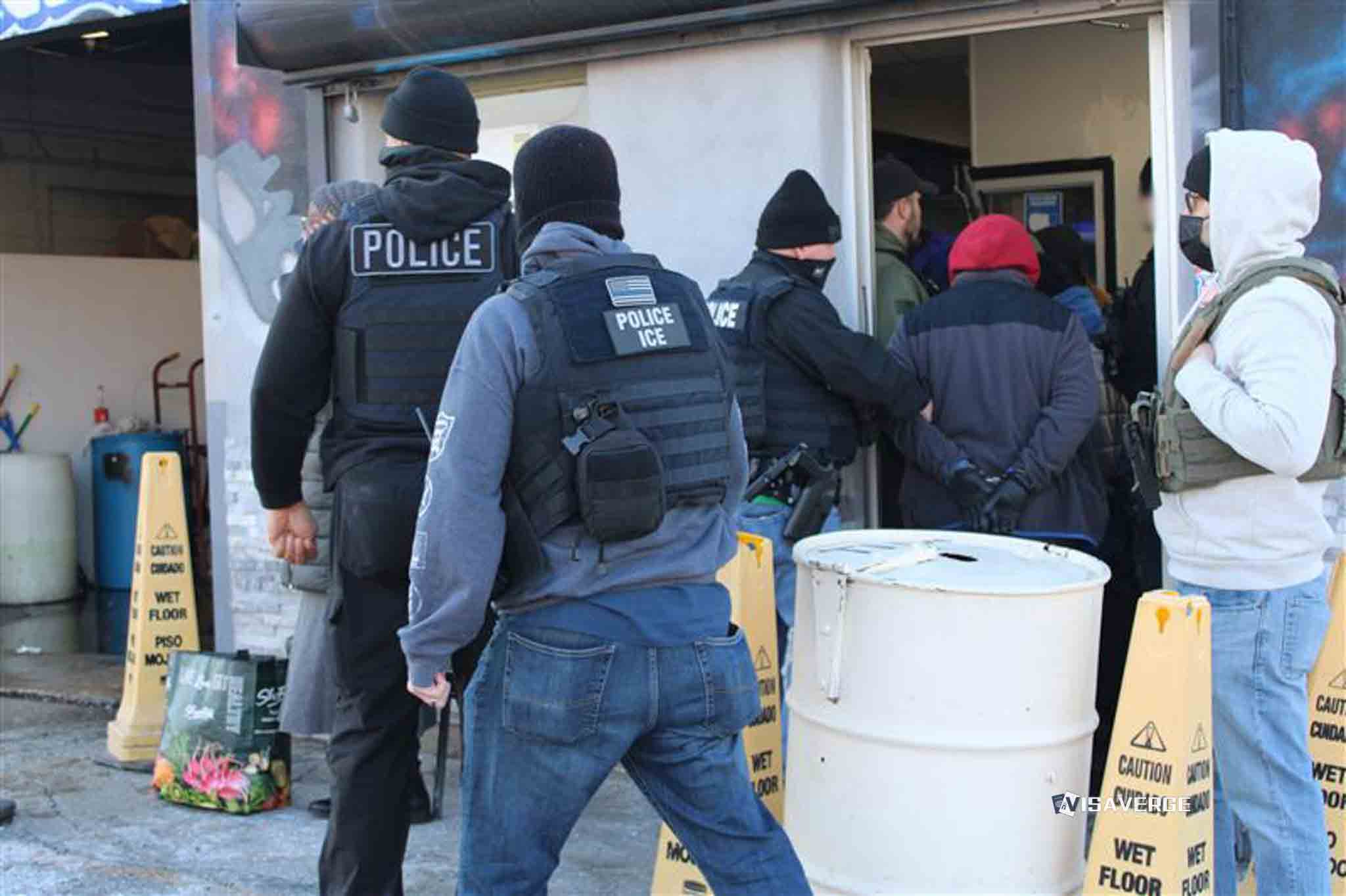
Sen. Angus King and 38 Senate colleagues sent a new letter to DHS Secretary Markwayne Mullin on Sunday pressing for sweeping ICE reforms after the fatal shootings in Maine and Houston. The lawmakers demanded body-worn cameras, clearer “ICE” identification on uniforms, and a review of vetting practices tied to domestic violence history, as DHS moved to require cameras on every arrest team and said neither victim was the intended target.
- July 7 in Houston, Lorenzo Salgado Araujo was killed; July 13 in Biddeford, Maine, Johan Sebastian Durán Guerrero was fatally shot.
- July 14, 2026, DHS announced that every ICE arrest team must have at least one agent wearing a body-worn camera, covering “all aspects of ICE enforcement activities”.
- More than half of ICE field offices have received cameras, and the remaining offices are set to receive them within 60 days.
- The senators asked DHS to stop agents from wearing generic “POLICE” gear and to require uniforms that clearly identify them as “ICE”; they also pressed for scrutiny of records tied to domestic violence after reports of a documented history involving the Biddeford officer.
- Federal immigration agents killed at least five people during enforcement operations so far in twenty twenty-six.
- Fatal shootings in Maine and Texas involved victims not intended for the original enforcement targets.
- Deaths in ICE custody surged by one hundred forty percent compared to previous administrative records.
The Department of Homeland Security said an ICE agent fatally shot Johan Sebastian Guerrero during a traffic stop in Biddeford, Maine, on July 13, after the 26-year-old Colombian national allegedly tried to flee.
The agency said the vehicle attempted to leave and created a public-safety threat. DHS gave this account:
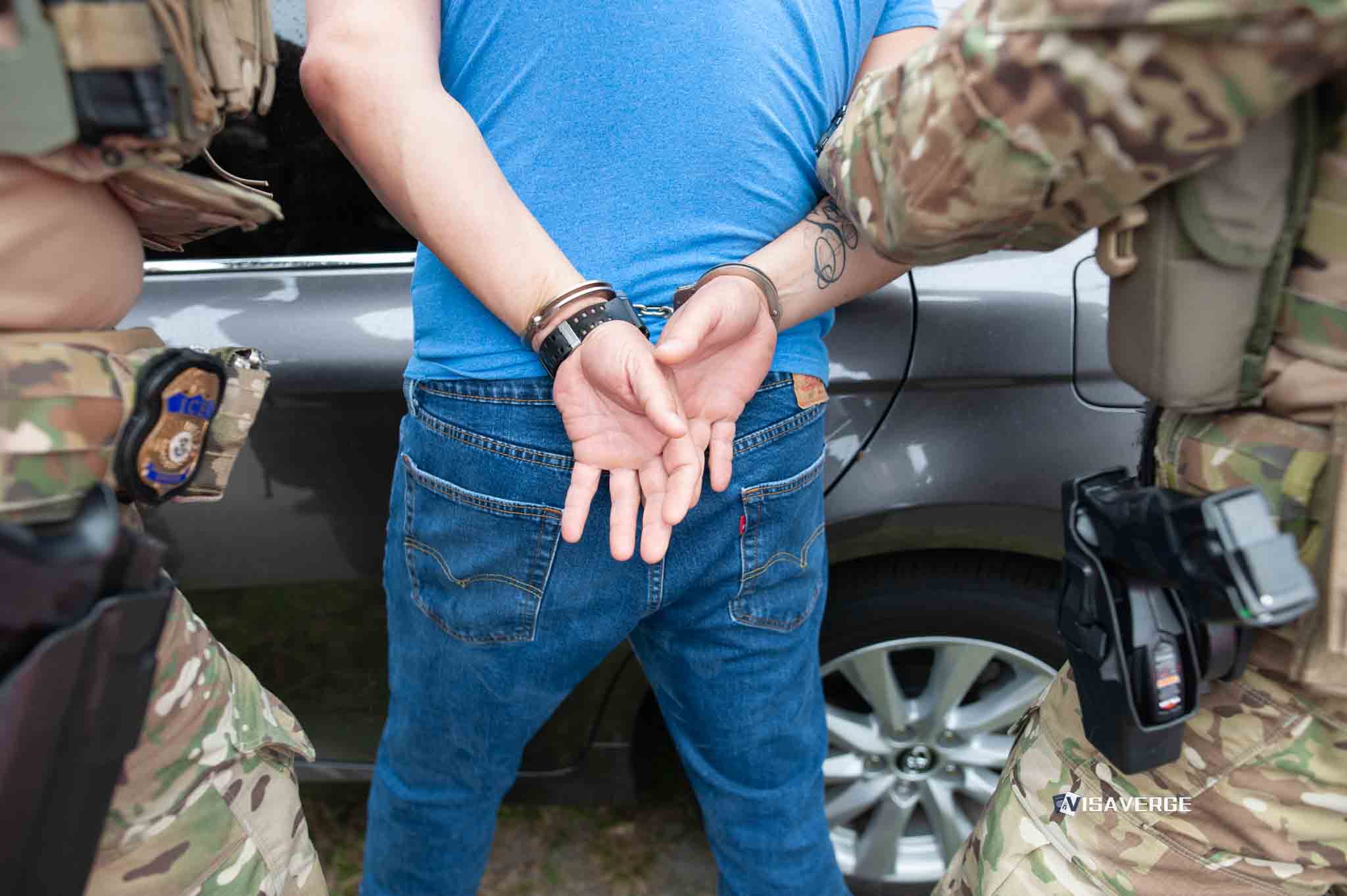
“The vehicle attempted to flee the scene and, fearing for public safety, an officer discharged his weapon.”
Guerrero was not the intended target, according to reporting on the shooting. DHS later acknowledged that point. He also had legal work authorization.
The shooting followed another fatal encounter in Houston on July 7. Lorenzo Salgado Araujo, 52, a Mexican national and construction worker, died after federal officers opened fire during an operation aimed at two Guatemalan men.
The two shootings have pushed the reported number of people killed by U.S. immigration agents during President Donald Trump’s second term to at least five. The total depends on how officials and watchdogs classify deaths linked to enforcement.
Public tallies also describe at least 11 fatal shootings involving federal immigration officers since January 20, 2025. A separate count records 22 incidents in which federal immigration officers shot at people during the second term, as of July 13.
A mistaken vehicle identification preceded the Houston shooting
U.S. Attorney Aaron Reitz of the Southern District of Texas said officers were pursuing two Guatemalan men whose vehicle was a “van similar to the one Salgado Araujo was driving when he was killed.”
DHS said Salgado Araujo ignored commands and tried to ram an agent. Witnesses and relatives disputed that description. The shooting killed a father of three.
The Houston encounter reflected a pattern identified in summaries of recent shootings: most involved vehicles, and several victims were not the intended targets of enforcement operations.
The Maine and Texas shootings came during what DHS described as an intensifying confrontation over federal immigration enforcement. On July 15, the department condemned “sanctuary politicians' rhetoric against ICE and CBP,” saying that rhetoric was “fueling vehicle attacks against federal officers.”
DHS Secretary Mark Mullin faced pressure from Congress on July 16 to address the “uptick in violence” and release body-camera footage from recent fatal encounters.
Separate counts include deaths in detention
Fatal shootings account for only part of the administration’s reported death toll. ICE custody deaths are counted separately from people killed during street-level operations.
| Measure | Reported figure | Time frame or cutoff |
|---|---|---|
| Deaths in ICE custody | 52 | January 20, 2025, through June 4, 2026 |
| Total ICE custody deaths | At least 55 | By July 15, 2026 |
| Fatal shootings involving federal immigration officers | At least 11 | Since January 2025 |
| Incidents in which officers shot at people | 22 | As of July 13, 2026 |
| People killed by immigration agents | At least five | By mid-July 2026 |
The custody total includes 33 deaths in 2025 and 22 during 2026 through July 15. The reported annual mortality rate in ICE custody rose approximately 140% during the administration’s first year compared with the previous year, reaching nearly four times the rate recorded during the Biden administration.
The detention population also reached 71,000 in January 2026, a record high under the administration’s mass-deportation mandate.
Physicians for Human Rights said in a June 2026 report that the mortality rate had “more than doubled since Trump's second term began.” The group cited poor detention conditions, inadequate health care and overcrowding as primary drivers.
Six named cases show the different types of deaths being counted
The two July shootings sit alongside deaths in detention facilities and hospitals. Reported cases include:
- Mamuka Artmeladze, 43, a Georgian national, was found unresponsive in custody at the Winn Correctional Center in Winnfield, Louisiana, on June 4, 2026.
- Alejandro Cabrera Clemente, 49, a Mexican national, died April 11, 2026, after he was taken to a hospital from ICE custody in Winnfield.
- Tuan Van Bui, 55, a Vietnamese national, died April 1, 2026, in Bunker Hill, Indiana, after officials denied medical release for chronic obstructive pulmonary disease.
- Jose Guadalupe Ramos-Solano, 52, a Mexican national, died in custody at the Adelanto ICE Processing Center in California on March 25, 2026.
Those cases are included in broader custody or enforcement tallies, but they are not all fatal shootings. That distinction accounts for some of the competing totals, which range from at least five people killed to at least six people shot dead and at least nine deaths linked to immigration enforcement.
The administration shifted toward traffic stops
The administration rescinded Biden-era guidance on January 20, 2025. That guidance had directed ICE officers to consider age, health and family responsibilities, including whether a person supported a household, before detention.
After street raids in Chicago and Minneapolis drew political backlash, enforcement shifted toward traffic stops and vehicle interceptions. Advocates have linked that tactical change to the recent fatal shootings.
The administration has also pushed to fill and expand private detention centers. Internal oversight mechanisms that previously monitored medical-care quality were reduced.
Nayna Gupta, policy director of the American Immigration Council, said the recent deaths should not be viewed as isolated events.
“This cannot be dismissed as a series of unrelated tragedies. This is what happens when Congress dumps billions of dollars into mass deportations. mass deportation creates danger, not safety.”
The agency reportedly suspended most vehicle stops on July 15 after Guerrero’s death in Maine. Advocates said a temporary pause would not address the broader policy that produced the encounters.
Nationwide protests were scheduled for July 18 in response to what organizers called the “bloody week” from July 7 through July 13. The protests described four total deaths in immigration-enforcement incidents during that period.
The competing figures will continue to depend on whether a count includes detention deaths, fatal shootings, attempted shootings or other deaths connected to enforcement. The Maine shooting remains under scrutiny as Congress seeks body-camera footage and officials defend the use of force.
This article provides general information and is not legal advice. Consult a qualified immigration attorney about your specific case.