- ICE detained 666 children in California’s interior during the second Trump administration, including more than 100 age five or younger.
- The agency deported 408 children, a 61 percent rate, far above the Biden administration’s roughly 8 percent.
- Southern California arrests surged, and California expanded detention space to nearly 9,000 people across eight facilities.
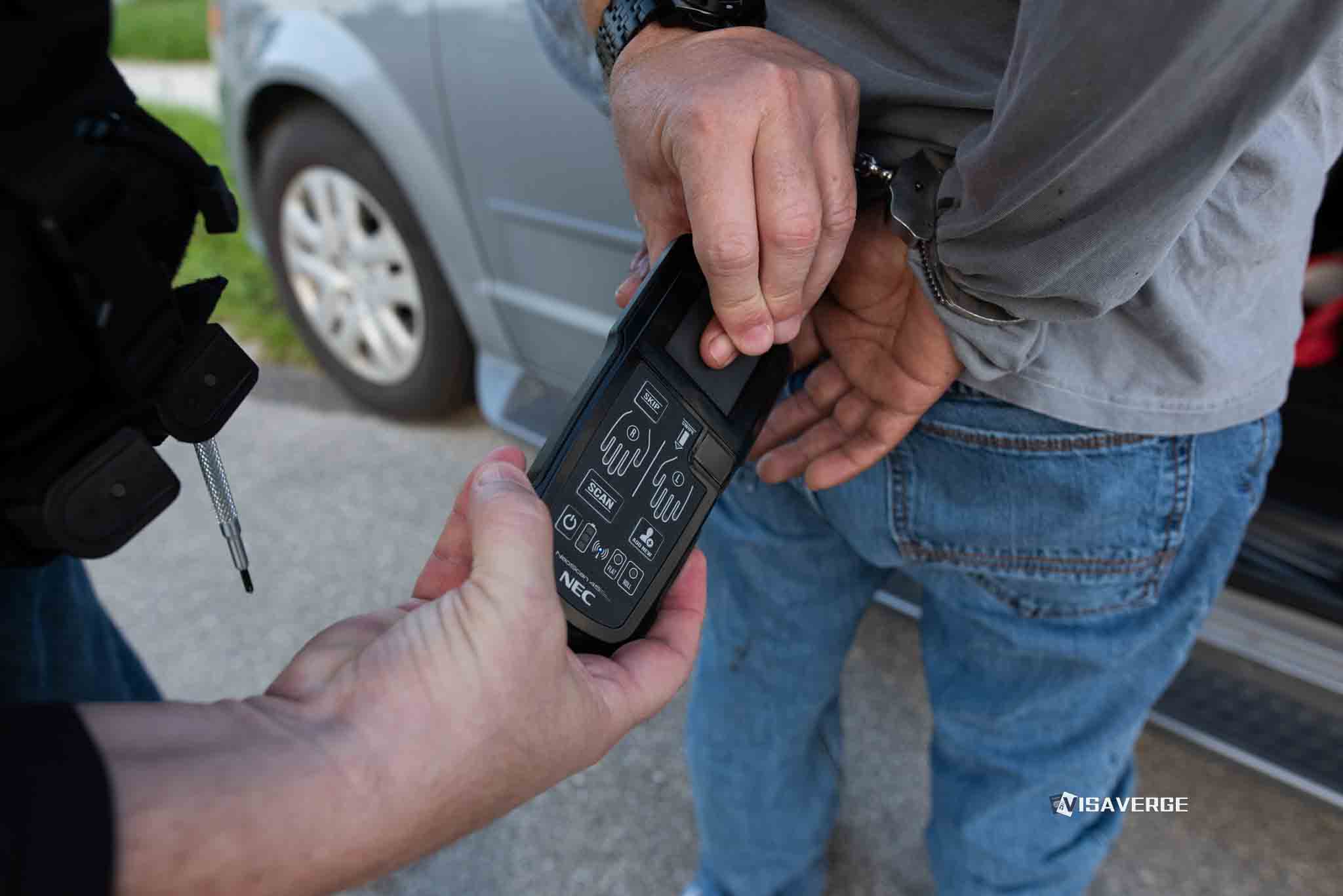
U.S. Immigration and Customs Enforcement has detained 666 children in California’s interior during the second Trump administration, according to an analysis of official ICE data released as the agency expands enforcement across the state.
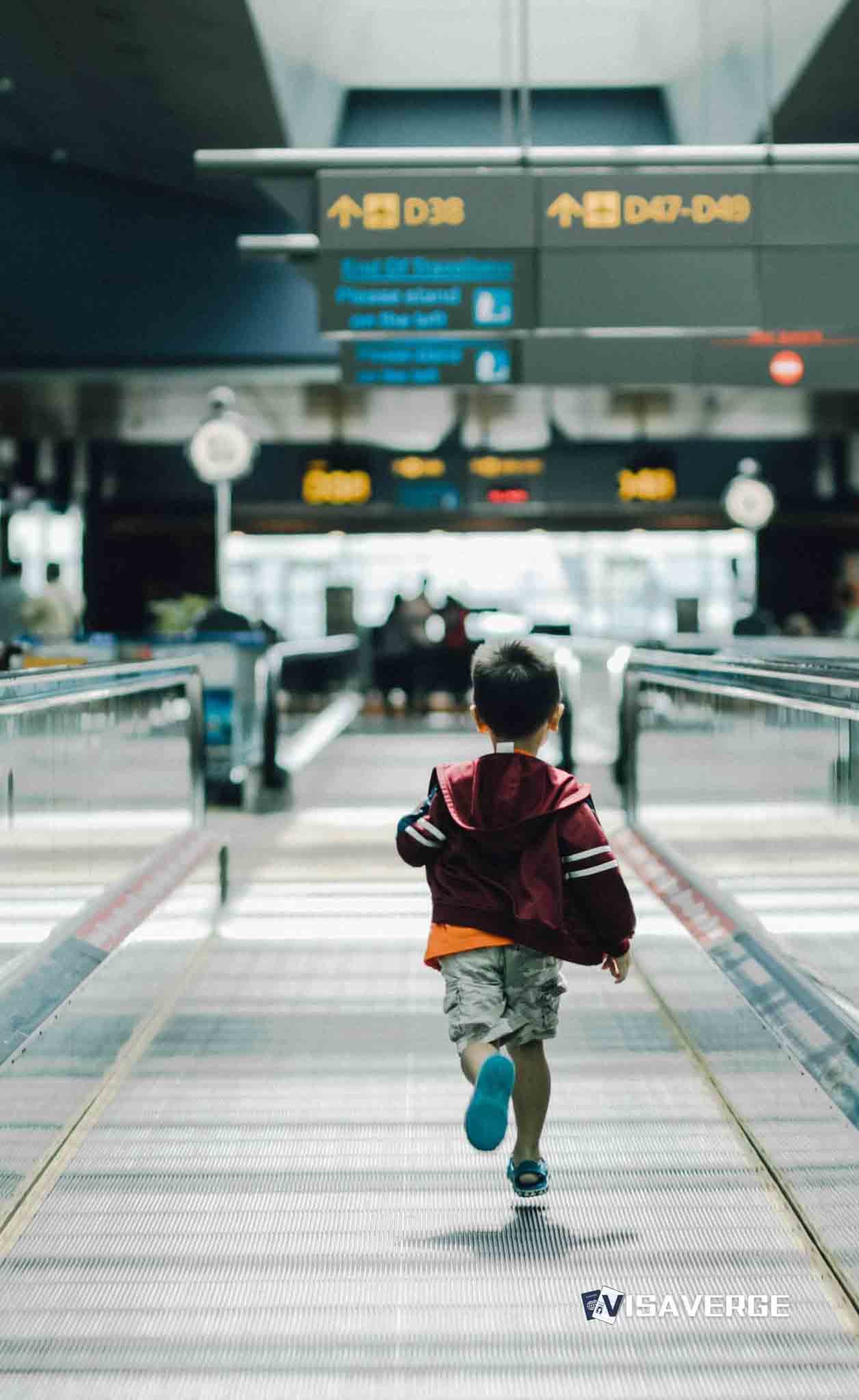
The figure includes more than 100 children age 5 or younger. None had a felony or previous conviction, the analysis found. Twelve minors had pending criminal charges, but the nature of those allegations was not disclosed.

ICE deported 408 of the children, or 61%. During the final year of the Biden administration, the comparable deportation rate for children stood at approximately 8%.
The largest concentration has emerged in Southern California. Arrests in the Los Angeles field office region rose nearly sevenfold during a six-week summer surge, while detention there nearly quadrupled from roughly 3,500 people to more than 13,400, a June 2026 analysis found.
California has added detention space as arrests climb
California now has eight ICE detention facilities with combined capacity for nearly 9,000 people. A July 10 policy bulletin said the administration was using that expanded space “to fulfill the president’s promise of mass deportations.”
The buildup has accompanied a broader enforcement campaign known as Operation Metro Surge. The operation began in Minneapolis and Los Angeles before expanding nationally. During a five-day push in late June, ICE made 10,000 arrests nationwide.
The agency’s activity has reached workplaces and courthouses. On July 10, officers took 14 children into custody during a worksite operation at Glass House Farms in Carpinteria and Camarillo on California’s Central Coast.
ICE has also made courthouse arrests in Los Angeles. On June 23, a federal judge in California issued a ruling that barred ICE arrests inside immigration courts nationwide.
California and Santa Clara County challenge new detention sites
The State of California and Santa Clara County filed a complaint on June 10 seeking declaratory and injunctive relief against the creation of new detention sites. The case is titled County of Santa Clara v. ICE.
A separate California legislative proposal introduced in July would impose a new tax on corporations operating ICE-funded detention facilities. The measure would direct the money toward legal services for immigrants.
The expansion has drawn scrutiny over conditions inside ICE detention facilities. Rob Bonta, California’s attorney general, described those conditions as “cruel, inhumane, and unacceptable” when he released the fifth state Justice Department report on detention conditions on May 15, 2026.
That report said facilities failed to meet ICE’s own standards for detainee well-being. Six deaths occurred at facilities in Adelanto and Imperial between September 2025 and March 2026, the highest number recorded since California began conducting formal reviews.
Todd Lyons, then ICE’s acting director, told a House hearing in February that the agency “hopes that there will be no deaths in custody.” He also acknowledged that ICE had no formal policy to prevent deaths. Lyons resigned shortly after his testimony. The House hearing record was dated June 29, 2026.
Children and families face prolonged separation
Medical experts have warned about the effects of detention on very young children. Dr. Marsha Griffin of the University of Texas called detention the “most harmful time of their lives” for infants and toddlers.
Kaleth, who was 2 years old, reportedly stopped eating for nearly two weeks after separation from his father during a detention action. Amir, who was 1, experienced language-development setbacks after spending four months in custody.
The consequences have also reached families outside detention. In one Los Angeles case, a father named Noémi and Jesús was arrested at a car wash and deported, leaving four children ages 6 to 16 without a primary breadwinner and caregiver.
The administration has resumed large-scale family detention. It reopened the Dilley Immigration Processing Center in Texas to house families transferred from California and other states.
A May 2026 estimate by the Brookings Institution said 145,000 U.S. citizen children had experienced a parent being booked into detention since the administration began.
Officials defend enforcement while critics demand limits
Richard Beam, an ICE spokesman for the Los Angeles office, said officers do not target noncitizens indiscriminately. “ICE's enforcement resources are based on intelligence-driven leads,” he said.
Tricia McLaughlin, the Department of Homeland Security’s assistant secretary, defended detention and cooperation with local jails in February. “Criminal illegal aliens should not be released from jails back onto our streets to terrorize more innocent Americans. If we work together, we can make America safe again,” she said.
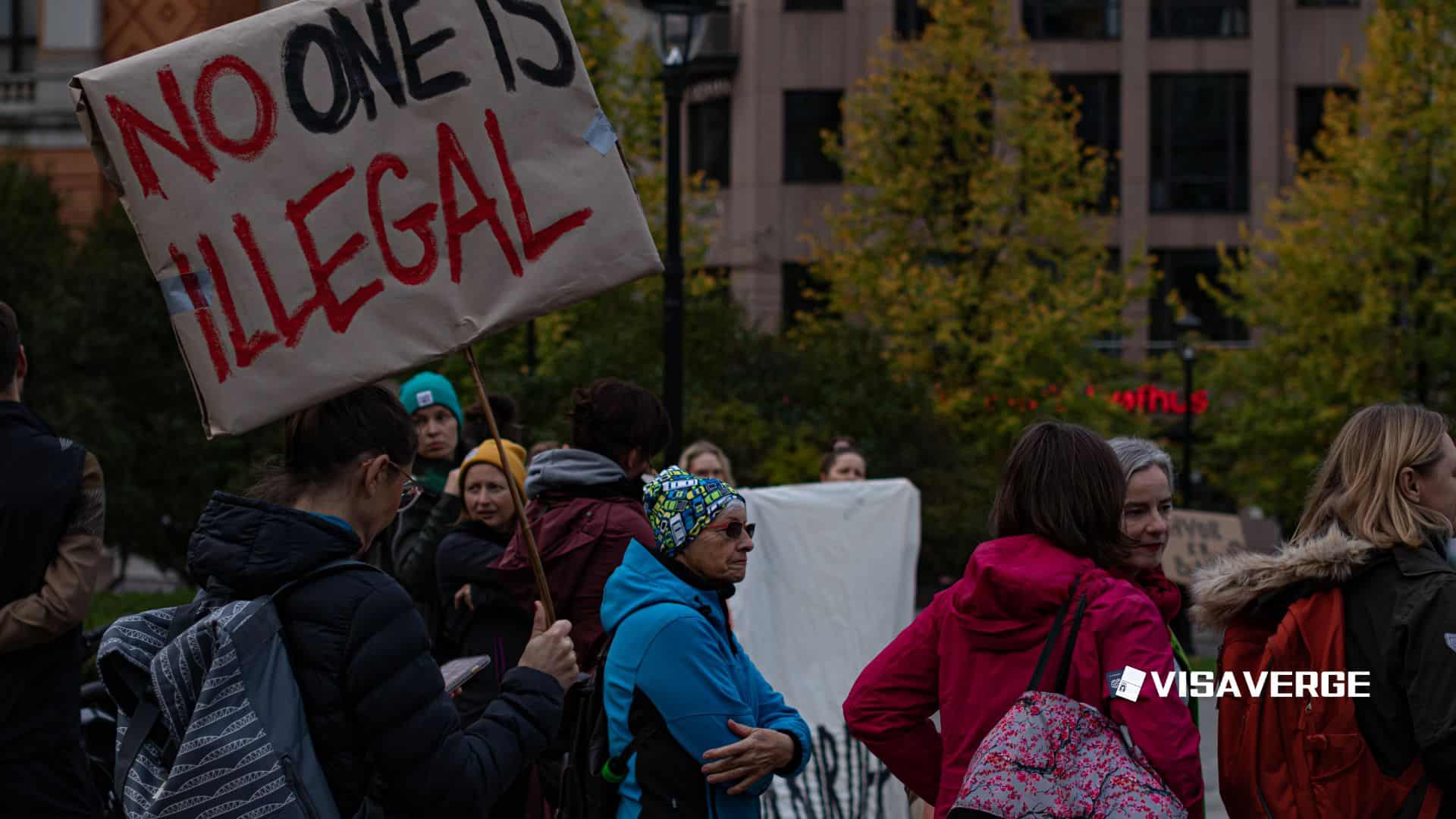
California officials have opposed the federal campaign. Tony Thurmond, the state superintendent of public instruction, warned President Trump on June 9, 2025: “My message to President Trump is very clear: keep your hands off California's kids. The President's unchecked, unnecessary deployment of our nation's military to the city of Los Angeles is deeply dangerous for our children, for our families, and for our country.”
The California total sits within a broader national expansion. ICE has detained more than 6,200 children nationwide since January 2025, while the state analysis found that 666 children had been detained in California by July 16, 2026.
The legal challenges and proposed detention-site tax now move forward as the agency continues operating in workplaces, courthouses and detention centers across the state.
This article provides general information and is not legal advice. Consult a qualified immigration attorney about your specific case.