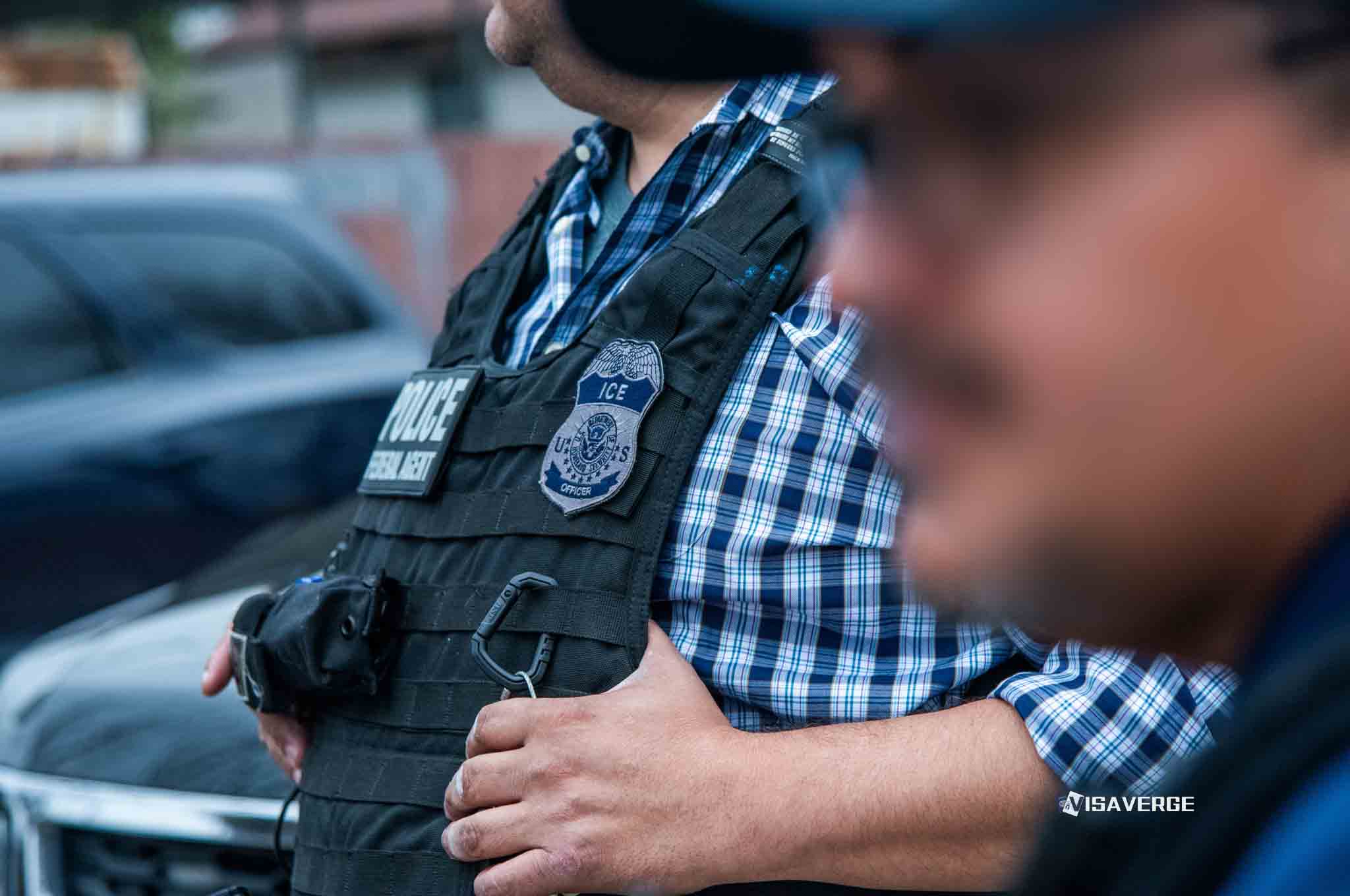
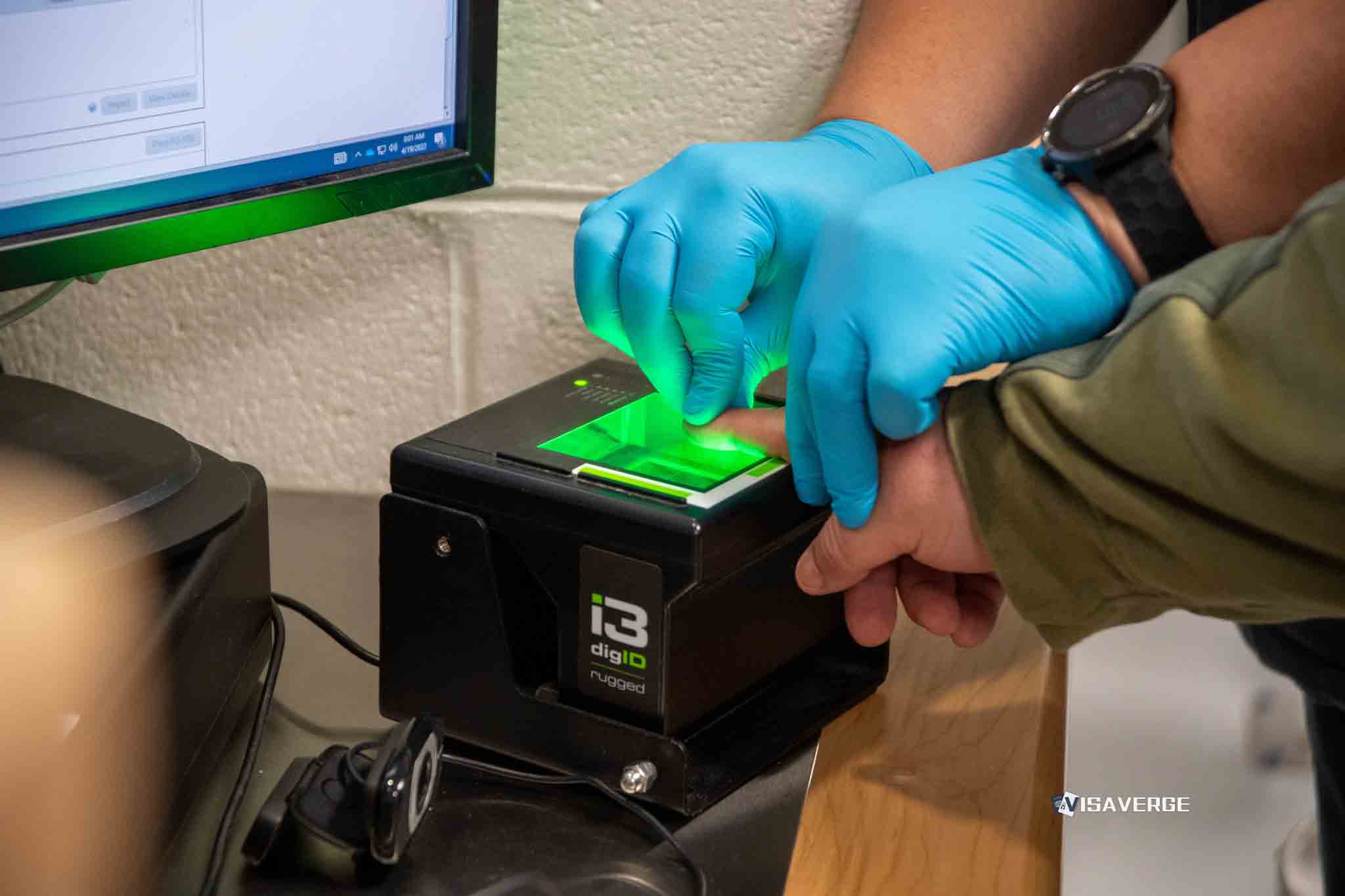
- Reports say more than 250 ICE officers were deployed to Southern California for an enforcement surge planned to last at least 45 days.
- Organizers reported increased agent activity near schools and said families were concerned about possible detention of parents.
- Federal officials have not confirmed the operation’s name, full orders, deployment roster, or statewide arrest total.
Federal immigration officers began a reported enforcement surge around San Diego several days before October 7, 2026, with plans for at least 45 days of activity. The operation, called Operation Safe California, could move through Los Angeles County toward San Francisco by November, according to reports.
The reported instructions direct officers to arrest undocumented immigrants they encounter regardless of criminal history, including people without U.S. criminal convictions. One source described the order this way: “told to go after anybody; they can pick up anybody.”
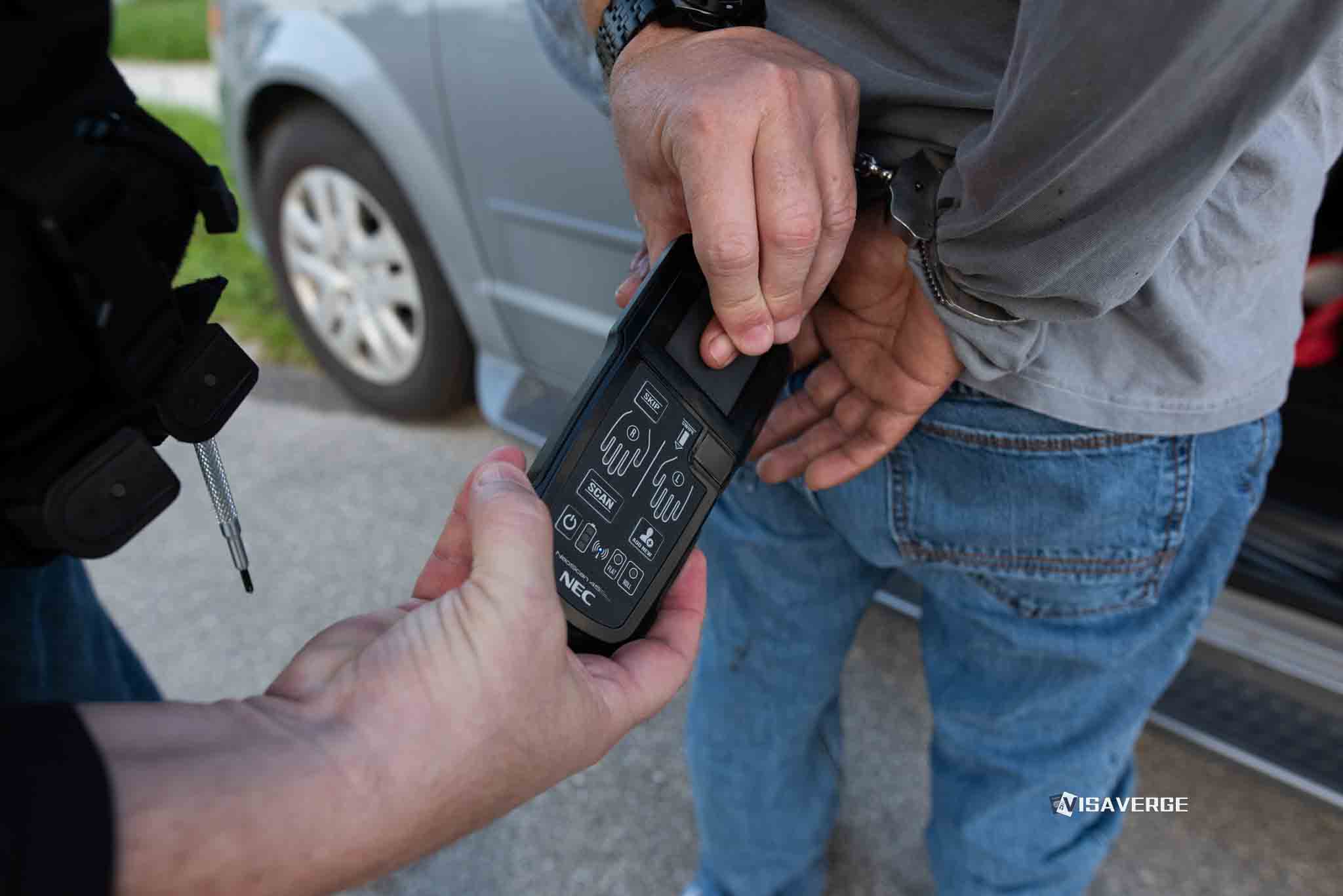
Reports also described a major staffing push. More than 250 ICE officers were reportedly deployed to Southern California, with one account saying officers worked six or seven days a week. Another described mandatory six-day weeks and the cancellation of previously approved leave.
Federal officials have not confirmed the operation by name. A Department of Homeland Security spokesperson said ICE would not discuss law-enforcement operations for security reasons, adding that the department enforces the nation’s laws across the country, including in California.
“For operational security and the safety of our officers, ICE will not disclose or discuss law enforcement operations.”
The department has separately defended broader enforcement. Secretary Markwayne Mullin said, “We don’t make the laws at DHS. We simply enforce them.” On September 27, 2026, DHS announced a “nationwide public safety surge” in sanctuary jurisdictions, saying: “No one is off the table. We will continue to arrest any and all illegal aliens that come in our path.”
Families and organizers report agents near schools
Community groups described increased activity and concern among families. Sean Elo-Rivera, a City Heights councilmember, said children were heading to school without knowing whether their parents would be home afterward.
“We are sending kids to school in San Diego right now, and they do not know on a day-to-day basis whether or not their parents will be there.”
Mea Dominguez of the City Heights Defense Committee said her group had received calls from across the city. The committee coordinates mutual aid for families affected by detention and documents immigration enforcement activity. One organizing account said calls came in “every 10 to 15 minutes.” Dominguez added, “I’m sad for my community.”
Cindy, a community patroller who asked that her last name not be published, said activity had “picked up significantly in the last three days.” She described feeling hurt by what she called unfair treatment of the community.
Organizers reported seeing more agents and vehicles with out-of-state license plates, including near schools. One reported encounter involved a student outside Hoover High School. The reports have unsettled parents and students.
California officials challenge the stated purpose of the raids
Gov. Gavin Newsom condemned the reported raids as a “campaign of fear” and linked their timing to the November midterm elections. In a public statement, he wrote: “Donald, your campaign of fear will FAIL. The American people will NOT be intimidated!”
A DHS spokesperson called Newsom’s remarks a “reckless smear” and “another false narrative to try and demonize our brave ICE law enforcement.” The exchange came as state officials disputed whether the enforcement effort is narrowly focused on people with criminal records.
Assembly Speaker Robert Rivas said the raids were about fear rather than public safety. He also said voters’ rights were protected and that California Democrats would fight to defend people living in the state.
U.S. Sen. Alex Padilla made a related criticism after an unannounced visit to an ICE holding facility in Los Angeles. He said enforcement meant “arrest first, questions later,” including, in some cases, for people with legal status and U.S. citizens.
Rep. David Valadao offered a different account of federal activity in the Central Valley. He said DHS officials told his office enforcement there focused on people with “active warrants and known criminal histories.” That description differs from reports of instructions to arrest people regardless of criminal history.
California’s sanctuary laws limit cooperation between state and local law-enforcement agencies and federal immigration authorities. The Trump administration has framed its broader enforcement effort as a public-safety campaign, while California Democratic officials have called the timing politically provocative.
Reports place enforcement beyond the original area
The Rapid Response Network of Kern said it confirmed sightings across the Central Valley and Central Coast beginning October 6, 2026. The group reported that approximately 61 people were detained near Fresno on October 8. It said people were encountered while going to work and at construction sites, shopping centers and gas stations.
A separate account, citing local officials and immigrant-rights organizations, put the number at approximately two dozen detainees in Fresno and Madera counties during the week of October 5. The figures describe different areas and reporting windows, not a single statewide count.
Immigration attorney Ana Huerta warned that enforcement could intensify. “This is the beginning. I believe things are going to escalate from this moment on as we move through the next 45 days.”
DHS also publicized the October 6, 2026, arrest of Francisco Luperico-Jimenez, a Mexican national convicted in California of lewd or lascivious acts involving a child younger than 14. The department presented the arrest as an example involving a person with a serious criminal conviction.
As of October 13, 2026, ICE and DHS had not publicly confirmed the operation’s full orders, deployment roster, official start date or statewide arrest total. California’s sanctuary laws remain a point of friction between federal immigration enforcement and state and local authorities.