From February 25, 2026, many dual British nationals cannot board a UK-bound flight with only a foreign passport. You now need a valid British passport, a valid Irish passport, or a Certificate of Entitlement to the Right of Abode for routine travel to the UK.
That change is hitting families at the airport, not just at border control. It is also exposing older nationality problems for people who believed they were already treated as British.
Why the new UK border rule is causing chaos for dual nationals
The UK tightened its entry document rules for some dual nationals on February 25, 2026. The practical result is simple: airline staff now check your right to travel before departure, and they can refuse boarding if you do not show one of the accepted documents.
The accepted proof is narrow:
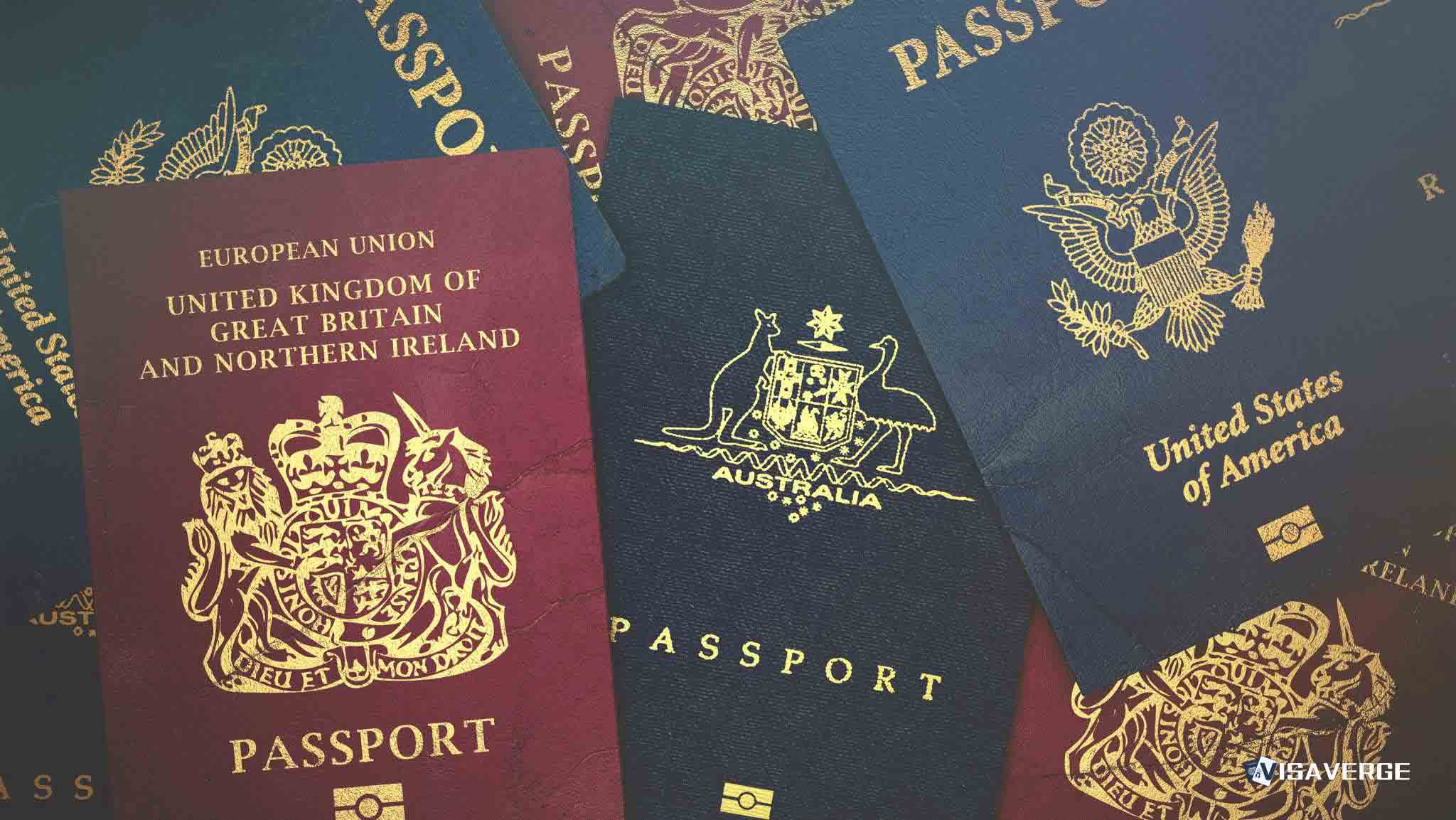
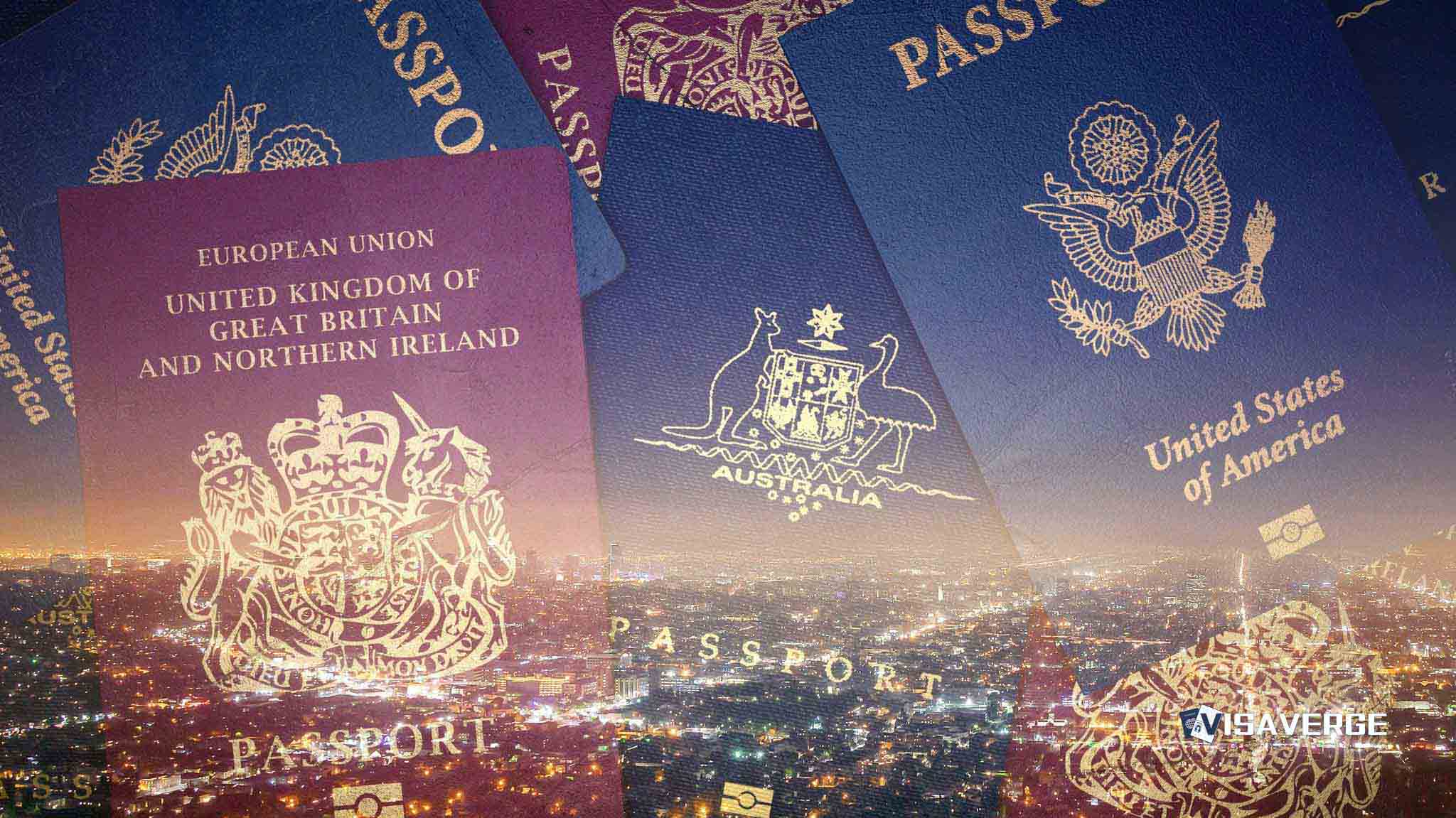
- A valid British passport
- A valid Irish passport
- A Certificate of Entitlement to the Right of Abode
British citizens cannot use an Electronic Travel Authorisation, or ETA, instead. An ETA costs £20, but it is for non-British travelers who need permission to travel. If you are British, the system expects proof of that British status in the approved format.
| India | China | ROW | |
|---|---|---|---|
| EB-1 | Feb 01, 2023 | Aug 01, 2023 ▲31d | Current |
| EB-2 | Nov 01, 2013 | Oct 01, 2021 | Apr 01, 2025 ▲90d |
| EB-3 | Jan 22, 2014 ▲21d | Jan 22, 2022 ▲14d | Jun 15, 2024 ▲31d |
| F-1 | Jan 22, 2021 ▲366d | Jan 22, 2021 ▲366d | Jan 22, 2021 ▲366d |
| F-2A | Oct 22, 2026 ▲30d | Oct 22, 2026 ▲30d | Oct 22, 2026 ▲30d |
This is why the rule feels harsher than it sounds. Your legal status has not changed at the airport. The document that proves it has become the deciding factor.
Public criticism has used the phrase “Illegitimacy tax” to describe the cost and burden of getting the right papers. The policy itself is not a tax. But it can force people to pay for a passport, a replacement passport, or right-of-abode evidence just to make a routine trip home.
What happened to Natasha Cochrane de la Rosa in Spain
A reported case involving Natasha Cochrane de la Rosa, a 26-year-old woman from London, shows how quickly the new rule can turn into a travel emergency.
She told The Guardian that she was born in the UK to a British father and a Spanish mother. She said she had always traveled on her Spanish passport. According to that report, she left Luton on April 2 using her Spanish passport and only learned of the new rule when she tried to return from Spain.
An easyJet staff member reportedly asked for extra documentation before boarding. She said she had a British birth certificate and a British driving licence, but those documents were not accepted for boarding. She also said a request for emergency travel papers was refused because her situation did not meet the emergency threshold.
That is the core problem under the new system. Documents that prove identity in everyday life do not automatically satisfy a carrier’s immigration-status check.
A birth certificate does not function like a passport at the gate. A driving licence does not prove a right to enter the UK without further immigration permission. Airline staff need documents their systems can recognize quickly.
Why this is happening now: ETA rollout moved checks to the airport
The operational shift is tied to the UK’s broader ETA rollout. The UK now screens more travelers before they board, rather than leaving key checks until arrival.
That means the crucial decision often happens at:
- Booking
- Online check-in
- Airport check-in
- The boarding gate
Carriers must confirm that a passenger has permission to travel or has the right documents to enter. They face penalties for carrying inadequately documented passengers. Once that responsibility moved upstream, unresolved citizenship questions became immediate boarding problems.
The House of Commons Library has said there is no specific legal requirement for British citizens to travel on a British passport. But it has also said it has become difficult in practice to travel to the UK from outside the Common Travel Area without either a British passport or a Certificate of Entitlement.
That practical gap matters more than ever. What was once a border discussion is now an airline decision made in minutes.
Who is most at risk under the February 25, 2026 rule
The people most likely to face problems are not only those with expired passports. Risk is highest for travelers whose nationality record and travel documents do not line up neatly.
Dual nationals who always used a foreign passport
Many dual nationals used a non-UK passport for years without trouble. That routine now creates risk if you do not also carry one of the UK-accepted documents.
People waiting for a British passport renewal
If your British passport is not in hand, airline staff can still refuse boarding. A valid foreign passport alone often will not solve the issue.
Travelers with mismatched names or details
Name differences can trigger extra scrutiny. Different spellings, missing middle names, or old personal details across passports can slow checks or lead to refusal.
People with a possible British claim through a parent
This group faces the biggest hidden danger. Some travelers assumed they were British from birth, but their status was never fully regularized under older nationality law.
The nationality-law problem behind the travel problem
This story is not only about passports. It is also about British nationality law.
Official UK guidance states that some people born in the UK between January 1, 1983 and July 1, 2006 to an unmarried British father were not automatically treated as British citizens at birth under the law then in force.
Some people in that group can now register as British citizens using Form UKF. That is a major distinction.
It means a traveler can reach the airport believing they are simply a dual national who forgot to renew a British passport, when the real issue is deeper. Their citizenship status itself was never recognized in the way they thought.
Once airline checks depend on verified British status, that older legal issue stops being theoretical. It becomes a same-day boarding denial.
For readers with a British parent, especially a father, this point is critical. If you were born before July 1, 2006, you should not assume your claim was automatic. Check your exact citizenship position before travel.
What documents work now, and what does not
For routine travel to the UK, the system now expects one of the following:
- Valid British passport
- Valid Irish passport
- Certificate of Entitlement to the Right of Abode
These commonly held documents are not enough on their own for many affected travelers:
- Foreign passport only
- British birth certificate
- British driving licence
- General identity documents
The reason is simple. Airline systems are checking for travel eligibility, not everyday identity.
Certificate of Entitlement timing and cost
A Certificate of Entitlement to the Right of Abode costs £589. GOV.UK states that decisions usually take:
- Up to eight weeks for in-country applications
- Around three weeks after an overseas visa-centre appointment for applications made from abroad
If you are already outside the UK, those timelines can turn one refused boarding decision into a disruption lasting weeks.
The narrow exceptions that still exist
There are limited workarounds, but they do not help everyone.
EU Settlement Scheme-linked travel
Some dual citizens who also hold status under the EU Settlement Scheme and later became British citizens can still travel using their EU passport or identity card. The document must be correctly linked to their UKVI account.
This exception is narrow. It depends on your immigration and citizenship history, and the account link must already work.
Temporary acceptance of an expired British passport
The House of Commons Library has said carriers were given temporary discretion to accept an expired British passport issued in 1989 or later together with a valid foreign passport, if the personal details match.
That is not a long-term solution. It also will not help if you never had a British passport, if your details do not match, or if your case involves a disputed citizenship claim.
How the rule works in practice for Spain-UK travel
For dual British-Spanish nationals, the travel sequence matters. Different authorities check different documents at different stages.
Spain to UK
- Airline check-in: British passport
- Departure border in Spain: Spanish passport
- Arrival border in the UK: British passport
UK to Spain
- Airline check-in: British passport, or both passports if needed
- Departure border from the UK: British passport
- Arrival border in Spain: Spanish passport
This split is one reason travelers get caught out. The “right” passport changes during the same journey.
If you only bring the passport you use for Spain, you can still be blocked from boarding the UK-bound flight. That is exactly where the new carrier checks bite hardest.
Why many travelers did not see this coming
The Home Office has said dual-national guidance has been available since October 2024. Ministers have also rejected calls for a grace period.
But real-world awareness has lagged badly. Many affected travelers only discovered the change through news reports or at the airport. That gap between published guidance and actual traveler behavior explains why the rollout feels abrupt.
For years, some dual nationals had no practical reason to question old travel habits. They used a foreign passport, boarded, and returned home. The new system broke that routine without leaving much room for error.
No policy reversal has been reported as of April 2026. The stricter carrier-enforced checks remain in place.
Why the phrase “Illegitimacy tax” is gaining attention
The phrase is emotionally charged, but it points to a real burden.
People caught by the rule often face several costs at once:
- British passport application or renewal fees
- Certificate of Entitlement fee of £589
- Rebooking flights
- Extra accommodation abroad
- Lost work time
- Legal advice on nationality status
For travelers with more complicated family histories, the burden can be even heavier. They are not simply replacing an expired document. They are first proving they were ever entitled to that document.
What you should do before booking travel to the UK
If you have any possible claim to British citizenship, do not rely on assumptions. Check your status before you travel.
- Confirm your exact nationality position. This is especially important if you were born between January 1, 1983 and July 1, 2006 to an unmarried British father.
- Make sure you can physically present an accepted document. Digital records and general ID will not replace a passport at the gate.
- Check names and personal details across all documents. Small mismatches can delay or block boarding.
- Do not assume a foreign passport alone is enough. That old habit is now a direct boarding risk.
- Leave time for applications. A Certificate of Entitlement takes up to eight weeks in-country or around three weeks after an overseas visa-centre appointment.
What this means for your next trip
The main lesson is blunt. If you are a dual British national, or you believe you have a British claim, your travel problem starts long before UK border control.
It starts when an airline asks one question: can you prove your right to board this UK-bound flight right now?
From February 25, 2026, many travelers need a clear “yes” in document form. For some, that means carrying a valid British passport. For others, it means resolving a long-ignored nationality issue before buying a ticket.
If your trip is coming up soon, check your passport drawer first. If your situation involves an unmarried British father and a birth between January 1, 1983 and July 1, 2006, check your citizenship record before you fly. That step matters more than any airport workaround.