- Mexico filed twenty criminal complaints across eight U.S. states following the deaths of seventeen nationals.
- Foreign Minister Velasco Álvarez is shifting from diplomacy to prosecution to address alleged ICE enforcement crimes.
- A federal judge halted the deportation of a witness to the fatal July 7 shooting in Houston.
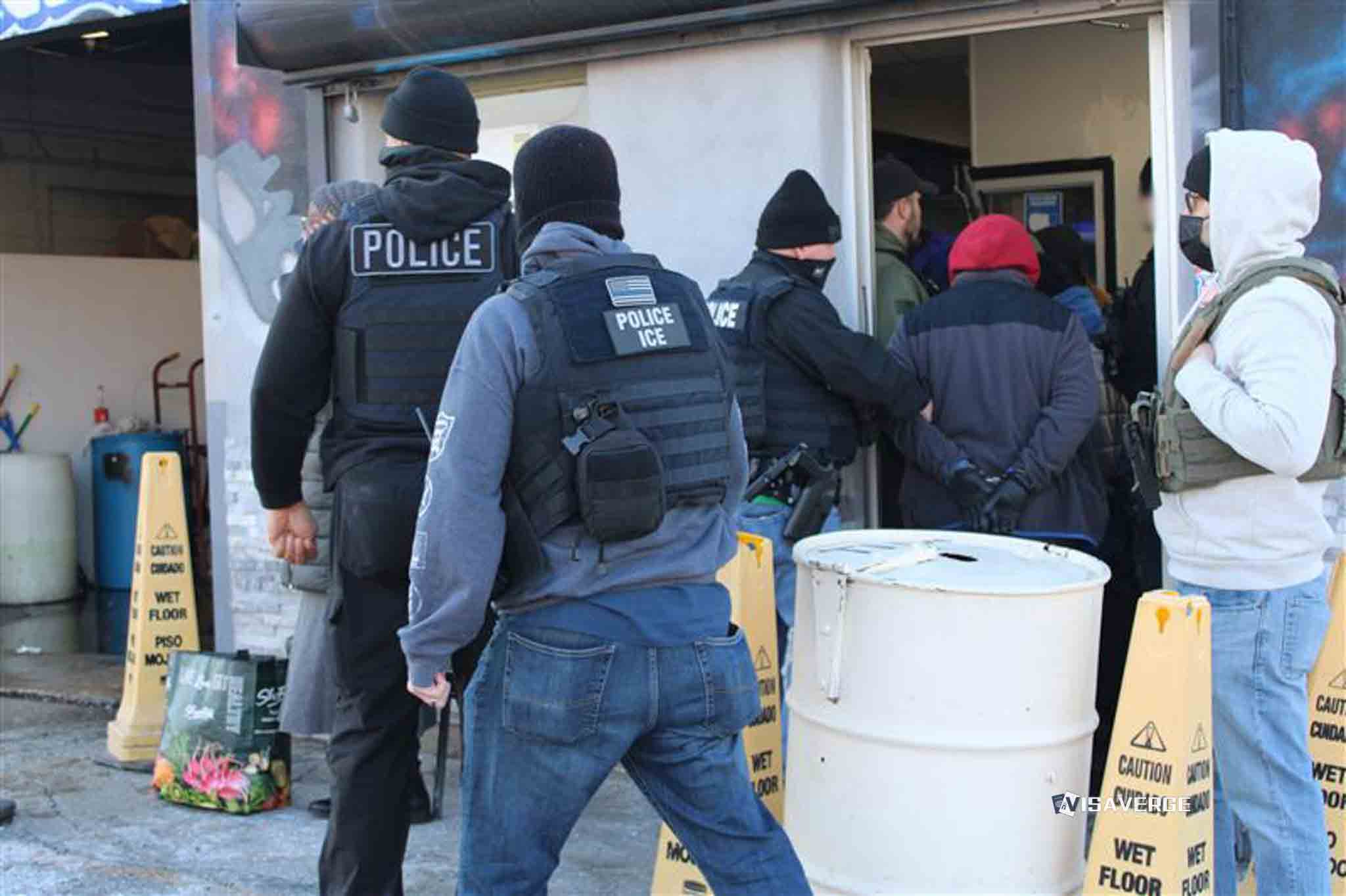
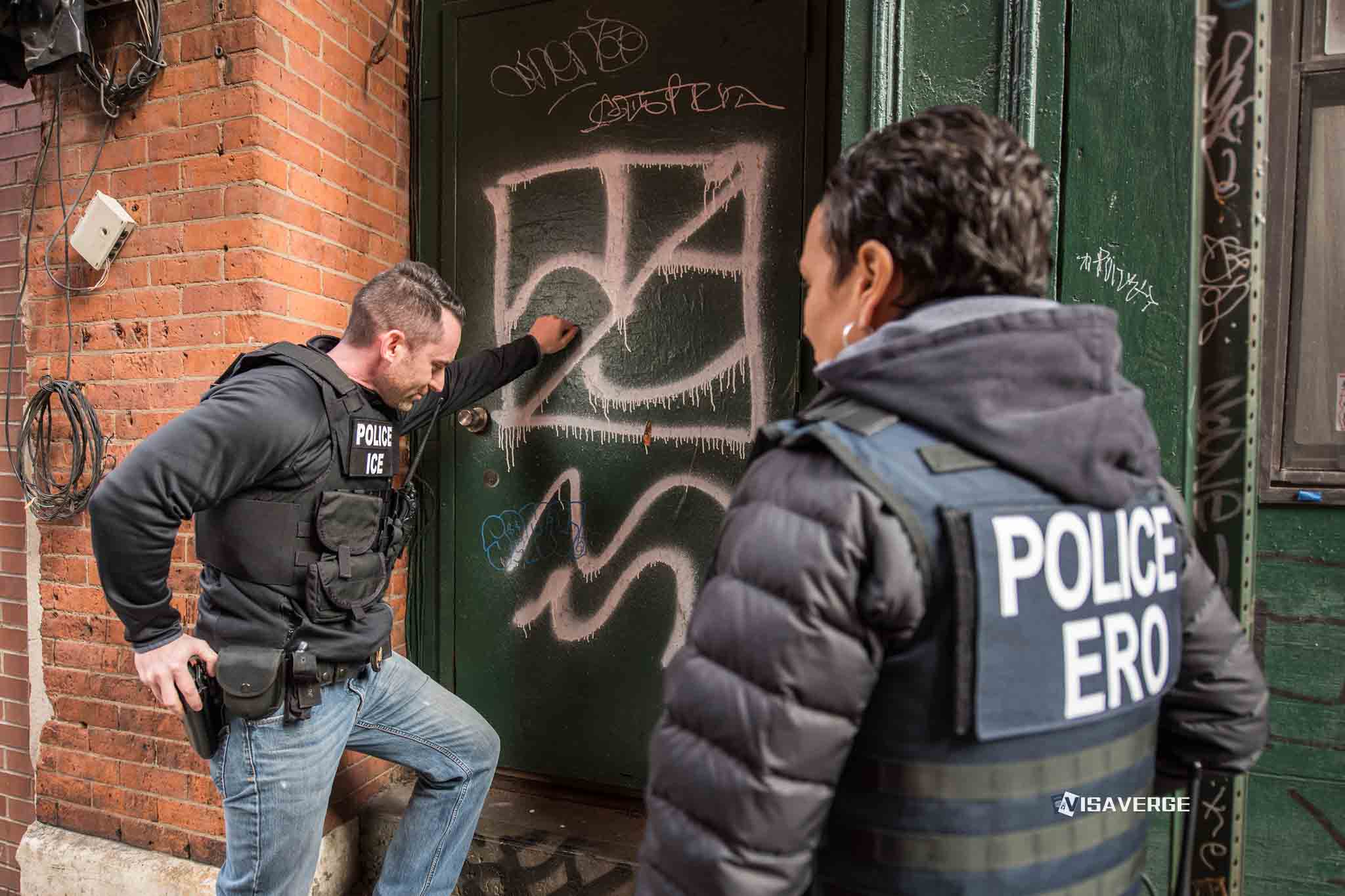
Mexico filed criminal complaints in the United States over the deaths of 17 Mexican nationals tied to ICE custody and enforcement operations. Fourteen died in detention. Three died during arrests or raids.
Foreign Minister Roberto Velasco Álvarez announced the move under instructions from President Claudia Sheinbaum. He said Mexico was moving beyond diplomacy and asking prosecutors to treat the deaths as crimes. The break was deliberate.
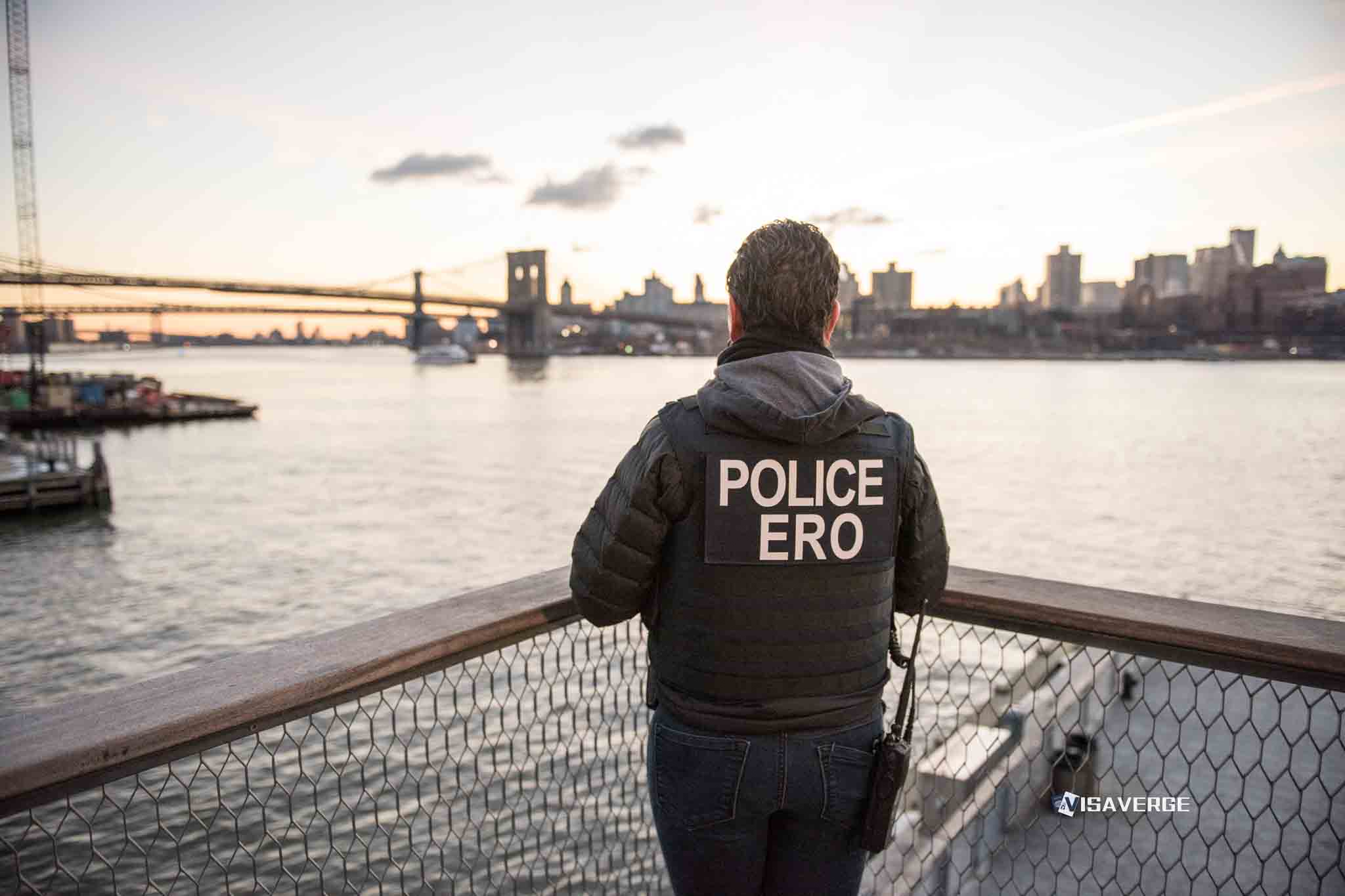
"We are going to move beyond the diplomatic sphere and go directly to U.S. prosecutors. requesting that they are investigated as criminal matters."
Sheinbaum called the Houston shooting an "execution" and "practically murder." The language sharpened the dispute.
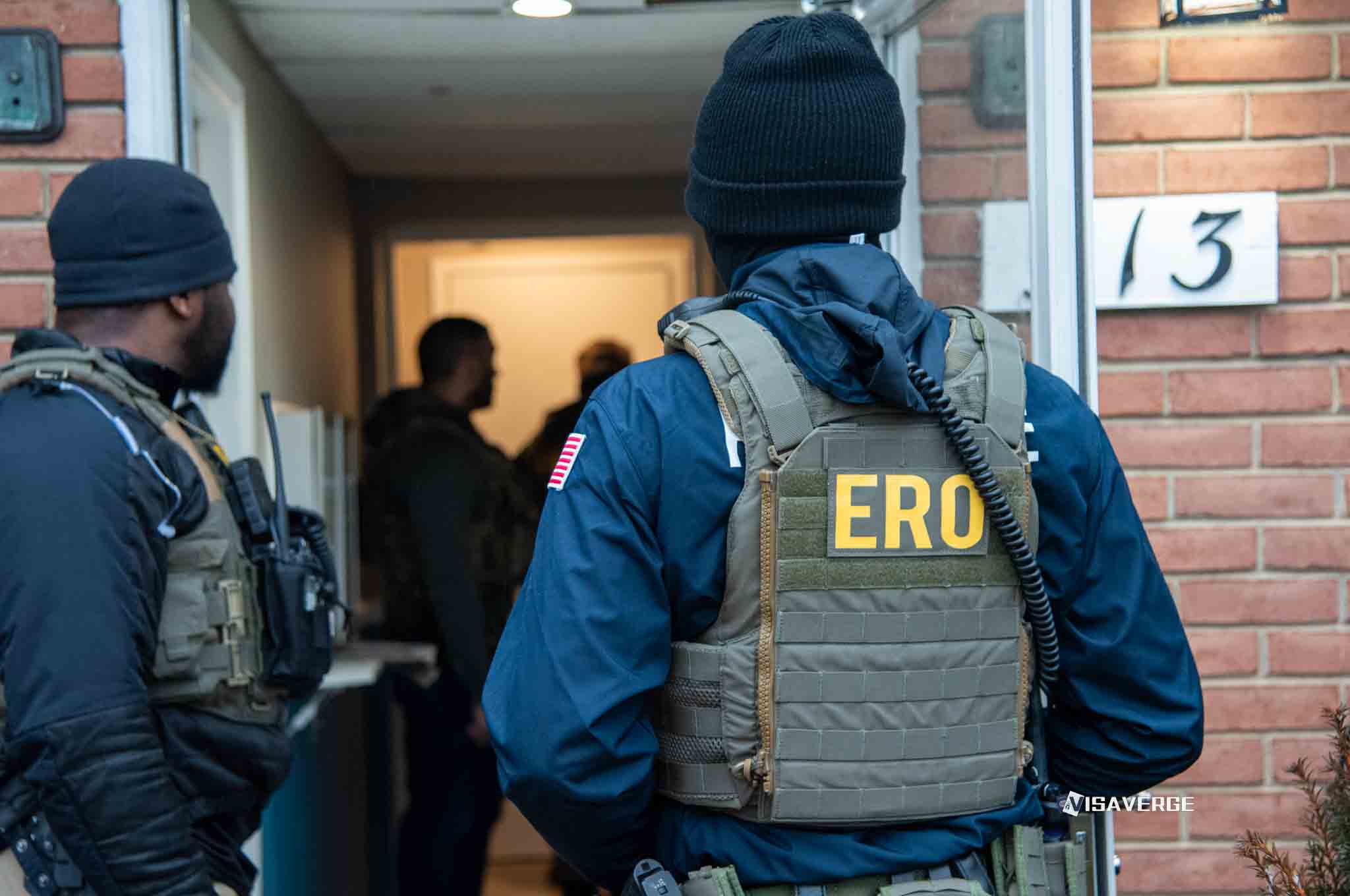
The shift followed the July 7 shooting death of Lorenzo Salgado Araujo in Houston during an ICE operation. He was 52, had lived in the United States for 35 years, and had no criminal record. The shooting became the trigger.
Ronaldo Salgado said the family believed unmarked vehicles followed his father before the shooting. Passengers in the vehicle said agents rammed the van before firing. The accounts diverged.
The complaint drive reached prosecutors in eight states
On July 13, Mexico filed 20 separate complaints. Eight went to state attorneys general. Twelve went to county prosecutors in Arizona, California, Florida, Georgia, Illinois, Louisiana, Missouri and Texas. The filings spread widely.
Roberto Lazzeri delivered the complaints and a DOJ-prepared filing on July 14, 2026. Mexico said the cases now sat before state, county and federal officials. The route widened.
Adelanto stayed under pressure
The foreign ministry had already sent 11 formal diplomatic protest notes and cease-and-desist letters to the facilities where Mexican nationals died. Adelanto detention center in California drew repeated attention, because Mexico said four Mexican citizens died there. It also said it would seek civil action against private detention-center operators. The operators were private.
José Guadalupe Ramos Solano died in custody at Adelanto on March 25, 2026. His widow, Antonia Tovar, described the loss in plain terms. The facility stayed central.
"He did not deserve to die like this; he was a very hard-working and responsible man."
A Department of Homeland Security spokesperson said there had been no spike in deaths. The department also defended the Houston shooting by saying the victim weaponized his vehicle and that the agent fired in self-defense. The agency stood its ground.
Michael Kozak met with Lazzeri on July 17, 2026, and returned Mexico’s cease-and-desist letters. He said they were an attempt to direct the actions of U.S. Government personnel operating in U.S. sovereign territory. Washington rejected the letters.
Mexico widened the case beyond prosecutors
Mexico also sent a formal communication to UN High Commissioner for Human Rights Volker Türk, asking for an international analysis of whether the deaths breach human rights obligations. It joined as amicus curiae in the L.T. Mesrobian class-action lawsuit filed January 26, 2026, against ICE. That case alleges inhumane and illegal conditions at Adelanto, including medical neglect and punitive isolation. Mexico has done this before.
A judge kept one witness in place
On July 22, 2026, a federal judge prohibited DHS from deporting José Trinidad Rojas, a key witness to the Salgado Araujo shooting. Mexico was also preparing civil lawsuits against private detention contractors, specifically naming The GEO Group. Another front opened.