- Forty-seven Vietnamese nationals were deported from the United States to Hanoi under bilateral cooperation agreements.
- The group included vulnerable elderly individuals and those in poor health requiring social welfare assistance.
- The operation aligns with the Department of Homeland Security’s expanded international removal flight campaign.
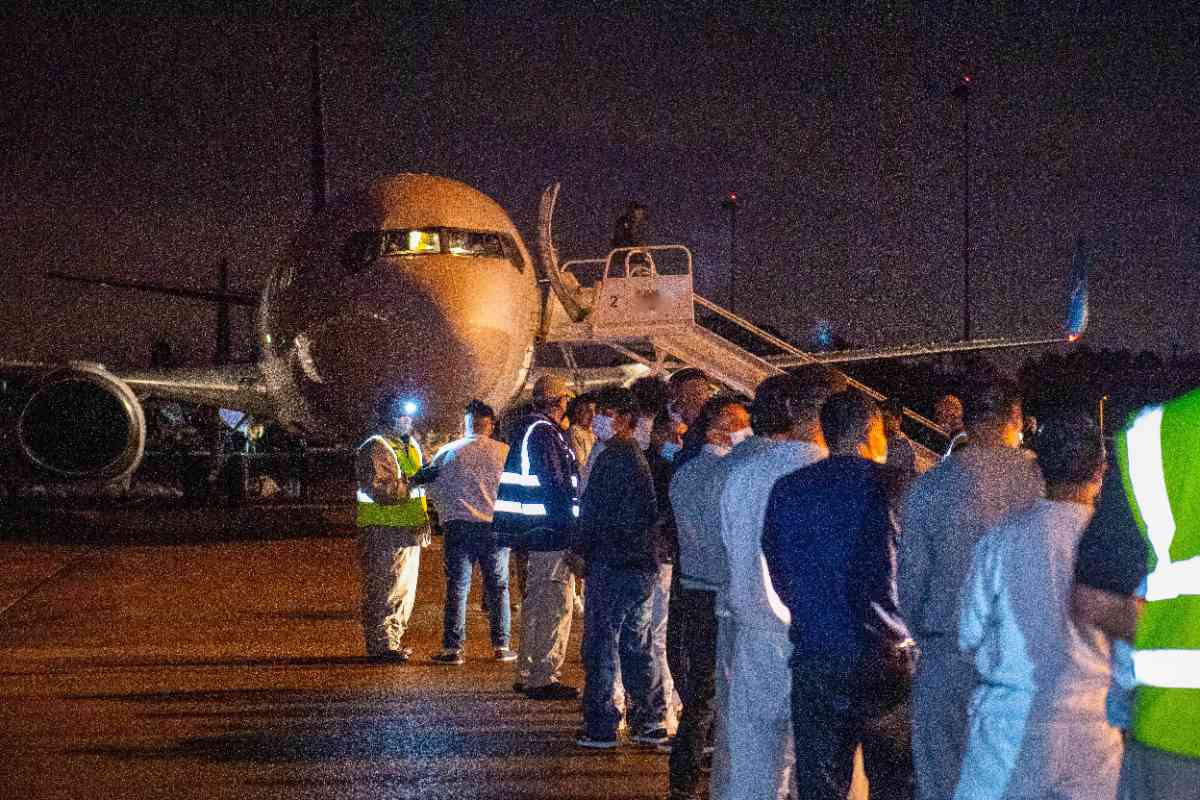
Vietnamese authorities received 47 Vietnamese nationals deported from the United States at Noi Bai International Airport in Hanoi on August 5, 2026. Ho Chi Minh City’s public security immigration office handled the reception, which officials described as the city’s largest such intake since the start of the year.
Most of the returnees had previously lived in Ho Chi Minh City. Vietnamese authorities said the individuals had violated U.S. law.
Free toolCSPA Age-Out Calculator Online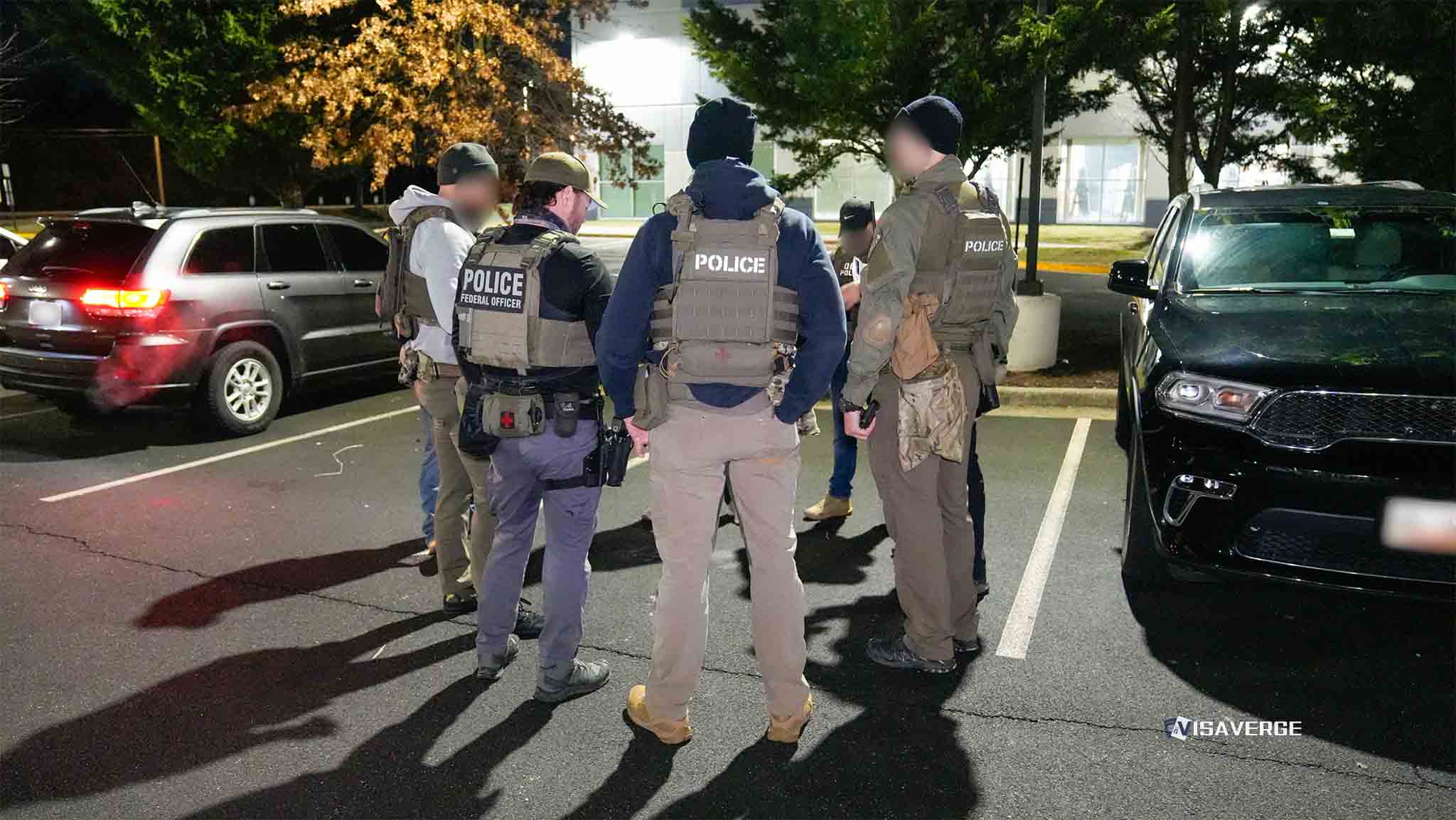
U.S. authorities completed the required legal procedures before transferring the group under bilateral cooperation agreements. Vietnamese officials said the reception followed Vietnamese law and accounted for security, public order, diplomatic requirements and the rights of the returnees.
The handover occurred in Hanoi, while the receiving authority came from Ho Chi Minh City. The arrangement reflects the administrative coordination needed when people are returned through one city but assigned to authorities in another.
The operation marked the third major group received by Ho Chi Minh City authorities this year. A separate group of 33 people arrived in May 2026.
Markwayne Mullin, identified as secretary of Homeland Security, presented the removals as part of the Trump administration’s public-safety policy on August 5.
“The Trump Administration will always put the safety of the American people first, and that starts with removing criminal illegal aliens from our communities.”
The Vietnamese announcement did not assign a specific offense to each person in the returned group. It described the returnees generally as people who had violated U.S. law.
A 2020 revision broadened the arrangement for some earlier arrivals
The transfer falls within a U.S.-Vietnam framework that includes a 2008 memorandum of understanding and a revision adopted in 2020. The earlier arrangement addressed Vietnamese nationals who arrived in the United States before July 12, 1995, when the two countries normalized diplomatic relations.
The 2008 agreement protected that pre-1995 group from deportation. The later revision, signed during the first Trump administration, allowed the United States to deport some people from that group who had criminal convictions.
Those provisions form part of the legal background for returns involving Vietnamese nationals. The announcement about the latest group did not provide individual arrival dates or case histories.
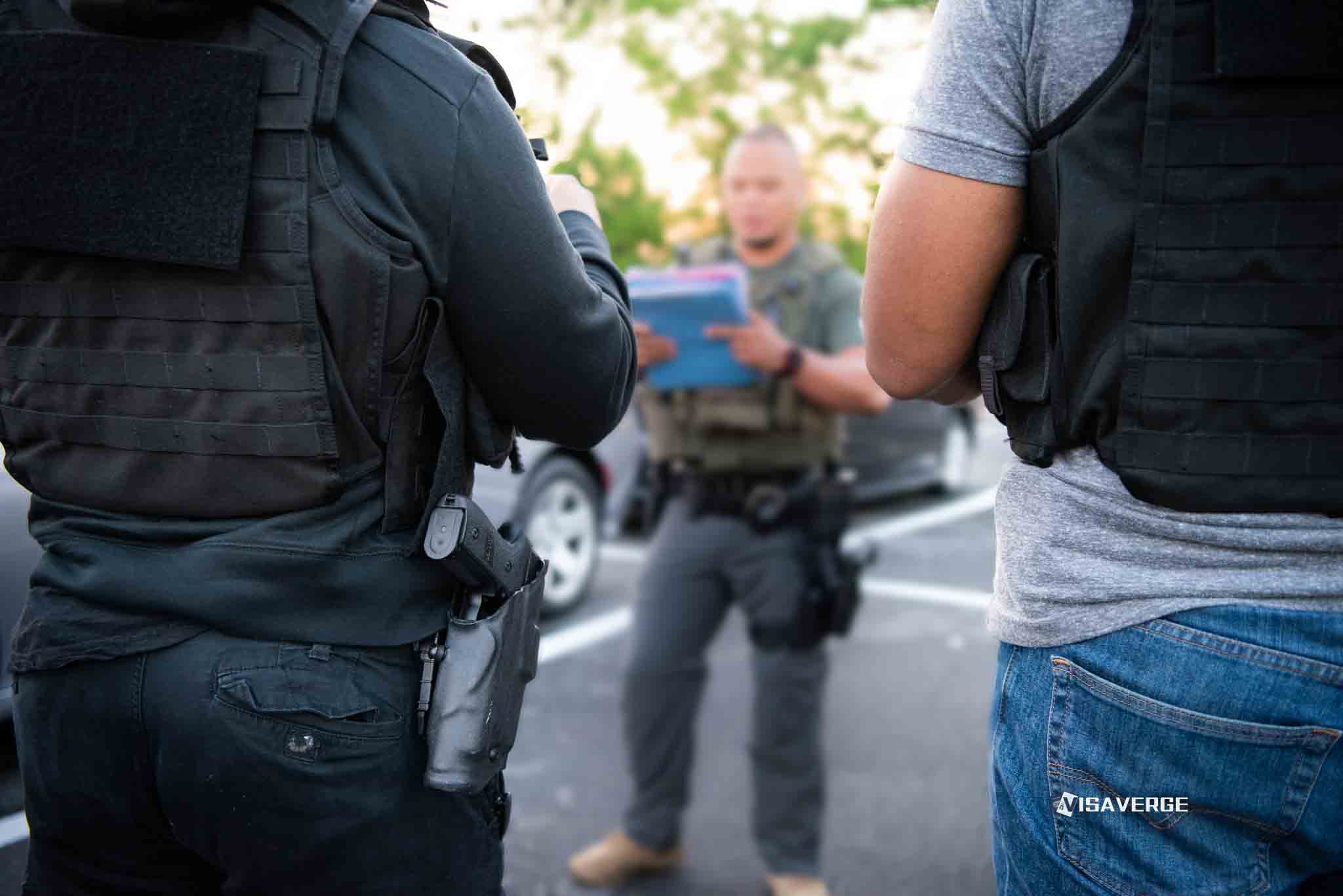
The United States has intensified removals of Southeast Asian nationals since the beginning of 2025, including people on the non-detained docket who have final orders of removal. Immigration and Customs Enforcement has handled those removals as part of a wider enforcement effort.
A final order does not require a person to have remained in immigration detention. The deportation process can continue after authorities release a person into the community, provided the order remains in effect.
Local officials are arranging support for vulnerable returnees
The receiving operation involved several senior Vietnamese security officials. Lieutenant General Pham Dang Khoa serves as director of the Immigration Department under the Ministry of Public Security. Lieutenant General Le Hong Nam directs the Ho Chi Minh City Public Security Department, while Major General Tran Duc Tai serves as a deputy director of that department.
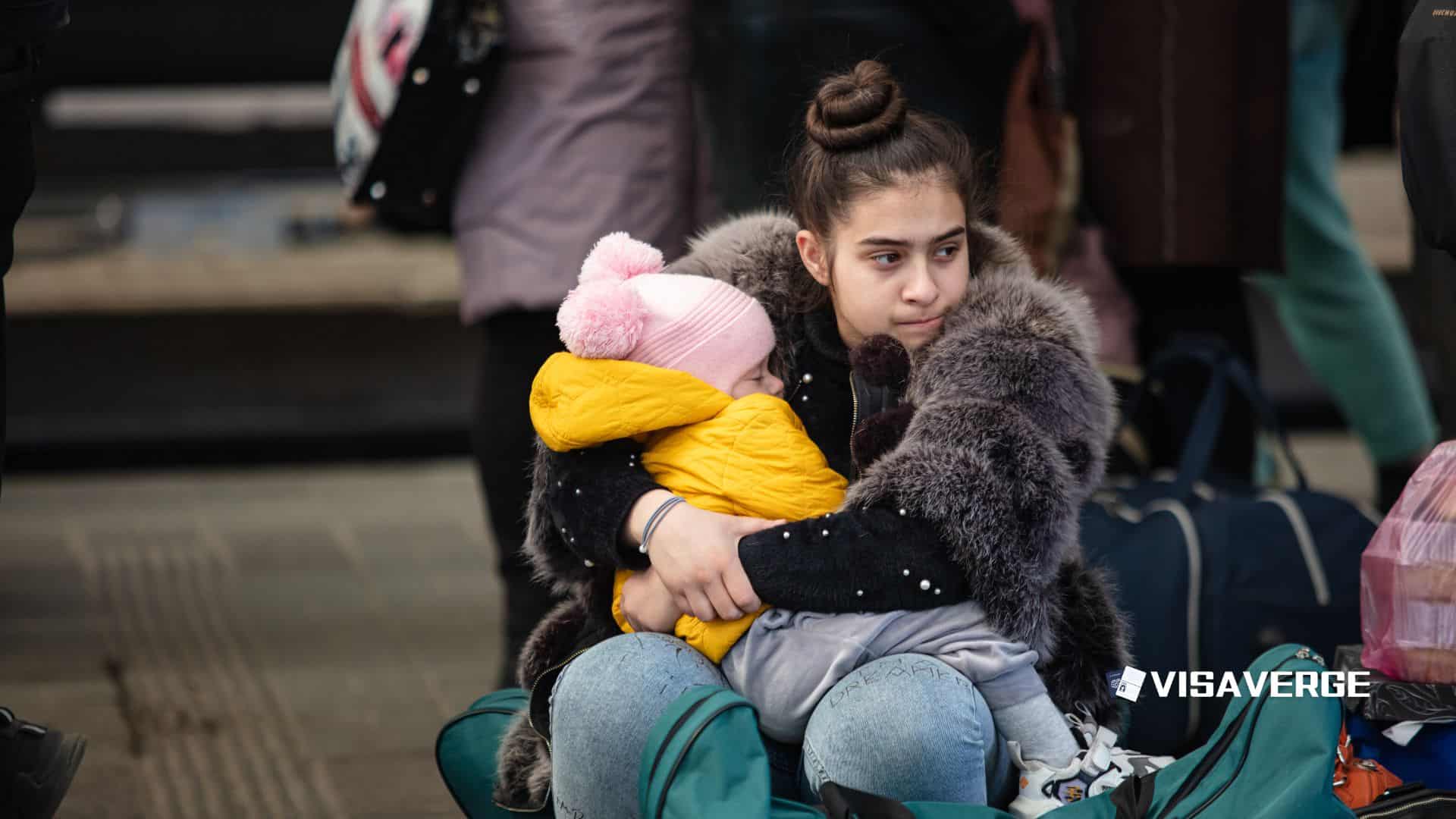
Several of the returnees were described as vulnerable because of their age or health. Some are elderly, and others are in poor health.
Family separation adds another difficulty. Some people had lost contact with relatives in Vietnam after spending decades in the United States.
Housing is also an immediate concern for returnees without stable accommodation. The Ho Chi Minh City Department of Public Security is coordinating with the Department of Health and local People’s Committees to arrange temporary care at social welfare facilities.
The support plan places health officials and local committees alongside immigration authorities. Their role includes helping people who cannot immediately return to family housing or secure accommodation on their own.
Washington has expanded its removal-flight campaign
The Vietnamese transfer came as the Department of Homeland Security promoted a broader initiative called “Make America Safe Again.” The department said its removal flights now reach over 125 countries and that more than 200 international flights operated during the preceding eight weeks.
Those figures describe the broader campaign rather than the Vietnamese group alone. The department has used the initiative to emphasize removals involving people it characterizes as public-safety threats.
A DHS spokesperson said on August 4:
“Just last week, ICE deported murderers, sexual assailants, kidnappers, and robbers. It’s common sense: when you deport criminals, our country becomes safer. That’s why 80% of Americans support our efforts.”
The statement referred to other removals and did not identify the 47 people received in Hanoi by those categories. Vietnamese authorities’ public account likewise did not provide a person-by-person breakdown of the group’s alleged violations.
The expanded enforcement has affected people with final orders who may have remained outside detention. Their cases can involve different immigration histories and legal records, even when authorities return them on the same operation.
A proposed U.S. bill would restrict some Southeast Asian deportations
Four U.S. representatives reintroduced the Southeast Asian Deportation Relief Act of 2026 in February 2026. The sponsors were Judy Chu (CA-28), Pramila Jayapal (WA-07), Zoe Lofgren (CA-18) and Ayanna Pressley (MA-07).
The bill, known as SEADRA, seeks to end the deportation of refugees from Vietnam, Cambodia and Laos who arrived by 2008. Its proposed eligibility date reaches beyond the July 12, 1995, date addressed in the earlier U.S.-Vietnam arrangement.
The measure represents a legislative response to removals affecting some Southeast Asian refugees. It does not alter the Vietnamese authorities’ reception of the group transferred on August 5.
The immediate work now shifts to local officials in Vietnam. Health authorities, People’s Committees and social welfare facilities are coordinating care for returnees who lack housing, family contact or the ability to manage health needs without assistance.
This article provides general information and is not legal advice. Consult a qualified immigration attorney about your specific case.