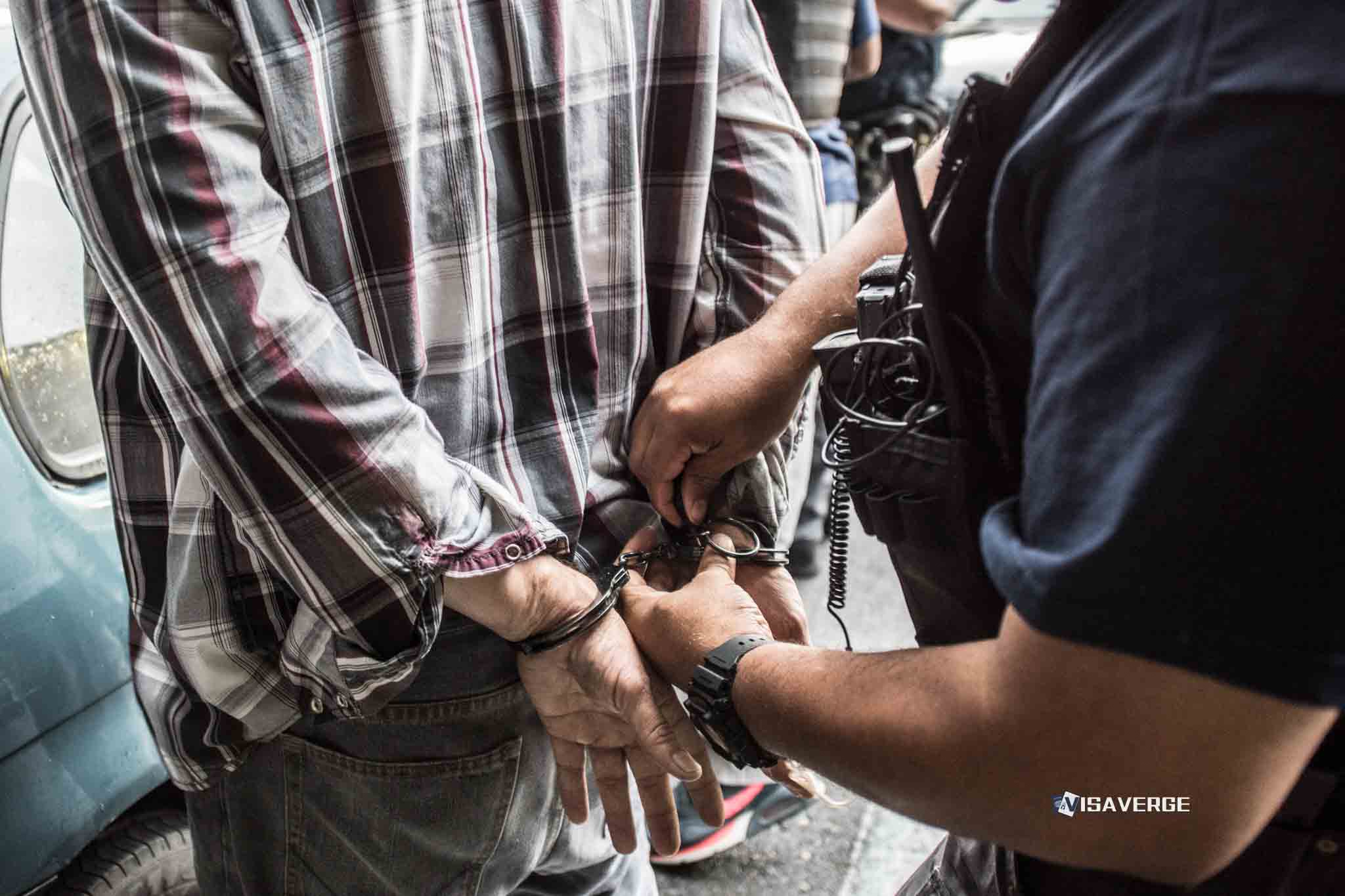
- Six deportees refused to leave a Liberia-bound flight, and authorities later sent them to Equatorial Guinea instead.
- The group included four Cubans, one Brazilian, and one Cameroonian woman; one man reportedly needed a colostomy bag drained regularly.
- Advocates said the Malabo hotel detention site had no medical staff, withheld food, and involved threats and abuse.
Six migrants deported from the United States to Liberia refused to leave their aircraft Thursday, saying the country was “not their country” and that they feared danger there. Authorities then sent them onward to Equatorial Guinea, where they were forced to disembark in Malabo.
The group included four Cuban men, a Brazilian man and a Cameroonian woman. They had arrived on a flight carrying deportees from the United States.
Free toolUSCIS Receipt Number Decoder
Meredyth Yoon, litigation director for Asian Americans Advancing Justice-Atlanta, described their arrival in Malabo.
“It was a really heartbreaking and chaotic scene when they arrived in Malabo on Thursday.”
Yoon said the Cameroonian woman and one Cuban man arrived “in chains” and in “extreme distress.” She also said the Cuban man had “a large abdominal growth” and “uses a colostomy bag that must be drained regularly.”
The flight landed in Monrovia at 12:45 p.m. (1245 GMT) on Thursday, August 21, 2026. It had left Louisiana and stopped in Dakar, Senegal.
The aircraft departed at 8:50 p.m. (1950 GMT). Only 15 of an expected group of 20 people got off in Monrovia.
The flight shifted from a planned arrival to detention in Malabo
The transfer moved the passengers from a planned arrival in West Africa to detention in Central Africa. At least five people who resisted leaving the aircraft were later forced to disembark in Malabo.
| Detail | Reported figure or description |
|---|---|
| Planned first arrival | 20 deportees |
| People who left the aircraft in Monrovia | 15 |
| People held at the Malabo hotel | Around 40, with other accounts saying more than 30 |
| Hotel arrangement | $7.5 million deal |
| Planned receiving capacity in Monrovia | Up to 1,200 deportees over 12 months |
The government converted a family-owned hotel into a detention site for asylum seekers deported from the United States. President Teodoro Obiang Nguema Mbasogo is tied to the $7.5 million arrangement.
The six were held with other deported migrants at the decommissioned hotel. Accounts placed the total there at around 40 people, while another description said more than 30 had already been detained before this flight.
Advocates describe a detention site without medical staff
Yoon said the hotel had no medical staff. Conditions had also worsened, she said.
Food was withheld, and guards faced accusations of “threatening, beating and choking” detainees. Other descriptions cited “inadequate medical care,” “severe psychological distress” and denial of legal assistance.
The reported medical concern involving the Cuban man adds urgency to the advocates’ account. His colostomy bag must be drained regularly, according to Yoon.
The group’s refusal began before the aircraft left Monrovia. At least one Honduran deportee on the flight said the passengers objected because the destination was not their country and because they feared danger there.
They were told they would be flown back to the United States. The aircraft instead continued to Malabo, where the passengers were forced off.
The transfer sits inside a wider deportation network
The administration has used third-country agreements to deport thousands of people to two dozen countries during its immigration crackdown. It has defended the practice as lawful.
The receiving-country arrangements place deportees in states other than their own. Human rights advocates have criticized the policy because many people sent through these countries are eventually repatriated.
The Monrovia arrangement allowed up to 1,200 deportees over 12 months. Authorities had announced on Tuesday that the first group would arrive Thursday.
The arrival produced a smaller number of people leaving the aircraft than officials had expected. The remaining passengers became the subject of the onward transfer.
The reported detention arrangement in Malabo had already held more than 30 deportees before the new arrivals. The hotel therefore served as an existing site within the broader program, rather than a location created for this single flight.
The migrants’ identities have been described by nationality: four Cubans, one Brazilian and one Cameroonian woman. Their individual names have not been included in the accounts describing the incident.
The United States has cited legal grounds for the deportation arrangements. The reports also place the receiving government’s detention role alongside allegations about guards, food and medical access.
The six remain tied to the Malabo detention site under the reported arrangement. Their transfer followed a flight that reached Monrovia at 12:45 p.m. and left at 8:50 p.m. on August 21, 2026.
This article provides general information and is not legal advice. Consult a qualified immigration attorney about your specific case.