- Attorneys filed a habeas petition for Chansareth Hong following his detention by ICE during a routine check-in.
- The Cambodian refugee has lived in the U.S. for nearly fifty years and serves as a sole caregiver.
- Advocates cite a settlement requiring written notice before re-detaining Cambodian nationals, which may have been bypassed.
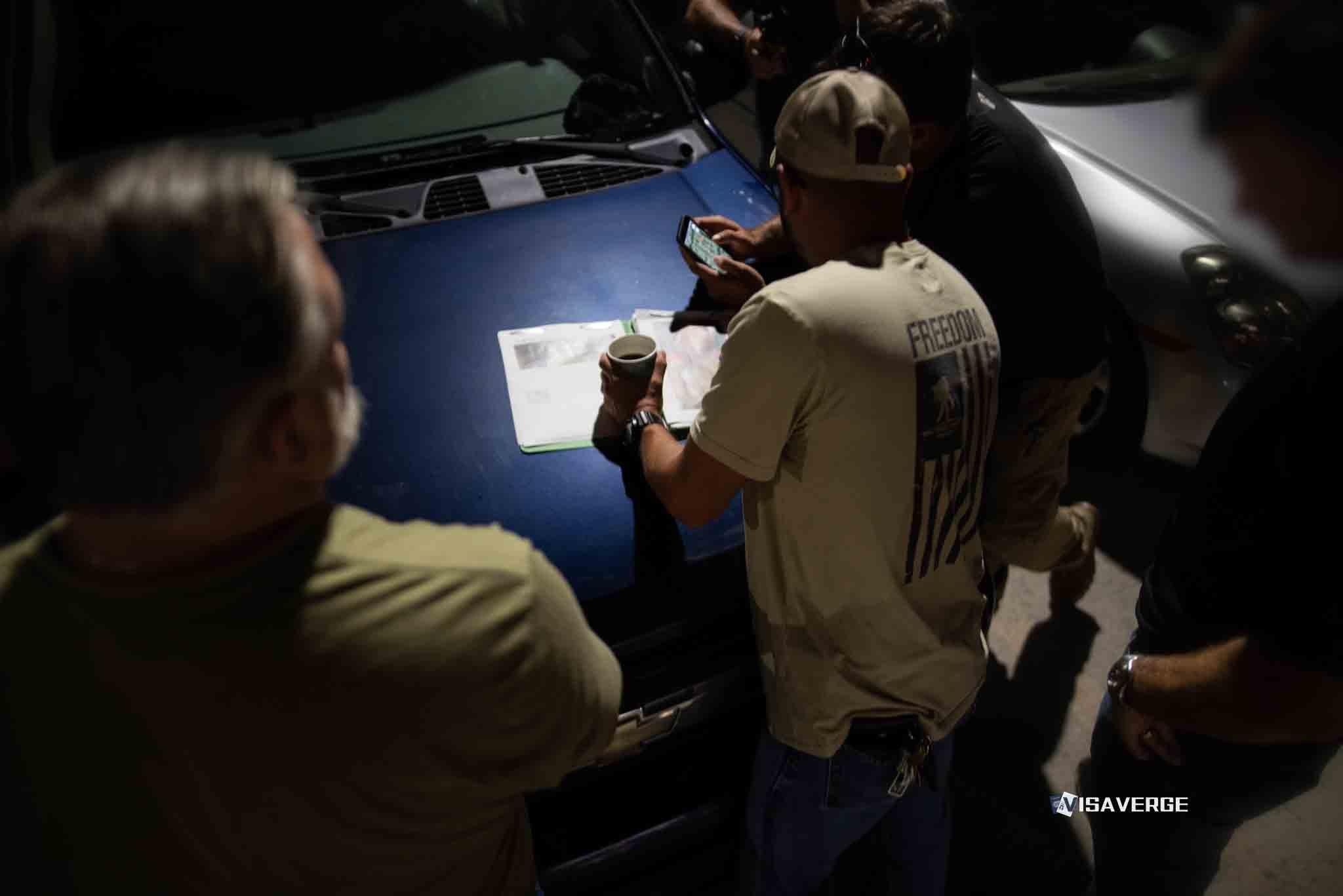
Chansareth Hong’s attorney filed a habeas petition in U.S. District Court in Providence on July 22, after ICE detained the Providence resident during a scheduled check-in in Warwick, Rhode Island. The filing seeks his release on due process grounds.
Hong is being held at the Donald W. Wyatt Detention Facility in Central Falls. The Cambodian refugee arrived in the United States at one month old in 1976, after being born in Thailand to Cambodian refugee parents.

ICE said an immigration judge issued Hong’s final order of removal on October 1, 1999. The agency cited a 1997 drug conviction.
As of July 24, 2026, the case has drawn attention from Rhode Island officials and immigrant-rights groups. Gov. Dan McKee sent a letter to David T. Wesling, acting director of ICE’s Boston field office, on July 21 urging that Hong not be detained after the check-in.
McKee wrote:
“I urge you not to inflict irreversible and devastating trauma on Mr. Hong and his family. It would be a perverse result indeed for Mr. Hong to have worked toward and embodied the ideals of his community. only to suffer a hasty removal.”
Hong’s check-in ended with transfer to a detention facility
Hong’s detention followed a routine bi-weekly appointment with immigration officials. Officers transferred him to the Central Falls facility after the Warwick check-in.
Supporters say he has lived in Rhode Island for nearly 50 years and complied with ICE check-ins for decades. Advocates also point to his compliance with every check-in for 28 years.
His family responsibilities have become part of the custody dispute. Hong is the sole caregiver for his nine-year-old non-verbal, autistic son and his elderly mother.
His son’s mother died in August 2025. Hong’s father died in June 2026.
The filing places those circumstances alongside the government’s effort to enforce the removal order. A challenge to detention does not itself erase a final removal order.
More than 150 protesters gathered outside the Warwick ICE office on July 22, according to the research material. The Providence Youth Student Movement organized the demonstration.
ICE points to the old conviction and removal order
Wesling described ICE enforcement in terms of criminal convictions in an April 16, 2026, statement.
“We will continue to pursue these dangerous criminal aliens that sanctuary politicians fight to protect.”
Marcos Charles, ICE ERO’s executive associate director, used similar language on July 13 while discussing removal flights.
“Every removal flight represents more violent offenders, sexual predators and convicted criminals who can no longer prey on people in American communities.”
Hong’s supporters emphasize a different set of facts: his arrival as an infant, his long residence in Rhode Island and his family’s reliance on him. The competing accounts place a 1997 conviction and a 1999 removal order against nearly five decades of life in the United States.
Attorney General Pamela Bondi criticized local sanctuary protections in a January 24, 2026, letter to Minnesota officials. She called those protections a “national tragedy” and said they endanger federal agents.
The administration has pursued a goal of 1 million removals annually. Bondi’s letter formed part of that broader debate over local limits on cooperation with federal immigration authorities.
Cambodian detention cases are testing notice and custody rules
Hong’s case follows other disputes involving Cambodian nationals with old convictions. Sithy Yi, a Cambodian grandmother and genocide survivor, was detained in Santa Ana, California, in January 2026.
Her lawyer, Kim Luu-Ng, argued that the government had “no real plan” to deport Yi. U.S. District Judge Cynthia Valenzuela released her on March 2, 2026.
A settlement finalized on April 29, 2026, in Chhoeun v. Quinones requires ICE to provide Cambodian nationals written notice before re-detaining them. Advocates say officials bypassed that protection in recent arrests at check-ins.
Congress is also considering relief for some Southeast Asian refugees. Rep. Judy Chu, D-California, and 36 co-sponsors introduced H.R. 7608, the Southeast Asian Deportation Relief Act of 2026, on February 20, 2026.
The bill would prohibit deportation of refugees who arrived before 2008 and lived continuously in the United States. The measure has not changed Hong’s existing removal order.
The United States resettled 1.2 million people between 1975–2008 after the Khmer Rouge genocide and the Vietnam War. The effort has been described as the largest refugee resettlement in U.S. history.
Figures cited in the debate include approximately 1,747 Cambodians and over 15,000 Southeast Asians living in the United States with final orders of removal as of 2026. Many convictions involved in those cases date back over 20 years.
Removal agreements raise questions about Cambodia’s role
A 2002 agreement with Cambodia allows the return of Cambodian citizens with criminal records. In October 2025, the Trump administration and Cambodia supplemented that arrangement with an “Agreement on Reciprocal Trade.”
Critics argue the trade arrangement leveraged access to push Cambodia to accept more deportations. Since 2025, the United States has increasingly used third-country agreements.
The issue gained attention in the case of Cambodian refugee Pheap Rom. Authorities deported Rom to Eswatini, formerly Swaziland, under a $5 million deal before repatriating him to Cambodia in March 2026.
Hong’s supporters have raised concern about removal to Cambodia, a country he has never known. His attorney’s filing now asks the federal court to address the legality of his continued custody while the case proceeds.
This article provides general information and is not legal advice. Consult a qualified immigration attorney about your specific case.