- Routine ICE check-ins in Los Angeles now frequently result in immediate detention and deportation.
- Southeast Asian immigrants, particularly Cambodians and Laotians, face the highest risk of arrest.
- Advocates urge families to prepare legal and emergency plans before attending any scheduled appointments.
(LOS ANGELES, CALIFORNIA) ICE check-ins are no longer routine for many immigrants with old removal orders. In Los Angeles, those appointments now often end in detention, and for some people, deportation follows quickly. Southeast Asians, especially Cambodians, Laotians, Vietnamese, Hmong, and Mien immigrants, face some of the highest risk.

For families, the change is immediate and painful. Parents leave for an appointment and do not return home. Children wait for updates. Lawyers and relatives scramble to find out where a loved one is being held. According to analysis by VisaVerge.com, the pattern has spread across cities with large Southeast Asian communities, with Los Angeles at the center of the fear.
An ICE check-in is a scheduled appointment with Immigration and Customs Enforcement. Many people attend because an immigration judge issued a removal order, but ICE later allowed them to stay under an order of supervision. That arrangement once meant regular reporting. It did not promise safety. It did give people time to live, work, and raise children while they waited for their cases to change.
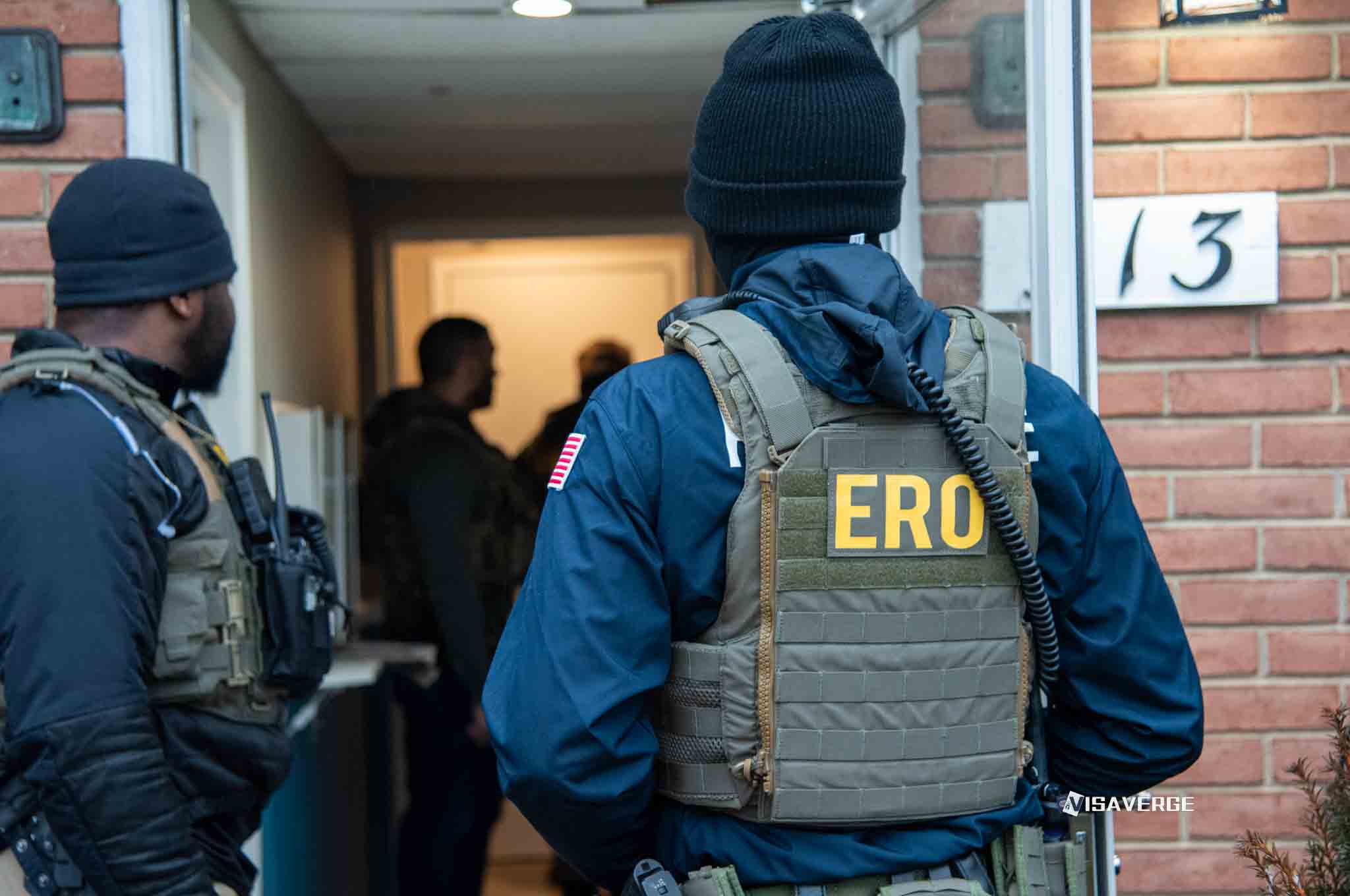
That sense of stability has weakened. Under tougher federal enforcement, officers have increasingly arrested people during or right after these appointments. The arrests are often fast. Families may not get advance notice. Legal advocates say the shift has turned a compliance meeting into a detention risk.
Why ICE check-ins have become a danger
The main risk comes from a stricter federal approach to immigration enforcement. Under President Trump, officers were pushed to arrest more people with final removal orders, even when those people had no criminal record and had lived in the United States for years. The change affects people who tried to follow every rule. It is especially harsh for those who appeared at every ICE check-in and kept their paperwork current.
The numbers show how this works in practice. In the first few weeks after new national policies took effect, about 8% of nearly 16,500 ICE arrests happened during or just after a scheduled check-in, according to figures reviewed by The Guardian. That means about 1,400 people were taken in a setting they expected to be routine. For communities in Los Angeles, that has changed the meaning of an appointment entirely.
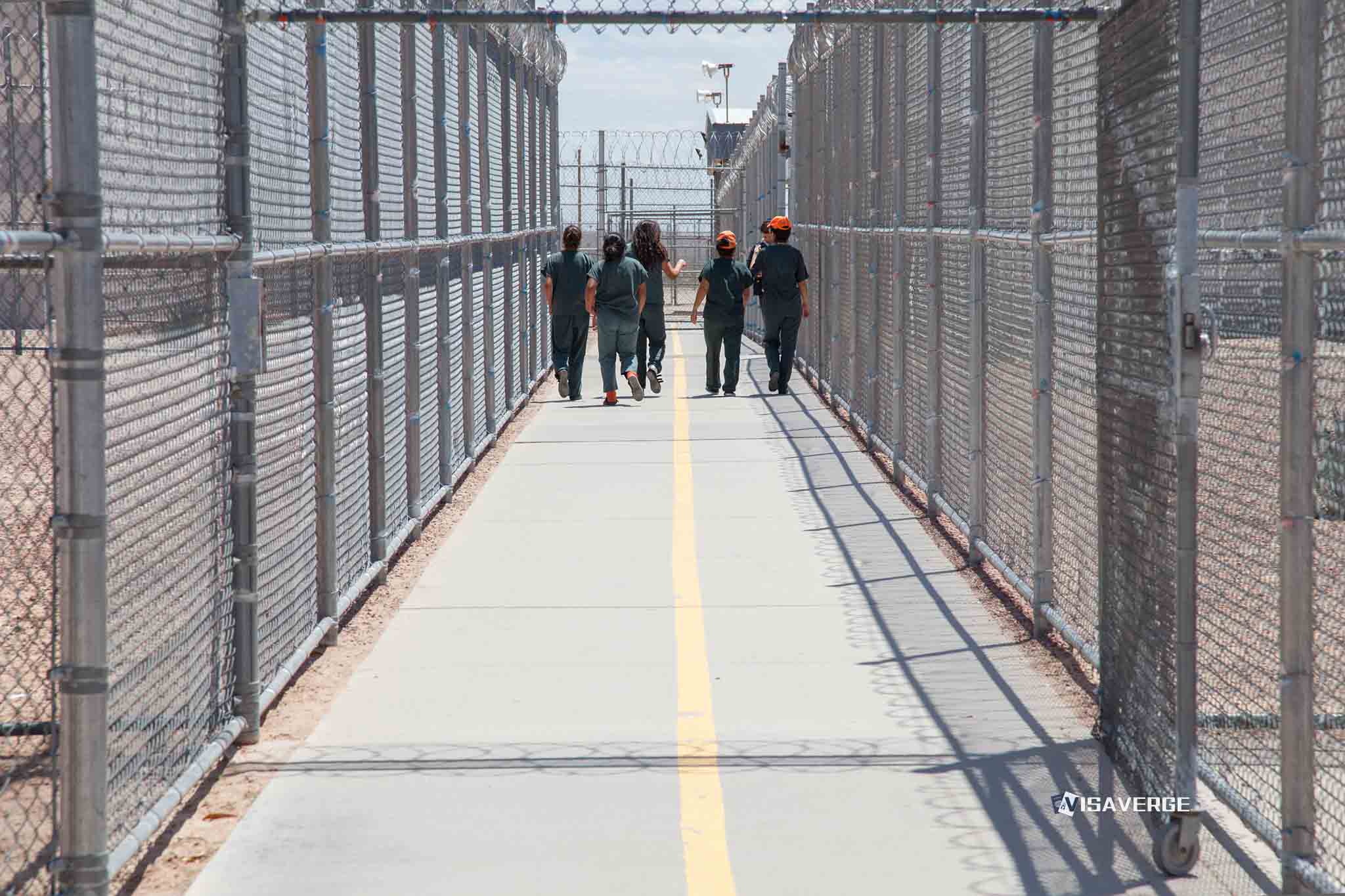
ICE uses these appointments to monitor people with removal orders. But once someone walks through the door, the outcome can change fast. Officers may place the person in handcuffs, move them to a detention center, and begin deportation steps. In many cases, family members only learn what happened after the arrest has already taken place.
Southeast Asians face the sharpest exposure
Cambodians face the clearest danger because Cambodia has a formal repatriation agreement with the United States. That agreement lets the two governments return people once identity is confirmed. Since 2002, hundreds of people of Cambodian descent have been deported under that deal. Many had spent decades in the United States.
Laotian nationals also remain exposed. One report says more than 4,600 people considered to be from Laos have active removal orders in the United States. Large-scale raids like those seen in the Cambodian community have not become as common for Laotian nationals, but fear has grown as enforcement has tightened.
Vietnamese refugees also face renewed risk. Some arrived before later diplomatic arrangements. Their cases may now receive closer attention as federal policy shifts. Each year, officials from these countries may visit the United States to interview people and help identify those who can be sent back. During those visits, detention risk at ICE check-ins rises.
These cases are not only about legal status. They are about people who built lives in Los Angeles, worked for decades, and raised children. Many have U.S.-born sons and daughters. When a parent disappears after an ICE appointment, the damage reaches every part of the household.
Los Angeles offers limited shelter
Los Angeles has long used sanctuary policies. Those rules limit how much local police can help immigration officers, except in serious or violent crime cases. City officials say that approach protects families by lowering fear during everyday life.
But sanctuary policy does not stop ICE. Federal officers can still act in homes, workplaces, and public spaces. The agency operates nationwide, and its power does not end at the city border. That leaves immigrants in Los Angeles in a difficult position. Local protections exist, but they do not block federal arrests.
Orange County takes a different route. Local law enforcement there regularly turns people over to ICE, even for minor issues. Advocates say that contrast confuses families across Southern California. A person may feel safer in one county and more exposed in the next. That uneven system makes planning much harder for Southeast Asians who travel for work, school, or family visits.
What happens during a check-in
The journey often starts with a notice from ICE telling a person to report at a set date and time. The appointment may be short. Officers may ask for documents, ask questions about home or work, and review compliance with supervision terms. For some, the meeting ends and they go home.
For others, the appointment becomes the start of detention. Officers may say they have changed the person’s status, reopened a case, or decided to enforce the removal order. The person may be taken away that day. Sometimes there is no time to call family before transport begins.
People with old orders of supervision often assume attendance protects them. It does not. Showing up proves compliance, but it does not prevent arrest. That is why community groups now treat each appointment as a possible detention event, not a routine errand.
Rights and preparation before any appointment
Legal advocates, including the Asian Law Caucus, urge people with active removal orders to speak with a lawyer before any ICE check-in. They also stress that families should prepare in advance, not after an arrest.
- Confirm the legal status first. A lawyer should review the removal order and any possible motion to reopen.
- Keep emergency contacts ready. Family members, lawyers, and community groups should be easy to reach.
- Do not sign papers without reading them. ICE documents can change a case fast.
- Prepare children and relatives. Families should know who will pick up children and where key papers are stored.
- Do not go alone. A trusted adult or lawyer should accompany the person when possible.
People also have basic rights at home. They do not have to open the door unless officers have a proper warrant. They have the right to remain silent and to ask for a lawyer. Those rights do not stop every arrest, but they matter.
For official ICE appointment information, readers can use the ICE check-in guidance page. People who need forms tied to immigration relief often rely on official USCIS pages as well, including Form I-212 for permission to reapply after removal and Form I-246 for a stay of removal request.
Community support fills the gaps
In Los Angeles, immigrant groups have built rapid-response networks around detention risk. They help families locate loved ones, connect with attorneys, and spread alerts when enforcement activity rises. That support matters most for older immigrants and refugees who may not have strong English skills or may fear calling authorities.
Southeast Asian communities often rely on close neighborhood ties. One detention can unsettle an entire block. Neighbors help with school runs, groceries, rent, and translation. Faith groups and cultural organizations often step in when a breadwinner disappears. The emotional strain is deep, especially for children who come home to find a parent gone.
The fear also has an economic cost. Many people targeted at check-ins worked steady jobs for years. When they are detained, families lose income overnight. Rent falls behind. Child care arrangements collapse. Some households fall into housing trouble within weeks.
ICE check-ins now sit at the center of that pressure. For Southeast Asians in Los Angeles, the message from advocates is plain: a scheduled appointment is no longer just paperwork. It is a moment that can change a family’s future in minutes.