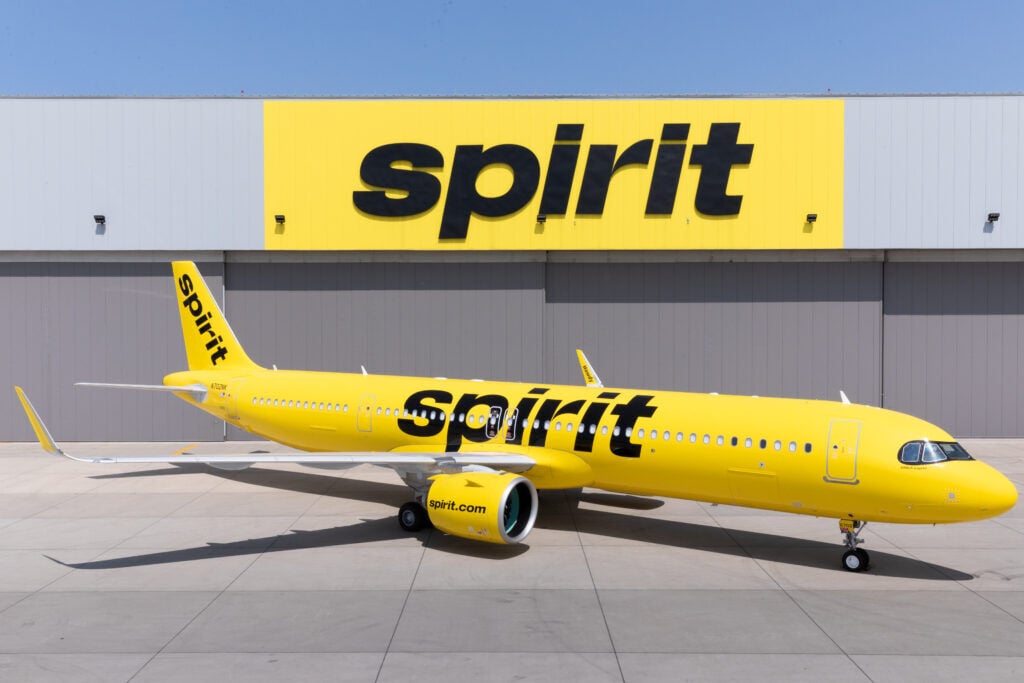
- Sun Country is cutting one-third of flights in September twenty twenty-six due to pilot attrition.
- Major routes to Chicago and Los Angeles face reductions of up to sixty-two percent.
- Junior pilots are migrating to Delta Air Lines as the carrier increases regional hiring efforts.
Sun Country Airlines removed roughly 348 September departures after elevated pilot attrition among junior crews based in Minneapolis/St. Paul, cutting about one-third of its planned passenger flying for the month.
The cuts take effect across the Twin Cities schedule in September 2026. Seven routes will disappear temporarily, while service to Chicago, Los Angeles, Orlando and San Francisco will operate less often.
Free toolB1/B2 Tourist Visa Stay Calculator online
Greg Anderson, CEO of Allegiant Travel Company, said many departing pilots left for Delta after the larger carrier increased hiring in the region.
“Over the past few months, Sun Country has experienced elevated pilot attrition, concentrated among its junior MSP pilots and largely driven by increased hiring at the largest carrier in the Twin Cities,” Anderson said.
The carrier is calling the reductions temporary. It also blamed increased cargo flying and elevated fuel prices, while saying new hiring and training classes have been expanded for later in 2026 and into early 2027.
Anderson said the company was reducing off-peak Twin Cities capacity during the back half of the year. The September schedule shows how sharply that decision will affect passengers.
Seven MSP routes vanish from the September schedule
The carrier suspended seven routes for the month, including international and domestic leisure markets. The affected destinations are Cancún, Mexico; San Juan, Puerto Rico; Destin-Fort Walton Beach, FL; Asheville, NC; Raleigh-Durham, NC; Baltimore/Washington (BWI); and Phoenix-Mesa (AZA).
Several major routes will remain available but with fewer departures:
| Route | September schedule change |
|---|---|
| Chicago O’Hare (ORD) | 62% reduction |
| Los Angeles (LAX) | 39% reduction |
| Orlando (MCO) | Approximately 40% reduction |
| San Francisco (SFO) | Approximately 40% reduction |
The 348 removed flights represent a 33% reduction in the carrier’s total planned passenger flying for September. Travelers booked on suspended flights must rebook or accept travel vouchers, while passengers on reduced routes face fewer departure choices.
Reduced competition is also pushing some Twin Cities travelers toward more expensive legacy-carrier alternatives. The effects are clearest on markets where the carrier had offered a lower-cost option, leaving customers to change dates, accept a connection or pay more for another ticket.
Delta’s recruitment drive reached Sun Country’s youngest pilots
Anderson said “the vast majority” of the departing pilots joined the carrier within the last three years. They were moving to “the largest full-service carrier in MSP,” he said, after that airline increased hiring by “maybe double or more.”
Delta Air Lines operates its second-largest hub at MSP and is targeting 2,400–2,600 new pilot hires in 2026. The recruiting effort is drawing from regional and mid-tier airlines, including the Twin Cities carrier.
Mainline airlines typically offer higher pay and larger aircraft than smaller operators. A move can also give junior pilots a path toward broader career advancement.
The departures are concentrated among newer employees rather than the entire pilot group. Many had less than three years of tenure when they moved to the larger airline.
Sun Country has expanded hiring and training classes for the second half of 2026 and early 2027. Those classes will not immediately replace crews who have already left.
Amazon cargo flying is taking pilots away from passenger routes
Passenger flying is competing with a separate cargo operation for available crews. The carrier’s Amazon Air contract requires a dedicated pilot pool for 22 Boeing 737-800 freighters.
That commitment leaves fewer pilots available for scheduled passenger service. An internal memo dated July 16, 2026, attributed the schedule changes to “higher-than-expected front-line crew attrition combined with increased cargo flying.”
Fuel prices added another constraint. Anderson said the company was cutting off-peak capacity while it managed both staffing pressure and higher operating costs.
“In response to this attrition and elevated fuel prices, we are reducing off-peak capacity in the Twin Cities during the back half of the year,” Anderson said.
The company has not described the passenger cuts as a permanent withdrawal from the market. Its response is to add pilots, expand training and wait for those crews to become available.
A dispute over instructor pay is testing the training pipeline
The schedule reductions coincide with a legal fight involving the Air Line Pilots Association. Sun Country is suing to void a binding arbitration award that requires premium “override pay” for instructor pilots, while the union is seeking to enforce the multimillion-dollar award.
Sam Larson, chair of the Sun Country Master Executive Council, criticized the company on August 3.
“Sun Country can’t have it both ways. It can’t claim a pilot and captain shortage while simultaneously fighting a multimillion-dollar award compensating the very instructor pilots who stepped up to train new first officers and captains to ease that shortage.”
ALPA filed a countersuit on August 3, 2026, to enforce the award. The dispute centers on pilots who trained new first officers and captains as the airline tried to expand its staffing base.
Employee frustration has surfaced in social-media posts and internal forums. Some pilots have cited “management resting on its laurels” and a “lack of healthy accountability” as reasons for leaving beyond pay.
The fight puts additional pressure on the instructors needed to prepare replacement crews. Training capacity is central to the carrier’s plan for restoring passenger flying.
Allegiant’s takeover is still reshaping the operation
Allegiant Travel Company completed its acquisition of Sun Country on May 13, 2026. The integration requires the companies to combine two operating certificates and pilot contracts, a process expected to take 18 to 24 months.
Jude Bricker, who led Sun Country through its transformation since 2017, transitioned out of the CEO role in May after the merger closed. Allegiant executives, including Anderson and Robert Neal, then assumed more direct control.
The ownership change arrived as the carrier dealt with crew departures, a cargo staffing requirement and the instructor-pay dispute. Pilots have also described frustration with the merger in internal discussions.
Neal, Allegiant’s president and CFO, said August 6 that the company was evaluating whether to move more Boeing 737 MAX options to former Sun Country routes. The aircraft plan is not expected to ease the pilot shortage until 2027.
That leaves September as the immediate test. Passengers holding reservations on the seven suspended routes or on sharply reduced services should check their bookings before travel, because the available schedules will be smaller throughout the month.