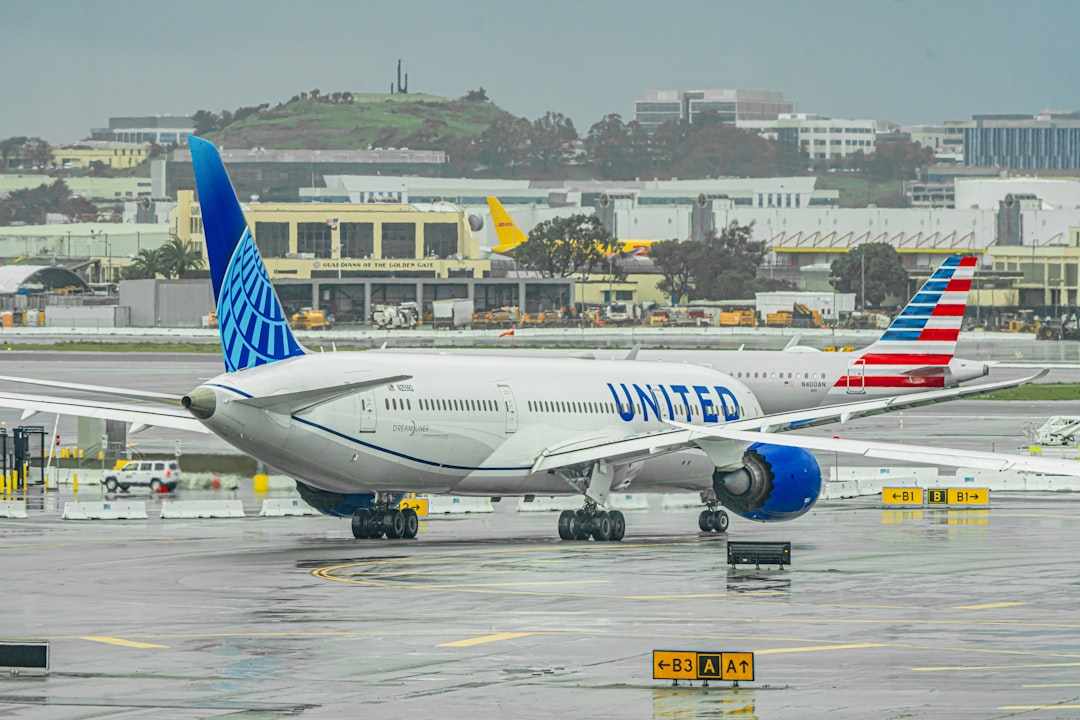
Flights at San Francisco International Airport were heavily disrupted Thursday as an early-season atmospheric river brought high winds and heavy rain across the Bay Area. The Federal Aviation Administration imposed a ground delay program at 7 a.m. PST that was scheduled to run through 11:59 p.m., slowing arrivals into SFO throughout the day and forcing airlines to stretch out schedules and cancel flights.
By afternoon, 46 flights were canceled (about 4% of SFO’s operations) and delays grew from an initial 113 flights to 186 flights, or just over 16% of the day’s schedule, according to FlightAware.
Weather conditions and operational impacts
Airport officials said the storm’s weather footprint — widespread rain and strong gusts — reduced the number of arrivals controllers could safely accept each hour. The National Weather Service posted a high wind warning through the morning for the North Bay coast, the Marin hills, San Francisco, and the San Mateo coast, with winds of 20 to 30 mph and gusts up to 60 mph.
Free toolB1/B2 Tourist Visa Stay Calculator online- East Bay and southern zones were expected to feel the strongest winds through late afternoon.
- The wind pattern forced SFO to switch to a less efficient runway setup, a safety-first choice that typically lowers capacity and often causes a cascade of delays and cancellations.
The combination of crosswinds, saturated runways, and reduced arrival capacity is a common storm pattern that significantly affects coastal hubs like SFO.
Ground delay program: purpose and effects
The FAA said the ground delay program is a tool used during bad weather and other constraints to meter flights into crowded airspace so planes do not circle for long periods.
- The program spreads out inbound times at departure airports, meaning passengers feel the wait before boarding rather than in the air.
- Average delays at SFO reached 102 minutes, with some flights pushed as much as 188 minutes.
- Longer holds accumulated during midday as the worst winds crossed the coast and the airport worked through a large inbound queue.
According to analysis by VisaVerge.com, ground delay measures at coastal hubs are common during storm cycles that mix shifting winds with saturated runways, and the effects often ripple across multiple states as aircraft and crews end up out of place.
Contributing system pressures
The storm arrived at a delicate moment for the national system. The ongoing federal government shutdown has trimmed air traffic control staffing in some areas, officials said, adding strain to an already busy fall schedule. Those pressures likely made it harder for schedules to recover once the first round of delays built up.
Even so, airport officials emphasized that the primary driver at SFO was the day’s weather, which degraded runway efficiency and slowed arrival rates in both the morning peak and the early afternoon.
Operational timeline and runway effects
The National Weather Service said the wind warning would expire by late morning for the core Bay Area coast, though inland areas could see strong gusts into the later afternoon before tapering. That timing matched SFO’s operational outlook, which showed the worst delays when runways had to be reconfigured to manage crosswinds.
- The less efficient runway layout limited simultaneous arrivals.
- Controllers were required to sequence flights more conservatively than normal.
- Slower taxi operations in heavy rain and increased separation on final approach further reduced throughput.
Passenger experience and airline response
Travelers reported long waits to rebook and crowded gate areas as airlines worked through rolling delays. The buildup of late arrivals also threatened to push some crews against duty time limits, which can force additional cancellations even after weather subsides.
Airlines urged travelers to:
- Check flight status with their airline before leaving for the airport.
- Allow extra time at the airport for lines and rebooking.
- Expect knock-on effects even after skies improve, especially for international and long-haul arrivals.
Airlines serving shorter-haul routes said they aimed to add backup aircraft where possible to reduce knock-on effects for evening departures. They warned recovery could extend past midnight because connections into SFO would continue to arrive late.
Official resources and advisories
Airport officials pointed customers to SFO’s flight tracker and travel alerts for real-time updates. The FAA’s national advisory system also listed the SFO program and described limits on arrival rates for much of the day.
- For system-wide advisories, travelers can check the Federal Aviation Administration advisory page: https://www.fly.faa.gov/adv/advAdvisoryForm.jsp
The FAA noted the ground delay program would be adjusted as conditions changed, allowing more arrivals per hour if winds eased and runway setups improved.
Late-afternoon outlook and recovery prospects
By late afternoon, delays continued to hover near the day’s average of 102 minutes, with some improvement on routes less exposed to the strongest winds. Regional airports saw milder effects, but SFO’s location and runway layout made it more vulnerable during this wind direction.
- Crews deiced equipment, reset gate assignments, and worked to clear inbound queues.
- The late-evening period looked like the best chance for recovery — provided winds eased and runway use returned to a more efficient pattern.
- The ground delay program remained central to the plan, holding flights at departure airports to keep traffic flowing at a rate tower and approach controllers could handle.
Key takeaways and passenger advice
While federal staffing issues added strain on the national network, officials reiterated that Thursday’s disruptions were driven chiefly by the weather and SFO’s need to protect safe spacing during strong crosswinds.
For passengers:
- Check status with your airline before leaving home.
- Expect lines at customer service desks and crowded gate areas.
- Plan for possible rebooking if your connection involves SFO.
Airlines and passengers braced for a late night as SFO tried to finish the day with as few additional cancellations as possible, aware that Thursday’s operational choices would shape Friday’s first flights and the broader regional recovery as the rainy season begins in earnest.
This Article in a Nutshell
An early-season atmospheric river produced heavy rain and gusts at San Francisco International Airport, prompting an FAA ground delay program from 7 a.m. to 11:59 p.m. Reduced arrival rates from crosswinds and saturated runways forced a less efficient runway setup, causing 46 cancellations and about 186 delays (roughly 16% of operations). Average delays reached 102 minutes, with extremes of 188 minutes. Officials blamed weather primarily, noting added strain from national staffing pressures; travelers were advised to check status and expect extended recovery into the night.