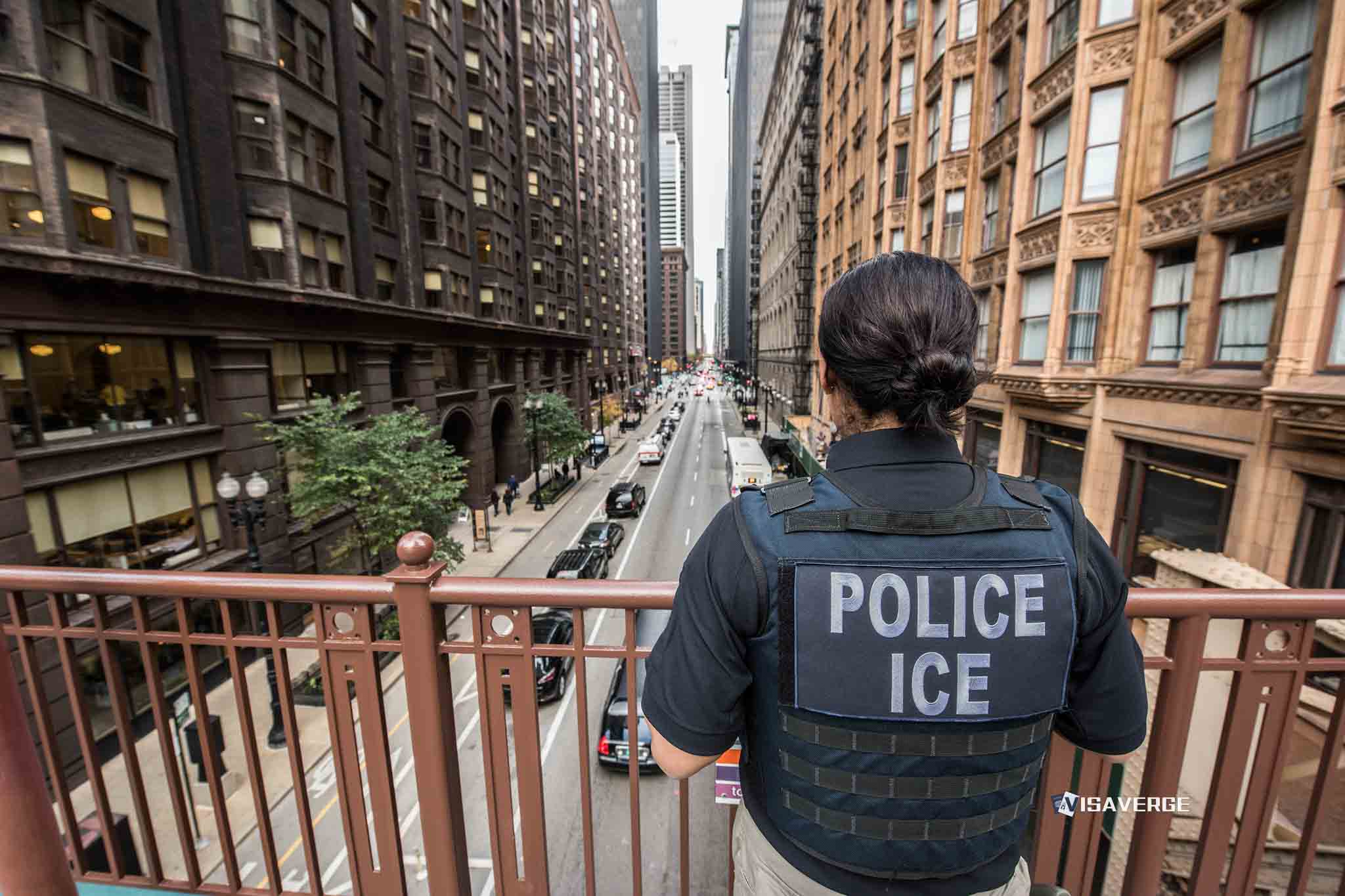
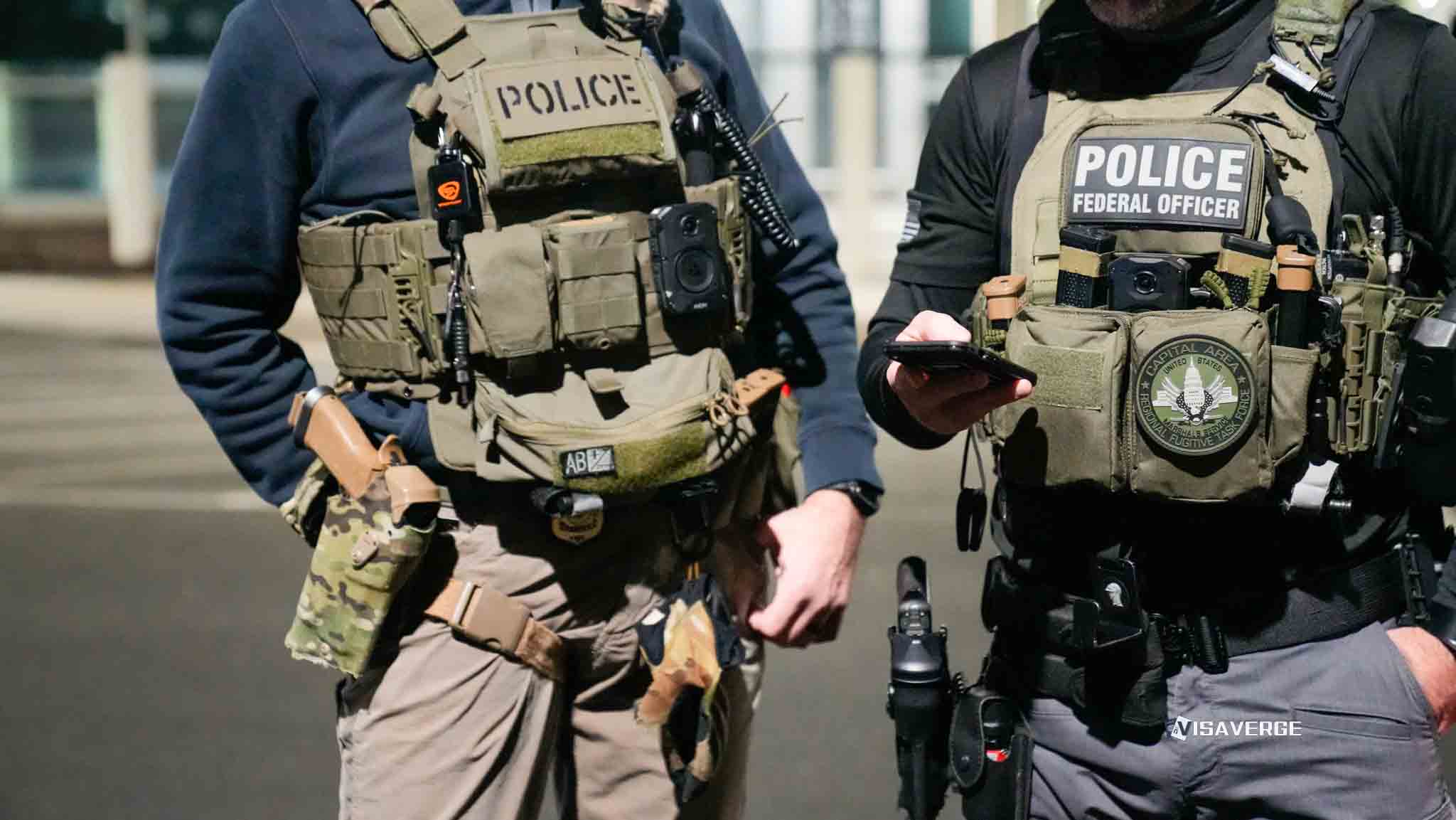
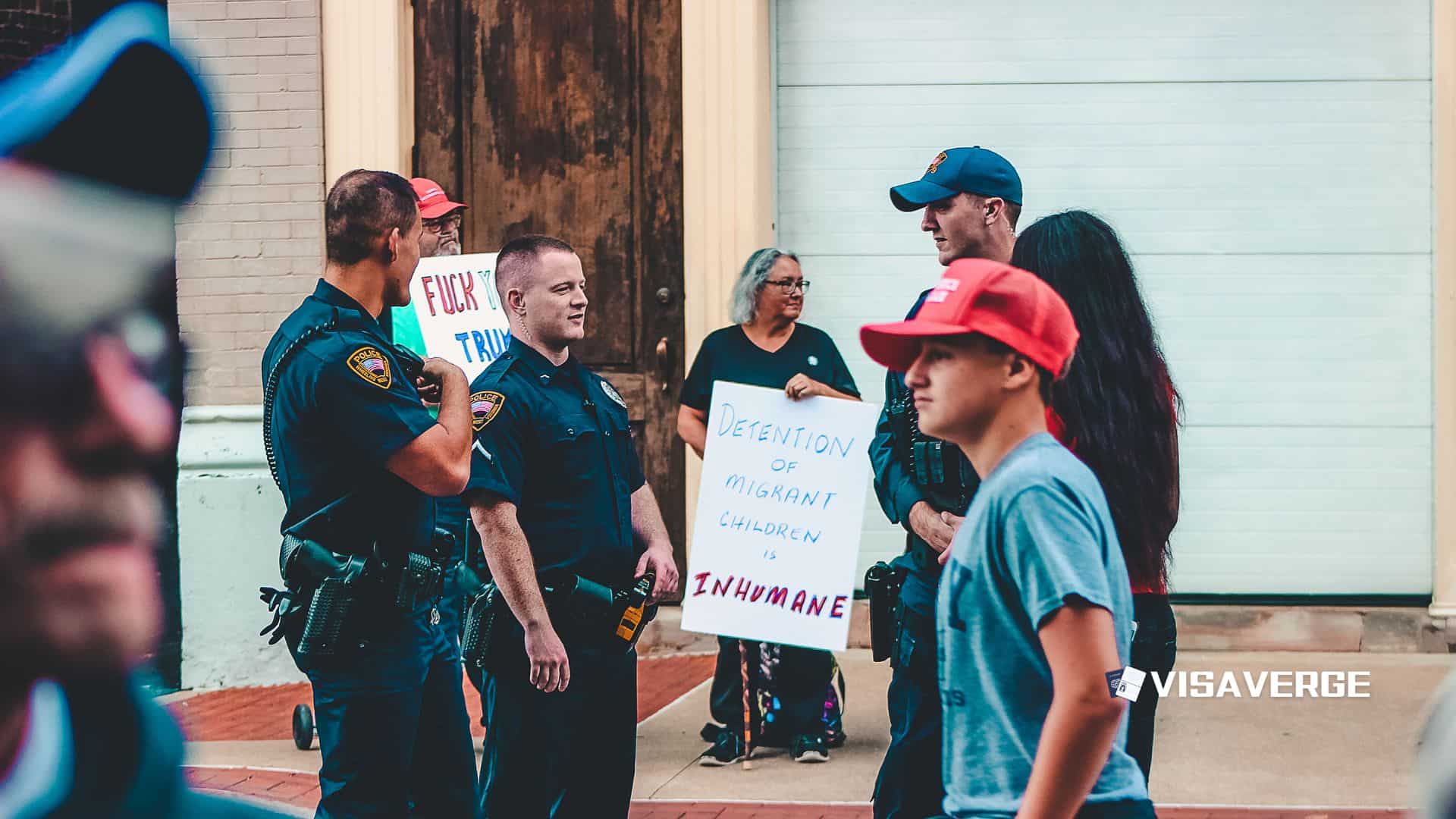
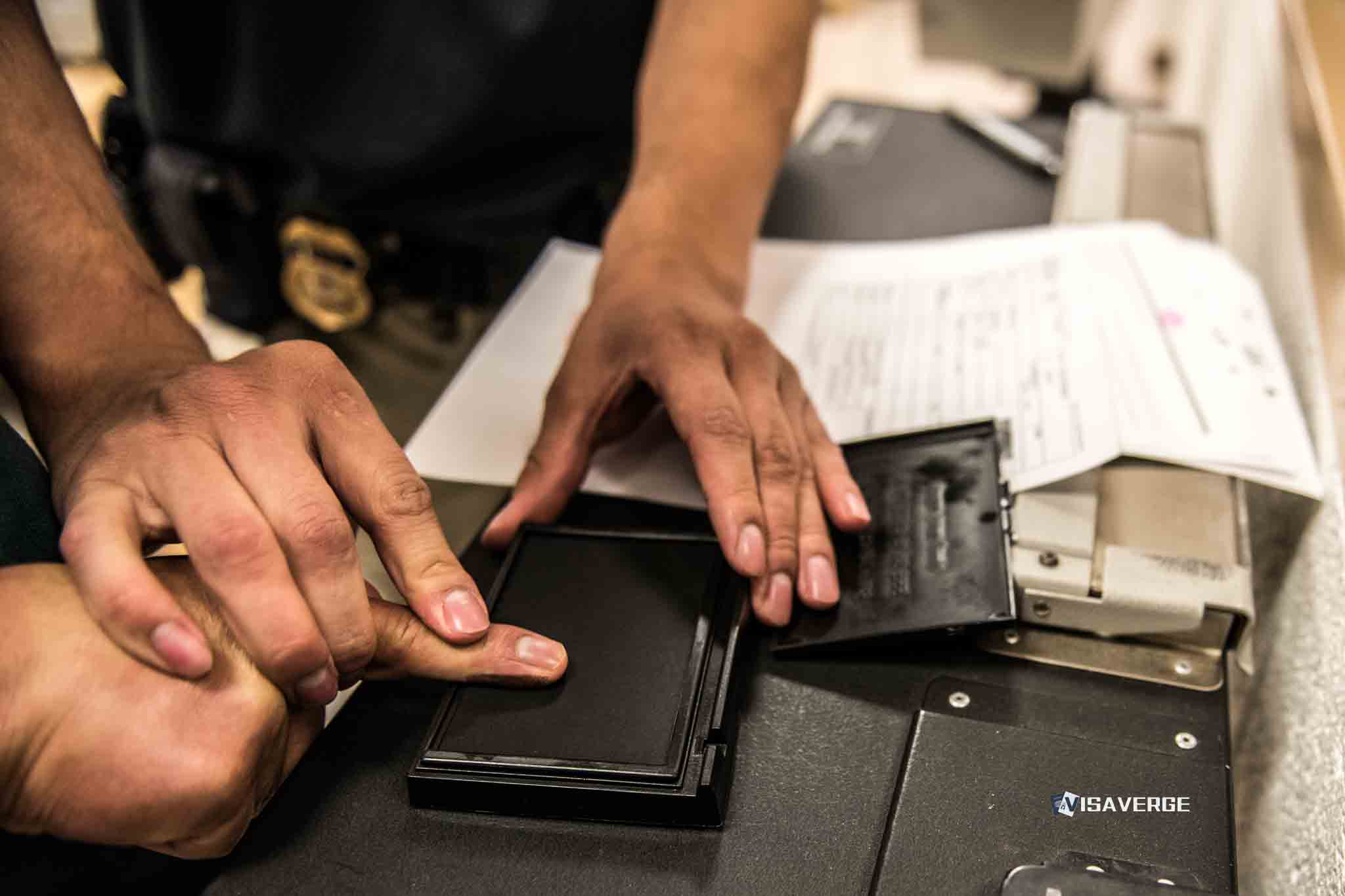
ICE activity in East Idaho has expanded beyond isolated local encounters, with Idaho Falls police confirming that ICE is conducting targeted enforcement and removal operations in the city. The broader enforcement picture also shifted on July 14, 2026, when ICE issued a temporary nationwide pause on most vehicle stops amid a wider internal review, even as White House comments said agents remain authorized to conduct vehicle stops.
- Idaho Falls police confirmed ICE is carrying out targeted enforcement and removal operations in East Idaho, marking a sharper local escalation this month.
- Local reporting also tied ICE activity to other Idaho locations, including the Boise Airport, the Canyon County Courthouse, and a vehicle pursuit in which Meridian police assisted ICE earlier this month.
- On July 14, 2026, ICE reportedly ordered a temporary nationwide pause on most vehicle stops after fatal incidents involving officers in Maine and Texas.
- White House comments said ICE agents are still permitted to perform vehicle stops, and body cameras are being rolled out across field offices, with over half already equipped and the remainder expected within 60 days.
(Idaho) Idaho State Police transported three convicted noncitizens to federal custody for deportation on August 7, 2025, marking the first operation under the state’s new 287(g) agreement with ICE. Governor Brad Little says the program targets violent offenders who’ve finished their sentences and would otherwise return to Idaho communities.
Officials confirm the three are Mexican nationals with long U.S. residence and prior convictions. Idaho State Police, acting under the governor’s direction, moved them from a local jail to an ICE-approved detention facility. ICE now holds them while removal processing continues.
What happened and who’s involved
- Governor Brad Little announced the first transport as part of an expanded state-federal partnership focused on public safety.
- Idaho State Police (ISP) coordinated with ICE to identify eligible cases and carry out secure transport.
- The publicly released case list includes:
- Alvaro Perez-Soto: in the U.S. since before 2008; convicted of Battery—Domestic Violence with Traumatic Injury.
- Tomas Prieto-Servin: in the U.S. since June 10, 1991; convicted of Reckless Endangerment, Obstructing a Public Servant, and Attempted Assault.
- A third individual described by officials as a drug trafficker.
- Officials say the three had extensive criminal histories and lived in the U.S. without legal status for years.
Why now and what 287(g) means
Idaho signed a new 287(g) agreement with the Department of Homeland Security (DHS) in June 2025. Under 287(g), state and local police can work with ICE to identify, detain, and transfer certain noncitizens for removal after criminal custody.
Key program details:
– Funding: Up to $300,000 for transports over the next 12 months.
– Guard support: The Idaho National Guard was authorized on August 8, 2025 to support operations through November 15, 2025.
– Scope: State leaders say the program prioritizes those with violent histories who have completed sentences, aiming to prevent their release back into Idaho communities.
Key statements from officials
- Governor Brad Little: the state is focused on “the most violent and dangerous illegal aliens,” saying cooperation helps keep them from reentering communities after serving time.
- DHS Secretary Kristi Noem: praises the partnership, saying 287(g) agreements support public safety and efficient enforcement.
- ICE Acting Director Todd Lyons: coordinated jail transfers reduce the need for at-large arrests in public spaces, which can be riskier.
“Coordinated jail transfers reduce the need for at-large arrests in public spaces,” — ICE Acting Director Todd Lyons
What happens after state transport
The basic process, as described by state and federal officials:
- ISP identifies individuals in local jails who have completed sentences for violent or serious crimes.
- ISP transports them to an ICE detention facility approved for intake.
- ICE processes each case for removal to the person’s country of origin.
Only people with qualifying convictions who have finished their sentences are prioritized at this stage, according to the governor’s office. The focus is keeping those with violent histories from being released back into Idaho.
How this could affect Idaho communities
Supporters’ view:
– Prevents repeat offenses by moving people with serious records out of the state after sentence completion.
– Controlled transfers from jail to ICE are safer than public arrests.
Critics’ concerns:
– Due process and profiling issues have been raised in other states with 287(g) programs.
– Civil rights advocates warn these programs can cause fear in immigrant communities and discourage crime reporting.
Officials’ response:
– Idaho officials say the scope is narrow and tied to serious convictions.
– Families of those detained may face sudden separation and uncertainty while ICE completes removal steps.
The scale of cooperation and funding
| Item | Detail |
|---|---|
| Program start | Agreement signed June 2025; first transport August 7, 2025 |
| Initial outcome | Three individuals transferred in the first operation |
| Funding | Up to $300,000 for 12 months to support transports |
| Guard support | Authorized through November 15, 2025 for logistics and staffing |
| National context | As of June 2025, DHS reports hundreds of 287(g) agreements nationwide under President Trump’s removal agenda |
What Idaho families and employers should know
- The effort targets people with serious convictions who’ve finished criminal sentences; it is not a general sweep of workplaces or schools.
- If a loved one is transferred to ICE:
- Families can look up detention locations and basic case status on ICE’s website.
- ICE provides information on contacts, bond, and attorney access.
- Employers:
- Should cooperate with lawful requests from ISP and ICE during coordinated jail transfers.
- Routine worksite enforcement is not the focus of this program.
Links for official guidance and updates
For federal detention and removal information, consult the ICE homepage at ice.gov for detention, case status, and contact tools. This government link gives the most up-to-date details on custody and removal steps.
How 287(g) fits into federal law
- 287(g) is part of the Immigration and Nationality Act.
- It allows trained state and local officers to perform some federal immigration tasks under ICE supervision.
- Idaho’s approach centers on transport and transfer, not street-level immigration checks.
According to analysis by VisaVerge.com, states that limit 287(g) to jail-based functions tend to see fewer community complaints than programs that include field enforcement, because the process remains within controlled settings.
Voices on both sides
- Supporters: Argue ISP–ICE cooperation protects residents and avoids releasing people with violent records into towns after prison or jail.
- Civil rights advocates: Historically warn of fear in immigrant communities and reduced crime reporting. Idaho officials counter the policy is limited to serious convictions and post-sentence transfers.
Case example (process explained)
Consider someone convicted of aggravated assault in an Idaho county court:
1. After finishing their jail term, the sheriff notifies Idaho State Police if the person lacks legal status and meets 287(g) criteria.
2. ISP transports the person to an ICE detention center.
3. ICE reviews the record, confirms identity and nationality, and starts removal steps:
– If there is a final removal order, ICE schedules deportation.
– If not, ICE places the case before an immigration judge.
4. While in ICE custody, the person can contact an attorney and communicate with family.
Practical tips for families and community leaders
- Keep documents: Identification papers, charging documents, and prior court records stored safely can help attorneys advise quickly.
- Know detention rights: People in ICE custody can request legal representation at their own expense and may ask about bond or parole where allowed.
- Coordinate locally: Community organizations should share updates from ISP and ICE so families know where to get case status information and legal resources.
What comes next in Idaho
- The program is funded through at least mid-2026, with progress reviews and possible expansion.
- The Idaho National Guard’s role could grow if transport needs increase.
- If outcomes show fewer public arrests and fewer releases of people with serious convictions, state leaders may extend the agreement.
- ISP plans to keep coordinating with ICE and DHS to move cases promptly and securely.
Names to watch and agencies involved
- Governor Brad Little
- Idaho State Police leadership and field teams
- ICE field offices handling detention and removal
- DHS oversight of state partnerships
- Idaho National Guard for logistics support
As operations continue, expect more coordinated jail transfers rather than street arrests. Idaho State Police says it will focus resources on people with violent or serious convictions, working within the state’s budget cap while coordinating closely with ICE.
The stated goal: move those with serious criminal histories to federal custody in a safe, controlled way—without escalating risk in public spaces. The next test is whether the program maintains that promise as case numbers grow and resources stretch.
This Article in a Nutshell