- Federal immigration authorities made more than 600 arrests across upstate New York in July.
- New York’s statewide limits pushed ICE toward direct federal operations at check-ins, courthouses, and airports.
- Batavia plans a 100-bed temporary structure as national ICE arrests reached 49,571 in July.
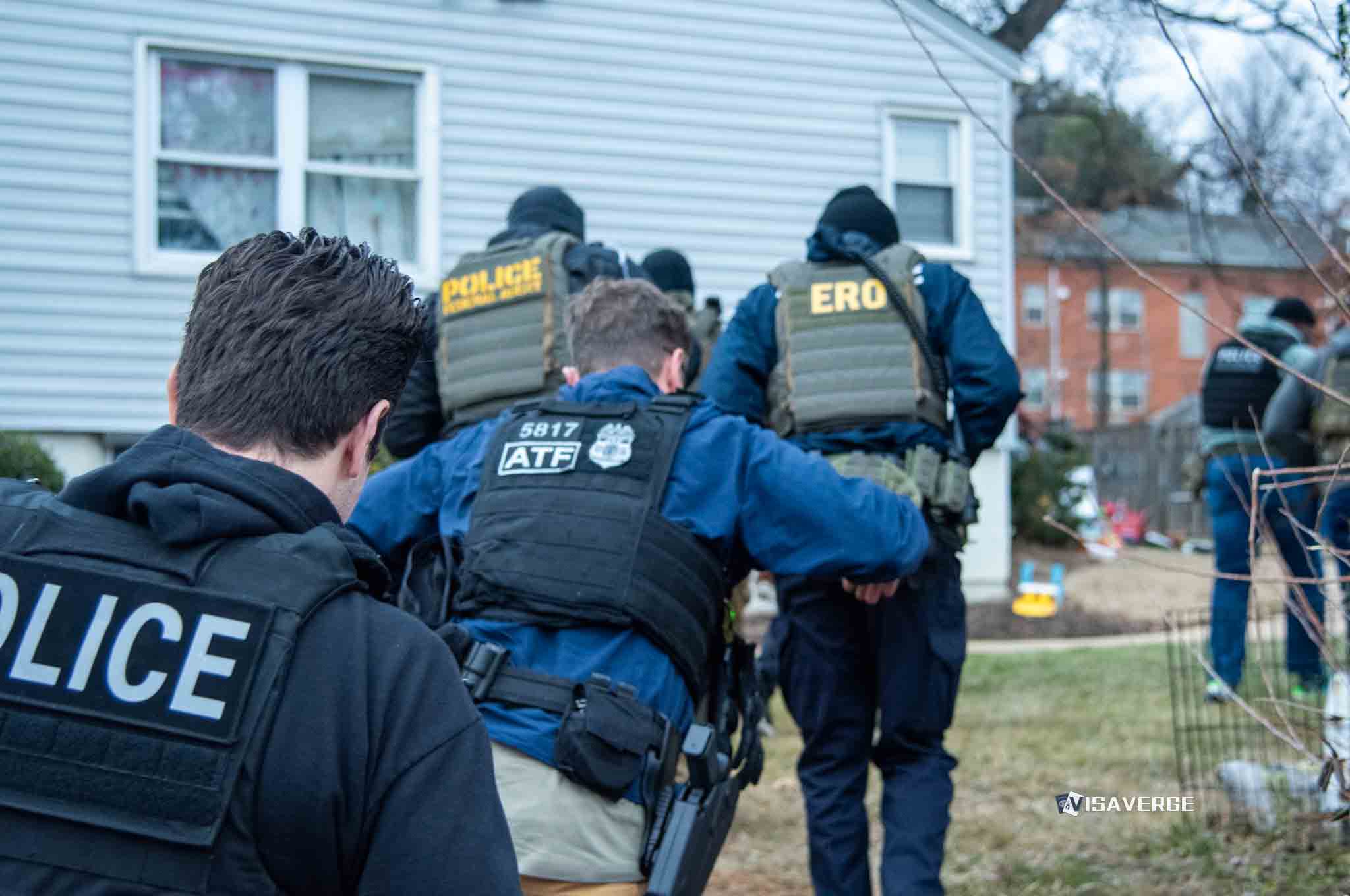
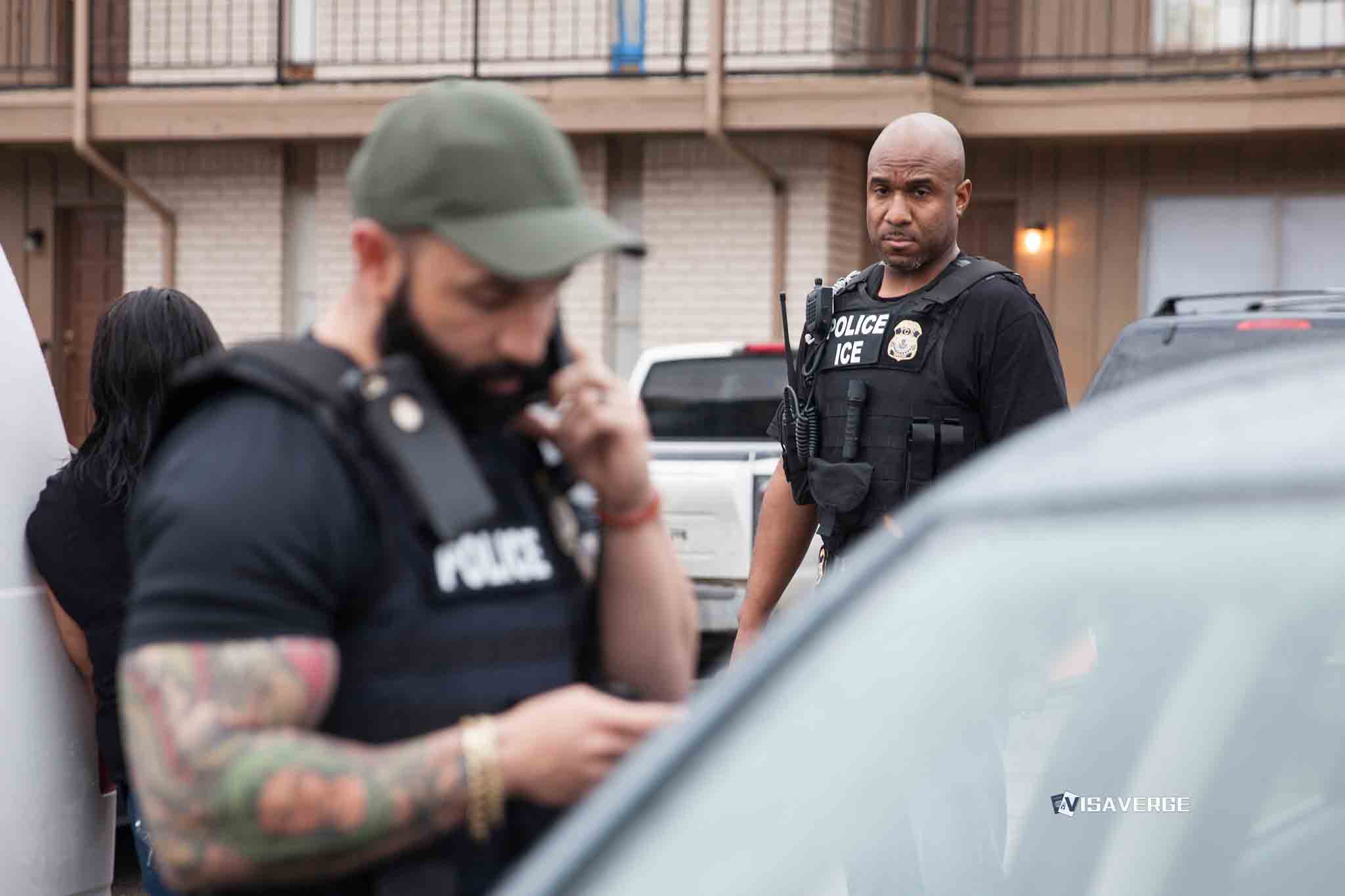
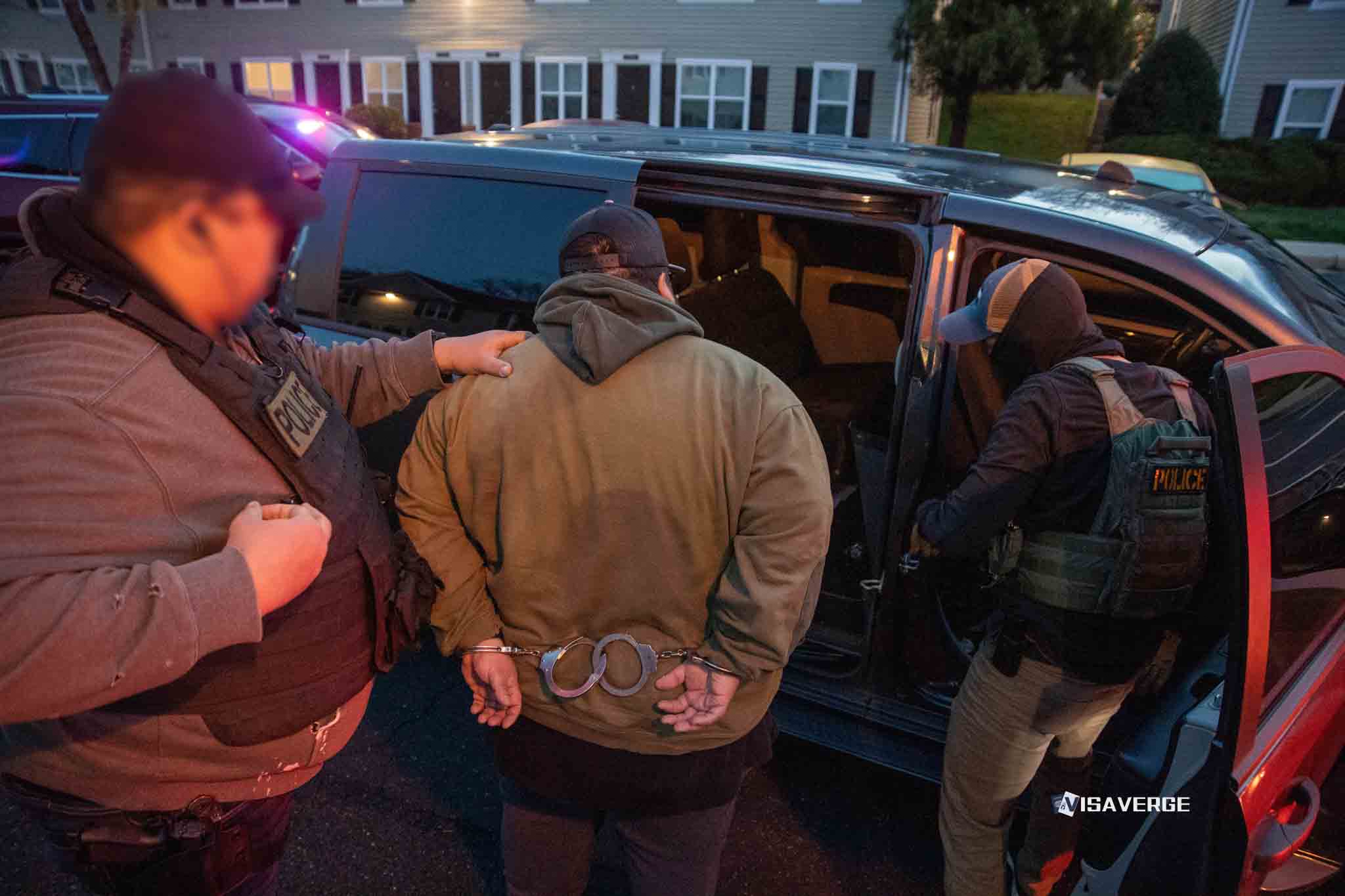
Federal immigration authorities made more than 600 arrests across upstate New York in July, as a planned expansion in Batavia signals that the increased pace may continue. Records reviewed in a September 1, 2026 report show arrests doubled in recent months.
The shift has widened the agency’s focus beyond people with final removal orders. It also has moved arrests into places where immigrants previously encountered government officials for other reasons, including immigration check-ins, courthouses and airports.
Free toolUSCIS Receipt Number Decoder
One analysis found that 72% of upstate arrests during the Trump period involved people with no criminal record. A separate review found that only 25% of July arrests involved people already ordered removed.
The numbers point to a broader enforcement campaign. ICE is sending more agents into the state and relying less on local police and jails.
Officials and analysts have described the approach as “flood the zone.”
New York’s cooperation limits are pushing ICE toward direct operations
New York’s restrictions on local cooperation took effect statewide in late August 2026. The state law bars many agreements between local police departments and ICE, along with local jail space rentals for immigration detention.
The measures also limit cooperation under the federal 287(g) program, which can involve local officers in immigration enforcement. Reporting on the policy shift describes federal agents taking a more direct role as those local arrangements become less available.
That change has altered where the department conducts operations. Immigration check-ins, courthouses, airports and other nontraditional locations have become arrest sites alongside more familiar enforcement settings.
The local restrictions do not end federal enforcement in New York. Instead, the response described by officials and analysts relies more heavily on federal personnel and facilities.
Batavia’s planned expansion arrives as federal arrest totals climb
ICE plans to add a temporary structure with 100 beds at the Buffalo Service Processing Center in Batavia. The expansion would increase the agency’s detention footprint in the region as arrests rise.
| Measure | Figure | Context |
|---|---|---|
| Upstate arrests | More than 600 | July 2026 |
| Planned Batavia structure | 100 beds | Buffalo Service Processing Center |
| National ICE arrests | 49,571 | July, highest monthly total in President Trump’s second term |
The national figure places the upstate increase within a wider enforcement surge. ICE recorded 49,571 arrests in July, its highest monthly total since President Trump began his second term.
The Batavia project also suggests the detention expansion is intended to support continuing arrest activity, rather than address only a brief spike. People arrested in the region may be held there or processed through federal court appearances.
Those cases can differ from older enforcement priorities centered on people with final removal orders. Many of the people now arrested upstate are still pursuing immigration relief and have not received final removal orders.
That posture can affect bond eligibility, defense strategy and the length of detention. A court-appearance arrest may also create different litigation and representation issues from a case involving an existing removal order.
The policy environment is still changing. New York’s restrictions now govern local cooperation and detention arrangements statewide, while the federal government continues expanding direct operations and preparing additional space in Batavia.
This article provides general information and is not legal advice. Consult a qualified immigration attorney about your specific case.