- India ordered U.S. citizen and OCI cardholder Imran Khan to leave by October 28 after he attended a Mumbai protest.
- The FRRO warned that disobeying the departure order could lead to prosecution under the Immigration and Foreigners Act, 2025.
- Khan’s lawyer plans to challenge the order and police summons; the court challenge is pending.
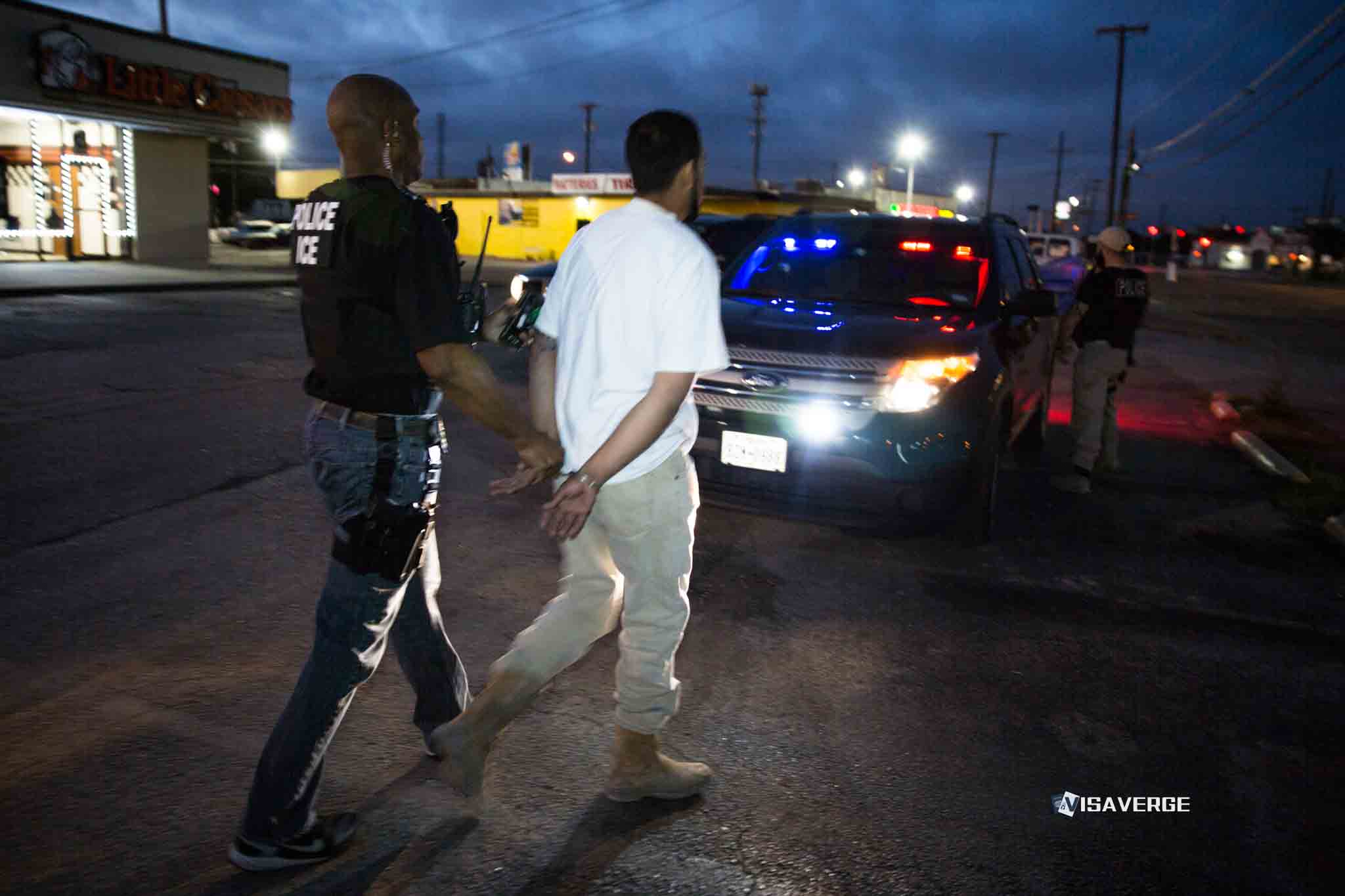
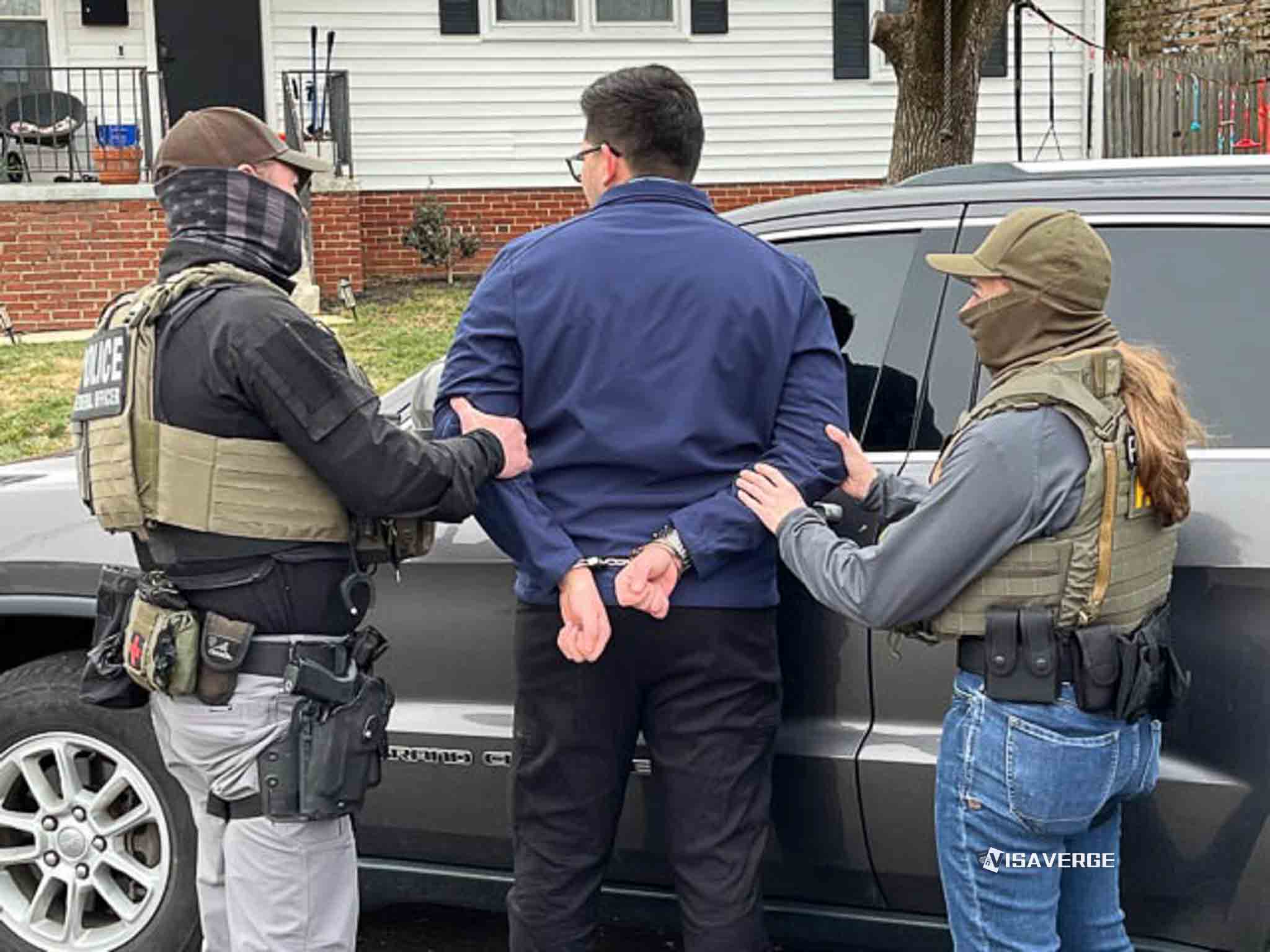
India’s immigration authorities ordered actor Imran Khan to leave the country by October 28, 2026, after he attended a Mumbai protest demanding Chief Election Commissioner Gyanesh Kumar’s resignation. The 43-year-old U.S. citizen and Overseas Citizen of India (OCI) cardholder received the notice on October 15.
The demonstration took place on October 10 at August Kranti Maidan. Police detained Khan there and released him later that evening.
Free toolSubstantial Presence Test Calculator
The Foreigners Regional Registration Office (FRRO) issued a “Leave India Notice” after Gamdevi police forwarded a complaint from BJP leader Kirit Somaiya. The notice describes its recipient as “Imran Khan Pal, a United States of America national.”
It directs him to depart by the deadline. His lawyer says he will challenge the order and a Mumbai Police summons.
The departure order invokes immigration powers and threatens prosecution
The notice cites Section 7(2)(c), read with Section 29, of the Immigration and Foreigners Act, 2025, identified in the document as Act XII of 2025. It sets out the departure requirement directly:
“You shall not remain in India and shall depart from India on or before 28.10.2026.”
It also warns that disobeying the direction could lead to prosecution under the Act. The Mumbai FRRO officer issued the notice as Civil Authority under a Ministry of Home Affairs notification dated September 1, 2025. Deputy Commissioner of Police Samay Munde is handling the matter.
Section 29 allows the Central Government to order a foreign national’s removal for violating the Act, its rules or orders, or on the basis of an adverse security report. Section 7 gives the government power to regulate or restrict a foreigner’s entry, departure, continued presence, movement and activities in India.
Section 23 sets penalties for certain immigration violations. Those can include imprisonment of up to three years, a fine of up to ₹3 lakh, or both. The departure notice is an administrative direction, not a conviction for an offence.
A police official said foreign nationals cannot take part in political protests or political activities on Indian soil under relevant immigration provisions. A senior official said the competent authority found that Khan, a foreign national, had violated the applicable law and rules by protesting.
A complaint followed the protest and a same-day detention
Somaiya, a former Bharatiya Janata Party Member of Parliament, filed his complaint at Gamdevi police station on October 13, 2026. Police referred it to the immigration authority because Khan’s OCI status fell within that body’s jurisdiction.
Somaiya alleged that Khan had engaged in political activity as a foreign citizen and sought action that included detention and deportation. He said:
“Imran Khan staying in India for the last couple of days is showing extremism, fanaticism. Indians cannot tolerate it. Khan is a foreign citizen and the police will call him for an inquiry.”
He also called for action against foreign citizens and people he accused of using foreign funds to create anarchy. Somaiya questioned Khan’s reason for joining the protest, asking whether he was there to promote an anti-Muslim narrative about the electoral-roll revision.
The demonstration focused on alleged irregularities in the Special Intensive Revision (SIR) of voter rolls. Somaiya said 40 percent of voters’ names had been deleted in his Malabar Hill Assembly constituency during the exercise. That figure was not established through an official election-roll finding.
The Election Commission has denied allegations of voter-list manipulation in the SIR process. Khan’s partner, actor Lekha Washington, and his cousin, Zayn Marie Khan, were also detained during the demonstration.
Khan says he attended as a city resident, and plans to challenge the order
Khan said he had joined as a Mumbai resident, not as a representative of a political organization. At the protest, he said:
“I don’t have demands. I am here as a citizen, as someone who lives in this city.”
He also said he wanted to understand restrictions on movement and the suppression of people’s voices. During his detention, he reportedly told a journalist:
“I have no demands. I am not part of any organisation.”
His lawyer, Zulfiquar Memon, plans to challenge both the immigration order and the police summons. Memon argues that OCI rules do not expressly bar a cardholder from attending a public protest.
The case is expected to come before a Bombay High Court division bench comprising Chief Justice Mahesh Chandra Tripathi and Justice Advait Sethna. Khan also spoke at the protest about movement and public expression:
“I am here to see why freedom of movement is being restricted, why people’s voices are being suppressed.”
An OCI card grants visa privileges but not citizenship
An OCI card gives eligible foreign nationals of Indian origin a lifelong Indian visa and immigration-related privileges. Holders remain foreign citizens. They cannot vote or contest Indian elections, and do not have the full set of constitutional political rights reserved for citizens.
The legal dispute includes whether an OCI holder may attend a public demonstration. Memon says the OCI rules do not expressly prohibit it, while authorities have cited restrictions on political activity by foreign nationals. Article 19 protections for speech and peaceful assembly are framed as rights of Indian citizens.
The departure order and cancellation of OCI registration are separate legal measures. The current direction requires Khan to leave India; it does not itself establish that his OCI registration has been cancelled.
Somaiya also argued that foreign nationals and people using foreign funds to create disorder should face action. He said: “All such foreign citizens, persons using foreign fund to create anarchy in India should face such action.” He separately asked: “Why was Imran Khan there? Was he there to instigate that SIR is an anti-Muslim narrative?”
The protest drew support beyond Mumbai
The October 10 protest was linked to demands for Gyanesh Kumar’s resignation over the Election Commission’s handling of the voter-roll revision. Organizers and participants associated it with the Cockroach Janata Party and a broader Gen Z-led mobilization in Mumbai, Delhi and other parts of India.
Author Tushar Gandhi, the great-grandson of Mahatma Gandhi, was also described as calling the demonstration in support of demands associated with the Campaign for Judicial Accountability and Reforms.
The notice’s deadline remains October 28, 2026. Khan’s planned court challenge will contest the departure order as well as the police summons.