- More than 230 Venezuelan men sued CSI Aviation and GlobalX in Washington, D.C., over March 2025 deportation flights.
- The lawsuit says the planes kept flying after Judge James Boasberg’s March fifteen restraining order halted removals to El Salvador.
- Plaintiffs allege detention inside CECOT for about four months, with abuse, isolation, and lasting psychological harm.
More than 230 Venezuelan men sued CSI Aviation and GlobalX in federal court in Washington, D.C., alleging the companies helped carry them to El Salvador despite a judge’s order directing the deportation flights back to the United States.
The class-action complaint, filed July 17, 2026, accuses the aviation contractors of violating the men’s civil rights, falsely imprisoning them, causing emotional distress and acting negligently. The men say the companies knew they faced a risk of torture after arriving in El Salvador.
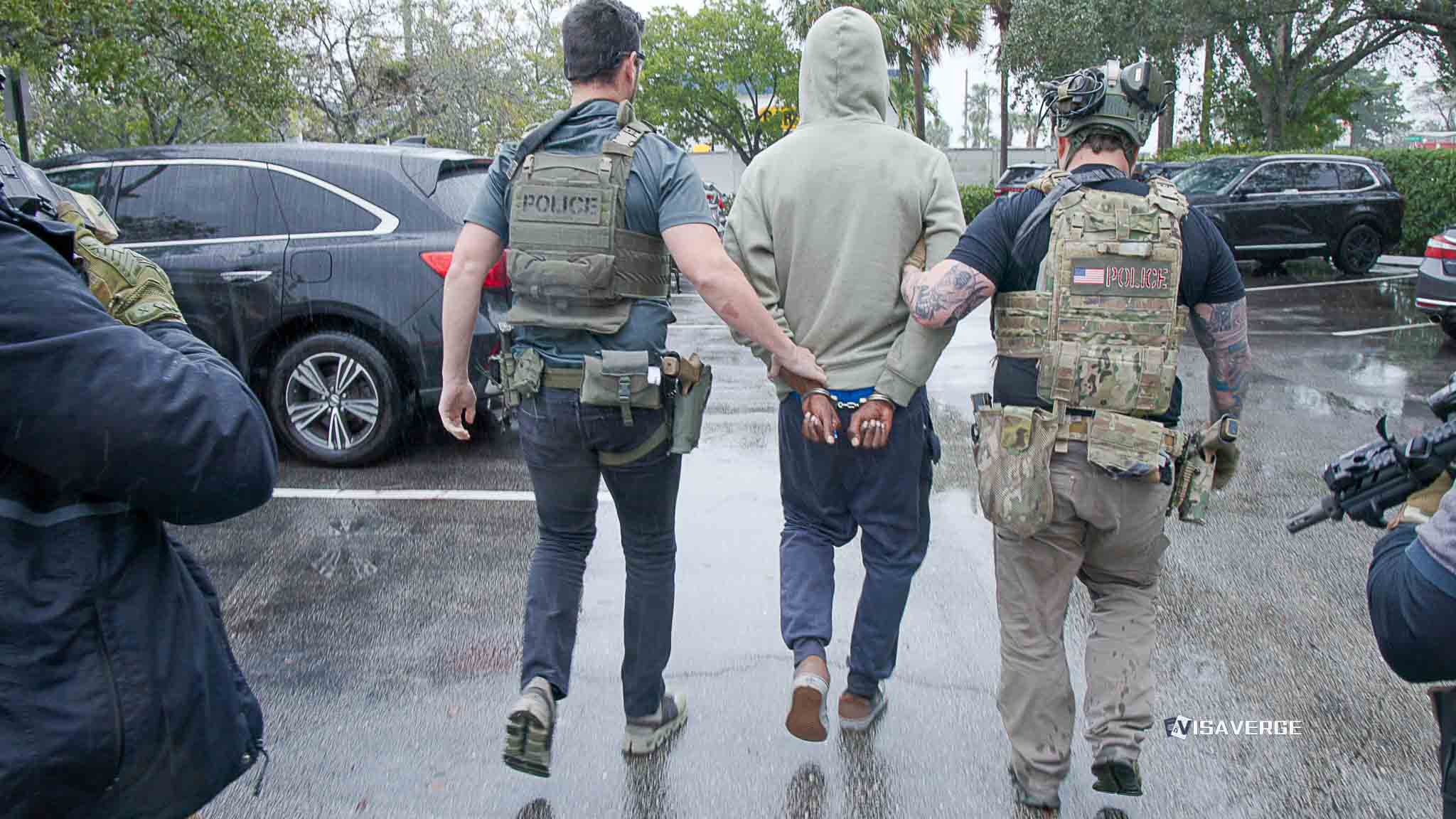
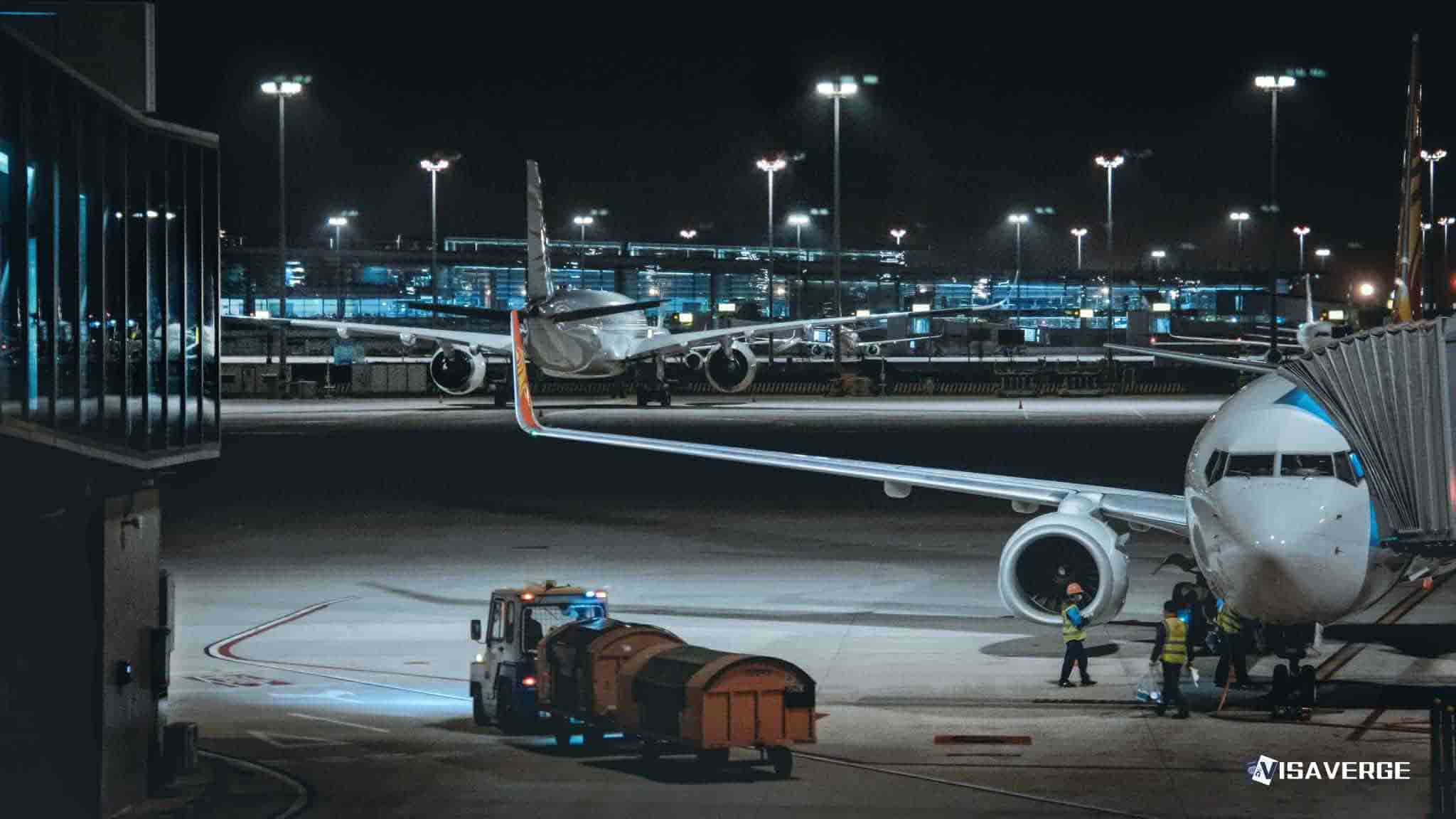
The case centers on three flights that transported the Venezuelan detainees in March 2025. Salvadoran authorities transferred them to the Terrorism Confinement Center, or CECOT, where they remained for approximately four months.
The men were released in a July 2025 prisoner swap. Some Salvadorans were also affected by the wider operation, according to the lawsuit’s allegations.
The complaint says the companies gained financially from the flights while the men endured what it calls “humiliation, terror, and cruelty.” It seeks to impose liability on private contractors rather than limiting the dispute to government officials.
“Despite knowing that El Salvador’s Centro de Confinamiento del Terrorismo (‘CECOT’) mega-prison was a notorious blacksite. Defendants went to great lengths to transport Plaintiffs and Class Members there. in flagrant violation of U.S. and international law.”
The quotation appears in the lawsuit.
The aircraft continued south after the restraining order
Chief Judge James Boasberg issued a Temporary Restraining Order on March 15, 2025, while the planes were traveling toward El Salvador. The American Civil Liberties Union and Democracy Forward obtained the order to halt the removals.
The flights continued. The men were handed over to Salvadoran authorities and taken to a maximum-security facility in Tecoluca described as a 40,000-capacity prison.
Boasberg oversees the original deportation case and is expected to oversee proceedings in the new litigation. The complaint says the contractors knew about the court order and completed the flights despite it.
That allegation supplies the central legal theory against the companies. The plaintiffs argue that private contractors should not receive the same sovereign-immunity protections asserted by federal officials when they knowingly carry out conduct that violates a judicial decree.
The aviation firms’ role also reflects the scale of private contracting in immigration removals. The research identifies the two companies as reportedly handling 74% of ICE removal flights in the preceding year.
The lawsuit says the Department of Homeland Security hired the companies. It also alleges that they obtained “unprecedented financial gains” from the operation.
Former detainees describe severe abuse inside the prison
The plaintiffs allege that guards beat them, used pepper spray and rubber bullets, and committed sexual assaults. They also describe overcrowded cells without contact with the outside world or access to legal counsel.
The complaint describes inadequate food and clean water. One plaintiff recounted drinking the same water used for bathing.
Neiyerver Adrián Leon Rengel, a plaintiff, called the prison “total hell.” He said the detention pushed him into a mental-health crisis.
“There came a point when I thought about hanging myself with the sheet they gave us.”
The men describe catastrophic injuries and continuing psychological harm, including post-traumatic stress disorder, after the four-month detention. Their claims seek damages for both the alleged treatment inside the facility and the lasting effects of the imprisonment.
Anthony Enriquez, vice president of advocacy and litigation at Robert F. Kennedy Human Rights, is leading the legal team. He said private companies can become closely connected to government abuses while operating beyond the public scrutiny applied to officials.
“Many people might not be aware of the degree to which private companies are intertwined with the human rights abuses occurring. they want to be able to operate a system that doesn’t have any rules.”
The lawsuit’s allegations have not been resolved by a court. The defendants’ potential liability will depend on issues including what they knew about the order, when they learned it and what authority they believed they had to continue the flights.
The administration invoked a wartime deportation law
President Donald Trump invoked the Alien Enemies Act of 1798 on March 15, 2025, to authorize the expulsions. The administration alleged that the Venezuelan men belonged to the Tren de Aragua gang.
The lawsuit says that allegation was never proven. The act, typically reserved for wartime, permits the summary removal of people classified as “alien enemies” without a hearing.
The administration used the law to bypass ordinary immigration courts. The flights proceeded while lawyers challenged the removals, producing the conflict over whether the companies knowingly transported people after the restraining order took effect.
A whistleblower complaint by former Justice Department lawyer Erez Reuveni alleges that Emil Bove, then principal associate deputy attorney general, told staff the deportations would happen “no matter what.” The complaint also alleges that Bove suggested the department tell the courts “f*** you” regarding potential injunctions.
Bove is now a judge on the U.S. Court of Appeals for the Third Circuit. Drew Ensign, the deputy assistant attorney general for immigration litigation, was accused by whistleblowers of misleading Boasberg about the flights’ status and timing.
Those allegations concern the government’s handling of the removals. The new case focuses on the contractors’ conduct, including whether they knew about the court order and the conditions awaiting the men.
Administration officials previously defended use of the Alien Enemies Act as a national-security measure. An ICE spokesperson said in March 2026 that the agency “cannot comment due to ongoing litigation.”
Earlier claims seek millions in damages
The class action follows individual claims linked to the same deportation operation. A plaintiff using the pseudonym “Johnny Hernandez” seeks $56 million.
Leon Rengel is seeking $1.3 million in a separate claim. The individual cases and the class action involve different proceedings, but each arises from the March 2025 transfers and the men’s detention in El Salvador.
The new complaint seeks to represent the broader group of Venezuelan men transported on the flights. It alleges that the companies’ participation was not merely logistical because they knowingly carried out the transfers despite the court’s intervention.
The lawsuit places the companies before the same Washington court that issued the restraining order while the planes were in transit. Its next stages will address the class-action request, the defendants’ responses and whether the claims can proceed against the private aviation contractors.
This article provides general information and is not legal advice. Consult a qualified immigration attorney about your specific case.