- European Union citizenship guarantees a legal right to consular help from any member state embassy abroad.
- Passport rankings often ignore post-border safety such as hospitalization, legal aid, and emergency evacuations during crises.
- Dual nationals face restricted consular assistance when visiting the country of their second nationality’s birth or descent.
A recent analysis says European Union citizenship offers the strongest formal safety net when citizens face emergencies abroad, even though national powers such as the United States, United Kingdom and India may have broader operational reach. The advantage comes from a legal right to seek help from another EU member state when a traveler’s own country lacks an accessible mission.
Most passport rankings count visa-free destinations. They measure border access, not what happens after an arrest, hospitalization, robbery, conflict or lost passport. That distinction can shape the value of a second nationality.
Consular protection can include emergency travel documents, contact with relatives, information about doctors and lawyers, detention visits, crime assistance, death notifications and crisis evacuations. The help has limits.
Article 36 of the Vienna Convention on Consular Relations generally requires authorities to tell detained foreign nationals about their right to contact a consulate. If the traveler asks, authorities must generally notify that consulate without delay. The rule does not give ordinary travelers diplomatic immunity.
A government cannot overrule the host country’s police, courts, immigration officials or laws. Its officials can communicate, advise, monitor welfare and make representations, but they normally cannot secure release, cancel charges or replace local lawyers and doctors.
EU citizens can turn to another member state’s mission
An EU national outside the bloc can approach another member state’s embassy or consulate if the person’s own country is not represented or cannot provide assistance. The assisting mission must treat the unrepresented citizen as it treats its own nationals.
Treaties, the Charter of Fundamental Rights and the Consular Protection Directive support the arrangement. An Irish citizen in a country without an accessible Irish mission could seek help from France, Germany, Italy, Spain or another member state represented there.
The possible assistance covers detention, serious illness, crime, lost travel documents, death and crisis evacuation. Service levels still vary by the country providing help. The legal ability to draw on a partner mission is the difference.
The EU added another tool on December 9, 2025. An Emergency Travel Document can be issued when an unrepresented citizen’s passport has been lost, stolen or destroyed. In normal cases, nationality and identity checks should allow issuance within seven working days.
That benefit belongs to citizenship, not residence. A Portuguese, Greek or Spanish residence permit, including a golden visa, does not turn its holder into an EU national or create the treaty-based right to use another member state’s consular service.
Naturalization, descent or another lawful citizenship route normally creates that additional protection. Residence alone does not.
Networks expand reach, but not legal power
A large diplomatic network can shorten the distance to assistance. The Lowy Institute’s 2024 Global Diplomacy Index counted 274 Chinese diplomatic posts and 271 United States posts, ranking China first and the United States second among the countries studied.
Japan also maintained one of the world’s largest networks. France, meanwhile, is among the countries whose missions may assist an unrepresented EU national under the pooled system.
Post counts show presence, not performance. A government may have many missions but restrictive eligibility rules, no access to a conflict zone or no ability to act when local authorities refuse cooperation.
Smaller networks can still support effective evacuations or partner arrangements. The number of buildings abroad is only one part of the calculation.
The United States combines reach with defined limits
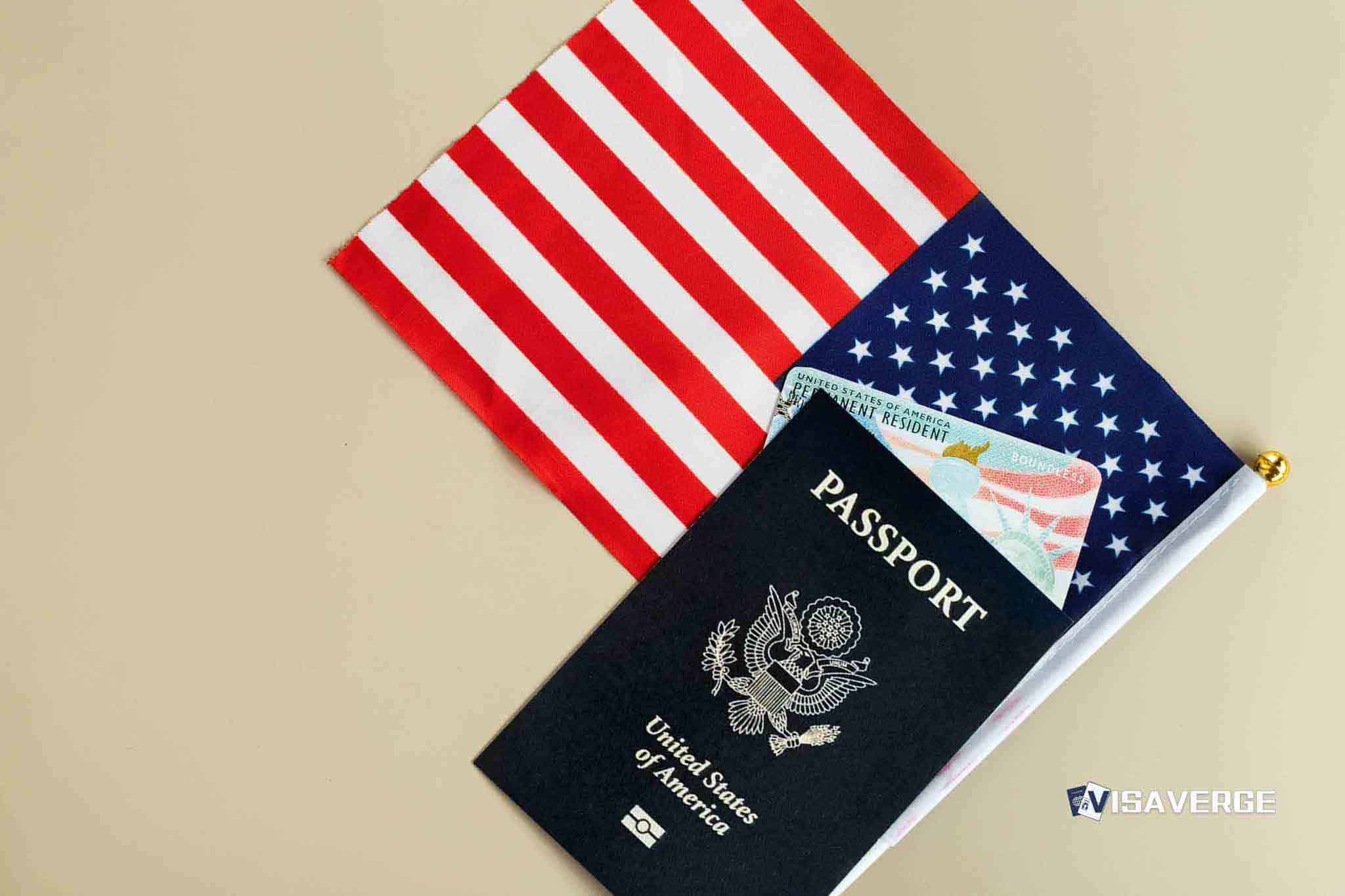
United States embassies and consulates provide passport services, crime-victim assistance, welfare checks, detention support, emergency financial guidance and crisis response. The State Department’s Smart Traveler Enrollment Program, known as STEP, lets officials send security information and contact enrolled travelers during emergencies.
Officials assisting detained Americans may explain the local legal system, provide attorney lists, contact relatives with permission and visit prisons when authorities allow access. They cannot cancel a foreign arrest, demand dropped charges or exempt a citizen from local law.
That model offers substantial capacity. It does not create control over the host country.
The United Kingdom adds a wider fallback for some travelers. British citizens have access to a major international consular network, and British missions may assist nationals of other Commonwealth countries where their own governments have no local embassy or consulate.
The arrangement can help citizens of smaller Commonwealth states. The Foreign, Commonwealth & Development Office still decides what assistance is possible, considering individual circumstances, local law, security risks and available resources.
British guidance says help is not an automatic legal entitlement. The Commonwealth connection is a possible safety net, not a guaranteed replacement for a national mission.
India’s strongest protection appears during major crises
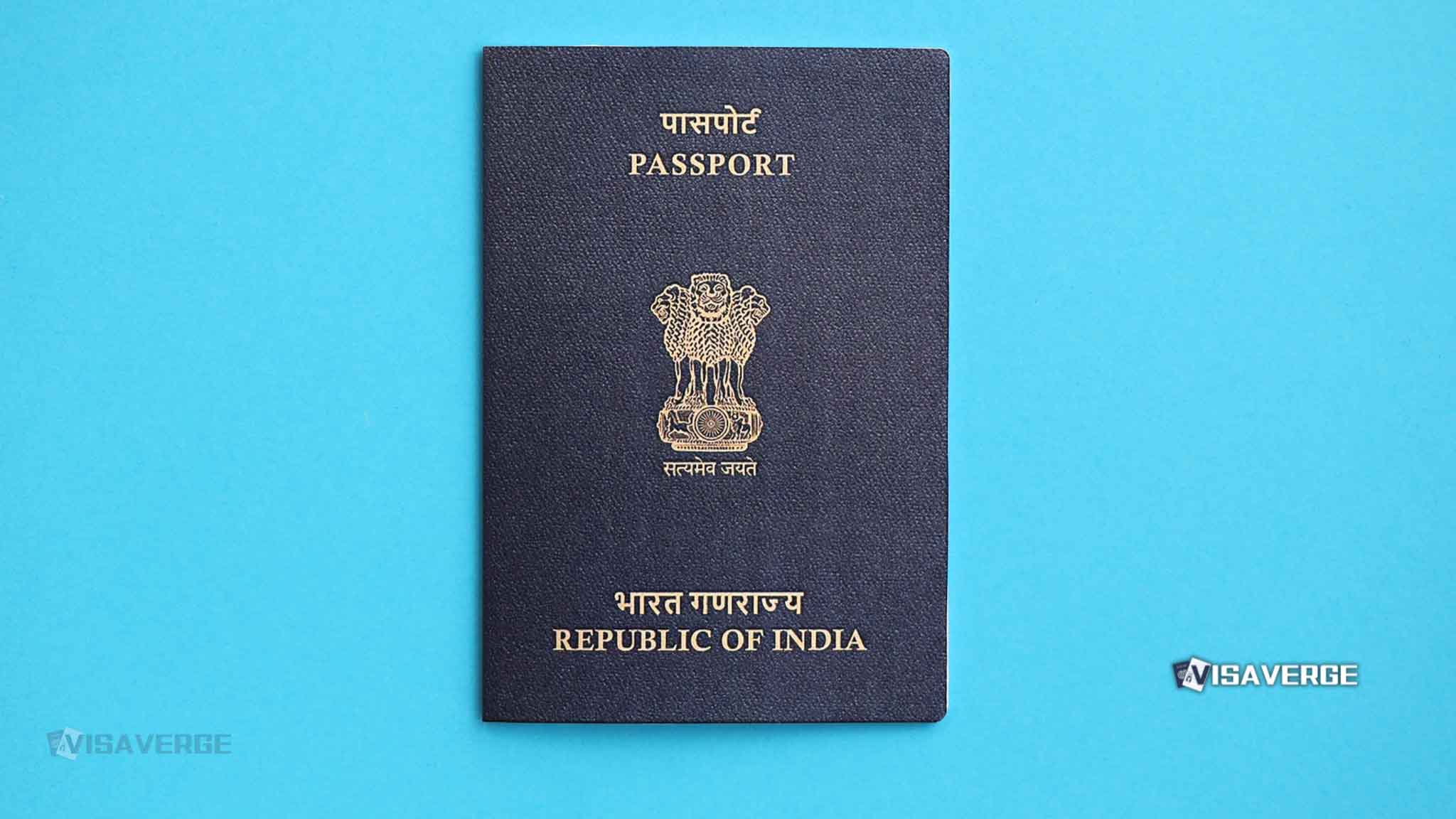
India’s system combines overseas missions, emergency contacts, the MADAD consular grievance platform and welfare mechanisms for Indians in distress. Its Indian Community Welfare Fund may assist eligible nationals with shelter, air passage, limited legal assistance, small fines in qualifying cases and repatriation of mortal remains.
Support is means-tested. Available resources and the facts of each case control the response.
Evacuation capacity gives the system another dimension. Government figures say thousands of citizens have been evacuated from recent conflict zones. During Operation Kaveri, India brought 4,097 people out of Sudan, including 136 foreign nationals.
For Indian travelers and overseas workers, the practical package includes local missions, MADAD, emergency helplines, the welfare fund and the government’s ability to organize departures from danger zones. It is a different strength from treaty-based access to a partner embassy.
Australia’s charter shows what embassies cannot do
Australia’s Consular Services Charter lists replacement documents, medical and legal referral lists, family contact, detainee visits and emergency responses among the services officials may provide. It also states that no legal right to assistance exists.
Resources and circumstances govern the help. Australian officials cannot give legal advice, interfere in court proceedings, post bail, pay medical bills, prevent deportation or obtain a prisoner’s release.
Those restrictions resemble the limits found in most national systems. Even a powerful passport cannot guarantee a hotel bill, hospital payment, bail, repatriation or compensation for ignoring official warnings.
An embassy also cannot compel another country to admit or release a traveler. It cannot evacuate everyone from a dangerous area.
A second passport can fail where it seems most useful
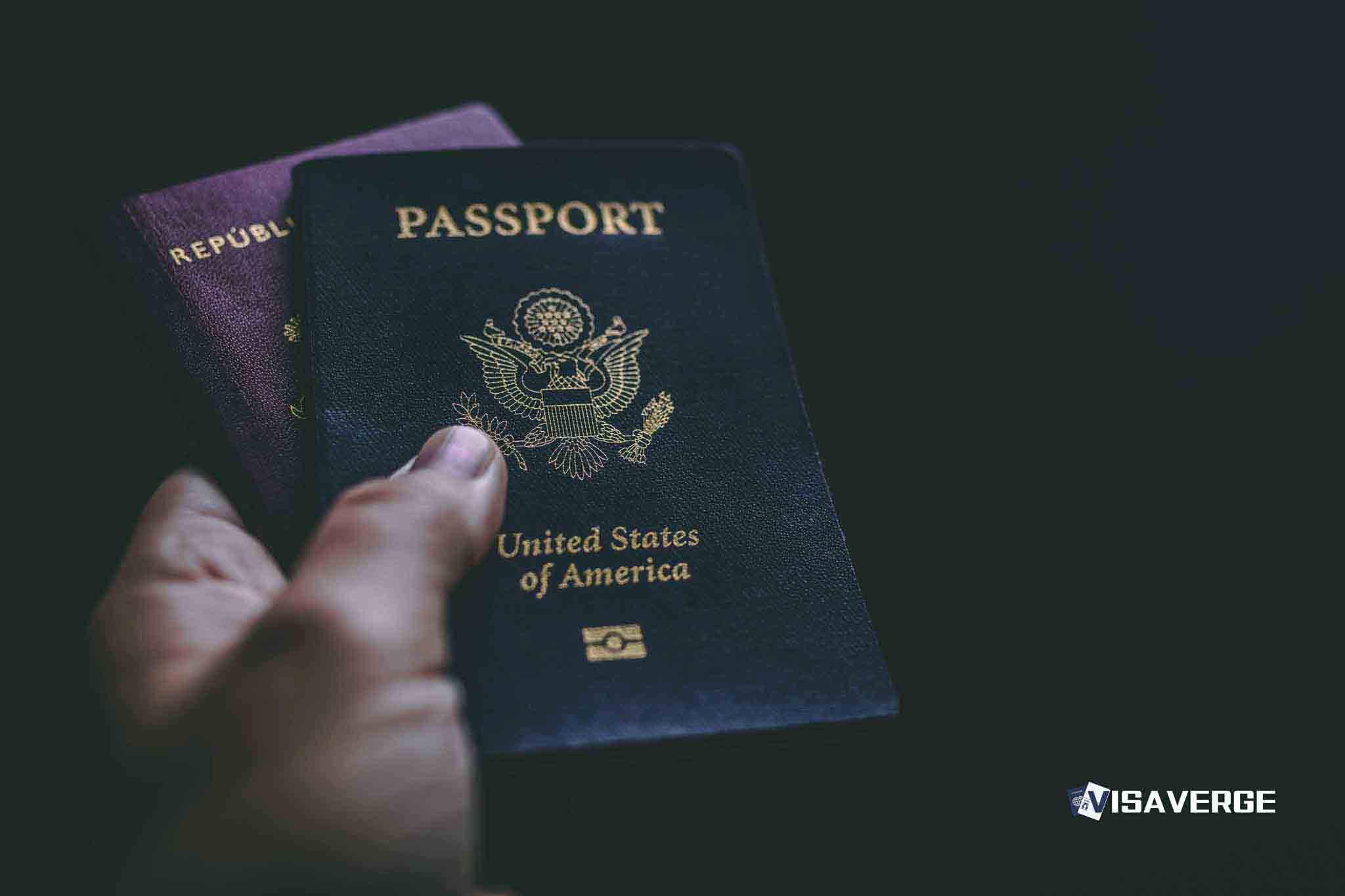
Dual nationality may expand travel, residence and employment options without expanding consular access. A country can treat a dual national exclusively as its own citizen while refusing to recognize the person’s other passport or foreign consular officials.
The United States warns that its citizens may face restrictions on U.S. assistance in the country of their other nationality. The United Kingdom likewise says it normally cannot support a British dual national in that country, although exceptional humanitarian circumstances may receive consideration.
The issue can arise even when the traveler entered on the second passport. Birth or descent can establish citizenship regardless of the document presented at the border.
Multiple nationals should check each country’s rules on nationality, military service, taxation, entry and exit before traveling. Passport choice at the airport may not determine how authorities classify the traveler.
Four tests reveal the protection behind a passport
A citizenship comparison should separate border access from emergency support:
- Legal protection: Determine whether assistance is enforceable or discretionary.
- Physical presence: Check whether the issuing government operates where the person travels, works or invests.
- Partner arrangements: Look for access to EU, Commonwealth, Nordic or other partner missions.
- Crisis capacity: Examine whether the government can locate, transport and evacuate citizens during war, coups, disasters or border closures.
Visa-free access remains useful for holidays and business travel. It cannot stand in for the four tests.
Travelers can save the nearest mission’s contact details, keep digital copies of passports and visas, buy insurance covering emergency treatment and evacuation, and retain enough money for disruption. U.S. travelers can consider STEP enrollment. Indian citizens can retain emergency contacts for the relevant mission and learn to use MADAD.
Dual citizens should establish how the destination classifies them and which passport it requires for entry and exit. That check belongs before departure.
No country wins every emergency. EU law supplies the clearest formal fallback, while large national systems and proven evacuation programs can deliver help through other means.
Local law, diplomatic access, security conditions and the traveler’s conduct still control the outcome. The deciding test may come after the border crossing, when a citizen needs a government that can reach them, a partner that can act and rules that provide a real route to assistance.