- Singapore secured the top position in the July 2026 Henley Passport Index with 192 visa-free destinations.
- The United States remains in tenth place, continuing a long-term decline from its top ranking in 2006.
- Wealthy Americans are increasingly seeking second citizenships due to political concerns and reduced global mobility.
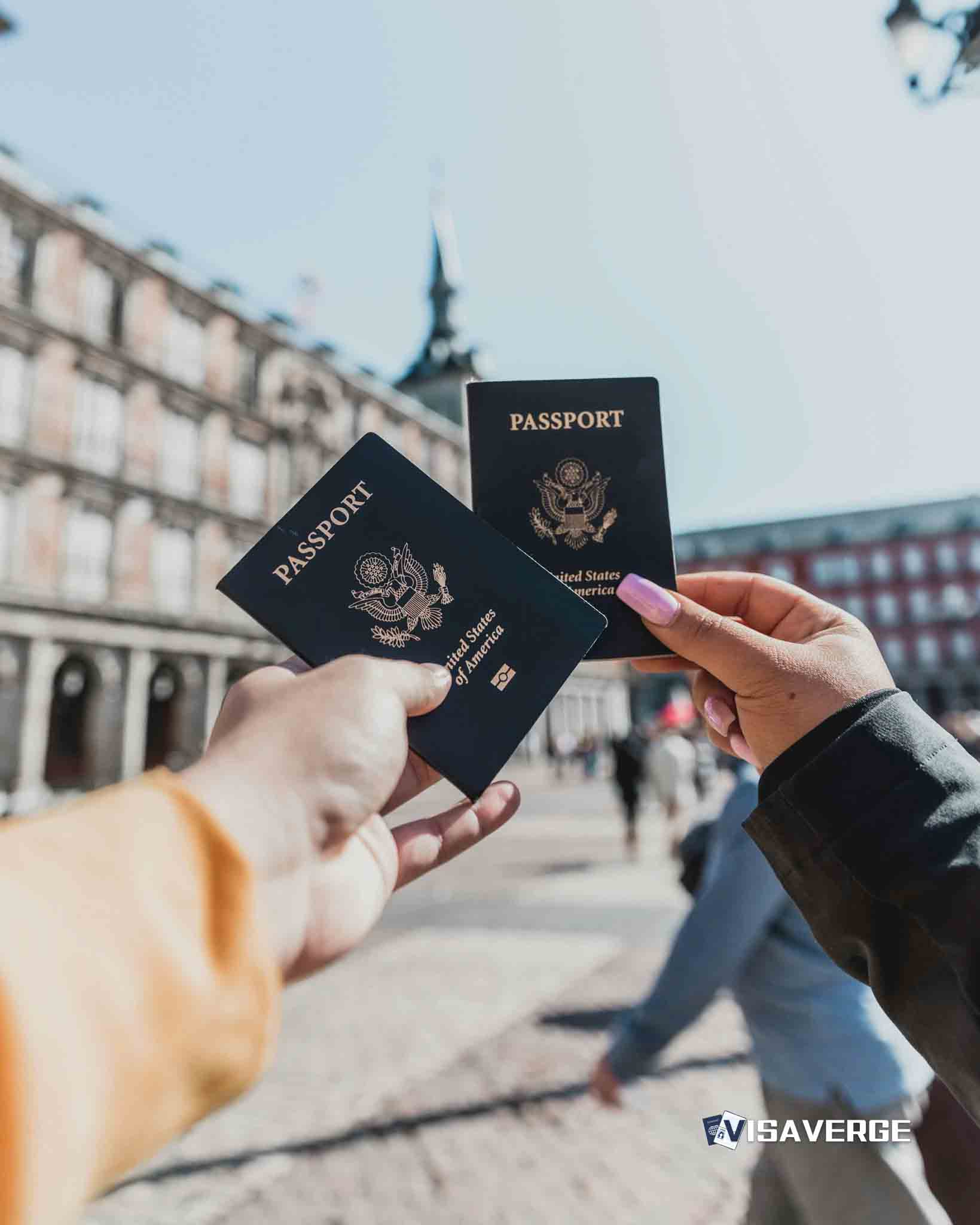
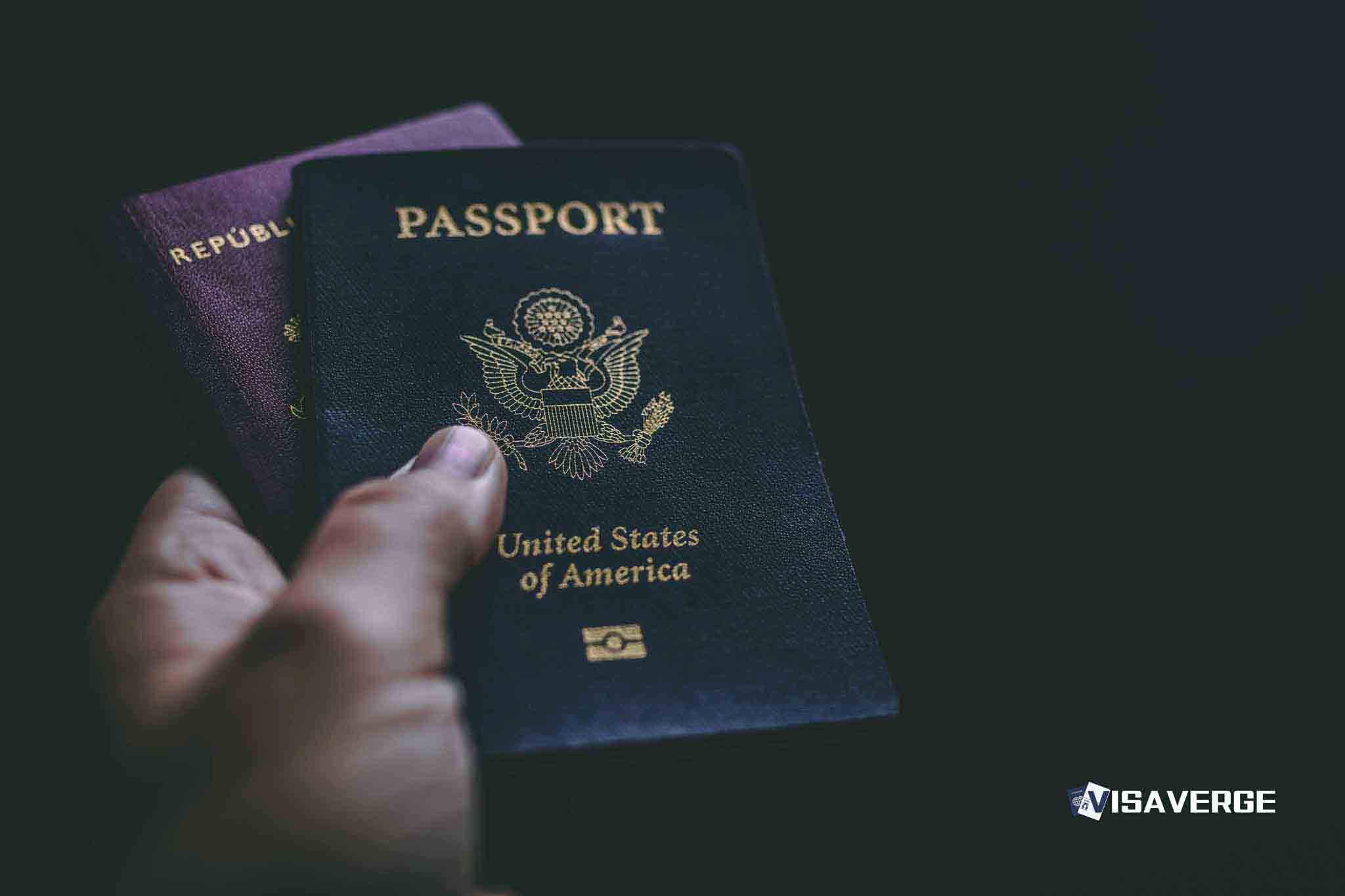
Singapore secured the top position in the July 2026 Henley Passport Index on Tuesday, while the US passport remained tied for 10th place with access to 180 destinations.
The ranking extends a long retreat for the United States. In 2006, it jointly held first place with Denmark and Finland. It fell to fourth by 2016 and has stayed at or near 10th since 2024.
Other countries have gained ground. The United Arab Emirates added 153 visa-free destinations since 2006, the largest increase recorded, and now shares second place with Japan and South Korea at 188 destinations.
Singapore leads with visa-free access to 192 destinations. Thirty-six nations now rank ahead of the United States in visa-free mobility.
The gap runs in both directions. The United States permits only 46 nationalities to enter without a visa, placing it 73rd on the Henley Openness Index.
Dr. Christian Kaelin, creator of the index, described mobility as a measure of diplomatic standing.
“Mobility is ultimately a measure of the value other countries place on their relationship with you.”
Kaelin made the statement on July 21 as the latest ranking was released.
Wealthy Americans are exploring a second citizenship or residence
Interest in alternative status has risen alongside the passport’s decline. Henley & Partners recorded a 183% increase in inquiries from U.S. nationals seeking “Plan B” citizenship or residency during the first quarter of 2025.
The demand extends beyond travel convenience. A June 2026 survey by Apex Capital Partners found that 61% of Americans earning over $200,000 annually were considering moving abroad within five years. Respondents cited the political climate and healthcare as primary reasons.
The figures describe interest, not completed moves. They show a growing market for second-country options among high-income Americans.
| Passport or passports | Visa-free destinations | July 2026 position |
|---|---|---|
| Singapore | 192 | 1st |
| United Arab Emirates, Japan and South Korea | 188 | 2nd, tied |
| United States and Iceland | 180 | 10th, tied |
The ranking measures destination access, while the openness index measures how many nationalities a country admits without visas. That difference helps explain why the United States can remain a major travel document while ranking much lower on reciprocal access.
Visa rules are tightening as demand for U.S. entry remains high
Recent policy changes provide part of the backdrop. On July 9, the U.S. government updated the Visa Waiver Program to restrict travelers who had visited or held dual nationality with North Korea, Iran, Iraq, Libya, Somalia, Sudan, Syria, Yemen or Cuba after Jan 12, 2021. Those travelers must apply for a formal visa instead of using an ESTA.
The Department of Homeland Security cited a “sharp rise in visa admissions and the need for stronger oversight” in July 16 internal guidance on Visa Waiver Program oversight. The guidance linked the tighter requirements to national security.
DHS also issued a May 31 clarification on adjustment of status. It reaffirmed that residency in the United States is a “discretionary benefit, not a right.”
Those rules affect entry and residence pathways rather than the index’s destination count. They also illustrate the policy environment surrounding international mobility and reciprocity agreements.
The United States continues to attract applicants despite those restrictions. U.S. Citizenship and Immigration Services said on July 17 that it had reached the congressionally mandated 65,000 H-1B visa cap for fiscal year 2027.
The cap was reached quickly. Demand for employment-based entry therefore continues even as some routes become more restrictive.
China and Brazil illustrate the cost of weaker reciprocity
U.S. citizens are now among the small group of top-tier passport holders who still need a formal visa to visit China. That requirement adds administrative work and time to travel between the United States and East Asia.
Brazil also reinstated visa requirements for Americans in April 2025. China and Brazil are among the countries that have limited access in response to U.S. policies, according to the Henley Openness Index research.
The result is an uneven exchange. Americans can reach 180 destinations without arranging a visa in advance, but relatively few nationalities can enter the United States on the same terms.
That imbalance is reflected in the openness ranking. The United States stands 73rd, despite remaining among the world’s most mobile passports.
The ranking’s decline has unfolded over two decades
The shift did not happen in a single year. The United States shared the top position in 2006, when its passport ranked alongside Denmark and Finland. By 2016, it had dropped to fourth place.
It has remained at or near 10th since 2024. Meanwhile, the United Arab Emirates added 153 visa-free destinations, transforming its position and reaching second place in the July 2026 results.
Singapore’s lead is narrower by access than the ranking positions suggest. Its passport opens 192 destinations, only four more than the three passports tied for second and 12 more than the U.S. document.
The difference is still large enough to affect travel planning. A formal visa can require an application, supporting documents and additional time before departure, particularly on routes such as China.
The next test will come through policy as well as rankings. USCIS reached the fiscal year 2027 H-1B cap on July 17, while the updated Visa Waiver Program rules began limiting ESTA access for travelers tied to nine listed countries.
The mobility index therefore captures a changing balance: fewer visa-free destinations for Americans relative to leading passports, rising interest in alternative status and continuing demand to enter the United States.