- The Trump administration is drafting a passport rule that could require parents to prove their immigration status for a child’s application.
- Officials would use parental records to decide whether a child falls under EO 14418 and new birthright-citizenship restrictions.
- The policy, signed on August 6, 2026, may trigger court challenges over authority and the Fourteenth Amendment.
The Trump administration is preparing a passport rule that could require parents or legal guardians to prove their own citizenship or immigration status when applying for a U.S. passport for a child. The draft guidance would use those records to determine whether the child falls within the administration’s new birthright-citizenship restrictions.
That approach would move a parent’s status into the passport decision. It also creates a new legal dispute over whether the government can use passport processing to enforce EO 14418.
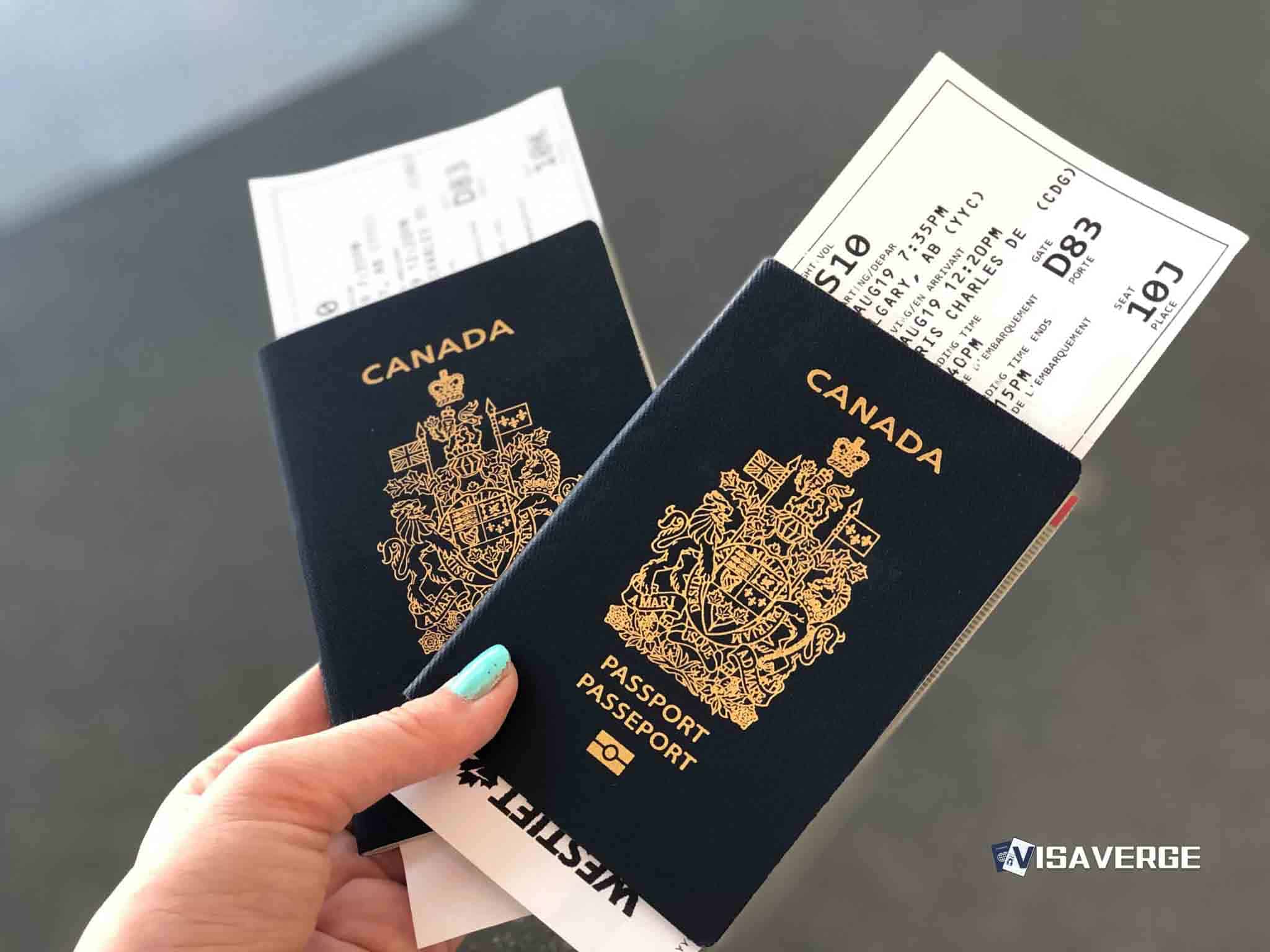
The proposed change would not simply ask whether a child was born in the United States. It would connect the child’s passport eligibility to documents supplied by a parent. That could place the policy directly against the Fourteenth Amendment’s Citizenship Clause and the longstanding rule that U.S.-born children typically receive citizenship, subject to recognized exceptions.
The White House says the broader policy follows a Supreme Court ruling. President Donald Trump signed the executive order on August 6, 2026.
“Continuing to Protect the Meaning and Value of American Citizenship”
The order says executive agencies may not issue documents recognizing U.S. citizenship for certain people when neither parent is a U.S. citizen and specified conditions apply. The listed categories include alien-enemy status, employment by a foreign government, commercial transactions tied to birth tourism, and territorial citizenship.
The draft would make a child’s passport application a parental-status inquiry
Under the draft guidance, an applicant could need to provide a parent’s U.S. passport, birth certificate, I-94, or green card. Legal guardians could face the same request when seeking a child’s passport.
The department would use the information to evaluate whether the child is covered by the executive order. The proposal therefore treats passport issuance as more than a review of the child’s birth and citizenship evidence.
A passport application could become a test of the parent’s relationship to the United States. That is the point likely to draw the sharpest legal challenge.
The passport process rests on the Passport Act and implementing rules, including 8 C.F.R. and related passport regulations. One central question is whether those authorities permit the State Department to demand parental status evidence as a condition of issuing a document to a child.
Courts would have to decide whether documentation becomes a citizenship barrier
Several disputes could develop if the policy takes effect:
- Agency authority: Courts may examine whether the Passport Act and its regulations authorize a parental citizenship or immigration-status inquiry.
- Constitutional protection: Judges may consider whether delaying or denying a passport because of a parent’s status burdens the child’s rights under the Fourteenth Amendment.
- Scope: Litigation could address whether the policy applies only to future births or also reaches children born before the order.
- Administrative procedure: Challengers may argue that the department needed notice-and-comment procedures, or that its explanation for the policy was arbitrary or capricious.
The constitutional dispute would focus on the practical effect of the rule. A child might have a claim to U.S. citizenship, yet face difficulty obtaining a passport because the government questions a parent’s documents.
The passport rule would also test the difference between verifying evidence and narrowing recognition of citizenship. That distinction will likely shape how courts assess the policy.
The administration is relying on a Supreme Court decision as its legal backdrop
The White House has tied the executive order to the Supreme Court’s June 30, 2026 decision in Trump v. Barbara, 609 U.S. ___, 146 S. Ct. 2438 (2026). The decision forms part of the administration’s stated legal basis for restricting agency documents that recognize citizenship.
The passport proposal would operationalize that position through an everyday federal document. Families would encounter the policy while seeking permission for a child to travel internationally, not only during a separate citizenship proceeding.
Civil-rights and immigration groups have challenged the broader birthright-citizenship order. They are treating the passport proposal as another enforcement mechanism for the same policy.
A passport denial could affect later travel and identity records
Parents unable to document their status quickly could face delays or denials. The consequences could extend beyond a single trip.
A passport often serves as a key record in later immigration, travel, and identity processes. A dispute at the application stage could therefore affect how a child proves citizenship in later dealings with government agencies or other institutions.
The proposal could be especially difficult for families whose records are unavailable, incomplete, or difficult to obtain. The stated documentation examples span U.S. passports, birth certificates, I-94 records, and green cards, but the central inquiry would remain the parent’s status.
The legal battle will turn on whether judges see that inquiry as a routine evidentiary requirement or as an unlawful method of limiting recognition of citizenship for children born in the United States. The executive order and its passport implementation are likely to be tested together as litigation proceeds.
This article provides general information and is not legal advice. Consult a qualified immigration attorney about your specific case.