- President Trump signed two new executive orders targeting birthright citizenship following a recent Supreme Court defeat.
- The measures aim to eliminate birth tourism by tightening visa scrutiny for pregnant foreign travelers.
- New restrictions target children of foreign government employees and those classified as alien enemies.
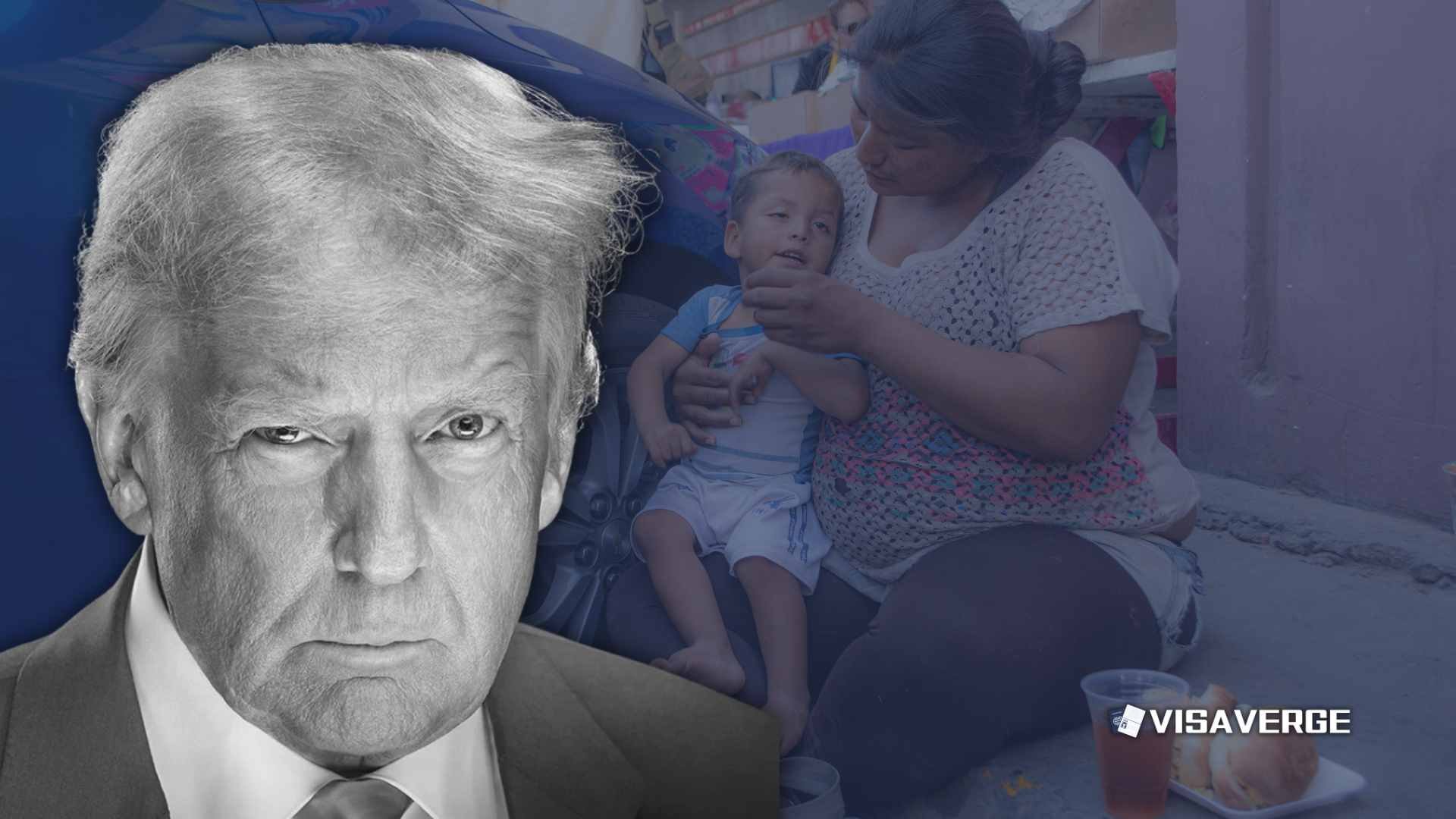
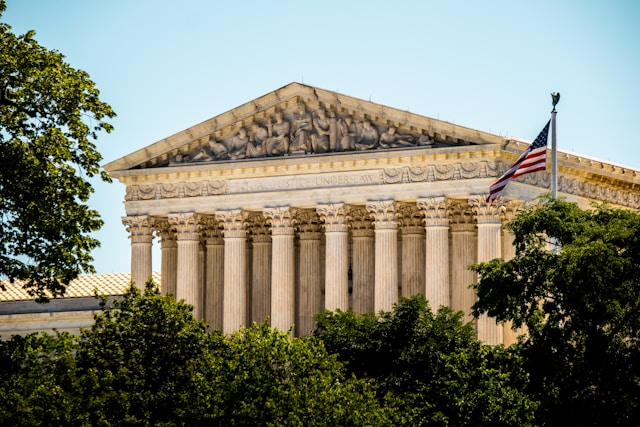
President Donald J. Trump signed two executive orders Thursday seeking to narrow birthright citizenship protections for some children born in the United States, five weeks after the Supreme Court rejected his administration’s broader attempt to end the policy.
The orders target people the administration says fall outside the constitutional guarantee. One focuses on pregnant travelers, while the other addresses children of certain foreign government employees and “alien enemies.”
Free toolSubstantial Presence Test Calculator
Trump signed the measures on August 6, 2026. During the Oval Office ceremony, he called the court’s ruling “very, very unfortunate.”
“We had a very unfortunate decision in the Supreme Court concerning birthright, it was close. But a very, very unfortunate decision. So we’re making adjustments.”
The new directives follow the court’s June 30, 2026 decision in Trump v. Barbara. The justices ruled 6-3 that Executive Order 14160, which Trump signed on January 20, 2025, was unconstitutional.
The ruling reaffirmed that the 14th Amendment grants citizenship to nearly all children born on U.S. soil, regardless of their parents’ immigration status, according to the administration’s policy description of the decision.
The orders focus on visa intent and allegiance
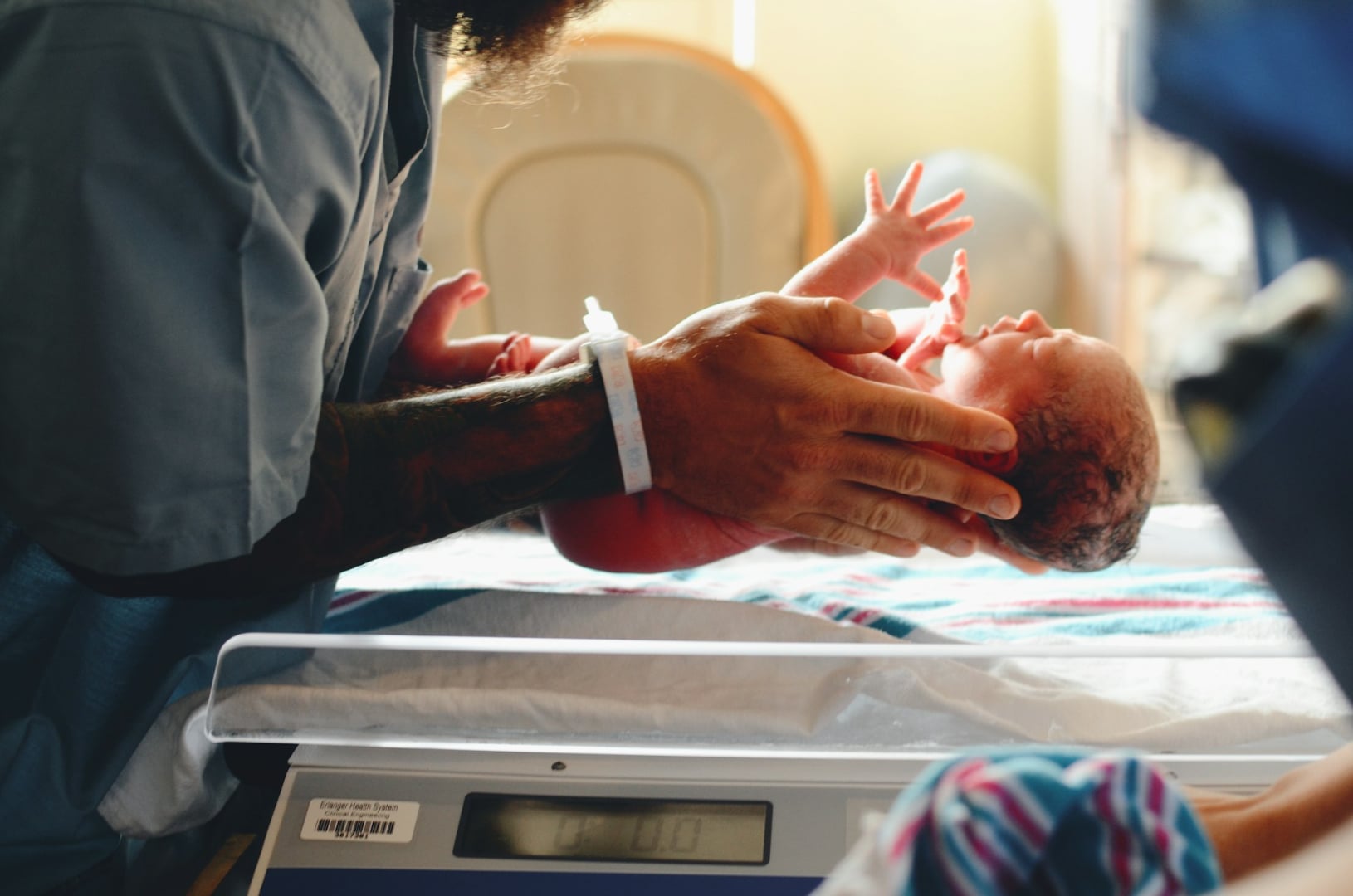
One order directs the Department of State and the Department of Homeland Security to tighten scrutiny of nonimmigrant visa applicants suspected of traveling to the United States mainly to give birth. The administration is seeking to dismantle the commercial “birth tourism” industry.
The directive would redefine “pleasure” and “business” visits so they do not cover travel intended to obtain citizenship for a child. The policy could affect foreign nationals applying for B-1/B-2 visas or student visas.
Consular officers and Customs and Border Protection officers will assess whether an applicant intends to give birth in the United States. The measures therefore reach both visa decisions abroad and inspections at the border.
Deputy Chief of Staff Stephen Miller said the administration views such travel as an abuse of the visa system.
“The idea that people come here pretending to be a tourist. the real reason they're here is to have a child, to make that child an automatic citizen. It gives them access, under this broken system, to welfare benefits, ultimately to the voting booth, and all the other rights and privileges that belong solely to Americans.”
The second order, titled “Continuing to Protect the Meaning and Value of American Citizenship,” focuses on who is considered “subject to the jurisdiction” of the United States.
It covers children of “alien enemies,” including members of designated terrorist organizations. It also addresses children of foreign government employees, including certain diplomatic staff and people lobbying on behalf of foreign powers.
The order directs agencies to stop issuing documents recognizing citizenship, including passports and Social Security cards, to children in those categories.
USCIS has updated its policy guidance
U.S. Citizenship and Immigration Services updated its Policy Manual on Thursday in coordination with the White House. The update addresses the new directives and the recent court ruling.
The guidance discusses Presidential Proclamation 10949, titled “Restricting the Entry of Foreign Nationals To Protect the United States from Foreign Terrorists and Other National Security and Public Safety Threats,” and its effect on adjudications.
The administration’s approach is narrower than Executive Order 14160. After the Supreme Court rejected that order, officials shifted toward categories they argue remain outside the court’s interpretation of jurisdiction and allegiance.
The orders test those theories through two different mechanisms. Visa screening addresses the purpose of a person’s travel. Citizenship-document restrictions address the status of a child’s parents.
That division could produce separate legal challenges. A visa officer’s assessment of travel intent raises different questions from an agency decision to withhold a passport or Social Security card.
Civil rights groups plan legal challenges
The American Civil Liberties Union and the Asian Law Caucus have announced plans to sue. The organizations expect the orders to face immediate requests for injunctions.
Those lawsuits could prolong uncertainty for families affected by the directives. Children born in the United States to foreign government employees could face challenges to their eligibility for U.S. passports.
The policy could also create a group of children born in the United States who must seek citizenship from their parents’ home countries. The research describes that possibility as a new class of “stateless” children.
The orders also put expectant parents on temporary visas under closer scrutiny. Travelers may encounter questions from consular or border officers about whether giving birth is their primary reason for entering the country.
The agency guidance was issued the same day Trump signed the orders. The White House listed the birth-tourism action among its presidential actions, while USCIS published the Policy Manual update on its website.
The administration’s next legal test will center on whether the narrower categories fit within the 14th Amendment and the court’s June ruling. The new measures begin that fight with foreign travelers, diplomatic personnel and children connected to designated foreign actors.
This article provides general information and is not legal advice. Consult a qualified immigration attorney about your specific case.