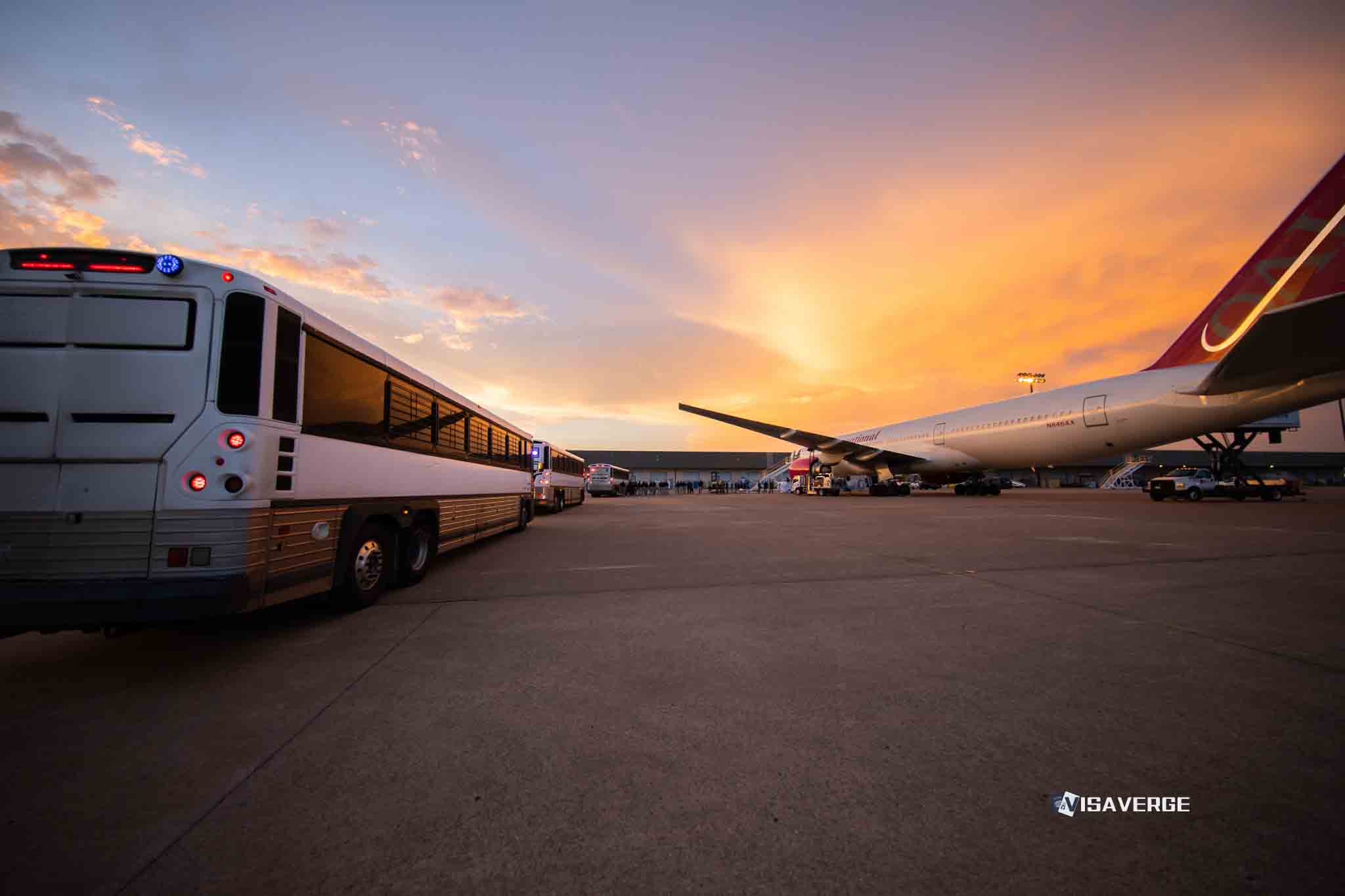
- Internal documents reveal Canada spent nearly one million dollars on luxury private jet deportations.
- One high-security removal flight in twenty twenty-two cost four hundred thirty-eight thousand dollars for three people.
- The agency reserves private charters for extraordinary safety situations where commercial airlines are not feasible.
The Canada Border Services Agency chartered luxury private jets for a small number of deportations between 2022 and 2024, spending nearly $1 million on high-profile removals, internal documents obtained under access-to-information laws show.
One flight in January 2022 cost $438,000 to remove three people. A second flight, in September 2022, cost $130,432 for two people.
Free toolCanada Express Entry Points Calculator
The aircraft included a Dassault Falcon 900EX and a Bombardier Global 5000. The spending became public on August 6, 2026, as the use of expensive aircraft for immigration enforcement drew public scrutiny.
The agency said it turns to private aircraft only when ordinary transport cannot work safely.
“Private jets are only chartered to fly foreign nationals home in extraordinary situations where commercial airlines or other means of transport are not feasible or safe.”
That explanation places the charters outside the normal removal system. Most deportations use commercial airline service.
Commercial flights carry most people removed from Canada
The agency conducted 10,607 removals during the first half of 2026, with commercial flights handling most of those cases. Private charters remain reserved for what officials describe as “extraordinary situations.”
The two documented flights carried very different price tags from routine air travel. The January operation amounted to $146,000 per person, while the September flight exceeded $65,000 per person.
Charter prices also rose during 2026. Costs increased 15% to 20%, driven by fuel price volatility and increased demand.
The figures have prompted criticism from fiscal hawks and human rights advocates. They point to Canadian cases where the cost can exceed $140,000 per person.
The agency’s stated rationale centers on safety and feasibility. Commercial airlines may refuse to carry a person when security arrangements cannot be met, while agencies may classify some removals as high risk because of violent behavior or national security concerns.
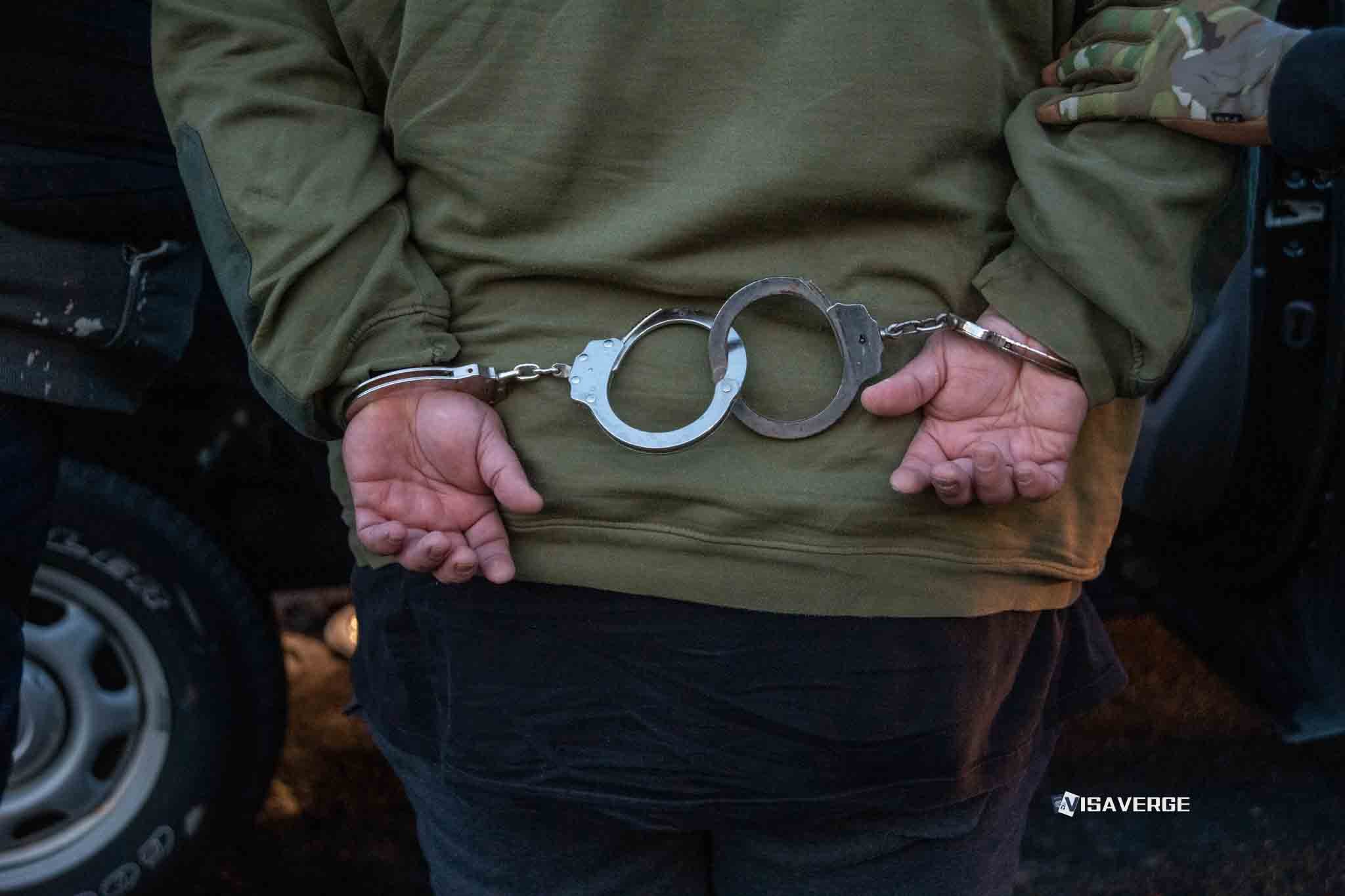
People transferred on specialized flights are often “shackled at the wrists and ankles.” Multiple guards and medical staff may accompany them.
Those removed in these high-cost operations typically face permanent re-entry bans. The cases often involve criminality or national security concerns.
Two business jets handled the Canadian charters
The documents identify two aircraft used for the removals. Their names and roles illustrate the type of equipment involved.
| Aircraft | Description | Documented use |
|---|---|---|
| Dassault Falcon 900EX | A jet favored by the super-rich | Canadian private charter |
| Bombardier Global 5000 | A long-range luxury jet | Canadian private charter |
The total spending for the specific high-profile removals stood at approximately $900,000 to $1 million. The January and September flights together accounted for $568,432.
The amount covered only a small share of the agency’s removals. Canada’s approach remains case-specific, with commercial aviation handling ordinary cases and chartered aircraft reserved for unusual transport or security problems.
A U.S. “deportation airline” brings luxury aircraft into the debate
The Canadian disclosures emerged alongside plans by the U.S. Department of Homeland Security and Immigration and Customs Enforcement to create a dedicated deportation airline. The proposed fleet would use both standard commercial aircraft and high-end jets.
The agencies have been allotted $464.5 million to purchase 10 aircraft: eight Boeing 737s and two Gulfstream G650ER luxury jets. One $70 million Boeing 737 Max 8 intended for the fleet includes bedrooms, showers, a bar and four flat-screen TVs.
DHS Secretary Markwayne Mullin defended the broader U.S. removal campaign on August 6, 2026.
“DHS is delivering on the American people’s mandate to deport illegal aliens and make America safe again. Last week, ICE deported more vicious criminal illegal aliens. including murderers and sexual assailants.”
Tricia McLaughlin, a DHS spokeswoman, said on February 20, 2026, that the aircraft would serve more than one purpose and cost less than military transport.
“This new plane will serve dual missions – both as ICE deportation flights and for cabinet level travel. This plane flies at 40% cheaper than what the military aircraft flies.”
The statement was reiterated in August 2026 updates. The U.S. proposal combines removal flights with cabinet-level travel, while the Canadian system relies on individual charters for cases the agency considers unsafe or infeasible for commercial airlines.
Private aviation costs added another pressure point in 2026. Rising fuel prices and demand increased charter prices even as agencies defended specialized flights as necessary for difficult removals.
Canada’s immigration removal statistics are published by the Canada Border Services Agency. The U.S. Department of Homeland Security publishes releases through its DHS Newsroom.