(BOCA RATON, FLORIDA) Journey Aviation, a private charter operator based in Boca Raton, has flown at least two deportation missions for the United States ?? to Eswatini, part of an expanded policy of third-country deportations revived this year. On October 6, 2025, the company used a Gulfstream IV to fly ten migrants to Eswatini (formerly Swaziland), marking the second such transfer to the southern African nation since July, according to documents and flight records reviewed by advocates and reporters. No public comment has been provided by Journey Aviation despite repeated requests.
The October flight came after a July 2025 mission that carried five men from Vietnam, Laos, Jamaica, Cuba, and Yemen to Eswatini. The latest group reportedly included people from Cambodia, Chad, Cuba, the Philippines, and Vietnam. These flights are not returns to home countries. Instead, they are part of the government’s use of “third-country deportations,” in which people are removed to nations that are not their birth countries. Other destinations that have accepted such transfers include South Sudan, El Salvador, Mexico, Guatemala, Costa Rica, and Rwanda.
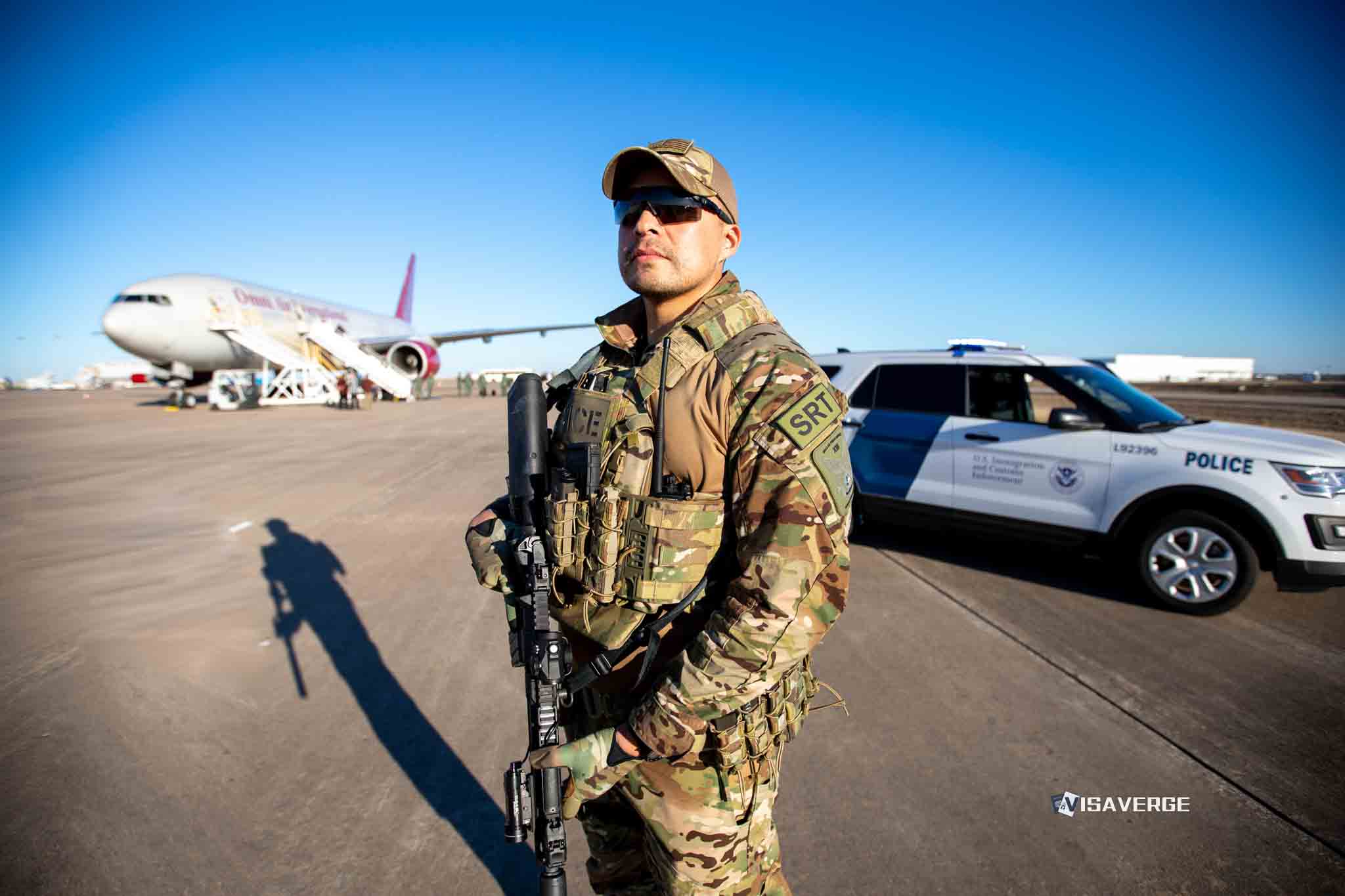
The Supreme Court cleared the legal road in June 2025, allowing the government to resume third-country deportations after a federal judge’s temporary block in May. That decision reopened a playbook that the administration had argued was needed to move people with final removal orders who could not be sent to their home countries due to lack of travel documents, diplomatic barriers, or safety concerns. Critics say the practice places people in unfamiliar places without networks or support, sometimes with little notice and limited time to seek legal help.
Free toolUSCIS Receipt Number DecoderThe aircraft used in the October mission is owned by an LLC tied to real estate developer Michael Dezer, who has documented business ties to Donald Trump. Journey Aviation has conducted more than 50 removal missions during President Trump’s first term, including flights to Mauritania, Iraq, and Nepal. While the company’s current contract terms are not public, internal cost figures cited by immigration advocates indicate that each flight averages about $280,000, which works out to about $35,000 per deportee when aircraft are not full. Those figures align with what U.S. Immigration and Customs Enforcement (ICE) has spent in prior years on charter removals involving long-haul jet operations.
How the Eswatini flights fit the policy
The Eswatini route reflects how third-country deportations function in practice. When a person with a final order cannot be sent home, ICE arranges a transfer to a country willing to accept them under diplomatic agreements or case-by-case permissions.
- For the July flight, authorities removed five men of diverse nationalities to Eswatini, a country with limited direct ties to those individuals.
- The October 6 operation expanded the model with ten migrants from Asia, Africa, and the Caribbean.
Supporters of the policy argue it clears growing backlogs in detention and enforces final orders that might otherwise sit for months. They also claim that third-country transfers can be safer than removals to an origin country where the person could face danger.
Legal groups counter that safety is not guaranteed and that deportees may struggle to find work, housing, or legal status in a country where they have no prior connection. Reports from detention centers describe hunger strikes and complaints about lack of legal counsel, as people try to halt transfers they do not fully grasp or cannot challenge in time.
Industry response and operators
According to analysis by VisaVerge.com, the renewed use of third-country deportations has spurred a quiet market for long-range charter jets that can move small groups quickly and discreetly. Journey Aviation is one of several companies providing these services. ICE has also worked with operators such as GlobalX and CSI Aviation, part of a broader trend of outsourcing removal flights to private carriers capable of rapid, point-to-point missions.
Costs, contractors, and scrutiny
The money involved is drawing notice. ICE expenditure data cited by advocates shows roughly $280,000 per flight on average, a figure that can rise with repositioning legs, overnight crew costs, and security staffing. For groups of eight to ten deportees, that leads to per-person costs near $35,000.
In the October case:
- Aircraft deployed: Gulfstream IV (long-range business jet)
- Reason for type choice: Suited for flights between secondary airports with limited customs facilities, reducing ground exposure and operational delays
- Estimated average cost per flight: $280,000
- Estimated cost per deportee (when not full): ~$35,000
Human rights organizations argue that speed and secrecy cut against due process. They point to cases where detainees said they received only brief notice before transfer, giving them little chance to contact counsel or family. Advocates also note that once in a third country, people may not have clear access to asylum or work permits. Those concerns are now part of ongoing legal debates.
“People may be placed in unfamiliar countries without networks, notice, or real access to legal help,” critics say — highlighting concerns about legal process and post-arrival outcomes.
While the Supreme Court allowed the practice to resume in June, the policy remains under watch by civil society groups and immigration lawyers, who are tracking destinations and outcomes.
Journey Aviation, ownership links, and transparency concerns
Journey Aviation’s role has put Boca Raton in an unusual spotlight. The company’s fleet and ability to fly long distances make it a preferred option for missions to Africa, the Middle East, and parts of Asia.
- One aircraft in the October mission is owned by an LLC linked to Michael Dezer, whose business ties to Donald Trump are widely known.
- There is no public evidence that those ties influence flight assignments, but the connection adds a political layer.
The company has not responded to questions about:
- How it selects crews for deportation missions
- How it handles medical or security issues on board
- Whether it provides any post-arrival support
Human impact and community response
For families and communities, the effects are immediate and profound. Community leaders in cities with large immigrant populations say the prospect of a sudden transfer to a distant country increases fear and confusion.
- People with pending appeals or humanitarian claims may worry that a paperwork delay could lead to removal before a judge reviews their case.
- Detainees who protested with hunger strikes described feeling cut off from legal help and unsure of what would happen after landing.
ICE’s use of private charters is not new, but the scope of third-country removals—especially to nations like Eswatini that have no direct connection to most deportees—has led to renewed calls for transparency.
Advocates’ demands include:
- Public reporting on destinations, numbers, and outcomes
- Clear notice standards for detainees
- Independent monitors for long-haul flights (citing past concerns over restraints and medical care)
ICE maintains authority to carry out removal orders and contracts with private operators to meet logistical needs. More information on removal operations is available from U.S. Immigration and Customs Enforcement.
Current status and ongoing debate
As of October 22, 2025, Journey Aviation remains a key operator for third-country removals under current federal policy. No on-the-record comment has been provided by the company.
Meanwhile, legal challenges and public pressure continue:
- Rights groups are urging Congress to set stronger guardrails and require detailed reporting on third-country outcomes.
- For people in detention, the urgent questions are immediate and personal: where they will be sent, when they will be told, and whether they’ll have a real chance to be heard before they board a plane.
This Article in a Nutshell
Journey Aviation, a Boca Raton private charter company, executed at least two third-country deportation flights to Eswatini in 2025: a July mission moving five men and an October 6 flight transporting ten migrants from Asia, Africa, and the Caribbean. The Supreme Court cleared the practice to resume in June 2025 after a temporary block. Advocates note high costs—about $280,000 per flight, roughly $35,000 per deportee when not full—and raise concerns about due process, short notice, lack of legal counsel, and post-arrival vulnerabilities in destination countries. The aircraft used in October is tied via an LLC to developer Michael Dezer. Rights groups demand greater transparency, public reporting, and independent oversight as legal challenges and public scrutiny continue.