Key Takeaways
• June 6–9, 2025 ICE raids in Los Angeles led to 44 arrests first day, focusing on immigrant neighborhoods.
• President Trump deployed 2,000 National Guard troops in LA without California Governor’s consent.
• ICE arrests surged nationwide to 2,000 daily; legal battles challenge federal takeover of National Guard.
Federal Immigration Crackdown in Los Angeles: Trump’s ICE Raids, National Guard, and the Battle Over State Authority
Federal immigration enforcement in the United States ?? has entered a new and tense phase, especially in California. In early June 2025, President Trump’s administration launched a series of large-scale ICE raids across Los Angeles, sparking protests, legal battles, and a rare federal takeover of the state’s National Guard. These actions have raised urgent questions about the rights of immigrants, the limits of federal power, and the future of state-federal relations in the country’s largest state.
Free toolUSCIS Receipt Number Decoder
This article explains what happened, why it matters, and what it means for immigrants, local communities, and the nation as a whole.
What Happened: The June 2025 ICE Raids in Los Angeles
Who: The Trump administration, U.S. Immigration and Customs Enforcement (ICE), California officials, and local communities
What: Large-scale ICE raids, National Guard deployment, legal challenges
When: June 6–9, 2025
Where: Los Angeles, California
Why: To enforce federal immigration law and increase deportations
How: By conducting unannounced ICE raids, deploying National Guard troops, and issuing new executive orders
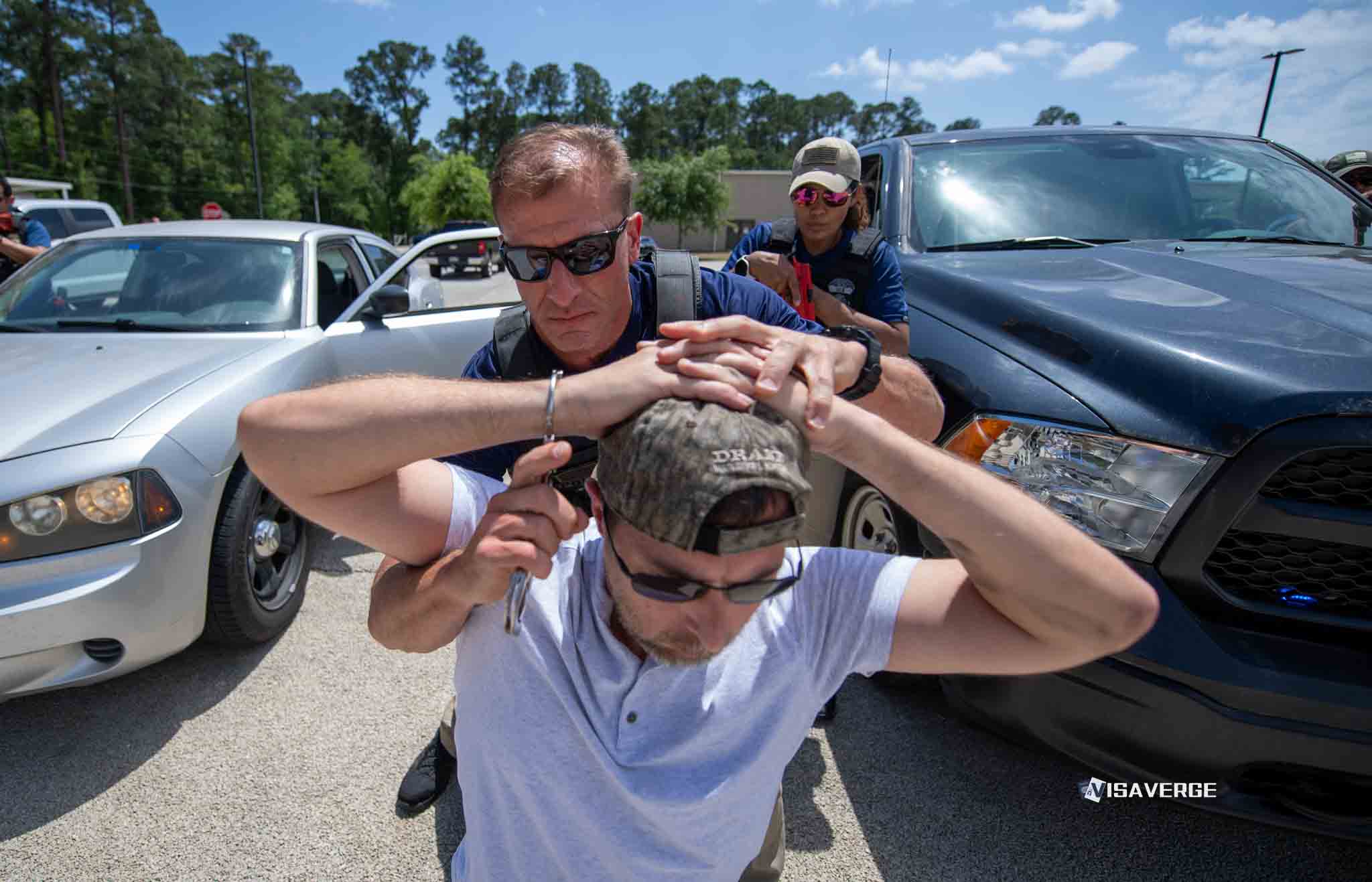
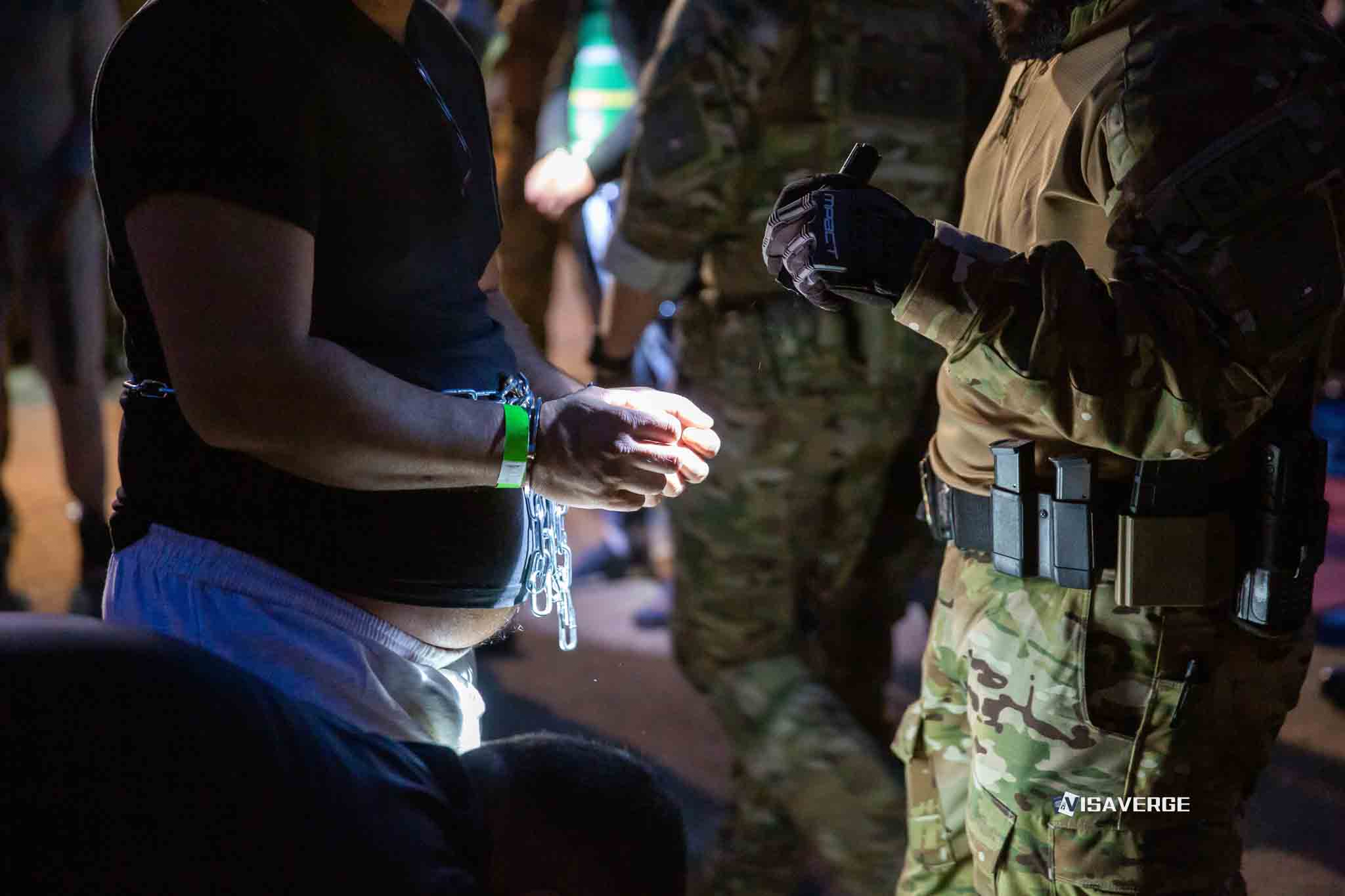
On June 6, 2025, ICE agents began sweeping raids across Los Angeles without warning local law enforcement. These operations led to at least 44 arrests on the first day, including two minors. Only five of those arrested had any criminal history. Over the following week, ICE averaged 2,000 arrests per day nationwide, a sharp increase from earlier months.
The raids focused on neighborhoods with large Latino and immigrant populations. Many families were caught off guard, with some reporting that children were separated from parents during the arrests. According to analysis by VisaVerge.com, these actions have created widespread fear and uncertainty among immigrant communities.
Protests and Community Response
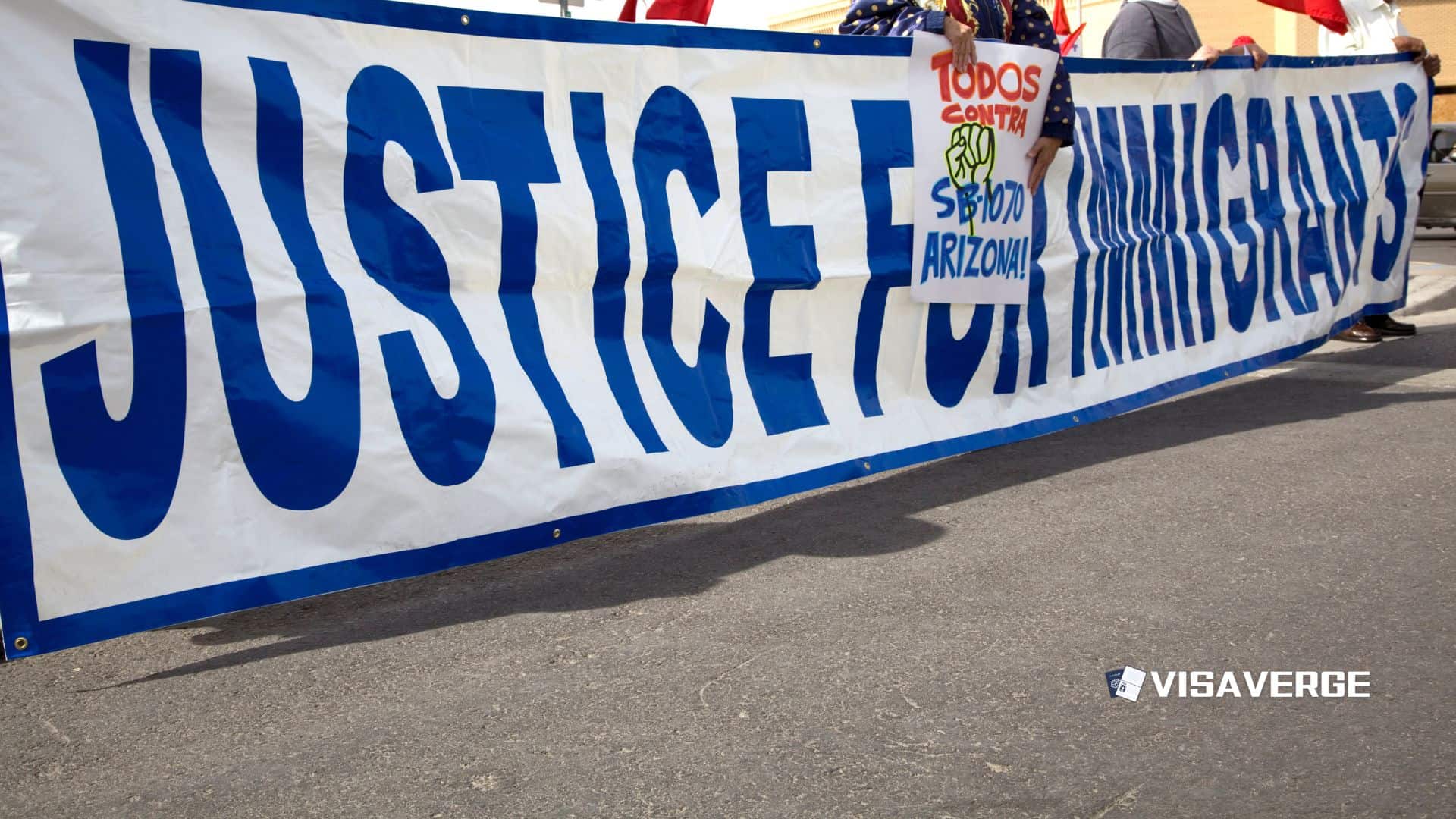
The ICE raids quickly triggered three days of protests in Los Angeles. Demonstrators gathered in the streets, especially in neighborhoods most affected by the raids. Some protests turned tense, with federal agents using tear gas and flash-bang grenades to disperse crowds. At least 118 people were arrested in connection with the protests and enforcement actions.
Local leaders, including Los Angeles Mayor Karen Bass, strongly criticized the raids. Mayor Bass called ICE’s tactics “sowing terror” and made it clear that the city would not cooperate with mass deportations. Many community groups and immigration advocates joined the protests, arguing that the raids targeted vulnerable families and undermined trust in law enforcement.
Trump Orders National Guard to Los Angeles
On June 7, President Trump issued a memorandum invoking 10 U.S.C. § 12406, a federal law that allows the president to take control of a state’s National Guard during certain emergencies. He ordered 2,000 National Guard troops to Los Angeles for 60 days, saying the move was needed to restore order and enforce federal law.
This action was highly unusual because it happened without the request or consent of California Governor Gavin Newsom. In most cases, states control their own National Guard units unless they ask for federal help. The last time this law was used was in 1970 during a postal strike and in 1965 during civil rights enforcement in Alabama.
Governor Newsom condemned the move as “purposefully inflammatory” and “illegal.” He argued that local law enforcement had the situation under control and that federal intervention was not needed. On June 9, Newsom announced a lawsuit against President Trump and the Department of Defense, calling the federal takeover of the National Guard an “unprecedented usurpation of state authority.”
Executive Orders and Policy Changes
Since returning to office in January 2025, President Trump has issued several executive orders that have changed the landscape of immigration enforcement:
- Rescinded Biden-era protections and enforcement priorities: This means that ICE now targets a wider range of immigrants for arrest and deportation, not just those with criminal records.
- Severely restricted asylum access and humanitarian relief: New rules make it much harder for people to apply for asylum or other forms of protection.
- Suspended the U.S. Refugee Admissions Program: The United States ?? is not accepting new refugees under this order.
- Attempted to limit birthright citizenship: An executive order seeks to deny citizenship to some children born in the country, though this is facing legal challenges.
- Declared a “Guaranteeing the States Protection Against Invasion” proclamation: This order bars undocumented entrants from seeking immigration benefits.
Many of these orders are being challenged in court, especially those targeting birthright citizenship and asylum. Some have been temporarily blocked, but enforcement actions continue.
The Numbers: Arrests and Deployments
- ICE Arrests: 2,000 per day nationwide in June 2025 (up from 660 daily during Trump’s first 100 days back in office)
- National Guard: 2,000 troops federally activated for 60 days in California
- Arrests in Los Angeles: 44 on June 6; 118 total over the week
These numbers show a dramatic increase in enforcement and a major federal presence in California.
Stakeholders and Their Views
President Trump
President Trump has defended the raids and National Guard deployment, saying they are necessary to restore order and enforce immigration law. He has accused California leaders of failing to protect citizens and allowing “lawlessness” to grow.
Governor Gavin Newsom
Governor Newsom has strongly opposed the federal actions, calling them illegal and unnecessary. He says the state did not request help and that the federal government is overstepping its authority. Newsom’s lawsuit argues that the federal takeover of the National Guard violates state rights.
Los Angeles Mayor Karen Bass
Mayor Bass has denounced ICE’s tactics, saying they create fear and distrust in the community. She has stated that Los Angeles will not cooperate with mass deportations and will continue to support immigrant families.
Federal Officials
White House Press Secretary Karoline Leavitt has defended the administration’s actions, saying, “The Trump Administration has a zero tolerance policy for criminal behavior and violence, especially when that violence is aimed at law enforcement officers trying to do their jobs.”
California Lawmakers
Senators Adam Schiff and Alex Padilla have called for investigations into ICE tactics, raising concerns about whether the raids are proportional and appropriate. Former State Senator Kevin De Leon has defended California’s Sanctuary Law and criticized the raids as targeting vulnerable communities and violating American values.
How the Federal Takeover Unfolded
- ICE Raids Begin: On June 6, ICE conducts large-scale raids in Los Angeles without notifying local authorities.
- Community Protests: Protests erupt immediately, lasting three days, with some clashes and use of force by federal agents.
- Presidential Memorandum: On June 7, President Trump issues a memorandum federalizing 2,000 National Guard troops for 60 days.
- National Guard Deployment: Troops arrive in Los Angeles on June 8, after most protests have ended, but their presence increases tensions.
- Legal Challenge: On June 9, Governor Newsom files a lawsuit against the federal government, arguing the takeover is illegal and unprecedented.
Legal and Policy Implications
For Immigrants
- Increased risk of detention and deportation: Even immigrants without criminal records are being arrested.
- Family separations: Some families, including children, have been separated during raids.
- Restricted access to humanitarian relief: New rules make it harder to apply for asylum or other protections.
- Heightened fear: Many immigrants are afraid to go to work, school, or seek medical care.
For California
- State sovereignty challenged: The federal government’s takeover of the National Guard is seen as a direct challenge to California’s authority.
- Local law enforcement caught in the middle: Police and sheriffs must balance state policies with federal demands.
For Local Communities
- Distrust of law enforcement: Many residents, especially in Latino and immigrant neighborhoods, feel less safe and less willing to cooperate with police.
- Civil unrest: Protests and clashes with federal agents have increased, with some escalation into violence.
Background: Sanctuary Laws and Federal-State Tensions
California has long had sanctuary laws that limit how much local police can help federal immigration agents. These laws are meant to protect immigrants and build trust between communities and law enforcement. However, they have led to repeated clashes with the Trump administration, both during his first term and now again in his second.
President Trump’s 2024 campaign focused heavily on mass deportations and strict border enforcement. Since returning to office, he has moved quickly to roll back Biden-era protections and expand enforcement. The current standoff in California is the most serious federal intervention in the state’s internal affairs since the 1960s.
Expert Perspectives
Legal Experts
Legal scholars note that using 10 U.S.C. § 12406 to federalize a state’s National Guard without the governor’s request is extremely rare. The law is usually reserved for major emergencies, such as national strikes or civil rights crises. The lawsuit filed by Governor Newsom could set a new precedent for how much power the federal government has over state military forces.
Immigration Advocates
Advocates warn that the administration’s tactics are creating a climate of fear and may violate international obligations, such as the rule against sending asylum seekers back to danger (known as “non-refoulement”). They argue that mass raids and family separations harm children and undermine American values.
Trump Administration
The Trump administration says its actions are needed to restore order, enforce immigration law, and protect Americans from criminals. Officials argue that California’s refusal to cooperate with ICE has made the state a magnet for undocumented immigrants.
California Officials
State and local leaders argue that the federal government is overreaching and targeting innocent families. They say the raids and National Guard deployment are making communities less safe by driving immigrants into the shadows.
What’s Next: Legal Battles and Community Impact
The lawsuit filed by Governor Newsom is expected to move quickly through the courts because of the high stakes. The outcome could decide how much control states have over their own National Guard units and whether the federal government can force states to help with immigration enforcement.
Meanwhile, the Trump administration shows no sign of backing down. ICE raids and National Guard deployments are likely to continue unless a court blocks them. Community groups are preparing for more protests, and lawmakers are calling for investigations and possible new laws to limit federal power.
Practical Guidance for Immigrants and Families
If you or someone you know is affected by these enforcement actions, here are some steps you can take:
- Know your rights: You do not have to open your door to ICE agents unless they have a signed warrant. You have the right to remain silent and to speak to a lawyer.
- Seek legal help: Contact organizations like the American Immigration Lawyers Association or the National Immigration Law Center for advice and support.
- Stay informed: Follow updates from official sources such as ICE Enforcement Information and the California Governor’s Office.
- Have a family plan: Make sure your family knows what to do if someone is detained. Keep important documents in a safe place.
Official Resources
- ICE Enforcement Information
- California Governor’s Office
- White House Statements
- American Immigration Lawyers Association
- National Immigration Law Center
Conclusion: A Defining Moment for Immigration Policy
The events in Los Angeles mark a turning point in the national debate over immigration and federal power. President Trump’s use of ICE raids and the National Guard has sparked legal, political, and human consequences that will shape the future of immigration enforcement in the United States ??. As reported by VisaVerge.com, the coming weeks will be critical in deciding the balance between state and federal authority, the rights of immigrants, and the safety of local communities.
For now, immigrants and their families face increased risks, and California’s leaders are fighting to defend their state’s rights. The outcome of this standoff will have lasting effects on millions of people across the country.
For more information on your rights and the latest updates, visit the official ICE website. Stay informed, stay prepared, and seek help if you need it.
Learn Today
ICE → U.S. Immigration and Customs Enforcement responsible for enforcing immigration laws and deportations.
National Guard → State military force that can be federalized during emergencies by the president.
Executive Order → A directive from the president that manages operations of the federal government.
Sanctuary Laws → State or local laws limiting cooperation with federal immigration enforcement to protect immigrants.
10 U.S.C. § 12406 → Federal law allowing presidential control of state National Guard without governor’s consent during emergencies.
This Article in a Nutshell
In June 2025, large-scale ICE raids and unprecedented federal National Guard deployment in Los Angeles sparked protests and legal conflicts, questioning immigrant rights, state authority, and federal power relations in California.
— By VisaVerge.com