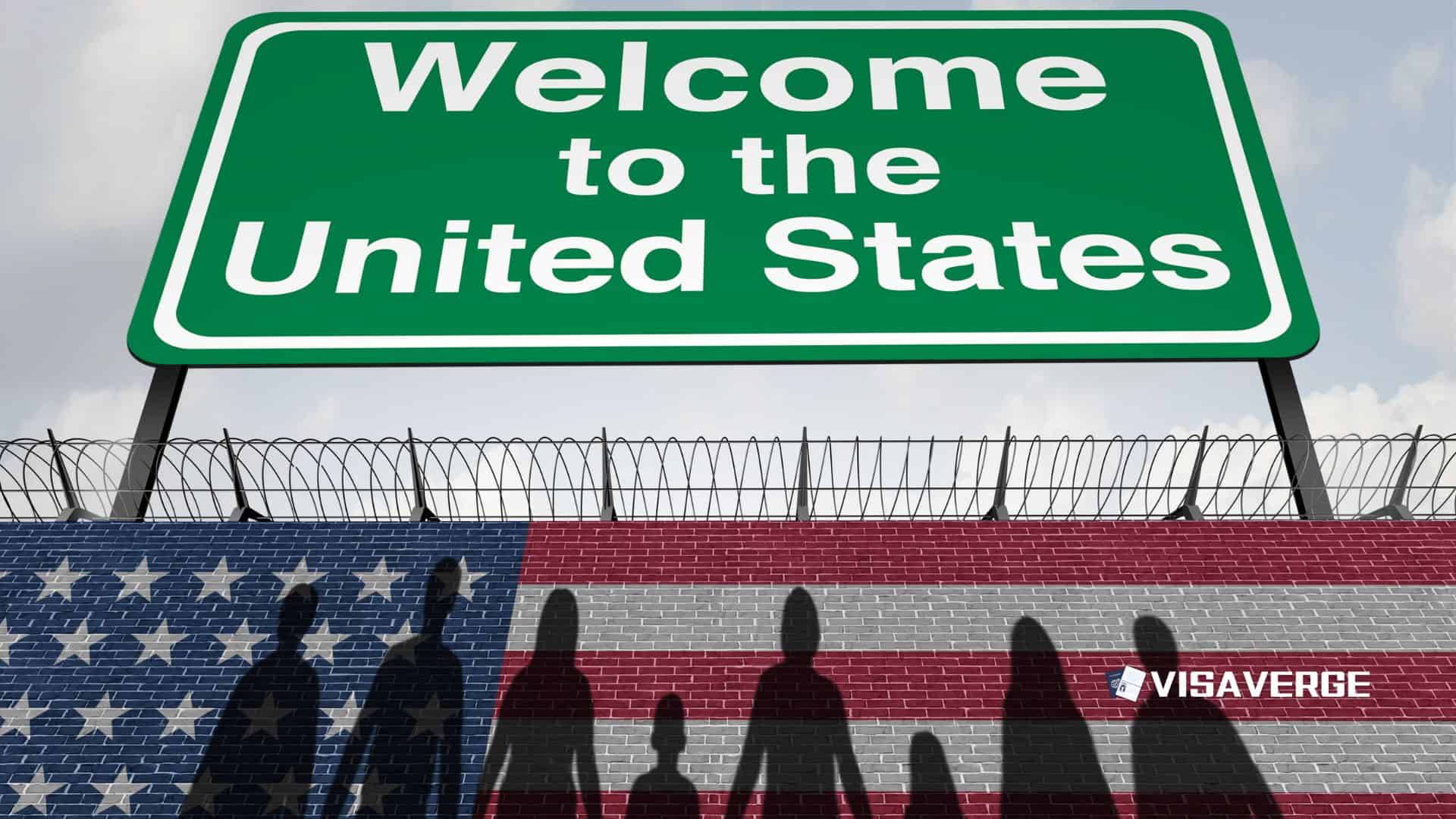
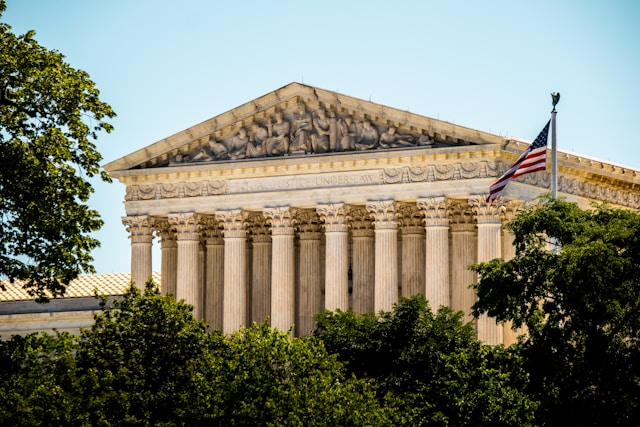
- The Supreme Court upheld birthright citizenship by striking down Executive Order 14160 in Trump v. Barbara.
- A 6-3 majority reaffirmed that the Fourteenth Amendment protects children born on United States soil.
- Congressional efforts to redefine citizenship face significant constitutional barriers following this landmark 2026 ruling.
(UNITED STATES) — The Supreme Court’s June 30, 2026 ruling in Trump v. Barbara, 609 U.S. ___ (2026) left the constitutional rule on birthright citizenship intact, struck down Executive Order 14160, and sharply limited any future effort to exclude U.S.-born children from citizenship based on a parent’s immigration status.
The practical effect is immediate. Children born in the United States remain citizens at birth in nearly all cases, including when a parent lacks lawful status or holds a temporary visa. The decision also places any proposed statutory rewrite, including the one discussed by House Speaker Mike Johnson, on unstable constitutional ground because the Court treated the issue as controlled by the Citizenship Clause of the Fourteenth Amendment, not by ordinary legislation.
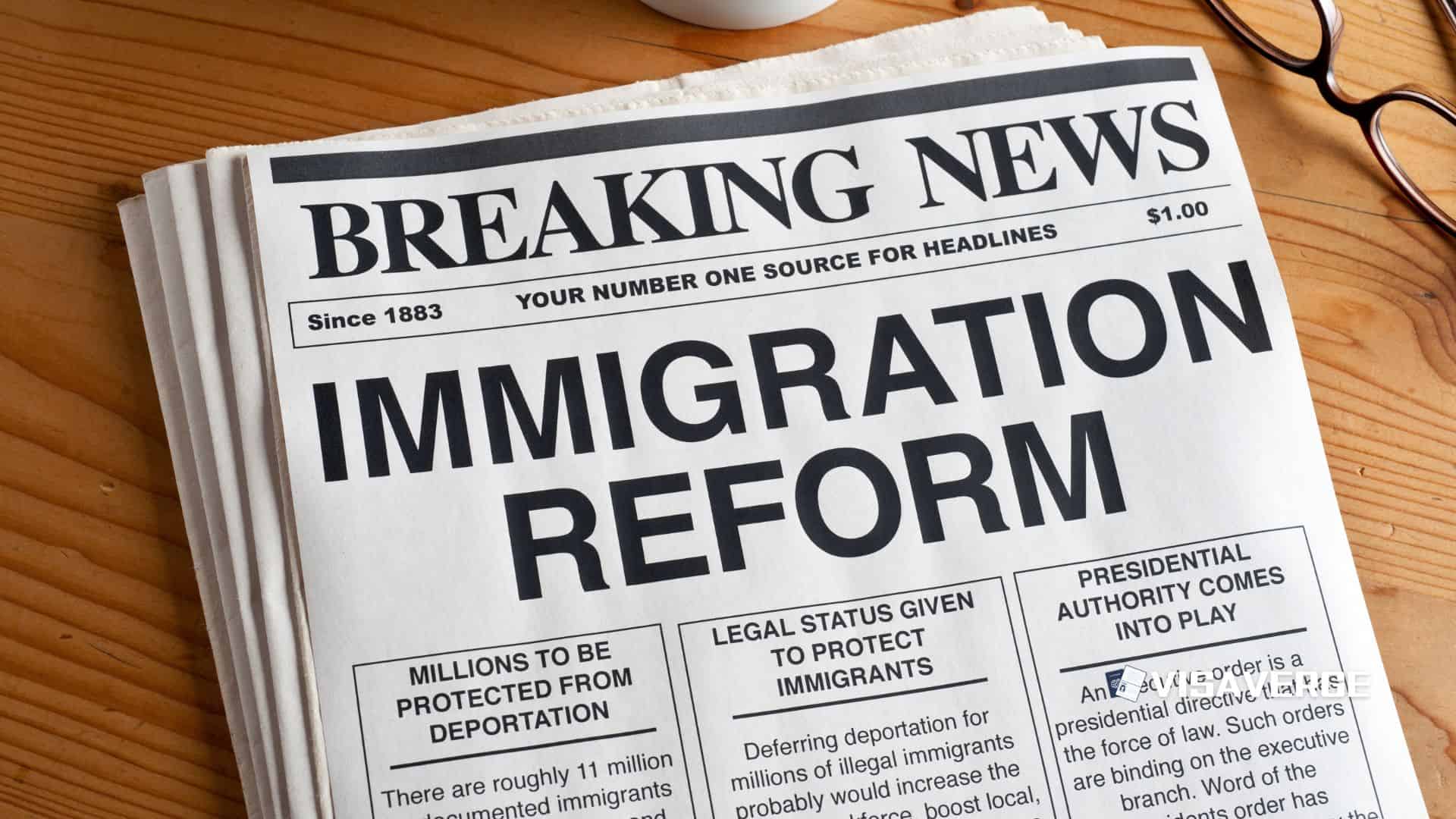
The Court’s holding reaffirmed United States v. Wong Kim Ark, 169 U.S. 649 (1898), the leading precedent on the phrase “subject to the jurisdiction thereof.” Roberts, writing for a 6-3 majority, said the Citizenship Clause protects nearly all persons born on U.S. soil. The opinion described citizenship as “the right to have rights” and rejected the executive branch’s narrower reading of jurisdiction as inconsistent with the text, history, and settled practice of the Fourteenth Amendment.
Free toolSubstantial Presence Test CalculatorThe challenged order, signed on January 20, 2025, had directed agencies to deny citizenship recognition to children born in the United States if the mother was unlawfully present or present in a lawful but temporary status and the father was not a U.S. citizen or lawful permanent resident. USCIS had already outlined a path for implementation in Implementation Plan IP-2025-0001, which anticipated changes in documentation and adjudication if the order survived review.
That plan mattered because the administration had moved beyond rhetoric and into execution. If EO 14160 had taken effect, birth certificates would not necessarily have resolved citizenship questions for affected children, and families likely would have faced disputes with agencies over passports, Social Security records, and future immigration filings. In practice, the ruling prevents a new class of U.S.-born children from being pushed into derivative or uncertain immigration status.
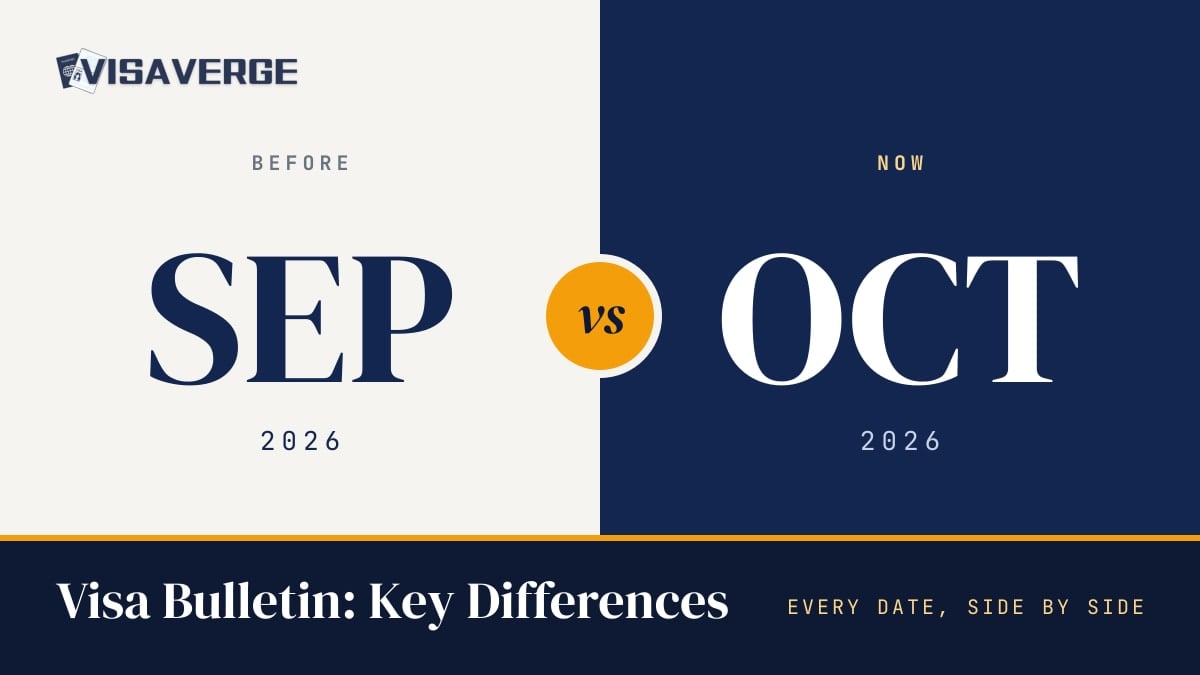
| India | China | ROW | |
|---|---|---|---|
| EB-1 | Feb 01, 2023 ▲109d | Jul 01, 2023 | Current |
| EB-2 | Nov 01, 2013 | Oct 01, 2021 ▲30d | Jan 01, 2025 |
| EB-3 | Jan 01, 2014 | Jan 08, 2022 ▲7d | May 15, 2024 ▼109d |
| F-1 | Jan 22, 2020 | Jan 22, 2020 | Jan 22, 2020 |
| F-2A | Sep 22, 2026 ▲31d | Sep 22, 2026 ▲31d | Sep 22, 2026 ▲31d |
The facts behind Trump v. Barbara centered on a direct constitutional challenge to the order before full implementation. The plaintiffs argued that the order conflicted with the Fourteenth Amendment and with Wong Kim Ark, which held that a child born in the United States to noncitizen parents domiciled here was a citizen at birth. The government argued that children of undocumented immigrants and temporary visitors were not fully “subject to the jurisdiction” of the United States in the constitutional sense. The Court rejected that distinction.
The majority’s reasoning was broad enough to affect similar cases nationwide. The opinion treated parental immigration status as legally insufficient to defeat constitutional citizenship at birth. That closes the door, at least for now, on administrative efforts to redefine birthright citizenship through agency policy, executive order, or revised adjudication manuals. USCIS still administers proof of citizenship, but it does not have authority to narrow the constitutional rule the Court reaffirmed.
Warning: Families with a pending passport, Consular Report of Birth Abroad issue, delayed birth certificate, or USCIS documentation problem should keep certified copies of hospital records, state birth records, and identity documents. Administrative confusion can continue after a Supreme Court ruling, even when the constitutional rule is clear.
The decision also has consequences across immigration practice. A child born in the United States may still petition qualifying relatives later in life under the INA, but the citizenship question itself is no longer open to ordinary executive revision. That distinction is important. Birthright citizenship does not erase a parent’s removability, cure unlawful presence, or create immediate lawful status for family members. It does preserve the child’s citizenship from the moment of birth.
USCIS and DHS statements after the ruling pointed in different directions politically, but not legally. DHS Secretary Markwayne Mullin criticized the ruling on July 1, 2026, calling it “dead wrong” and a national security risk. DHS General Counsel James Percival, in a separate statement issued days earlier on other immigration cases, praised recent administration wins and said the government had additional tools to secure the border. None of those statements changed the legal result in Trump v. Barbara. Agencies must now conform their practices to the Court’s judgment.
Speaker Mike Johnson responded by calling for congressional action. He said he was disappointed with the ruling and argued that Congress should address what he described as abuse, including “birthing tourism.” His reported proposal would amend 8 U.S.C. § 1401 to define “subject to the jurisdiction” more narrowly, excluding certain children born to undocumented immigrants and temporary visa holders.
That proposal faces two distinct barriers. The first is legislative. A bill would typically need to clear the House, attract 60 votes in the Senate to overcome a filibuster, and survive inevitable litigation. The second is constitutional. If the Supreme Court has already held that the Fourteenth Amendment itself covers these children, Congress cannot override that holding by statute. A constitutional amendment would be the cleaner legal route, though that process requires supermajority support in Congress and ratification by the states.
No meaningful circuit split appears to remain on the basic question resolved in Trump v. Barbara. Lower courts had entertained variations on jurisdiction arguments in related litigation, but the Supreme Court’s ruling now supplies the controlling standard. That reduces forum shopping and narrows the range of future disputes. Litigation is more likely to shift toward proof problems, agency compliance, and edge cases involving diplomats or hostile occupying forces, the traditional exceptions recognized in Fourteenth Amendment doctrine.
The 6-3 lineup is notable because it crossed familiar ideological lines. The majority included Chief Justice Roberts, Justices Sotomayor, Kagan, Barrett, Jackson, and Kavanaugh. Any dissent would matter mainly as a roadmap for future legislative advocates, but it would not alter the immediate precedential force of the judgment. Until the Court revisits the issue, Wong Kim Ark remains the anchor, and Trump v. Barbara is now the modern application of that rule to contemporary immigration enforcement.
Practice point: If a child was born in the United States after January 20, 2025 and a government office questioned citizenship because of a parent’s status, the family should seek legal review promptly. Records created during the EO 14160 litigation period may need correction.
Two practical questions remain. First, agencies may need time to unwind internal guidance tied to EO 14160, including any references in field manuals, training materials, or deferred implementation plans. Second, families already caught in documentation disputes may need case-specific help. A passport denial, delayed issuance of a Social Security number, or refusal to recognize a state birth certificate can trigger separate administrative procedures, even after the constitutional issue has been settled.
Attorneys will also be watching whether Congress tries narrower bills tied to fraud, visa misuse, or commercial birth tourism instead of a direct redefinition of citizenship. Those bills may raise different legal questions. Congress generally has room to regulate fraud, visa admissions, and criminal conduct. It does not have the same room to redefine who is a citizen at birth under the Fourteenth Amendment. That line, after Trump v. Barbara, is much brighter.
Families dealing with proof of citizenship should act on the document problem in front of them. State birth certificate issues generally run through state vital records offices. Passport disputes go through the Department of State. USCIS may appear in the process when a person seeks a certificate of citizenship or related records, but most U.S.-born citizenship claims begin with civil records, not immigration benefits forms. Where a parent’s removal case or detention overlaps with a child’s citizenship documents, coordination with qualified counsel is often necessary.
The ruling preserves settled law for the hundreds of thousands of children born each year to noncitizen parents in the United States. It does not settle every political argument, and it does not prevent new legislative proposals from emerging on Capitol Hill. It does settle the constitutional baseline: under Trump v. Barbara and United States v. Wong Kim Ark, birth on U.S. soil ordinarily confers citizenship, regardless of a parent’s immigration category.
Anyone facing a denied passport application, delayed citizenship documentation, removal proceedings involving a U.S.-born child, or a case that turns on derivative status should speak with a qualified immigration attorney promptly. Birthright citizenship questions may look simple in the abstract, but document errors, mixed-status families, criminal allegations, and parallel court proceedings can change the legal posture quickly.
⚖️ Legal Disclaimer: This article provides general information about immigration law and is not legal advice. Immigration cases are highly fact-specific, and laws vary by jurisdiction. Consult a qualified immigration attorney for advice about your specific situation.
Resources:
- Supreme Court
- USCIS Newsroom
- AILA Lawyer Referral