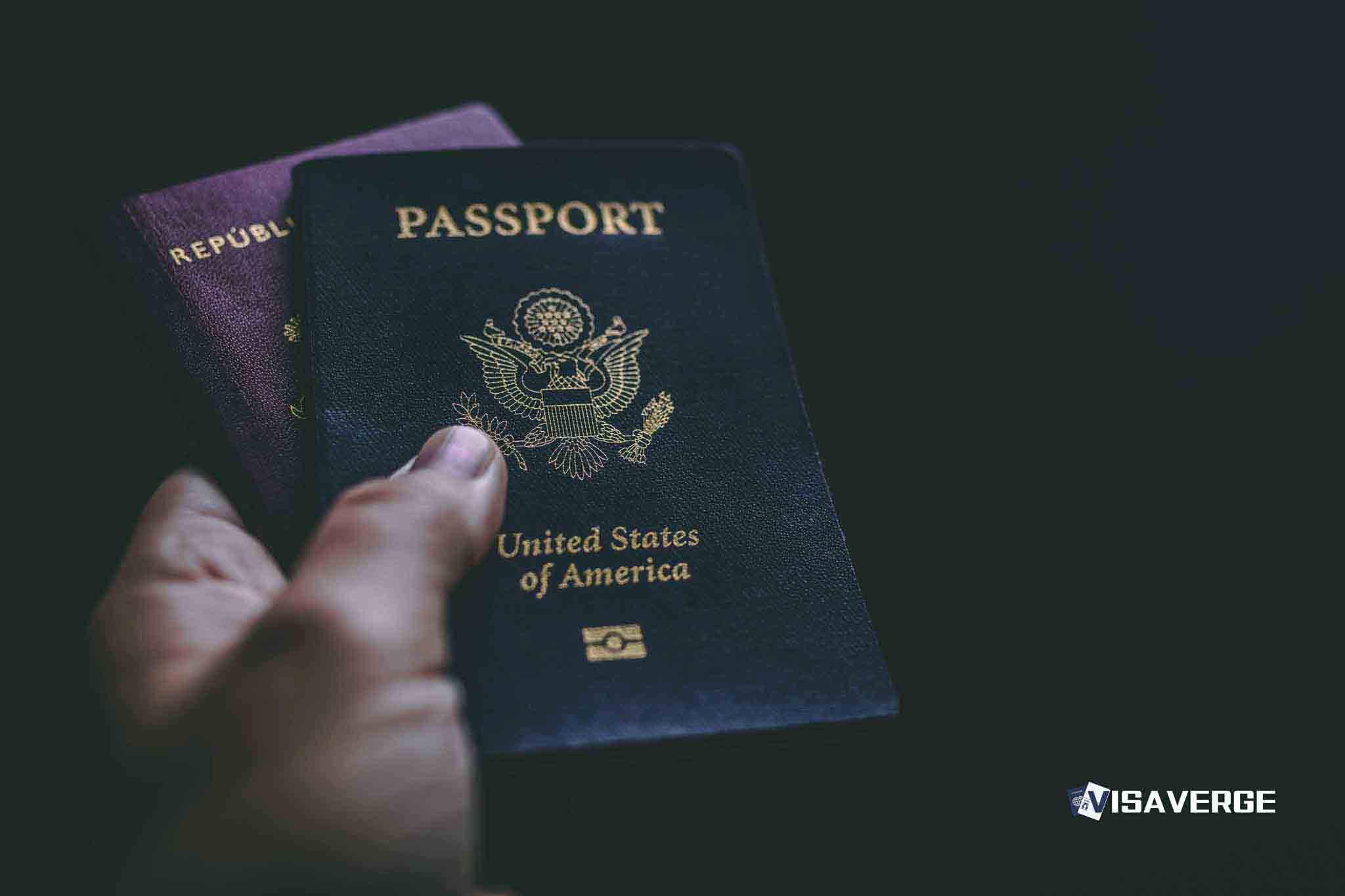
- The United States passport dropped to tenth place in the twenty twenty-six global rankings.
- American travelers currently enjoy access to one hundred eighty visa-free destinations worldwide.
- New fees and authorization requirements like E-T-I-A-S are increasing travel friction for citizens.
The U.S. passport has fallen to its lowest position in more than a decade, tying Iceland for 10th place in the Henley Passport Index published July 21, 2026.
U.S. citizens can enter 180 destinations without obtaining a visa beforehand. Singapore, which holds the top position, offers access to 192 destinations. The gap is now showing up in fees, applications and extra border requirements.
Free toolSubstantial Presence Test Calculator
The United States held first place in 2014 and 2006. It ranked fourth in 2016 and seventh in 2021, before reaching ninth or 10th in 2025 and briefly falling to 12th in October 2025.
“The direction is a warning,” Richard T. Herman, a U.S. immigration attorney and founder of the Herman Legal Group, said in a July 30, 2026, report. American travelers still have wide access abroad, but the country no longer leads its peers by the same margin.
“American power still opens doors—it simply no longer opens more doors than everyone else's.”
A State Department spokesperson said international passport rankings can differ by methodology. The department said its focus remains secure, efficient and reciprocal travel, and expressed confidence in the passport’s global reach.
Visa reciprocity is narrowing access in both directions
The ranking reflects whether travelers can enter destinations without securing a visa in advance. Visa policy in the other direction also shapes that result.
The United States ranks 73rd on the Henley Openness Index. It allows only 46 other nationalities to enter without a visa, a much narrower opening than the access its own citizens receive abroad.
Brazil has reinstated visa requirements for Americans and now requires a $80 eVisa. The added charge creates a direct cost for travelers who need permission before departure.
Reciprocity is only one part of the shift. The United Arab Emirates and Singapore have pursued new visa-waiver agreements, while U.S. travel policy has remained static or grown more restrictive.
China presents another gap. The United States remains one of the few top-tier passports whose holders still need a formal visa to enter China. Canada gained visa-free access in February 2026, alongside several European countries.
The result is a relative loss of ground. Other countries have expanded their travel networks while Americans continue to face formal visa requirements in destinations available more easily to some peers.
More paperwork is arriving before the airport
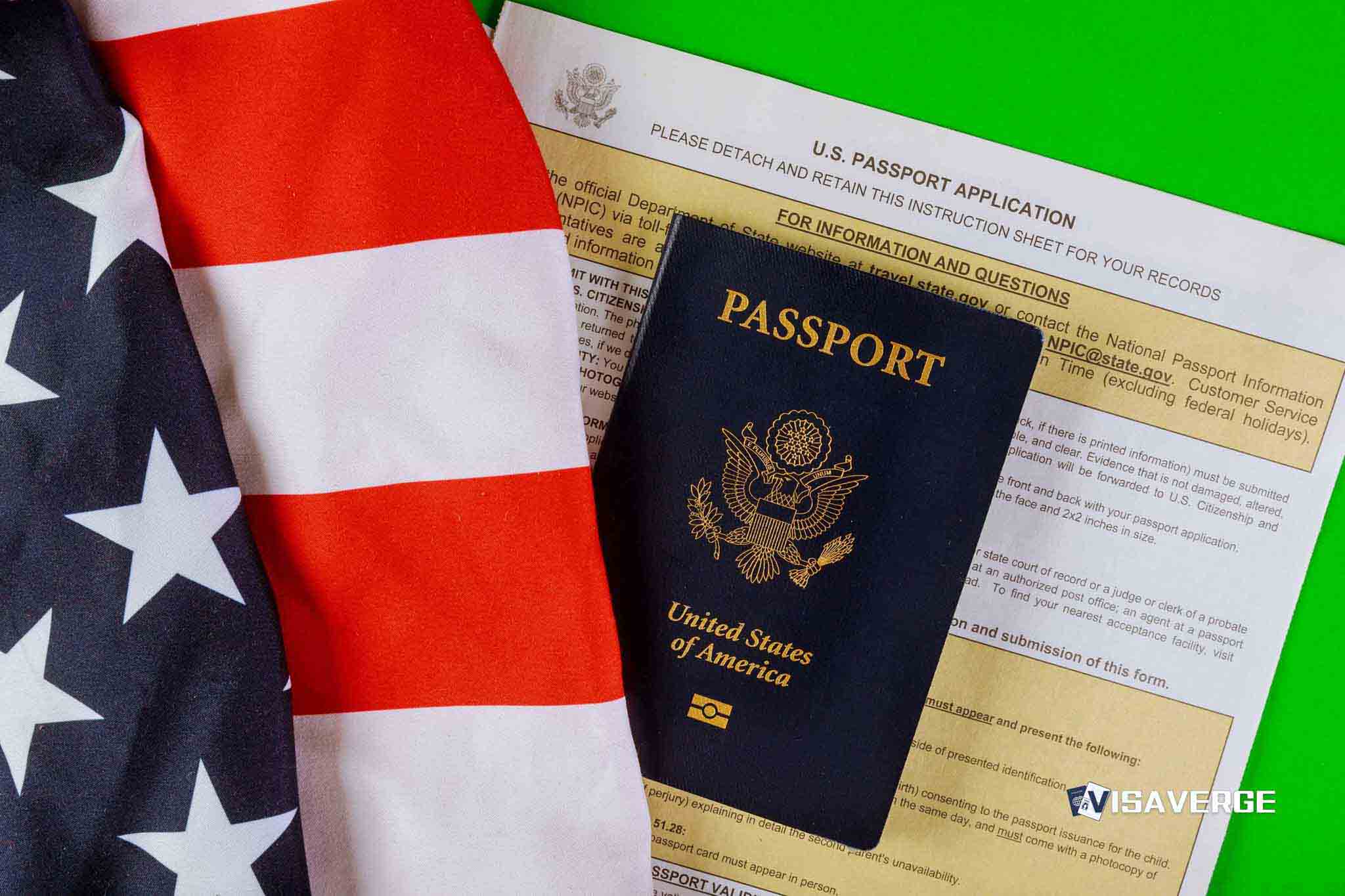
The domestic passport system is also handling heavy demand. The State Department reported a record 27.3 million passport applications in 2025, while processing waits reached 10–12 weeks by mid-2026.
That timetable can collide with overseas requirements. Travelers may need a new passport, an electronic visa and additional authorization before boarding.
The United Kingdom has already introduced its ETA, which carries a £10 fee. Europe is scheduled to launch the European Travel Information and Authorisation System, or ETIAS, in late 2026.
These systems do not necessarily replace visa-free entry. They do add a pre-travel approval step, and travelers must account for it before setting a departure date.
The administration has presented tighter immigration controls as part of an America First strategy. Matthew Tragesser, a USCIS spokesperson, described the citizenship approach on November 13, 2025:
“The distinction between legal and illegal immigration becomes meaningless when both can destroy a country at its foundation. The Trump administration continues to execute policies to ensure legal immigration advances American interests first and only the most deserving attain the privilege of U.S. citizenship”
The State Department also said on June 10, 2026, that it was “defending the integrity of U.S. citizenship” by shutting down networks linked to birth tourism. It warned that officials would deny visas when childbirth is the primary purpose of travel.
The slide measures mobility, not citizenship rights
The index does not rate the strength of citizenship, the U.S. economy or the rights attached to nationality. It counts destinations available without a prior visa.
That narrow measure still captures a sustained change. The country moved from first place to fourth, then seventh, and now 10th. Its brief fall to 12th in October 2025 also showed how quickly relative standings can change.
| Year | U.S. position |
|---|---|
| 2006 | 1st place |
| 2014 | 1st place |
| 2016 | 4th place |
| 2021 | 7th place |
| 2025 | 9th/10th place; 12th in October 2025 |
| 2026 | 10th place, tied with Iceland |
The current result does not close most borders to Americans. It records a smaller lead over competing passports, especially as countries such as Singapore negotiate additional visa-free access.
Herman’s warning centers on that relative movement. American power still opens doors, but the passport opens fewer doors than the strongest documents now available.
The next ranking will show whether the 10th-place tie holds. Until then, Brazil’s $80 eVisa, the UK ETA and Europe’s late-2026 ETIAS will add separate pre-travel requirements for Americans heading overseas.