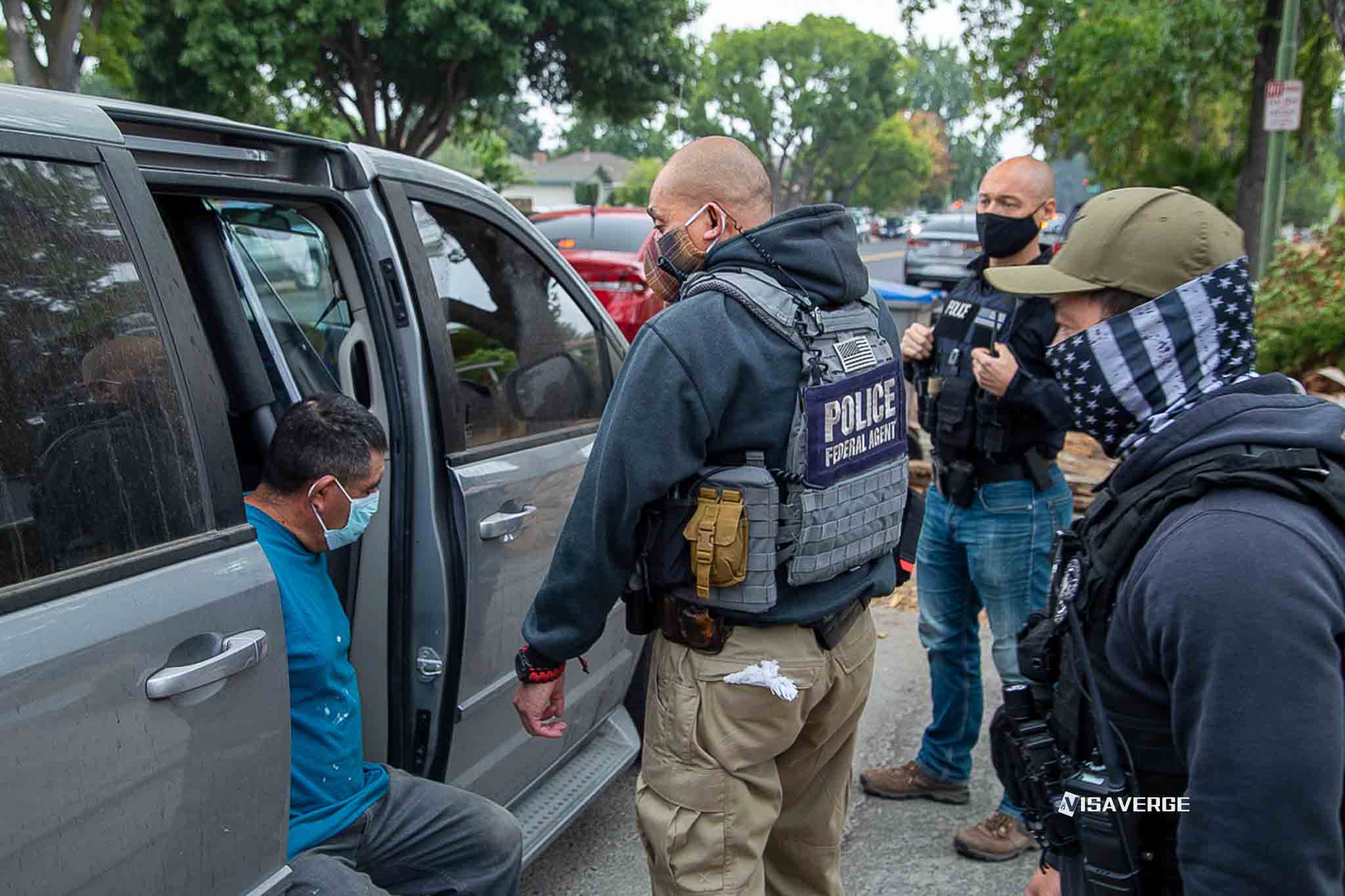
- The Trump administration opened investigations into nine universities over alleged misuse or fraud involving J-1 visas.
- JD Vance cited visa holders’ share of workers as approximately sixty-one percent, compared with a claimed national average of thirty-eight percent.
- Subpoenas have been issued, but no final findings announced against Caltech, Stanford, or UC Davis.
The Trump administration opened investigations into nine universities over alleged misuse or fraud involving J-1 visas, naming three California campuses: the California Institute of Technology, Stanford University and the University of California, Davis.
Vice President JD Vance announced the review on October 8, 2026. He alleged the schools used exchange-visitor status at unusually high rates to employ foreign postdoctoral researchers and other scholars on federally funded projects.
Free toolOPT Timeline Calculator Online
Vance said visa holders accounted for approximately 61% of relevant workers at the nine schools, against a claimed national average of 38%. He also said U.S. graduate students and researchers earned approximately $20,000 more than workers employed under the program.
Subpoenas have already gone out. Department of Labor Inspector General Anthony D’Esposito said investigations were underway, putting the campuses in the fact-gathering stage rather than facing a completed enforcement finding.
Investigators allege the campuses tilted federally funded research toward visa holders
The administration’s claims reach beyond the proportion of foreign researchers on grants. It alleges the schools may have used visa holders to replace or undercut American graduate students and researchers, paid foreign workers less than similarly situated U.S. employees, and maintained improper financial or employment arrangements.
Those are allegations, not established violations. The administration called the alleged conduct a “fundamental insult to the American worker.”
“fundamental insult to the American worker.”
The administration also said a visa-fraud strike team would examine whether “foreign influence, improper financial relationships or visa abuse” affected federally funded research. The team’s stated focus includes financial relationships as well as compliance with visa rules.
The wage comparison and worker-share percentages were presented by Vance as part of the administration’s case. The probe will examine the underlying university practices and records.
Six campuses outside California are also part of the review
The investigation also names Harvard University, Yale University, Brown University, Massachusetts Institute of Technology, Arizona State University and the University of Pittsburgh. The announcement therefore covers nine institutions in all.
The California campuses are Stanford and UC Davis, alongside Caltech. Each is now included in the same federal inquiry, though the allegations will turn on evidence tied to individual programs and employment arrangements.
Two campuses pledged cooperation while Caltech had not commented
A UC Davis spokesperson said the university complies with federal visa laws and regulations and would cooperate with the government’s review. Stanford said it had complied with applicable visa laws and would also cooperate.
Caltech had not responded to a request for comment when the report was published. UC Davis employs approximately 750 postdoctoral students, but the cited public information did not say how many hold J-1 status.
The response statements do not resolve the allegations. Investigators are still collecting evidence, and the administration has not announced final findings against the California schools.
A visa category alone does not establish fraud
The J-1 classification draws its authority principally from INA § 101(a)(15)(J), 8 U.S.C. § 1101(a)(15)(J), and the implementing rules in 8 CFR Part 62. Approved exchange programs cover professors, research scholars, students and other designated participants.
A person’s foreign nationality or university employment, by itself, does not establish fraud. Investigators would need to assess whether each person’s work fit the approved exchange program and whether sponsors met applicable obligations.
That review may also turn on whether required sponsorship and reporting rules were followed, whether compensation and labor representations were accurate, and whether a visa was used for a purpose outside the authorized program. The administration’s allegations could lead to agency findings, civil proceedings or criminal referrals, depending on what the evidence shows.
The review remains at the evidence-gathering stage
As of October 10, 2026, subpoenas had been issued and fact-gathering continued. No final adjudication against the three California universities had been identified.
This article provides general information and is not legal advice. Consult a qualified immigration attorney about your specific case.