- A Labor Department inspector general opened a nationwide investigation in July 2026 into possible work-visa fraud and human trafficking.
- Officials are expected to outline enforcement actions involving alleged H-1B and J-1 visa abuse at an October 8 news conference.
- A federal judge blocked the $100,000 payment requirement on October 1, 2026, ruling that mandatory rulemaking procedures were not followed.
Vice President JD Vance and officials from the Departments of Labor and Justice are outlining findings and enforcement actions involving alleged H-1B and J-1 visa abuse at a joint news conference Thursday, October 8, 2026. The announcement centers on claims of fraud and worker exploitation.
The administration’s fraud task force is presenting the findings alongside the two departments. Officials are expected to describe enforcement actions tied to the visa programs.
Free toolH-1B Cost Calculator Online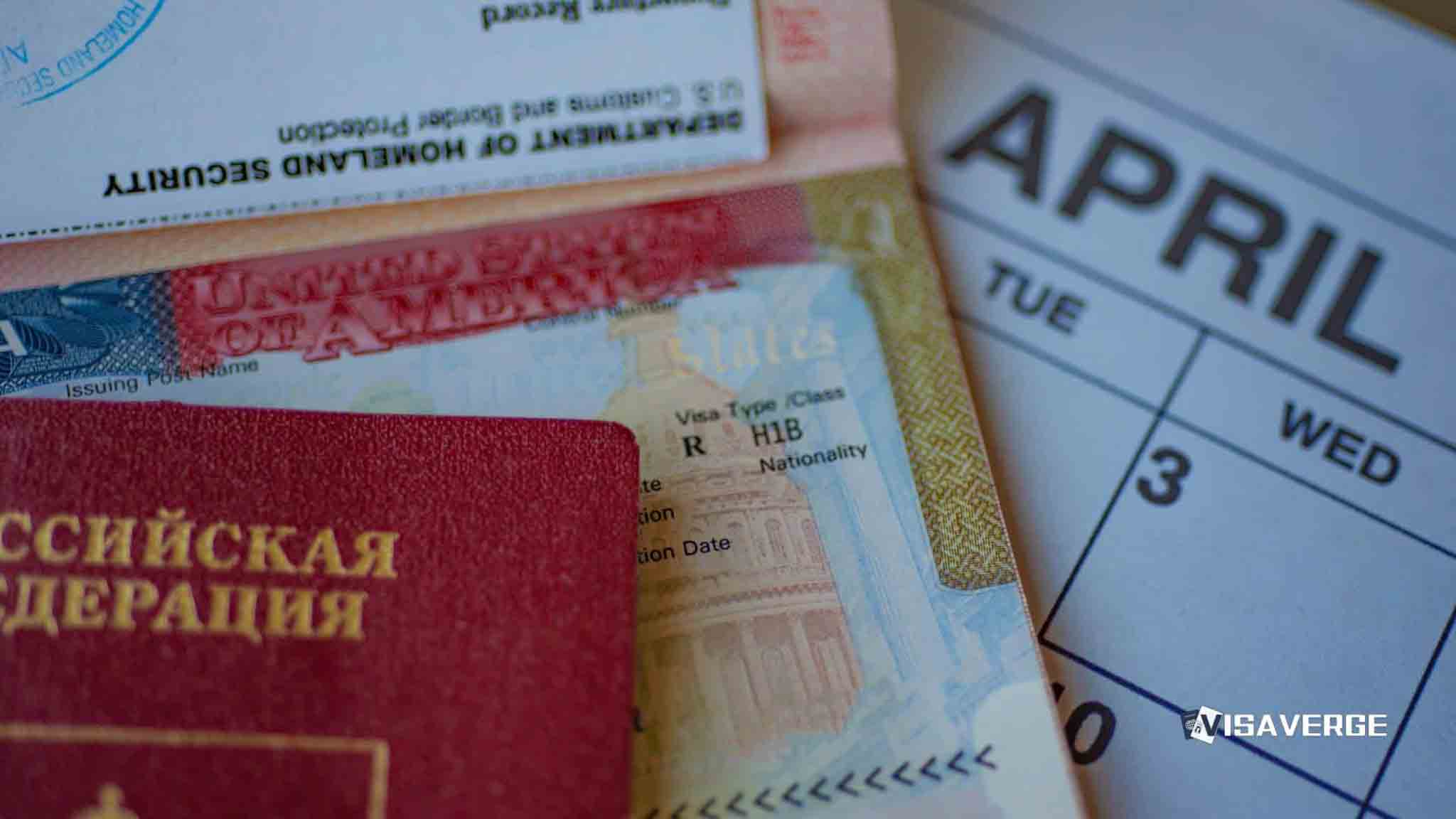
The Labor Department’s inspector general opened a nationwide investigation in July 2026 into possible fraud and human trafficking involving work visas and permanent labor certifications. It is a broad inquiry.
Investigators are examining alleged schemes involving applications, wages and recruitment. The allegations also include employers using foreign workers to replace or undercut qualified U.S. workers.
The inquiry reaches beyond visa applications
The alleged conduct includes fraudulent visa and labor-certification applications, wage-kickback arrangements and labor-broker schemes. Investigators are also looking at exploitative recruitment practices.
The work-visa program covers specialty occupations, which generally require at least a bachelor’s degree or equivalent. The exchange-visitor program allows approved participants to work, study and take part in cultural exchange.
The agencies have not publicly detailed how many employers or workers the October 8 announcement involves. They also have not disclosed totals for investigations, criminal cases or monetary amounts.
Vance has argued the program undercuts U.S. workers
On October 1, the vice president called the work-visa program “completely broken” and said he would support eliminating it entirely. He also argued that it should be enforced to protect American workers while it remains in place.
He has pointed to employers substituting lower-paid foreign workers for U.S. employees. In one example, he described an employer replacing an American accountant earning $60,000 with a foreign accountant earning $45,000.
“destroying American jobs and defrauding the American people.”
The vice president used that phrase to characterize the wage example. His criticism has accompanied the administration’s push for tighter oversight.
Enforcement has widened, but a court blocked one payment rule
The administration has called for closer review of petitions from employers that recently laid off U.S. workers. It has also expanded information-sharing and fraud detection through the White House Task Force to Eliminate Fraud.
Recent policy changes give greater weighting to higher-paid positions. The administration has also pursued a $100,000 payment requirement for certain workers seeking entry from abroad, with the measure extended through September 21, 2027.
A federal judge blocked that requirement on October 1, 2026. The judge found that the administration had failed to follow mandatory rulemaking procedures.
The news conference is expected to clarify whether the findings focus on individual cases, labor-broker patterns or new actions against employers and others in the visa system. Those details will indicate the reach of the enforcement effort.