U.S. Citizens Can Opt Out of Facial Scans at International Departure Gates
Since December 26, 2025, U.S. citizens leaving on international flights may opt out of CBP facial comparison at the gate and request a manual document check under the DHS final rule.
At a glance
- The DHS final rule on biometric exit checks took effect on December 26, 2025.
- U.S. citizens may opt out of facial comparison and request manual document verification.
- Aliens remain subject to the biometric exit requirement under the rule.
Reviewed November 21, 2026 Checked against the Federal Register, CBP and tsa.gov
A U.S. traveler was denied boarding at Denver after a facial-scan requirement led the airline to refuse boarding. Volaris said the traveler refused a face scan at the gate for a flight to Mexico, that the airline called the refusal “suspicious” and that it contacted U.S. Customs and Border Protection (CBP), the federal border agency.
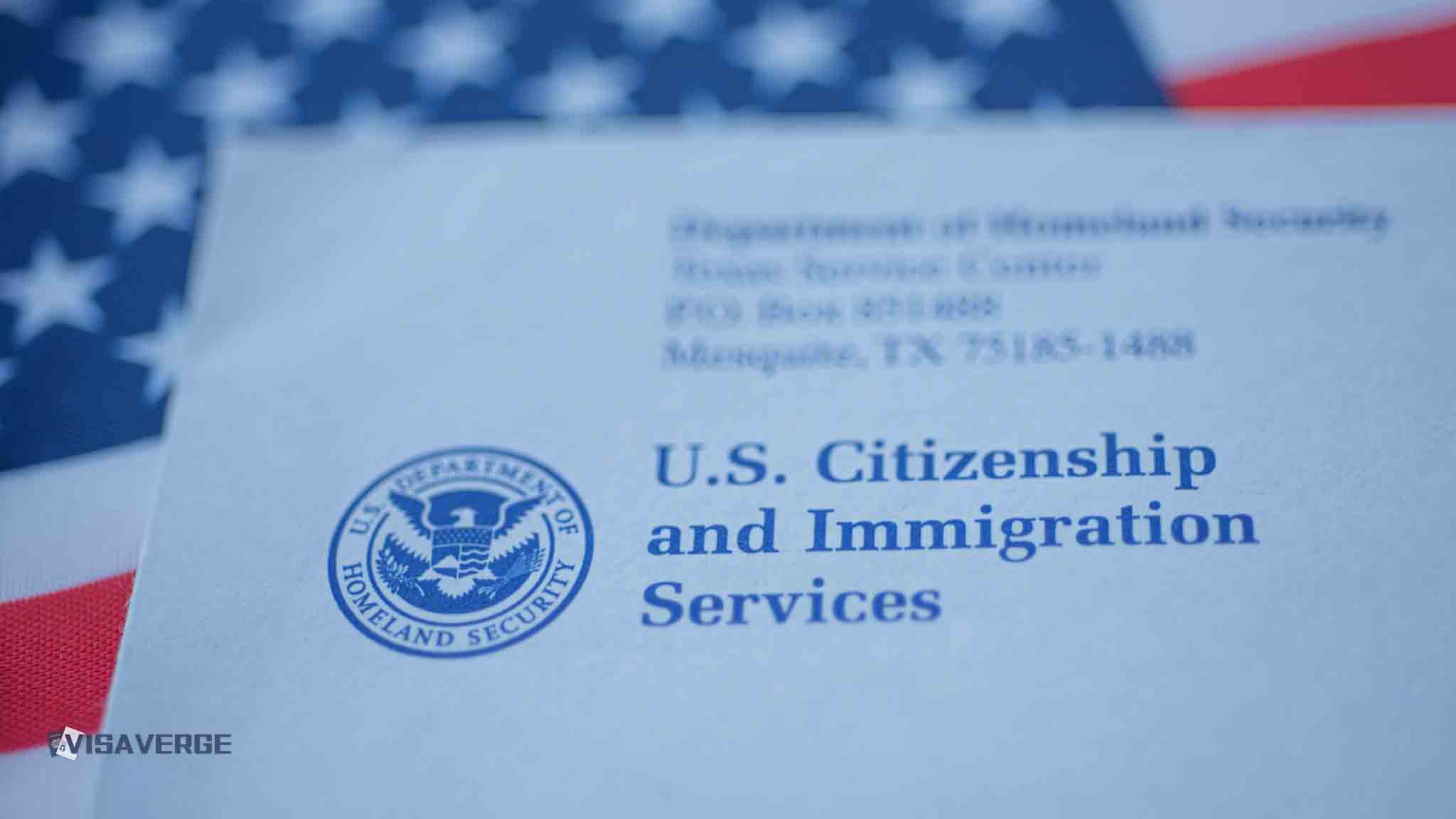
The Department of Homeland Security (DHS) final rule on biometric data collection from non-U.S. citizens, whom immigration law calls aliens, was published on October 27, 2025, and took effect on December 26, 2025. It sets a general biometric exit requirement for aliens. Where CBP has put biometric verification in place, U.S. citizens may opt out of facial comparison and request a manual check of their travel document.
What U.S. citizens can do at the gate
A U.S. citizen who does not want a photograph taken may tell the airline or vessel boarding agent, or a CBP officer, at boarding that they want to opt out and request another way to verify their identity. CBP or the gate agent then checks the travel document manually. U.S. citizens may also request an alternative inspection process during entry. U.S. noncitizen nationals receive the same treatment for opting out and for photo retention.
Denver International Airport announced on September 3, 2024, that 15 gates on Concourses A and C had facial-recognition devices for international departures. The airport said travelers who opt out of its departure-gate process must present a valid travel document to the gate agent for inspection.
CBP says airline staff may process departing travelers without taking a photograph. It also says CBP and carriers try to avoid delays or other adverse consequences when U.S. citizens opt out. CBP is aware of cases in which citizens have alleged that they were referred to secondary inspection—an additional review—or told they could not board after declining biometrics.
What happens if a scan fails or does not match
If a traveler’s photograph cannot be captured or matched because of a technical or operational failure, the traveler is not considered noncompliant. Manual boarding or inspection procedures are used until the systems work.
If a departure match fails, staff should manually review the travel document. If the airline has a question about whether a passport is authentic or belongs to the traveler, it contacts CBP for additional inspection. If CBP’s inspection finds no derogatory information—information that raises a concern—the officer allows the traveler to board or continue travel. Actionable derogatory information may lead to further questioning or other appropriate law-enforcement action.
Who is covered by the biometric requirement
DHS may require aliens to provide biometrics when departing from any location, not only a designated port of entry. The rule authorizes DHS to require photographs on entry or departure and other biometrics under separate exemption rules. It does not mean every alien is scanned in every case.
Some exemptions apply to other biometric requirements, but they do not exempt aliens from photographs. Those other-biometric exemptions include:
- Aliens younger than 14 or older than 79 on the date of admission or departure.
- Holders of specified A-1, A-2, C-3, G-1 through G-4 and NATO-1 through NATO-6 visas.
- Certain Taiwan officials and immediate family members holding E-1 visas.
- Classes or individuals designated by the relevant officials.
- Qualifying Canadian citizens who are not required to present a visa or receive Form I-94, an arrival or departure record, or Form I-95, a crewman’s landing permit.
A failure to comply with a required biometric procedure may result in inadmissibility at entry, meaning a person may be found ineligible to enter the United States. At departure, it may lead to a finding that the person violated the terms of their admission, parole—a form of temporary permission to be in the United States—or other immigration status.
How the departure-gate system works
Under the DHS final rule on biometric data collection at entry and departure, an airline or airport partner may use its own technology and staff for facial comparison during boarding. Its cameras must meet CBP’s technical specifications. At a participating gate, a photograph captured there is used to search a cloud-based gallery of historical photo templates.
Airline and airport participation in CBP’s biometric exit program is voluntary. Carriers that do not participate continue manual identity checks, although CBP may conduct periodic biometric exit operations.
How photos and biometric records are handled
CBP says photos of U.S. citizens taken during encounters are used only to verify identity and are discarded within 12 hours after the traveler’s identity and citizenship are verified. Under CBP’s biometrics privacy policy, citizens who do not want facial photo capture may request alternative processing, such as a manual document review by a CBP officer at entry or an airline gate agent at departure.
Approved airline, airport and cruise-line partners must immediately purge facial images after sending them to CBP and allow CBP to audit their compliance. CBP temporarily retains facial images of nonimmigrant aliens, people admitted for a temporary stay, and lawful permanent residents, people authorized to live permanently in the United States, for no more than 14 days. They are used for identity confirmation, technology evaluation, accuracy checks and system audits. Biometric records of aliens required to provide biometrics are transferred to IDENT, DHS’s biometric identity system; DHS retains certain records there for up to 75 years.
A U.S. national or dual national who presents as a citizen of another country is processed as a foreign national, and their photo is retained accordingly unless they provide evidence of U.S. citizenship or nationality.
Where travelers can seek help
Travelers who experience a delay or another issue from biometric screening may contact the CBP Information Center and/or apply through the DHS Traveler Redress Inquiry Program. The program addresses travel difficulties involving airport security and inspection, train stations, and crossings into or out of the United States.
Keep reading
More in Airlines → Airlines · Nov 21
FBI, DHS and TSA Warn Aviation Industry of Al Qaeda Messages Urging Similar Attacks
US agencies warned airlines, cargo carriers and airports on Nov. 19, 2026, about Al Qaeda messages urging similar attacks. No specific threat is known…
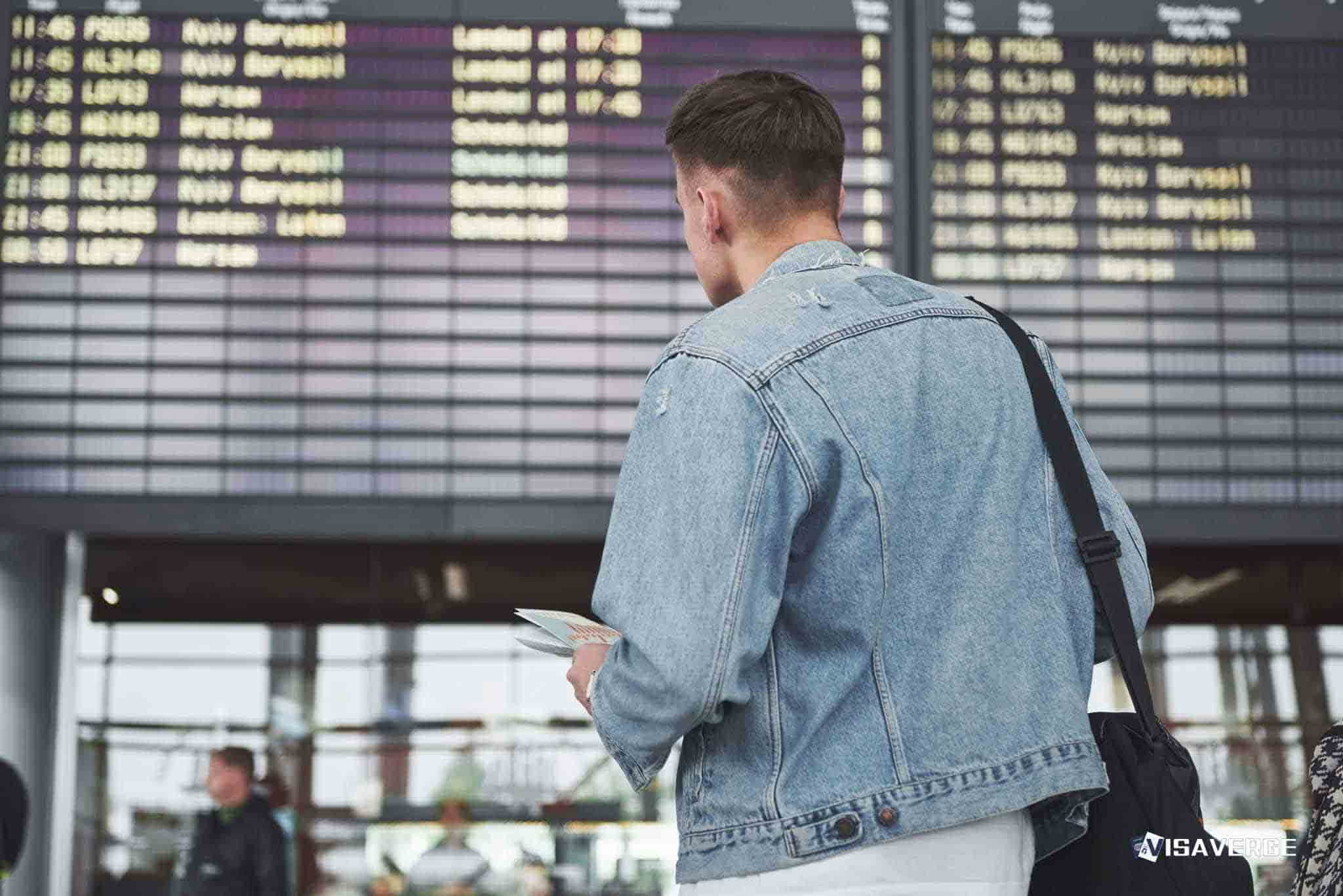 Airlines · Nov 20
Dozens of Manchester Airport flights delayed today – See full list
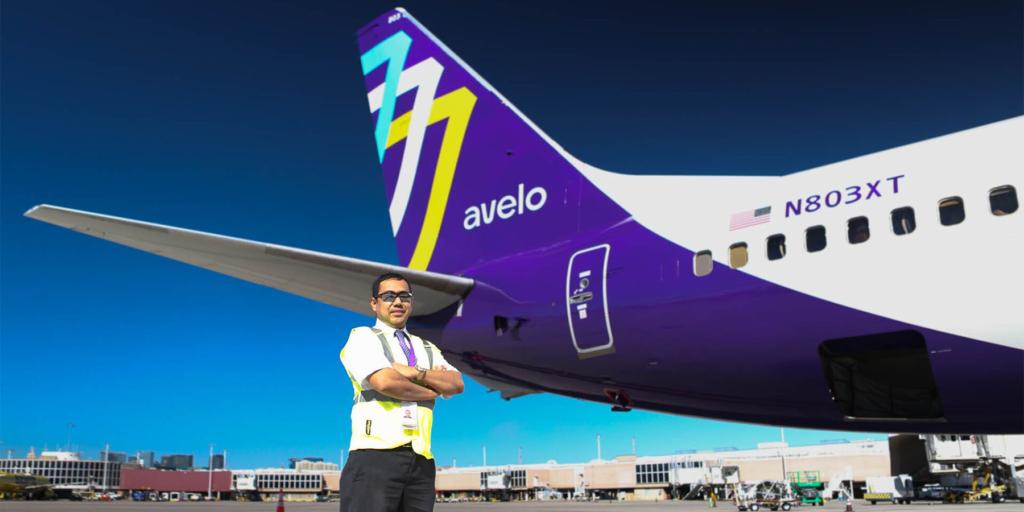 Airlines · Nov 20
Avelo Launches Six Florida Nonstops This Week, Adding Aguadilla, North Dallas and Charlotte-Area Flights
 Airlines · Nov 20
American Airlines Flight AA3230 Declares Mayday After Takeoff From Phoenix With 120 Aboard
What to do now
- U.S. citizens departing on international flights: Tell the airline boarding agent or a CBP officer at the gate that you want to opt out and request manual verification.
- Travelers denied or delayed boarding: Apply through the DHS Traveler Redress Inquiry Program.
Sources
Primary documents and official agency releases referenced in this story.