- Texas A&M spent over $3.2 million on H-1B visa sponsorships between 2020 and late 2025.
- The university system recorded more than 1,400 approvals for international workers in specialized roles.
- New federal policies and a $100,000 petition fee are creating significant financial hurdles for universities.
TEXAS — Texas A&M University spent $3,252,339.17 on H-1B visa sponsorships and related immigration costs between January 1, 2020, and late November 2025, drawing scrutiny that has pushed campus hiring practices into a wider national fight over who benefits from the U.S. work-visa system.
The spending coincided with 659 H-1B beneficiaries approved for Texas A&M University from 2020 through September 2025, while the broader Texas A&M University System recorded over 1,400 approvals when including entities such as AgriLife Extension and branch campuses.
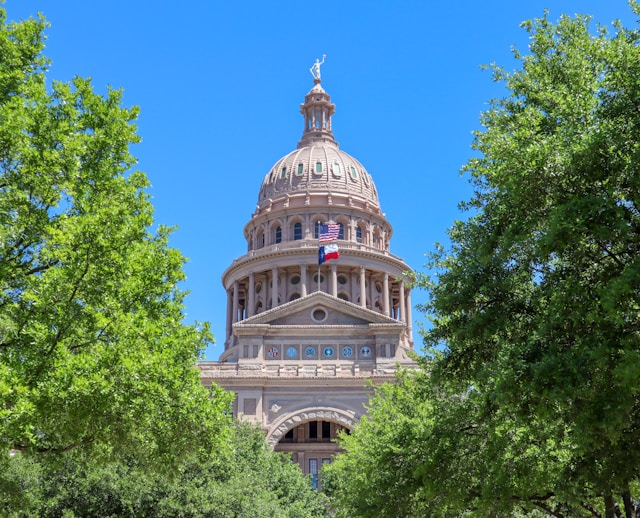
Critics, particularly on social media and in public discourse, accused the public university of “importing labour” rather than prioritizing U.S. graduates and residents for jobs, amid tight early-career markets in fields such as technology and communications.
Supporters countered that universities use H-1B sponsorships to staff specialized roles that keep research programs and technical operations running, and that the immigration costs reflect required filings, compliance steps, and the infrastructure needed to sponsor foreign professionals legally.
| India | China | ROW | |
|---|---|---|---|
| EB-1 | Feb 01, 2023 | Aug 01, 2023 ▲31d | Current |
| EB-2 | Nov 01, 2013 | Oct 01, 2021 | Apr 01, 2025 ▲90d |
| EB-3 | Jan 22, 2014 ▲21d | Jan 22, 2022 ▲14d | Jun 15, 2024 ▲31d |
| F-1 | Jan 22, 2021 ▲366d | Jan 22, 2021 ▲366d | Jan 22, 2021 ▲366d |
| F-2A | Oct 22, 2026 ▲30d | Oct 22, 2026 ▲30d | Oct 22, 2026 ▲30d |
Records cited by The Dallas Express and reported by Times of India brought the Texas A&M figures into the spotlight, while federal data from the USCIS H-1B Data Hub provided the baseline for the beneficiary approvals count cited in recent summaries of the dispute.
The numbers landed in a political environment that has put new attention on visa programs used by large employers, including public universities that rely on taxpayer funding and face public-records demands for details about spending and hiring.
Texas A&M’s totals also drew attention because universities generally fall outside the annual H-1B cap that applies to many private-sector employers, a distinction that can intensify debate about whether public institutions should use visa access to fill roles that critics argue could go to local applicants.
Comparisons with other campuses in Texas have fueled the argument about scale, even as higher-education leaders point out that program structures, research footprints, and staffing models can vary widely by institution.
Similar record-keeping cited in the same coverage put the University of Texas at Dallas at roughly $1.1 million in immigration-related spending to sponsor about 300 H-1B workers over a comparable period, a contrast that has been used to highlight how hiring pipelines can differ within the same state.
University staffing needs can shift with the size of the research enterprise, the presence of engineering and technical programs, and whether major functions depend on specialized staff who support labs, grants, and academic services that operate on tight timelines.
Spending totals can also reflect internal process choices, including whether sponsorship decisions run through a centralized campus office or sit largely with individual departments, and how much an institution relies on outside counsel for filings and compliance work.
The job mix cited in records obtained by The Dallas Express underscores how universities use the H-1B program beyond traditional faculty hiring, even as the visa category is often associated in public debate with the technology sector.
Among the sponsored roles cited were Graphic Designer II, Communications Manager, and Software Application Developer, alongside various instructional and research positions, a spread that can put campus hiring practices at the center of arguments over what counts as a “specialty occupation.”
Universities and research operations often seek continuity in positions tied to specialized skill sets, advanced degrees, or niche expertise, supporters say, because turnover can disrupt grant deliverables, lab work, and the steady staffing needed to meet academic and compliance requirements.
National demographics help explain why campus H-1B hiring can mirror broader immigration patterns, with USCIS data cited in reports showing approximately 72% of H-1B visas awarded to workers from India and 12% going to workers from China.
Those national shares often appear in debates about whether the program functions as a targeted pathway for specific labor pipelines, an argument that can sharpen when public institutions appear to sponsor a wide range of professional roles.
Federal policy moves in 2025 added a new layer of scrutiny to H-1B decision-making, including changes framed by the government as a reordering of priorities toward higher-wage and higher-skill selections.
On December 23, 2025, the Department of Homeland Security announced a final rule it described as a shift in how H-1B selections are made, saying:
“The Department of Homeland Security is amending regulations governing the H-1B work visa selection process to prioritize the allocation of visas to higher-skilled and higher-paid aliens to better protect the wages, working conditions, and job opportunities for American workers.”
Another policy jolt followed a Presidential Proclamation that introduced a new fee for new petitions, with an official USCIS alert stating:
“Under the Proclamation, new H-1B petitions filed at or after 12:01 a.m. eastern daylight time on September 21, 2025, must be accompanied by an additional $100,000 payment as a condition of eligibility. an important initial step to reform the H-1B nonimmigrant visa program.”
Universities that rely on planned hiring cycles and grant-funded budgets have shown sensitivity to sudden cost shifts, and the $100,000 fee became a flashpoint because it can immediately change whether departments can afford to sponsor new positions.
Broader public messaging from DHS has also fed campus concerns about immigration enforcement and visa risk, including a statement tied to visa revocations at Texas universities that drew renewed attention as the Texas A&M spending figures circulated.
Tricia McLaughlin, DHS spokesperson, said on April 8, 2025:
“There is no room in the United States for the rest of the world’s terrorist sympathizers, and we are under no obligation to admit them or let them stay here.”
Public universities face political pressures that differ from private employers because they must defend hiring and spending decisions to legislators, taxpayers, and oversight bodies, especially when critics frame visa use as conflicting with local workforce development goals.
Transparency battles can amplify the controversy, and the Texas A&M records release followed a complaint to the Texas Attorney General after months of delays, a process critics pointed to as part of their argument that the public deserves clear accounting for immigration costs.
Debates around “Hire American” themes and state-level scrutiny have played out beyond Texas, with the dispute unfolding alongside examples elsewhere, including Florida considering restrictions on hiring new H-1B visa holders at state universities amid concerns about local job opportunities.
Inside campuses, immigration costs can determine whether departments pursue international recruitment at all, because H-1B sponsorship can require multiple filings and compliance steps that draw on departmental budgets rather than a single central fund.
The new $100,000 filing cost in particular has forced administrators to weigh whether a single hire can consume resources that might otherwise support multiple positions, especially in units that already operate under fixed annual budgets.
The pressure has been visible within the Texas A&M system itself, with internal communications from the Texas A&M University-Corpus Christi International Student and Scholar Services dated Dec 16, 2025 stating the system “cannot support” these fees, effectively halting many new foreign hires described in recent summaries of the issue.
For students and early-career professionals, the cost environment intersects with the pathway from Optional Practical Training to H-1B status, a transition that many international graduates have relied on to remain in the U.S. workforce after completing their degrees.
Higher costs and shifting selection priorities can alter employer willingness to file petitions, which can in turn change recruitment timelines, job-offer decisions, and the ability of departments to retain staff trained in campus-specific systems and research methods.
Faculty members have expressed concern about a “brain drain,” describing fears that researchers will move to countries with more predictable and affordable immigration paths if U.S. sponsorship becomes too costly or uncertain.
In the months ahead, workers and employers will track how the federal government implements its selection and fee policies, and how institutions adjust budgeting, role prioritization, and hiring lead times in response to higher immigration costs and tighter scrutiny.
H-1B visa sponsorships remain central for specialty roles in academia and technical operations, but Texas A&M’s spending totals show how quickly public attention can turn routine hiring administration into a broader argument about workforce policy and public accountability.
Official federal sources that track these programs include the USCIS H-1B Data Hub for employer and approvals data, along with the DHS Newsroom and USCIS Newsroom/Alerts for updates on policy and implementation that can reshape university planning.